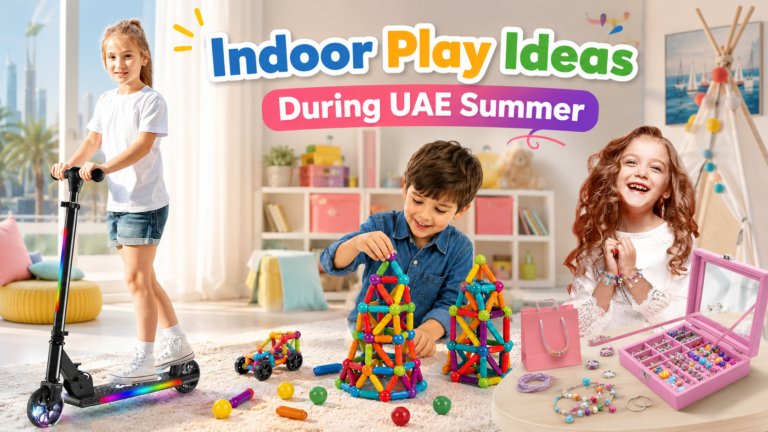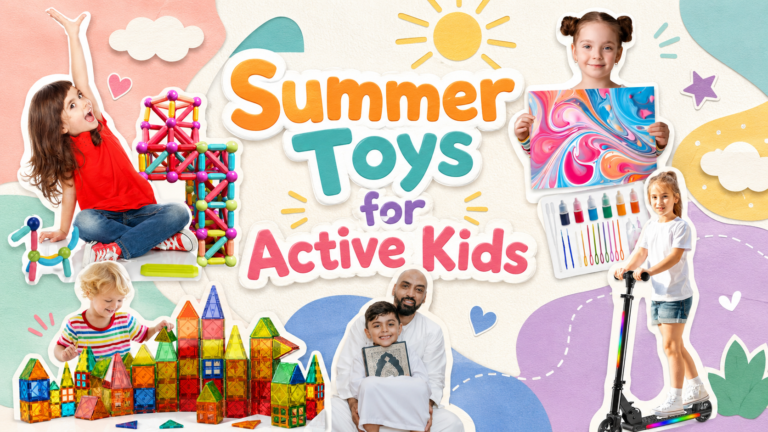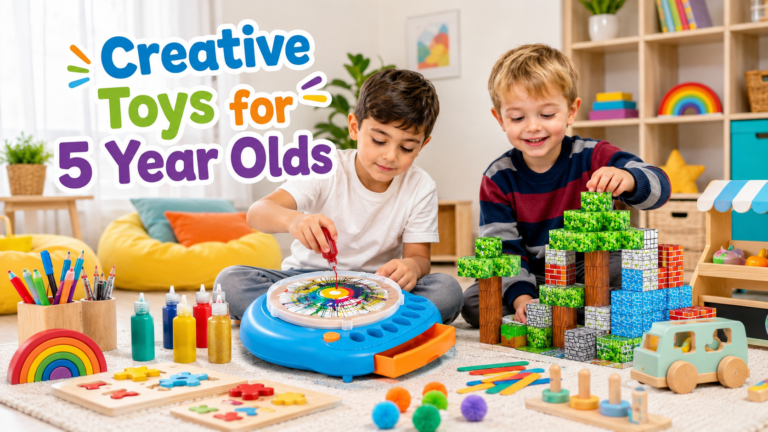


If you’re a parent, you already know the struggle. Birthdays, holidays, random treats, and well-meaning relatives all add up to one thing: a house full of toys. Kids today often have more playthings than they can realistically use, yet they still get bored, still crave novelty, and still want “something new.” That’s where thoughtful toy selection becomes essential. When your child already has piles of dolls, cars, puzzles, blocks, and gadgets, choosing something meaningful requires a different approach.
Instead of adding to the clutter, the real challenge is finding toys that offer value, experiences, creativity, learning, skill-building, and long-term use. This blog explores how to make smart choices and which types of toys make the best toys for kids who already have a lot.
Why Some Kids Get Bored Despite Having Many Toys
It’s surprising but true: the more toys kids have, the quicker they lose interest. This happens for a few reasons:
- Overstimulation: Too much choice overwhelms the brain, making it hard to focus on anything for long.
- Repetition: Many toys do the same thing, more dolls, more cars, and more plastic gadgets with buttons.
- Short-lived novelty: Kids often chase the excitement of something “new,” and once that feeling fades, they move on.
- Lack of meaningful engagement: Toys that don’t challenge or inspire creativity become forgettable.
This is why the best toys for kids in toy-filled homes are those that stimulate imagination, knowledge, and problem-solving rather than just adding more stuff to the room.
What to Look for When Kids Already Own Too Much
1. Toys That Grow With the Child
Kids quickly outgrow simple toys. Instead of buying something age-specific, choose items adaptable for multiple stages, construction sets, STEM kits, art tools, or open-ended play materials. Long-lasting toys reduce clutter and maximize value.
2. Toys That Encourage Creativity
When kids have lots of toys that perform actions for them, like battery-operated gadgets, their imagination can take a back seat. Toys that spark creativity help them think, build, design, and express themselves.
3. Toys That Create Experiences
Instead of giving another physical item, experience-based toys let children make memories. Science experiments, craft kits, cooking sets, and outdoor gear all encourage activity instead of passive play.
4. Toys That Aren’t Redundant
Before buying, consider: “Does my child already have something similar?” If yes, aim for something different, something that fills a gap rather than repeating what they already own.
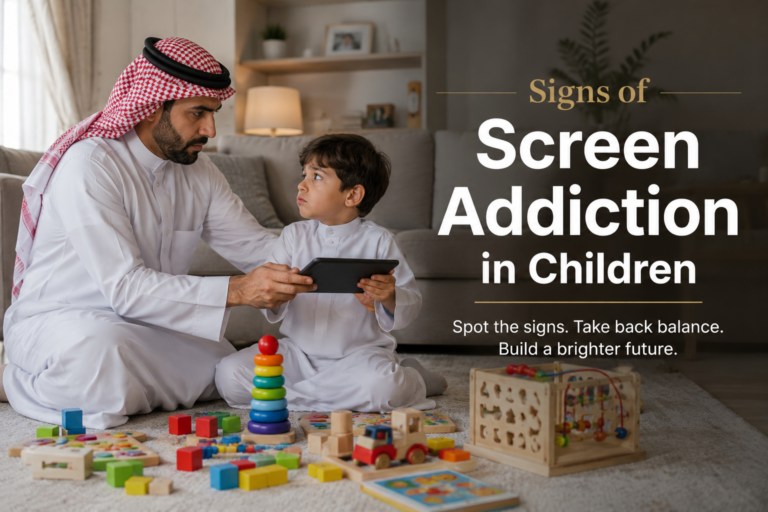
5. Toys That Reduce Screen Time
When kids already have mountains of toys, the goal shifts from quantity to quality. Toys that promote problem-solving, storytelling, and physical activity help reduce screen dependency.
This thoughtful approach guarantees you’re choosing the best toys for kids rather than just adding to the pile.
Smart Toy Categories for Kids Who Already Have Plenty
1. STEM and Learning Kits
STEM toys are an excellent choice for kids who already have plenty of traditional toys because they introduce real-world problem-solving and hands-on learning in a fun, engaging way. These sets go beyond ordinary play by offering challenges that stimulate curiosity and deeper thinking.
Instead of piling up in toy bins, they become long-term learning tools that children return to again and again. Whether it’s coding robots that teach logic, magnet-building sets that explore structure, electric circuit kits that show how power flows, microscope sets that unlock the microscopic world, or engineering and architecture kits that encourage design skills, these toys provide meaningful educational experiences.
2. Open-Ended Play Toys
Open-ended toys are another amazing option because they never lose their charm, no matter how many other toys a child owns. Unlike action figures, dolls, or cars that often limit play to a specific storyline, open-ended toys adapt to any imagination or theme the child creates.
Items such as wooden blocks, loose natural parts like stones or shells, play silks, magnetic tiles, and sensory materials like clay or kinetic sand allow children to build, pretend, explore textures, and reinvent new scenarios each day. They don’t dictate how kids should play but instead give them the freedom to take charge of their own creativity. This flexibility and long-lasting appeal make open-ended materials some of the best toys for kids, especially in homes overflowing with more structured toys.
3. Arts and Crafts Tools
Arts and crafts tools are incredibly valuable for kids who already have a lot of toys, mainly because they don’t contribute to clutter the way permanent plastic toys do. Craft supplies get used up over time, providing creative expression without adding long-term storage needs. These tools help children explore their artistic abilities and develop fine motor skills, patience, and confidence through hands-on creativity.
From drawing and painting sets to DIY jewelry kits, clay sculpting materials, woodcraft or model-building supplies, and even beginner sewing or knitting kits, these activities offer enriching experiences that continue to benefit children long after the materials are used. They serve as a productive and imaginative break from standard toys and are a wonderful option for thoughtful gifting.
4. Outdoor and Physical Activity Gear
Outdoor toys are especially valuable for children who already have plenty of indoor items because they encourage physical movement, exploration, and fresh-air adventures. Kids can only do so much with indoor toys before they start feeling restless, and outdoor play balances their routine by supporting motor skills, coordination, and emotional well-being.
Items like scooters, balance bikes, sports gear such as basketball or soccer sets, kid-friendly gardening tools, water play accessories, and adventure-themed equipment like binoculars, compasses, or nature guides offer exciting new ways to interact with the world. These toys turn playtime into an active experience and often become favorites because they offer freedom and discovery rather than more shelf clutter. This makes outdoor gear some of the best toys for kids who need variety beyond indoor play.
5. Experience-Based Toys
Experience-based toys are perfect for kids who already have too much stuff because they focus on creating memories rather than adding more objects to the house. These toys turn play into an interactive activity that brings families together. Science experiment kits, baking sets, monthly subscription boxes filled with creative projects, puzzle books, and escape-room-style games all offer hands-on learning and collaboration.
Instead of becoming forgotten items at the back of a closet, these experience-based toys provide valuable moments of discovery, excitement, and bonding. They stimulate curiosity, spark meaningful conversations, and help children learn through doing, making them much more enriching than yet another stuffed animal or figurine.
How to Choose a Toy Without Adding Clutter
When selecting a new toy for a child who already owns dozens, keep these principles in mind:
1. Think Function, Not Flash
A toy doesn’t need bright lights or a catchy slogan to be valuable. Sometimes the simplest items win, like a high-quality puzzle or an advanced craft kit. These toys don’t just entertain; they make kids think.
2. Choose Quality Over Quantity
One durable, versatile toy is better than five cheap ones. Well-made toys last longer, feel better, and encourage more thoughtful play.
3. Avoid Single-Use Toys
If a toy only does one thing, it’s likely to be forgotten quickly. Multi-use toys stay relevant longer.
4. Add Toys That Build Skills
A child may already have everything, but do they have toys that teach patience? Creativity? Dexterity? Problem-solving? Confidence? Those are the toys worth adding.
5. Buy Toys That Make Kids Active Participants
If the toy does all the work, kids will lose interest fast. Toys that require building, mixing, designing, or thinking last far longer.
This mindset ensures you’re genuinely picking the best toys for kids instead of contributing to clutter.
Ages 3–5: Curiosity-driven Toys
Preschoolers thrive on exploration and imagination. They already have plenty of simple toys, so aim for items that let them create or experiment.
Great options include:
- Sensory boxes
- Simple science sets
- Interactive story-building toys
- Puppet-making kits
- Magnetic building tiles
These toys promote early creativity and cognitive development while keeping kids entertained for hours.
Ages 6–9: Skill-building Toys
Kids in this range outgrow basic toys and crave challenge. They are ready to try real skills like science, crafting, robotics, and sports.
Smart choices include:
- Craft kits
- Kids’ microscopes
- Beginner robotics
- Puzzle challenges
- Outdoor adventure kits
These toys become the best toys for kids in this age group because they build confidence and independence.
Ages 10+: Toys for Growing Minds
Older kids may have plenty of gadgets and games, but they often need toys that inspire deeper creativity and problem-solving.
Ideal toys include:
- Engineering sets
- 3D puzzles
- Advanced art supplies
- Strategy board games
- Coding projects
These toys keep older kids engaged without relying on screens or repetitive toys.
Choosing Toys Based on Personality, Not Quantity
Instead of thinking about what kids already have, think about who they are.
- Some kids are builders.
- Some are artists.
- Some are explorers.
- Some love challenges.
Match the toy to the child’s personality and interests, not to the toys they already own. You’ll be surprised how often the right toy becomes a favorite even in a crowded playroom.
This child-centered approach ensures you’re picking the best toys for kids, not just another addition to the toy shelf.
Final Thoughts: Choose Toys That Add Value, Not Clutter
When kids already have an abundance of toys, adding more isn’t always the solution. What truly matters is choosing toys that bring value into their lives rather than filling shelves or storage bins. Toys that teach something meaningful, help children build new skills, or inspire creativity tend to stay relevant far longer than flashy or trendy items. These thoughtful choices become tools for growth rather than temporary distractions.
Parents can also focus on toys that provide memorable experiences, whether it’s through hands-on activities, outdoor adventures, or projects that spark curiosity. Experience-driven toys often create moments of connection and learning that children remember years later.
Ultimately, the best toys for kids aren’t the ones that take up space; they’re the ones that ignite imagination, encourage exploration, and bring joy again and again. By prioritizing quality, creativity, and educational value, you can give your child something truly meaningful, even if it feels like they already have everything.