Every parent has seen it; the moment a child picks up a toy and suddenly becomes fully absorbed in a world of imagination. But what many parents don’t realise is that this moment of play is more than entertainment; it’s actually the foundation of learning. According to child development experts, toys play a powerful role in shaping a child’s cognitive growth, emotional expression, physical coordination, and even future problem-solving abilities. Toys are not just objects; they are tools that help Child Development understand the world and discover their potential.
In fact, research repeatedly highlights that the right toys can stimulate creativity, expand vocabulary, strengthen attention span, and improve social interactions. That’s why at GRAFLO TOYS, we believe choosing the right toy means choosing the right direction for your child’s development. But with so many products available today, from traditional toys to tech-based gadgets, how do you understand which toys truly support Child Development? Let’s explore what leading psychologists, educators, and play experts say.
Why Toys Are Essential for Child Development
Experts agree that toys are more than playthings. They help build the brain’s architecture by encouraging exploration, curiosity, and hands-on learning. When children engage with toys, they aren’t just passing time; they’re practising skills they will rely on for life. Every block stacked, puzzle solved, and doll dressed contributes to developmental growth.
Toys create opportunities for children to express themselves freely, make decisions, understand cause and effect, and develop independence. For many children, toys are their first experience of exploring different roles, testing ideas, and shaping their understanding of the world.
How Toys Influence Cognitive Development
Cognitive development refers to thinking, learning, reasoning, and problem-solving. Toys that challenge the mind help children connect concepts and understand how things work.
Examples of toys that boost cognitive learning:
- Puzzles
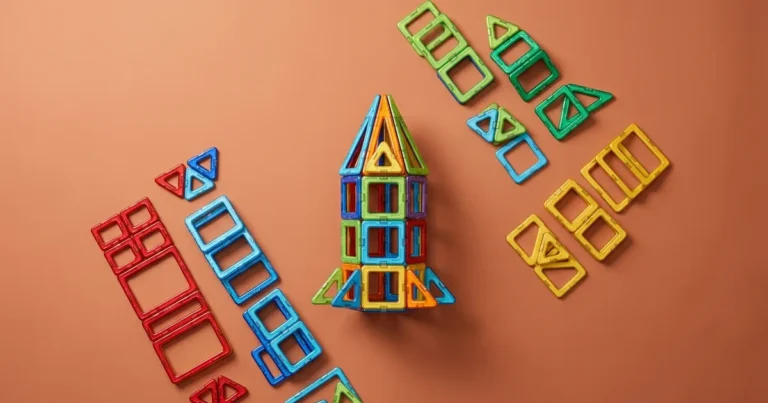
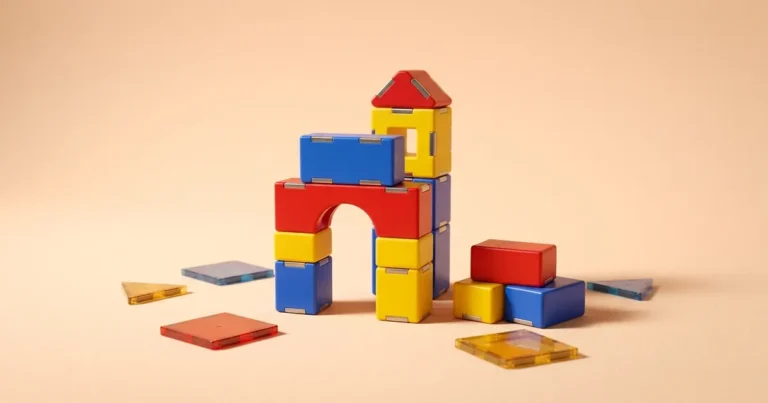
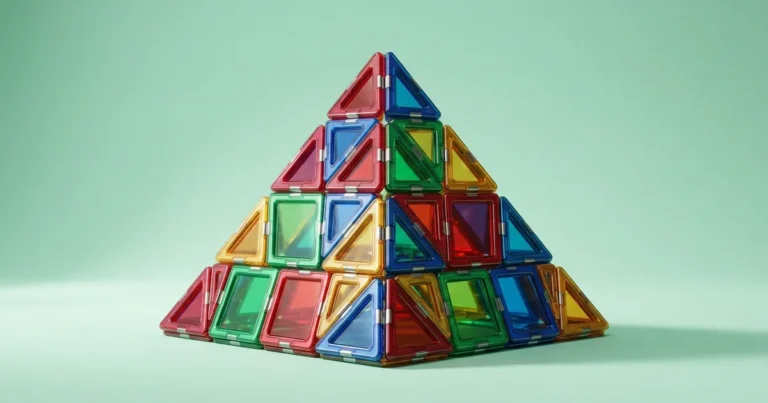
- Building sets
- STEM kits
- Matching or sorting games
- Educational boards and logic toys
These toys improve attention span, memory, and logical thinking. When a child builds, sorts, or solves something, they are strengthening their mental structure for future academic success.
Toys and Emotional Development
Toys allow children to explore emotions in a safe, imaginative space. Experts explain that role-play toys, dolls, plushies, and action figures help children express, process, and understand feelings.
Emotional benefits of toys:
- Encourage empathy and kindness
- Build confidence through achievement
- Help children act out real-life scenarios
- Provide emotional comfort and security
A child who comforts their doll or imagines a story is practising emotional intelligence without even knowing it.
Social Development Through Play
Toys create opportunities for social interaction, whether between siblings, friends, or parents.
Through toys, children learn essential social skills:
- Sharing and taking turns
- Communicating clearly
- Working in groups
- Handling disagreements
- Understanding others’ perspectives
Board games, pretend-play sets, and team-building toys are especially effective for social growth.
Physical Development and Motor Skills
Physical development includes both fine and gross motor skills. Toys encourage movement, coordination, and physical awareness.
Toys that support physical growth:
- Ride-on toys and sports sets
- Stacking toys and blocks
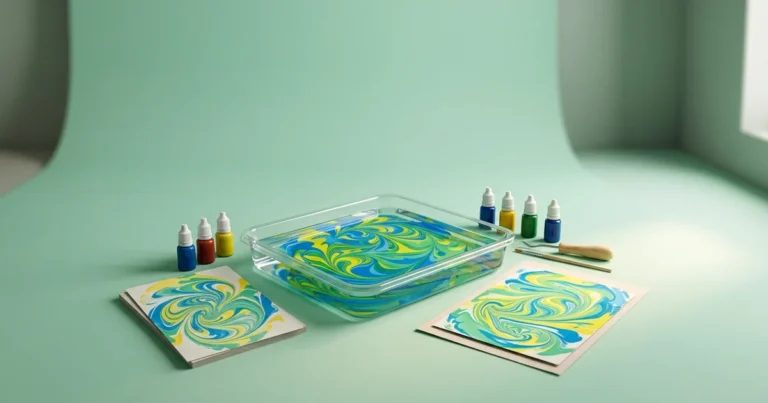
- Drawing tools and craft kits
- Musical instruments
- Push-and-pull toys
These strengthen muscles, balance, and hand-eye coordination, skills needed for writing, sports, and everyday tasks.
Toys and Language Development
Experts say language development thrives when children engage in interactive play. Toys spark conversations, storytelling, and imagination.
Toys that support language include:
- Storybooks
- Puppets
- Pretend-play kits
- Talking or interactive toys
- Flashcards and learning boards
When children explain what they’re doing or narrate play scenarios, their vocabulary grows naturally.
The Role of Educational Toys in Child Development
Educational toys are intentionally designed to teach skills while keeping play fun and engaging.
Educational toys often teach:
- Early math and science concepts
- Creativity and design
- Problem-solving
- Logic, sequencing, and critical thinking
- Basic engineering and coding
At GRAFLO TOYS, we focus on toys that combine fun with learning value. Parents can find similar expert-approved toys on Noon and Amazon, where quality educational toys are widely reviewed.
Choosing the Right Toys for Each Stage of Development
Infants (0–1 years)
- Sensory toys
- Soft toys
- Rattles and high-contrast items
These help stimulate early sensory recognition.
Toddlers (1–3 years)
- Blocks
- Push toys
- Basic puzzles
These support curiosity, coordination, and motor skills.
Preschoolers (3–5 years)
- Pretend-play sets
- Building toys
- Creative art tools
These boost imagination and early learning.
School-Age Children (5+ years)
- STEM kits
- Robotics
- Strategy games
These develop advanced cognitive and problem-solving skills.
How Play Experts Describe the Power of Toys
According to child psychologists and play researchers, toys give children a safe space to explore ideas and emotions. They help children understand their world, cope with challenges, and develop essential life skills. Experts often describe toys as “the first teachers” because they shape early habits, thinking patterns, and curiosity. Play is not a break from learning; it is learning. And toys are the tools that make that learning possible.
Conclusion
Toys shape every part of Child Development, from cognitive growth to emotional strength, social skills, physical coordination, and language expression. When chosen thoughtfully, toys become powerful learning tools that help children build confidence, creativity, and resilience. At GRAFLO TOYS, we believe that each toy should contribute meaningfully to a child’s growth, not just fill shelves.
FAQs
Q1. How do toys influence child development?
Ans: Toys support learning by improving cognitive skills, emotional understanding, physical coordination, social interaction, and language development.
Q2. What type of toys help with brain development?
Ans: Puzzles, building sets, STEM toys, and creative kits strengthen memory, problem-solving, and logical thinking.
Q3. Are educational toys better than traditional toys?
Ans: Both have value. Educational toys focus on learning, while traditional toys support imagination, emotional growth, and creativity.
Q4. How do toys help develop social skills?
Ans: Group-play toys teach sharing, communication, turn-taking, and teamwork, core social development skills.
Q5. Can toys improve language skills?
Ans: Yes. Toys that involve storytelling, pretend-play, or verbal interaction help children expand vocabulary and strengthen communication.