

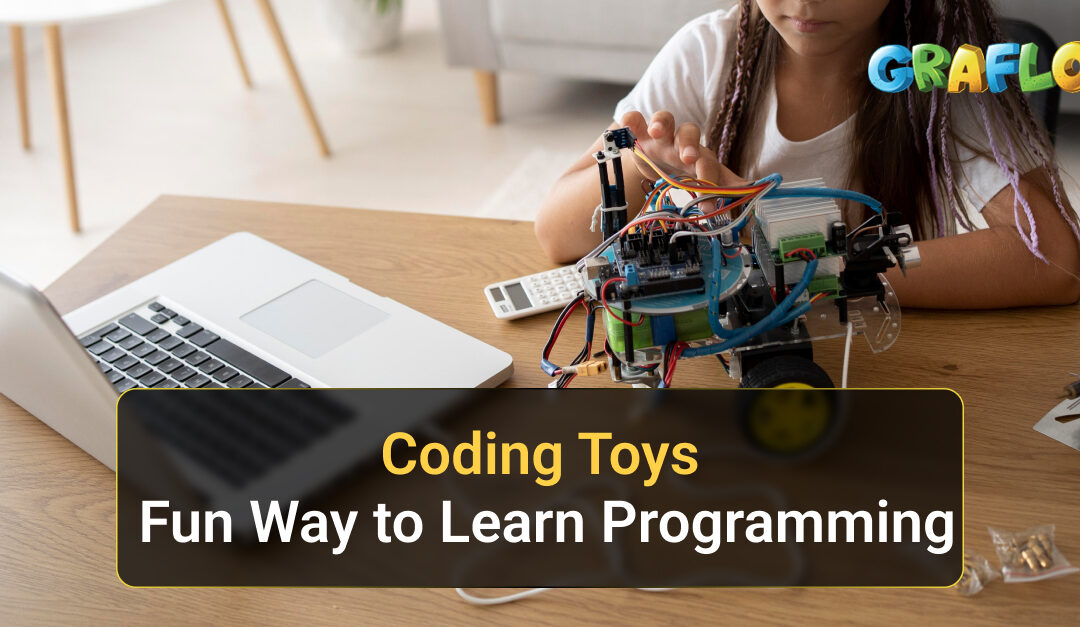
In a world where technology shapes nearly every aspect of our lives, learning to code is no longer reserved for computer scientists or engineers. Today, children as young as five are being introduced to programming in creative and playful ways, and coding toys are leading this revolution. These educational playthings blend fun and logic, allowing kids to explore complex problem-solving concepts through simple, hands-on experiences.
Instead of staring at a screen filled with syntax errors, kids can use colorful robots, interactive blocks, and app-based puzzles to bring their ideas to life. The result? Learning feels like play, and play becomes a powerful foundation for lifelong tech skills.
Why Coding Skills Matter Early
Coding isn’t just about typing commands or building apps; it’s about learning how to think. When children engage with programming early, they develop what educators call “computational thinking.” This means they learn to break down problems, spot patterns, and develop logical solutions, skills that go far beyond technology.
For instance, when a child programs a small robot to follow a path, they’re not only learning commands, they’re understanding cause and effect, sequencing, and patience. These lessons naturally carry into their studies, hobbies, and even future careers.
In today’s digital landscape, where automation, AI, and robotics are transforming industries, understanding how technology works gives kids an incredible advantage. By engaging with coding toys, children can start learning programming fundamentals in an interactive and stress-free way.
How Coding Toys Work
At their core, coding kits are designed to introduce basic programming principles in a physical or visual format. Instead of writing lines of code, children might use drag-and-drop interfaces, tactile pieces, or guided activities that teach similar logic structures like loops, conditions, and sequences.
For example:
- Robot-based toys allow children to program physical robots using an app or remote. Kids input commands, and the robot responds with actions like moving forward, turning, or even dancing.
- Block or puzzle coding kits use tangible blocks or cards that represent specific actions. Kids arrange these blocks to “build” a program, teaching the same logic structure found in real programming.
- App-integrated games combine storylines and coding tasks, motivating kids to solve puzzles by using code to move characters or complete missions.
This tactile and visual approach demystifies programming and helps children understand that code is just another way to tell something what to do, much like giving directions in real life.
The Psychology Behind Learning Through Play
Children learn best when they’re engaged, curious, and emotionally connected to the activity. Play offers this perfect learning environment. When coding becomes a game rather than a subject, kids develop persistence and confidence without even realizing it.
Play-based learning also triggers dopamine release in the brain, the “feel-good” chemical that reinforces memory and motivation. This means when a child successfully codes a robot to reach its target, their brain rewards them, making them eager to learn more.
In addition, playing with coding toys encourages trial and error, a key aspect of real-world programming. Mistakes become opportunities for discovery rather than frustration. Over time, this builds resilience and problem-solving skills that can help in academics and life.
Best Coding Kits for Different Age Groups
Not all coding toys are the same; some are perfect for preschoolers, while others are tailored for older children who can handle more complex challenges. Choosing the right one ensures your child stays engaged and grows at their own pace.
For Ages 5–7:
- Fisher-Price Code-a-Pillar: A great starter toy that uses colorful segments representing commands. Kids connect pieces to make the caterpillar move in different directions, teaching sequencing.
- Graflo Smart Coding Blocks: These tactile blocks from Graflo Toys introduce young learners to simple algorithms through hands-on play.
For Ages 8–10:
- LEGO Boost Creative Toolbox: Combines the fun of building with the challenge of coding. Kids build robots and then program them through an app.
- Sphero Mini Robot Ball: A small but powerful robot that responds to app-based coding. It teaches basic to intermediate coding concepts in a fun and mobile way.
For Ages 11+ and Teens:
- Arduino Starter Kit: Ideal for older children ready to dive deeper into real coding and electronics.
- Raspberry Pi Kits: For those ready to explore programming languages and build actual tech projects, from mini games to robots.
These toys not only make learning engaging but also prepare children for future tech education and potential careers in STEM.
The Benefits of Coding Kits
The value of coding toys goes far beyond just teaching programming. They nurture a range of cognitive, social, and emotional skills that are vital for modern learners.
Here are a few major benefits:
- Enhances Problem-Solving: Kids learn to identify challenges, test solutions, and refine their approach.
- Encourages Creativity: Many toys allow open-ended play, so kids can experiment and innovate freely.
- Builds Logical Thinking: Coding naturally teaches logic and reasoning, essential for STEM subjects.
- Boosts Confidence: Seeing their code “work” reinforces a sense of accomplishment and capability.
- Improves Teamwork: Some toys promote collaboration, where kids work together to solve coding challenges.
By incorporating these learning benefits into daily play, parents can transform screen time into skill-building time.
Screen-Free Coding Options
Not every child enjoys staring at a tablet or computer for long periods, and that’s perfectly fine. Many innovative companies now offer screen-free coding toys that rely on physical cards, tiles, or motion sensors to teach coding logic.
For example, toys like Cubetto or Matatalab let kids input commands through blocks rather than typing on a screen. This hands-on interaction makes coding feel more like building a puzzle than using a computer, which is especially beneficial for younger children.
These screen-free toys promote focus, reduce eye strain, and keep the learning experience tactile, a great balance between technology and physical play.
How Parents Can Encourage Coding at Home
You don’t have to be a programmer to help your child learn coding. Small actions can spark big interest. Here’s how parents can make coding part of everyday playtime:
- Create a dedicated learning space. Set up a small area with your child’s toys, tablet, or kit to make coding a consistent activity.
- Join in the play. Learning together builds motivation and creates shared excitement.
- Encourage creativity. Ask open-ended questions like, “What would happen if we made the robot spin twice instead of once?”
- Celebrate progress, not perfection. Praise your child for effort and problem-solving, not just the final result.
- Use real-world examples. Point out how coding powers daily technology, from elevators to smart TVs, to make learning relatable.
By turning coding into a family activity, parents can strengthen bonds while nurturing critical thinking and curiosity.
From Toys to Real Tech Skills
What starts as a fun game can turn into genuine technical expertise. Many children who begin with coding kits later transition to platforms like Scratch, Python, or JavaScript as they get older. The logic and problem-solving skills learned through play make the shift to real code much smoother.
Moreover, coding helps kids become creators instead of just consumers of technology. Instead of merely playing games, they can learn to build them, a transformative experience that boosts confidence and imagination.
Final Thoughts
In today’s fast-paced digital age, coding isn’t just a skill; it’s a new kind of literacy. By introducing coding toys at an early age, parents and educators can make programming approachable, engaging, and deeply rewarding.
These toys transform abstract coding concepts into tangible fun, helping children develop essential life skills like logic, creativity, and resilience, all while having an amazing time. Whether your child dreams of becoming a software engineer or just loves puzzles, coding through play is one of the best gifts you can give them.
So next time you’re looking for an educational toy that truly delivers value, think beyond the usual blocks and dolls, and explore the fascinating world of coding through play.