

Imagine a world where your child’s playtime isn’t just fun, it’s a building block for their future skills. In 2026, educational toys are more than bright blocks or puzzles: they’re thoughtfully designed tools that shape early childhood development in remarkable ways. With more parents globally embracing smart playtime, toys from trusted names like GRAFLO TOYS are turning playrooms into dynamic learning spaces.
In this article, we’ll explore why educational toys matter more than ever. From boosting cognitive skills to supporting emotional growth, these toys are changing how children learn, grow, and imagine.
Why 2026 Is a Unique Time for Educational Toys
The year 2026 stands out for early childhood learning, and not by accident. Several global trends make educational toys particularly impactful today:
- Increased Awareness: Parents and educators now better understand the importance of play-based learning in early years. With research emphasising brain plasticity in children under seven, demand for toys that do more than entertain has spiked.
- Advanced Design: Toy makers, including innovators at GRAFLO TOYS, are using child development science to design products that match cognitive, emotional, and motor milestones.
- Hybrid Play Models: In response to growing screen time concerns, there’s a renewed push for analog or semi-digital toys, offering hands-on engagement while still incorporating interactive features.
- Sustainability & Ethics Awareness: Today’s parents often look for eco-friendly, non-toxic, and ethically produced toys. This shapes how educational toys are manufactured, packaged, and marketed.
Because of these shifts, 2026 is a milestone year, where educational toys are not just nice-to-haves but vital tools for early childhood growth.
What Makes a Toy “Educational”?
Not every toy qualifies as “educational.” So, what sets educational toys apart? Here are some defining traits:
- Purposeful Design: The toy has a clear learning or developmental objective, e.g., teaching shapes, colors, letters, or motor coordination.
- Skill‑Building Focus: It encourages problem-solving, creativity, or social interaction, rather than passive entertainment.
- Age-Appropriate Challenge: It’s neither too easy (which becomes boring) nor too complex (which can frustrate a child). The best educational toys grow with the child.
- Safe & Durable Materials: Especially important for toddlers who may mouth or throw toys. Safety ensures uninterrupted learning.
- Engaging & Open‑Ended Play: Toys that allow multiple ways to play spark curiosity and imagination.
Cognitive Development: The Role of Educational Toys
One of the biggest benefits of educational toys is how they support cognitive development. Children absorb so much during their early years, and the right toys help shape foundational thinking skills.
Enhancing Problem-Solving & Logical Thinking: Puzzles, stacking blocks, shape-sorters; these classic toys push kids to think, test, and try again. Every attempt builds neural connections. Over time, this enhances memory, attention span, and reasoning.
Encouraging Cause & Effect Understanding: Toys that respond, like a block tower that falls when disturbed or a toy that lights up when pressed, teach kids that actions have consequences. That’s a foundational cognitive concept kids will use throughout life.
Building Pattern Recognition and Early Maths Skills: From counting beads to sorting shapes, many educational toys introduce math basics. Children begin to observe patterns, classify objects, and even grasp the basics of quantities and sequencing.
Language and Communication Skills Boosted by Toys
Educational toys play a strong role in early language development. Here’s how:
- Talking & Labeling: Toys with pictures, letters, or animal shapes encourage kids to name objects. Caregivers can join in, prompting vocabulary building.
- Storytelling & Role‑Play: Dolls, figurines, or playsets spark imaginative stories. When children speak for their toys, they’re practicing narrative skills, imagining scenarios, and building expressive language.
- Listening & Following Instructions: Some toys involve games or instructions, helping kids learn listening skills, comprehension, and the concept of following rules.
Emotional and Social Growth Through Play
Play isn’t just about thinking; it’s about feeling, sharing, and growing socially. Educational toys can nurture that, too.
Learning Empathy and Cooperation: When kids play together or with caregivers, they learn sharing, turn-taking, and cooperation. Dolls or action figures help them explore emotions, empathy, and social roles.
Building Confidence & Independence: Mastering a puzzle, finishing a simple build, or creating a pattern, small wins through toys boost self‑esteem and autonomy.
Regulating Emotions & Expressing Feelings: Role‑play toys can help kids act out feelings: happy, sad, angry, or excited. This supports emotional awareness and encourages healthy expression.
Physical and Motor Skills: Beyond Screen Time
In a world saturated by screens, educational toys invite kids to move, feel, and interact hands‑on. That matters a lot.
- Fine Motor Skills: Grasping blocks, turning knobs, and placing pegs; these actions build dexterity, coordination, and hand‑eye coordination.
- Gross Motor Development: Larger toys like ride-ons, building mats, or soft play sets encourage crawling, climbing, and balancing, all essential for physical development.
- Sensory Development: Textured toys, toys with sound or lights, puzzles with tactile pieces, these stimulate sensory awareness (touch, sight, sound), helping children interpret and respond to their surroundings.
Imagination and Creativity: The Unseen Benefits
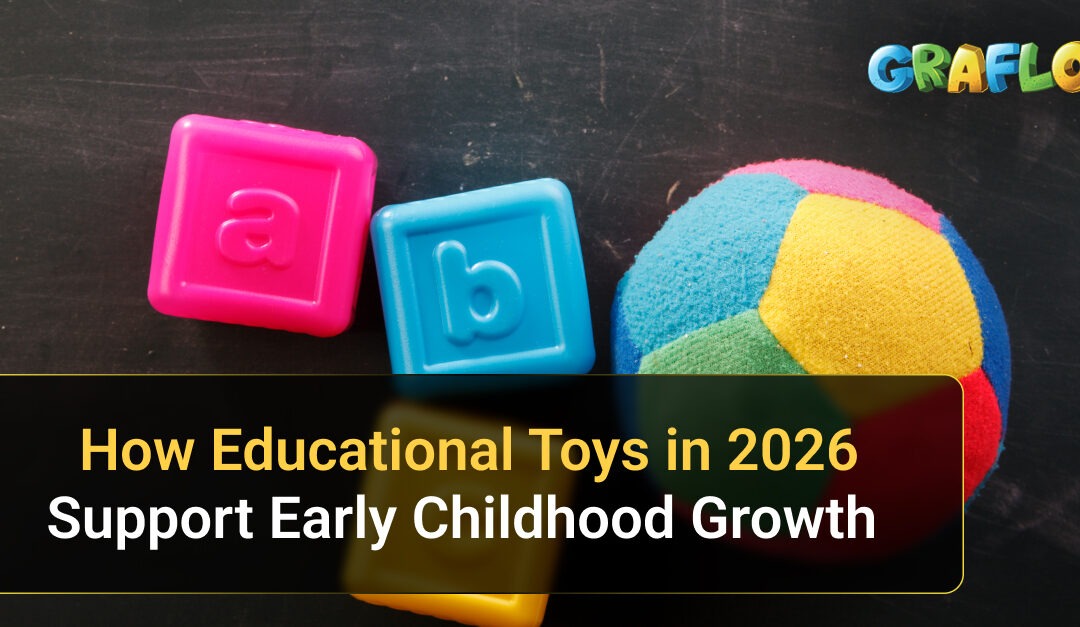
While many educational toys help build concrete skills, others spark something less measurable but equally important: creativity. Think of building blocks that can turn into castles, cars, or pets, depending on a child’s vision. Playsets that encourage storytelling, pretend‑play kitchens, or art sets that invite free expression.
This kind of open-ended play:
- Encourages imaginative thinking.
- Teaches flexibility; there isn’t a “right” way to play.
- Builds confidence in expressing ideas.
For long-term development, these benefits prime children for problem-solving, innovation, and creative thinking later in life.
Choosing the Right Educational Toys for Age Groups (0–2, 3–5, 6–8)
Because needs change as children grow, selecting age‑appropriate educational toys is vital.
| Age Group | Key Developmental Needs | Recommended Toy Types |
| 0–2 years | Sensory exploration, cause-and-effect, motor skills | Soft blocks, shape sorters, rattles, textured toys, push/pull toys |
| 3–5 years | Fine motor, early cognitive concepts, social play | Simple puzzles, building blocks, art sets, play kitchens, stacking toys |
| 6–8 years | More complex thinking, creativity, and early academics | Board games, advanced puzzles, science kits, storytelling toys, and educational building sets |
How Parents & Caregivers Can Maximise Toy Benefits
Buying smart toys is only half the job. How kids use them matters too. Here’s how parents can boost the benefit:
- Join in the Play: Every so often, sit and play with your child. Talk, ask questions, model problem-solving.
- Rotate Toys Periodically: Don’t give all toys at once. Rotating them keeps novelty high and encourages different types of learning.
- Encourage Open‑Ended Play: Avoid over-instructing. Let children explore, experiment, and even “fail”; failure is itself a lesson.
- Observe and Adapt: Notice which toys your child gravitates toward. If a toy becomes too easy, move to a slightly harder one.
- Balance Active, Quiet, Solo & Group Play: Mix it up; some toys for independent play, some for interactive play with siblings or parents.
By staying involved, you turn simple playtime into powerful learning sessions.
Safety, Sustainability, and Ethics in the 2026 Toys Market
As educational toys boom, so do quality standards, especially around safety and sustainability. Here’s what to look for:
- Non‑Toxic Materials: Plastics free from harmful chemicals, paints labeled safe for kids, and no choking hazards.
- Ethical Sourcing & Fair Labor: Many responsible toy brands now highlight ethical manufacturing. GRAFLO TOYS, for instance, emphasizes eco-friendly materials and fair‑trade practices.
- Durability & Longevity: A well-made toy withstands multiple children and years of play, reducing waste.
- Eco‑Friendly Packaging: Minimal, recyclable packaging is a trend many families now prioritize.
When you choose carefully, you’re not only supporting your child’s development — you’re supporting better industry practices.
The Digital‑Analog Balance: Toy Trends in 2026
While digital apps and tablets have their place, experts increasingly caution against excessive screen time for young children. Educational toys offer a balanced alternative, especially when designed with hybrid features.
- Analog with a Twist: Some toys combine physical pieces with companion apps (for example, interactive building sets that light up or play sounds).
- Offline Learning & Focus: Toys that require physical manipulation encourage concentration, patience, and real-world interaction.
- Healthy Breaks from Screens: Alternating screen time with tangible play helps prevent overstimulation and promotes healthier sleep patterns.
In 2026, many parents opt for hybrid or purely analog toys to foster focused, hands‑on learning and give kids a break from digital overload.
Real-Life Examples: Top Picks from GRAFLO TOYS and Trends on Noon & Amazon
Shopping for quality educational toys in 2026 is easier than ever, thanks to trusted brands like GRAFLO TOYS and major online platforms like Noon or Amazon.
For example:
- A wooden shape‑sorting block set from GRAFLO TOYS helps toddlers explore shapes and colors, boosting spatial and cognitive awareness.
- A construction set geared toward ages 5–7 encourages creativity, problem-solving, and motor skills.
- A storytelling playset fosters language development and social skills, especially when kids play with siblings or friends.
When browsing on Noon or Amazon, you’ll find many such toys with detailed age and skill-level labels. Just be sure to read reviews and check material safety information before buying.
Monitoring Development & Knowing When to Swap Toys
As children grow fast, what worked last month might become boring today. Monitoring development helps you know when to upgrade toys:
- Watch for mastery: If your child solves puzzles too quickly or ignores toys, it might be time for more challenging options.
- Look for shifting interests: Kids might show interest in creative play (like drawing) or more active play (like building forts).
- Encourage new skills: Introduce toys that encourage collaboration, creativity, or new motor skills, even if your child isn’t asking for them.
- Ensure safety & suitability: As children grow, ensure toys remain safe and size-appropriate.
Conclusion
Investing in educational toys in 2026 is more than a trend; it’s a meaningful step toward enriching early childhood growth. From building cognitive, language, and motor skills to sparking imagination and emotional awareness, these toys shape who children become.
Brands like GRAFLO TOYS and global marketplaces such as Noon and Amazon make it easier than ever to choose safe, age-appropriate, development-focused toys. When you pair smart toy choices with thoughtful play and parental involvement, you set the stage for lasting learning, confidence, and creativity. So next time you shop for toys, remember: you’re not just buying fun, you’re laying building blocks for a brighter future.
FAQs
Q1: How often should I rotate toys?
A: Every 2–3 months or when your child loses interest.
Q2: Are expensive toys always better?
A: No. Age-appropriate and safe toys matter more than price.
Q3: Can digital toys be educational?
A: Yes, but physical toys build motor and social skills better.
Q4: How do I ensure toy safety?
A: Check age labels, certifications, and non-toxic materials.
Q5: What if my child ignores educational toys?
A: Join playtime, offer options, and let them explore naturally.