


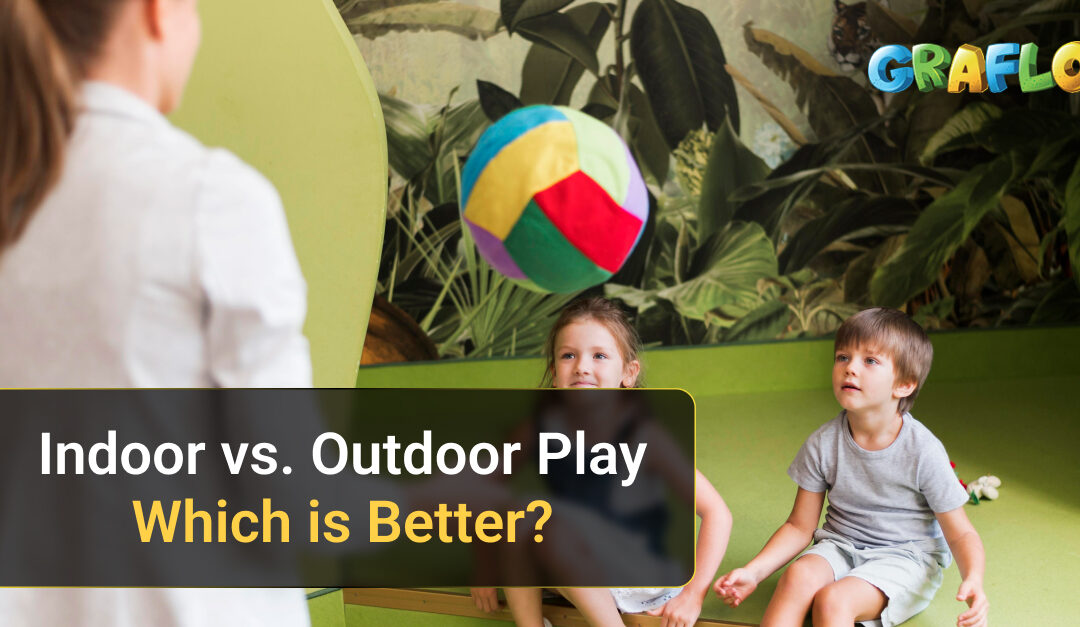
In the ever-evolving world of parenting, education, and child development, one debate continues to spark conversations: indoor vs outdoor play. Both offer unique benefits and opportunities for growth, but the question remains: which one is better for children’s overall development? To answer this, we need to look deeper into how each type of play shapes physical health, emotional well-being, creativity, and social skills.
While technology has transformed the way children spend their time, striking a balance between structured indoor and outdoor play is essential. Each has its own merits, and the key lies not in choosing one over the other but in understanding how they complement each other.
The Changing Landscape: Indoor vs Outdoor Play
In past generations, children spent most of their free time outside, riding bikes, climbing trees, or playing neighborhood games until dusk. Today, with urbanization, safety concerns, and the rise of digital entertainment, playtime often shifts indoors. Modern homes are equipped with toys, games, and learning resources that make indoor play more versatile and convenient. However, this shift also raises questions about what children may be missing out on when outdoor experiences are limited.
Understanding this evolution helps parents and educators make informed choices about how to nurture well-rounded children in an increasingly digital world.
The Benefits of Indoor Play
In indoor vs outdoor play, Indoor play provides a controlled and comfortable environment for children to explore, learn, and express themselves creatively. It’s particularly beneficial in areas with harsh weather conditions, limited outdoor space, or safety concerns.
1. Safety and Supervision
Indoor play allows for close supervision, especially for younger children. Parents can easily monitor their child’s activities and ensure a secure play environment without worrying about traffic, strangers, or injuries that might occur outdoors.
2. Cognitive and Creative Development
Indoor play encourages activities like building with blocks, drawing, solving puzzles, and imaginative role-play, all of which stimulate cognitive development and creativity. Children can construct entire worlds using their imagination, whether they’re playing house, pretending to be astronauts, or creating art masterpieces.
3. Access to Educational Resources
With the rise of educational toys and digital learning tools, indoor play has become a gateway to learning. From interactive storybooks to STEM kits, children can engage in activities that enhance their problem-solving and critical-thinking skills.
4. Weather-Proof Play
Rain, snow, or scorching heat don’t stop children from having fun indoors. The consistency of indoor play ensures that children have a safe and enjoyable environment year-round, making it a reliable form of recreation and development.
However, while indoor activities offer great intellectual and creative benefits, they may lack the physical stimulation and exposure to nature that outdoor play provides.
The Benefits of Outdoor Play
In indoor vs outdoor play, the outdoor play offers experiences that simply can’t be replicated indoors. It connects children with nature, encourages physical activity, and supports emotional well-being.
1. Physical Health and Motor Skills
Running, jumping, climbing, and playing sports all contribute to a child’s physical health. Outdoor environments allow children to engage their large muscle groups, improving balance, coordination, and strength. It also promotes cardiovascular health and reduces the risk of obesity.
2. Sensory and Emotional Development
Outdoor play engages all five senses: feeling the texture of grass, hearing birds, seeing vibrant colors, and smelling fresh air. This sensory stimulation fosters curiosity and mindfulness. Being outdoors also has a calming effect, reducing stress and anxiety levels in children.
3. Social Interaction and Teamwork
Outdoor play naturally involves more group activities. Whether it’s a game of soccer, tag, or hide-and-seek, children learn teamwork, sharing, and conflict resolution. These experiences teach social norms and help build empathy and cooperation.
4. Connection to Nature and Independence
Exploring the outdoors instills a sense of independence and adventure. Children learn to navigate spaces, assess risks, and develop problem-solving skills. It also nurtures a lifelong appreciation for nature and the environment.
While outdoor play fosters physical and social growth, it may not always be feasible due to weather conditions, safety concerns, or lack of space. That’s where indoor play becomes a practical counterpart.
Comparing Indoor vs Outdoor Play
When comparing indoor vs outdoor play, it’s important to understand that each type nurtures different aspects of a child’s development. Neither is inherently better; rather, they serve complementary roles.
| Aspect | Indoor Play | Outdoor Play |
| Environment | Controlled and safe | Open and natural |
| Physical Activity | Moderate | High |
| Creativity | Structured and imaginative | Explorative and spontaneous |
| Social Interaction | Limited, often with family | Broader, with peers |
| Learning Opportunities | Cognitive and academic | Physical and experiential |
| Accessibility | Always available | Weather- and space-dependent |
This comparison between indoor vs outdoor play highlights the need for balance. While indoor play develops creativity and cognitive skills, outdoor play promotes physical health and emotional balance. Children thrive when they experience both in a healthy mix.
Balancing Indoor and Outdoor Play
The best approach is not to choose sides but to blend the two forms of play to create a holistic developmental experience. Here are ways to achieve that balance:
1. Schedule Both Types of Playtime
Parents can create daily routines that include time for indoor creativity and outdoor exploration. For example, mornings can be spent outdoors biking or playing sports, while afternoons can focus on puzzles, crafts, or reading indoors.
2. Bring the Outdoors Inside
When outdoor play isn’t possible, bring natural elements indoors. Use potted plants, small indoor gardens, or nature-inspired crafts to create a connection with the outside world. Even setting up a play tent or obstacle course indoors can simulate outdoor adventure.
3. Encourage Family Participation
Whether it’s building a LEGO city together or playing a backyard game, parental involvement enriches the play experience. Shared play strengthens family bonds and models positive behavior for children.
4. Limit Screen Time
One challenge of indoor play in modern households is excessive screen exposure. Parents should set limits on digital activities and encourage hands-on play, ensuring children engage their creativity and imagination rather than relying solely on devices.
5. Foster Curiosity in Both Settings
Encourage exploration in every environment. Indoors, this could mean experimenting with art or science kits. Outdoors, it could involve observing insects, identifying plants, or creating a scavenger hunt. Curiosity-driven play fuels learning and engagement.
Psychological and Emotional Impacts
Both indoor and outdoor environments influence emotional development, but in different ways.
- Indoor Play: Creates a sense of comfort and security. It’s ideal for introspective or sensitive children who feel more at ease in familiar spaces.
- Outdoor Play: Promotes freedom and self-expression. The open environment helps children release energy and emotions, fostering confidence and resilience.
When children engage in indoor and outdoor play, they experience a blend of these psychological benefits: security from structured play and liberation from open-ended exploration.
The Role of Schools and Communities
Educational institutions and communities play a vital role in promoting balanced play. Schools should incorporate both indoor learning spaces and outdoor playgrounds to encourage movement and creativity.
Community initiatives like safe parks, playgrounds, and activity centers also make a big difference. When children have access to well-designed indoor facilities and open outdoor spaces, they can explore their interests safely and freely.
The Future of Play: Integrating Technology and Nature
In the digital age, technology has become an inevitable part of play. Virtual reality games, educational apps, and interactive learning tools redefine how children engage with their surroundings. However, the challenge is ensuring technology complements rather than replaces real-world play.
Innovative approaches now merge technology with nature, for instance, outdoor scavenger hunts using augmented reality or indoor virtual gardening games. These hybrid experiences demonstrate how indoor and outdoor play can evolve without sacrificing creativity or connection to the natural world.
Final Thoughts
The debate over indoor vs outdoor play doesn’t have a clear winner because both are essential to a child’s holistic growth. Indoor play nurtures creativity, problem-solving, and emotional safety, while outdoor play builds physical strength, social skills, and a connection with nature.
The goal is not to choose one over the other but to find harmony between the two. When children experience a mix of indoor and outdoor activities, they develop well-rounded skills that prepare them for life’s challenges.
In a world where digital screens often dominate leisure time, giving children opportunities for balanced play, both inside and outside, remains one of the best investments in their future. By embracing both environments, parents and educators can ensure that playtime continues to be a powerful, joyful, and educational part of childhood.