Last updated: August 16, 2026
Choosing the right educational toys for kids in UAE homes is one of the most impactful decisions a parent can make, not just for keeping little hands busy, but for shaping how a child thinks, builds, and relates to the world around them. With so many options on shelves and online stores, from flashy electronic gadgets to simple wooden blocks, it can be genuinely confusing to know what actually helps your child grow. This guide cuts through the noise. We will walk through what makes a toy truly educational, how to match toys to your child’s age and stage, what safety checks matter most for UAE families, and how to build a toy collection at home that supports real developmental milestones without overspending.
Why Educational Toys Matter More Than You Think
Play is not a break from learning, it is how young children learn. Before a child can sit through a lesson or follow written instructions, they are absorbing the world through touch, repetition, and imagination. A well-designed toy quietly teaches cause and effect, spatial reasoning, patience, and problem-solving, all while your child simply thinks they are having fun. This is exactly why pediatric development specialists consistently recommend open-ended, hands-on toys over passive screen-based entertainment.
Cognitive Development
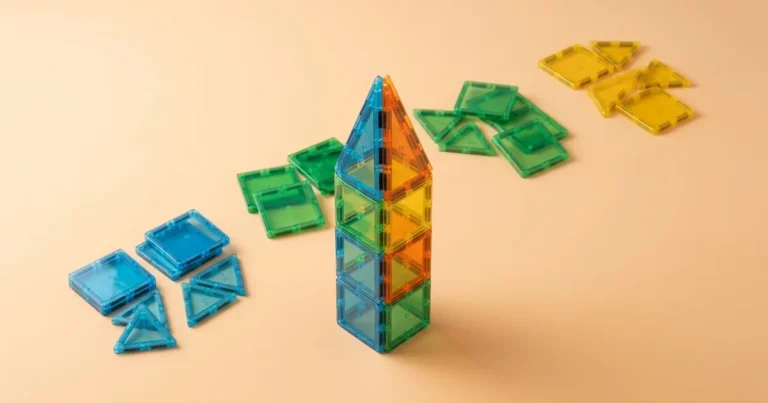
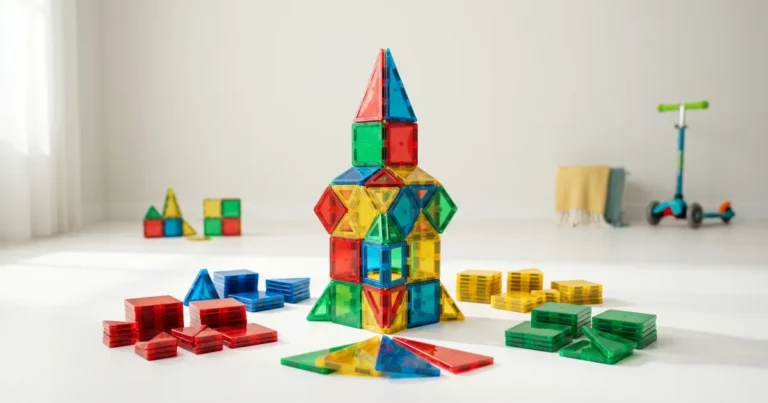
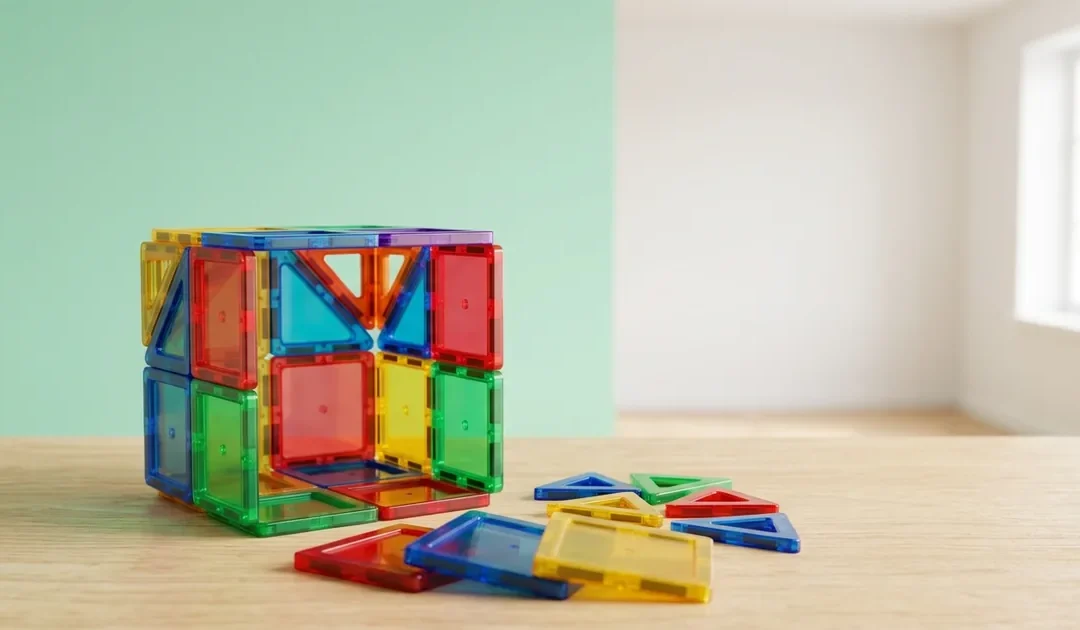
Toys that involve sorting, matching, building, or sequencing help children practice logical thinking long before they enter a classroom. A child stacking magnetic pieces to build a track is unknowingly practicing planning, prediction, and spatial awareness, skills that later support math and reading comprehension.
Fine Motor Skills
Small hands need practice to develop the grip strength and coordination required for writing, buttoning a shirt, or using cutlery. Toys that involve pinching, snapping, threading, or painting all contribute to this quiet but essential physical development. Something as simple as squeezing finger paint onto paper builds hand strength that later translates into confident pencil control.
Social-Emotional Growth
Many educational toys are naturally collaborative. Building a train track together with a sibling, or waiting patiently for a turn during a group activity, teaches sharing, negotiation, and emotional regulation in a low-pressure setting. These moments matter just as much as the academic skills a toy might teach.
How to Choose Educational Toys by Age
The single biggest mistake parents make is choosing a toy based on how impressive it looks rather than what their child’s developmental stage actually needs. Here is a practical breakdown by age group.
Babies and Toddlers (0-2 Years)
At this stage, everything goes into the mouth, so materials and size matter above all else. Look for soft blocks, textured balls, stacking cups, and simple cause-and-effect toys like buttons that light up or make sounds when pressed. Avoid anything with small detachable parts, and always check that paint and materials are certified non-toxic.
Preschoolers (3-5 Years)
This is the golden window for imaginative and constructive play. Children in this age group thrive with open-ended building toys, simple puzzles, pretend play sets, and early art supplies. A great example is finger paint for kids, which encourages sensory exploration and creative expression while strengthening fine motor control. Magnetic building sets are also excellent here, since they are simple enough for small hands but still open-ended enough to keep a child engaged for long stretches. You can browse a curated range of age-appropriate options in our toys for ages 3 to 5 years collection, all selected with this developmental window in mind.
Early School Age (6-8 Years)
Children in this range are ready for more complex challenges, longer attention spans, and toys that reward persistence. This is when construction sets with more pieces, logic puzzles, and early STEM kits become genuinely engaging rather than overwhelming. A larger magnetic train set, for instance, gives children room to design more elaborate layouts, encouraging planning and creative problem-solving over a longer play session. Our toys for ages 6 to 8 years collection is built specifically around this stage of growing independence and skill.
Types of Educational Toys and What They Actually Teach
Not all educational toys teach the same thing. Understanding the category helps you build a well-rounded collection rather than duplicating the same type of play experience over and over.
Magnetic Building and Construction Sets
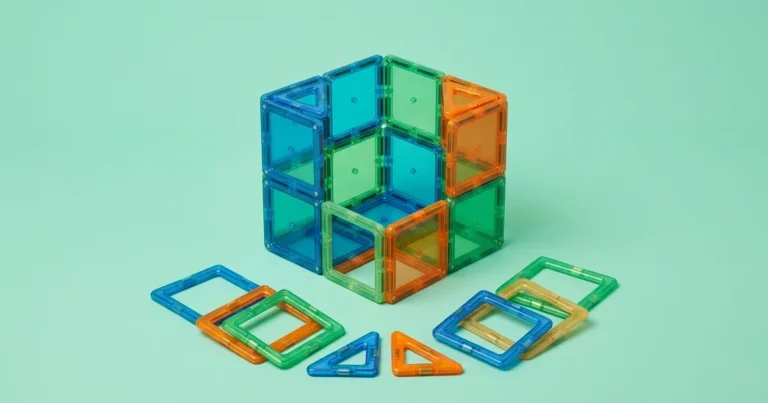
Magnetic toys are some of the most versatile educational tools available today. They combine STEM learning, fine motor practice, and open-ended creativity in a single toy. A set like the Graflo magnetic train set with 65 pieces is a wonderful entry point for younger children, offering enough pieces to build satisfying track layouts without becoming overwhelming. For families with slightly older children, or those who want a toy that can grow with the child, the 178-piece magnetic train set offers significantly more building possibilities, encouraging longer, more complex play sessions and better cooperative play between siblings of different ages.
Creative and Sensory Toys
Art-based toys are often underrated as educational tools, yet they play a huge role in emotional expression and fine motor development. Finger paint for kids in 12 colors is a great example, giving children a mess-friendly, washable way to explore color mixing, texture, and self-expression, all while strengthening the small hand muscles used later for writing.
Puzzles and Sorting Toys
Puzzles teach patience, pattern recognition, and spatial reasoning. Start with large, chunky puzzle pieces for toddlers and gradually increase complexity as your child grows. Sorting toys, where children match shapes, colors, or sizes, are especially valuable for children under four, as they build the foundational logic skills needed for later math concepts.
Pretend Play and Role-Play Sets
Kitchen sets, doctor kits, and dress-up costumes might seem purely fun, but they are powerful tools for language development and empathy. When a child pretends to be a doctor treating a teddy bear, they are practicing vocabulary, sequencing, and perspective-taking all at once.
Early STEM and Logic Toys
For children aged five and up, simple STEM kits, building challenges, and beginner coding toys introduce structured problem-solving. These toys often come with a specific goal or challenge, which helps children practice persistence and tolerate the frustration of trial and error, a skill that pays off well beyond playtime.
Safety First: What UAE Parents Should Always Check
No matter how educational a toy claims to be, safety always comes first. Before adding any toy to your child’s collection, run through this checklist.
Check for Small Parts and Choking Hazards
For children under three, avoid any toy with pieces smaller than a standard bottle cap. Magnetic toys with small, powerful magnets require extra caution, always supervise play and store the toy properly when not in use.
Look for Non-Toxic, Certified Materials
Always check that paints, plastics, and finishes are labeled non-toxic and free from harmful chemicals such as lead or phthalates. This is especially important for toys that involve painting, coloring, or anything likely to touch a child’s mouth or skin.
Inspect Build Quality Regularly
Toys with moving parts, magnets, or small connectors should be inspected periodically for cracks, loose pieces, or wear. A toy that was perfectly safe on day one can become a hazard after months of enthusiastic play, so make quick safety checks part of your regular routine.
Match the Toy to the Stated Age Range
Age recommendations on toy packaging are not arbitrary, they reflect real safety testing around choking hazards, complexity, and durability. Resist the temptation to buy a toy that looks advanced for a younger child, as it may simply not be safe or appropriately engaging yet.
Building a Balanced Toy Rotation at Home
Rather than buying every trending toy, aim for balance. A well-rounded home collection typically includes one building or construction toy, one creative or art-based toy, one puzzle or logic toy, and one pretend play set. This mix ensures your child is developing across multiple domains rather than repeating the same type of play daily.
Rotate, Do Not Just Accumulate
Children often lose interest in a toy not because it stopped being fun, but because it became too familiar. Store a portion of your child’s toys out of sight and rotate them every few weeks. Toys that reappear after a break often feel brand new again, extending their educational value significantly without spending another dirham.
Involve Your Child in Choosing
When possible, let your child help pick between two or three age-appropriate, pre-vetted options. This small sense of ownership tends to increase engagement and makes the toy far more likely to be used consistently rather than left forgotten in a corner.
Smart Budgeting: Educational Toys and AED Pricing
Educational toys in the UAE market range widely in price, and a higher price tag does not always mean better developmental value. A simple set of stacking blocks costing under 50 AED can offer just as much genuine learning value as an elaborate electronic toy costing several hundred dirhams. When budgeting, prioritize versatility, a toy that can be used in multiple ways, at multiple ages, or in combination with other toys, usually offers better long-term value than a single-purpose gadget. Larger construction sets, while a bigger upfront investment, often last through multiple developmental stages, making the cost per year of play surprisingly reasonable.
Tips for Smart Spending
Set a seasonal or quarterly toy budget rather than buying impulsively. Consider gifting experiences alongside toys, such as a building set paired with dedicated build time together as a family. Watch for bundle sets that combine multiple skill areas, such as a construction set paired with a creative activity, to get more developmental variety per dirham spent.
Common Mistakes Parents Make When Choosing Educational Toys
Even well-meaning parents fall into a few predictable traps. Buying toys that are too advanced hoping to accelerate learning often backfires, leading to frustration rather than growth. Overloading a child with too many toys at once can reduce focus and creativity rather than enhance it. Choosing based on packaging claims like “boosts IQ” without checking the actual play value is another common pitfall, always look at what the child will actually do with the toy hour after hour, not just what the box promises.
Conclusion
The best educational toys for kids in UAE are not necessarily the flashiest or the most expensive, they are the ones that match your child’s current stage, meet strict safety standards, and offer enough open-ended play to grow with them over time. Start with a small, thoughtful collection across a few key categories, rotate what is available regularly, and always prioritize safety checks alongside developmental value. With the right mix of building, creative, and logic-based toys, playtime becomes one of the most powerful learning tools your child has, right in your own living room.
Frequently Asked Questions
What age should my child start using magnetic building toys?
Most magnetic building sets are suitable from around age 3, once children can safely handle small to medium pieces without putting them in their mouths. Always check the manufacturer’s age recommendation and supervise younger children during play.
How many educational toys does my child really need at home?
Quality matters more than quantity. A balanced collection of 4 to 6 toys covering building, creative, puzzle, and pretend play categories is usually enough, especially if you rotate toys every few weeks to keep interest fresh.
Are educational toys in AED price ranges under 100 AED still effective?
Yes, price does not determine educational value. Simple, well-made toys like stacking blocks or basic puzzles under 100 AED can offer excellent developmental benefits, sometimes more than expensive electronic alternatives.
How do I know if a toy is genuinely safe for my toddler?
Check for non-toxic material certifications, avoid small detachable parts for children under three, and always match the toy to its stated age range on the packaging rather than choosing based on appearance alone.
What is the best way to keep my child interested in educational toys long-term?
Rotate toys in and out of storage every few weeks instead of leaving everything out at once, and involve your child in choosing between a few pre-approved options to boost their sense of ownership and engagement.