Last updated: September 30, 2026
Before you hand your little one the handlebar, here is the one thing every UAE parent should know: a ride-on push scooter for toddlers is only as safe as the surface it rolls on, the helmet strapped to your child’s head, and the supervision behind it. Done right, this simple toy builds balance, leg strength, and independence months before a child is ready for a pedal bike. Done carelessly, on a hot marble mall floor or a busy villa driveway, it can turn into a scraped knee or worse. This guide walks you through everything – from picking the right scooter for your child’s age to the safest places to ride it across Dubai, Abu Dhabi, and Sharjah – so you can shop with confidence and play with peace of mind.
What Exactly Is a Ride-On Push Scooter?
A ride-on push scooter is a low, wheeled toy that a toddler stands or sits on and propels forward using their feet, without pedals or a battery. Unlike a kick scooter for older kids, most toddler versions have a wide, stable deck, three or four wheels for balance, and a handlebar low enough for small hands. Some models let a child sit down and scoot with their legs like a tricycle without pedals, while others are true stand-up scooters with a lean-to-steer mechanism.
The appeal is simple. There is no motor, no chain, and almost nothing that can pinch little fingers. Your toddler controls the speed entirely with their own leg power, which means the learning curve is gentle and the stopping is always within their control. It is often the very first “vehicle” a child ever owns, and for many UAE families it becomes the toy that gets used every single evening at the community park.
How It Differs From a Balance Bike or Kick Scooter
Parents often mix these up, so here is the quick distinction:
- Ride-on push scooter: wide deck, sit or stand, very low center of gravity, designed for ages 1 to 4.
- Balance bike: two wheels, no pedals, child sits astride and pushes off with feet, usually needs a bit more coordination and suits ages 2 and up.
- Kick scooter: two or three wheels, stand-only, lean-to-steer, typically suited to ages 3 and above once a child has good balance.
For a first ride-on toy, the wide, stable footprint of a toddler push scooter is usually the gentlest entry point.
Why Safety Always Comes First
Every recommendation in this guide starts from one principle: a toy is only good if it is safe. Toddlers do not yet understand momentum, road rules, or the difference between a smooth path and a pothole. That responsibility sits with the adult nearby, and with a scooter that is genuinely built for a small body.
Helmet, Every Single Ride
Even at slow toddler speeds, a fall onto tile or pavement can cause a head injury. A well-fitted, lightweight toddler helmet should go on before every ride, no exceptions, even for a quick trip around the living room. Look for a helmet with adjustable padding, a snug chin strap, and ventilation holes so your child stays comfortable in UAE heat.
Knee and Elbow Pads for New Riders
In the first few weeks of riding, falls and wobbles are normal and even healthy, they are part of learning balance. Soft knee and elbow pads reduce scrapes on tiled floors and rough pavements without limiting movement.
Weight Limit and Age Grading Matter
Never buy a scooter based on looks alone. Check the manufacturer’s stated age range and maximum weight capacity, and stay within it. A scooter rated for 18 months to 3 years will have a different center of gravity and wheelbase than one rated for ages 3 to 5, and using the wrong one increases tip-over risk.
Supervision Is Non-Negotiable
Ride-on toys should never be used unsupervised, especially near driveways, parking areas, stairs, or swimming pools, all of which are common features of UAE villas and compounds. A parent or caregiver within arm’s reach is the single best safety feature any scooter can have.
The Developmental Benefits Behind the Fun
A ride-on push scooter for toddlers is not just entertainment, it is a genuine developmental tool, and understanding why can help you choose the right model and encourage the right kind of play.
Gross Motor Skills and Leg Strength
Pushing off with alternating legs, or scooting continuously with both feet, strengthens the large muscle groups in the thighs, calves, and hips. This is the same muscle groundwork that later supports running, jumping, and eventually pedaling a tricycle or bicycle.
Balance and Core Stability
Staying upright on a moving platform, even a low and stable one, requires constant small adjustments from the core and inner ear balance system. Toddlers who spend time on push scooters often show smoother transitions to two-wheeled riding later on, because their vestibular system has already had practice.
Confidence and Independence
There is a particular kind of pride on a toddler’s face the first time they realize they made the scooter move by themselves. That sense of “I did this on my own” is an early and important building block of self-esteem, and it is something parents can nurture by cheering them on rather than pushing them along.
Spatial Awareness
Learning to steer around a plant pot, a sibling, or a garden bench teaches a toddler to judge distance and width, skills that support later coordination in sports, cycling, and even handwriting.
Outdoor Time in a Screen-Heavy World
In a region where indoor, air-conditioned play is common for much of the year, a ride-on scooter gives families an easy reason to get outside during the cooler morning or evening hours, which supports healthy sleep and reduces overall screen time.
Choosing the Right Ride-On Push Scooter by Age
Not every scooter suits every toddler. Matching the model to your child’s stage of development is the single biggest factor in whether the toy gets used happily or ends up forgotten in a corner.
12 to 24 Months: Sit-and-Scoot Styles
At this age, a child is often still mastering walking, so a very low, wide, sit-down scooter with three or four wheels offers the most stability. Look for a seat that is close to the ground, a wide wheelbase, and no sharp steering mechanism, since fine steering control is not yet developed. Some models double as a walker with a push handle for parents, which is useful for transitioning between assisted and independent riding.
2 to 3 Years: Standing Push Scooters With Wide Decks
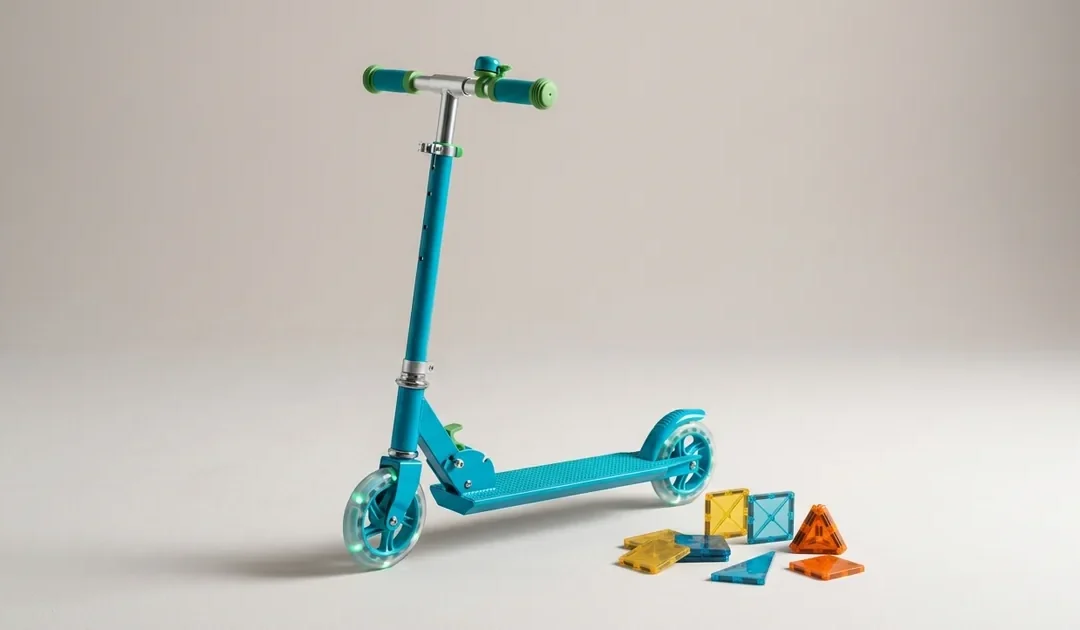
Once a toddler walks confidently and can balance briefly on one foot, a standing push scooter with a wide deck and three wheels (two at the front, one at the back, or vice versa) offers a good balance of stability and independence. A low handlebar, often adjustable in height, helps them steer without leaning too far forward.
3 to 5 Years: Lean-to-Steer Scooters With Adjustable Handlebars
By preschool age, many children have the coordination for a slightly more responsive scooter, still three-wheeled for stability but with a lean-to-steer mechanism that rewards better balance. An adjustable handlebar height means the scooter grows with your child over a year or two rather than being outgrown in a few months. This is also a good age to introduce a helmet routine that will carry through to future kick scooters and bikes. If you are shopping for a well-rounded set of toys for this stage, our collection for ages 3 to 5 years pairs nicely with active outdoor play.
6 to 8 Years: Two-Wheeled Kick Scooters
By six, most children have outgrown the toddler push scooter entirely and are ready for a two-wheeled kick scooter with a higher deck and faster ride. While this guide focuses on the toddler stage, it is worth planning ahead, since many families keep the toddler scooter for a younger sibling and upgrade the older child. Browse options suited to this stage in our ages 6 to 8 years collection.
Key Features to Look For When Buying
With so many scooters on the market, it helps to know exactly which features matter and which are just marketing.
Number and Position of Wheels
Three or four wheels generally offer more stability than two for toddlers, since the wider footprint resists tipping. Wheels made of polyurethane (PU) roll more smoothly and quietly on tile and pavement than hard plastic wheels, and they tend to grip better on slightly uneven outdoor surfaces.
Deck Width and Height From the Ground
A wider deck gives small feet more room and reduces the chance of a foot slipping off mid-ride. A low deck height, close to the ground, lowers the center of gravity and makes falls less likely and less impactful when they do happen.
Handlebar Height and Adjustability
An adjustable handlebar means the scooter can be set at hip height as your toddler grows, keeping their posture upright rather than hunched. Look for a mechanism that is simple for parents to adjust but cannot be accidentally loosened by the child during play.
Turning Radius and Steering Type
Simple direct steering, where turning the handlebar turns the front wheel directly, is easier for very young toddlers to understand than lean-to-steer systems. As children get closer to age three or four, a gentle lean-to-steer scooter becomes a good stepping stone toward a real kick scooter later.
Build Material and Weight
A lightweight aluminum or reinforced plastic frame is easier for a toddler to maneuver and easier for a parent to carry home from the park, or up to a apartment on the higher floors common in UAE towers. Check the maximum weight capacity against your child’s current weight with some margin for growth.
Foldability and Storage
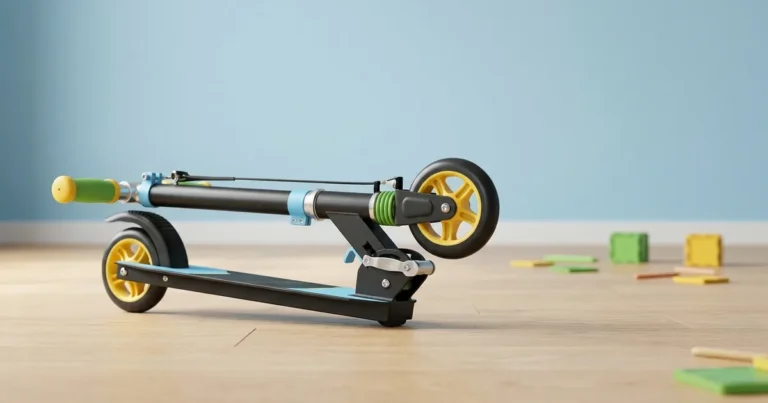
UAE homes range from spacious villas to compact apartments, so a scooter that folds flat or has a compact footprint is genuinely useful for storage in a hallway cupboard or car boot for trips to the park or a relative’s house.
Non-Slip Grips and Deck Surface
Rubberized handlebar grips and a textured, non-slip deck surface matter more than they might seem, especially since little hands and feet can get sweaty quickly in warm weather.
Ride-On Push Scooters Compared to Other Ride-On Toys
Parents often ask how a push scooter stacks up against other popular ride-on toys, so here is an honest comparison.
Push Scooter vs Tricycle
A tricycle uses pedals and requires more advanced leg coordination, since the child must push in a circular motion rather than simply scooting. A push scooter is usually easier for a toddler under two to master, since the movement mimics walking or running, an action they already know.
Push Scooter vs Ride-On Car
Battery-powered ride-on cars are exciting but remove the physical effort entirely, since the child sits and steers while a motor does the work. A push scooter, by contrast, keeps the child active and burning energy, which supports the gross motor development discussed earlier.
Push Scooter vs Balance Bike
A balance bike requires the child to hold their body upright over two wheels using only their own balance, which can be a big ask for a child under two. A three or four-wheeled push scooter offers training wheels’ worth of stability built right into the design, making it a gentler starting point before a balance bike.
Safety Guidelines Specific to Life in the UAE
Riding conditions here come with a few local realities that are worth planning around.
Beat the Heat, Choose the Right Time of Day
Outdoor scooter time is most enjoyable, and safest for little bodies, in the cooler hours of early morning or after sunset, especially between May and September. Midday tile, pavement, and playground equipment can become extremely hot to the touch, so always check the surface temperature with your own hand before letting your child ride barefoot-adjacent in sandals.
Choosing Between Villa Driveways, Compound Paths, and Parks
Villa driveways are convenient but often shared with reversing cars, so a scooter session there needs full attention and ideally a chalk-marked safe zone. Community compound paths and dedicated park cycling tracks, common in newer Dubai and Abu Dhabi developments, tend to be flatter, car-free, and shaded by trees, making them a better first choice for new riders.
Mall and Indoor Play Areas
Some UAE malls and indoor play centers allow small ride-on toys in designated zones, but marble and tile floors are slippery even for adults in socks, let alone a toddler on wheels. If you do ride indoors, stick to carpeted or rubber-matted areas and keep speeds slow.
Sun Protection While Riding
Pair scooter time with a light, breathable hat, sunscreen on exposed skin, and a water bottle nearby, since active outdoor play in this climate dehydrates children faster than they realize.
Best Places to Ride a Push Scooter Across the UAE
Finding the right space makes a huge difference to how much your child enjoys their scooter.
Community Parks and Cycling Tracks
Many residential communities across Dubai, Sharjah, and Abu Dhabi include dedicated cycling and jogging tracks that are flat, smooth, and largely free of car traffic, ideal for toddlers still building confidence.
Building Rooftop and Podium Play Areas
Apartment towers with a podium level or rooftop garden often provide a safe, enclosed, car-free space perfect for short scooter sessions, especially useful for families without easy access to a private garden.
Covered Outdoor Corridors in Villas
A shaded courtyard or covered walkway within a villa compound offers protection from direct sun while still giving a toddler room to scoot safely under supervision.
How to Teach a Toddler to Ride a Push Scooter
Most toddlers pick this up naturally with a little encouragement, but a gentle, structured introduction helps build confidence faster.
Step 1: Let Them Explore While Stationary
Before any movement, let your child sit or stand on the scooter indoors, get used to the handlebar, and practice the feel of the deck under their feet.
Step 2: Support Without Pushing
Hold the handlebar or your child’s hand lightly at first, letting them do the pushing with their own legs rather than physically propelling them forward. The goal is for them to feel that they are in control.
Step 3: Practice Stopping
Many toddler scooters rely on the child dragging a foot to stop, so practicing this skill early, on a soft grassy area, builds an important safety habit before speed increases.
Step 4: Gradually Introduce Turns
Once straight-line scooting feels confident, set up a gentle obstacle course with cushions or cones to practice turning, which strengthens both steering skill and spatial awareness.
Step 5: Celebrate Every Small Win
Enthusiastic, specific praise, like noticing how well they stopped before the curb, reinforces good habits far more effectively than correcting mistakes.
Maintenance and Care Tips to Keep the Scooter Safe
A well-maintained scooter is a safer scooter, and the checks below take only a few minutes each week.
Check Wheels for Wear and Debris
Sand and small stones from playgrounds can get lodged in wheel housings, sometimes causing wobbly rolling. A quick wipe-down after outdoor sessions keeps wheels turning smoothly.
Tighten Bolts and Handlebar Connections Regularly
Vibration from regular use can gradually loosen screws, so a monthly check with the appropriate tool, tightening anything that feels loose, prevents wobbling parts.
Clean After Sandy or Beach Outings
If you take the scooter to a beach park, rinse sand out of the wheel wells and joints afterward, since trapped sand can act like sandpaper on moving parts over time.
Store Out of Direct Sun
Prolonged direct sunlight can make plastic components brittle over time in the UAE’s intense summer heat, so storing the scooter in a shaded garage, balcony cupboard, or indoors between uses extends its lifespan.
Building a Balanced Play Routine Around the Scooter
A ride-on push scooter is brilliant for active, outdoor gross motor development, but toddlers also need fine motor and quiet indoor activities to round out their day, especially during the hottest hours.
Pairing Active Play With Fine Motor Activities
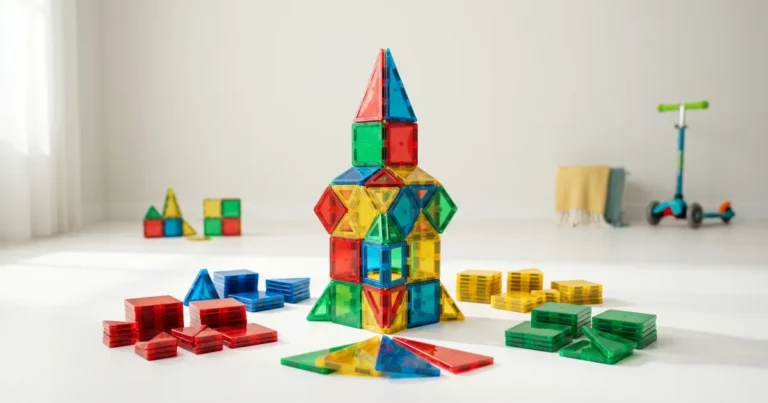
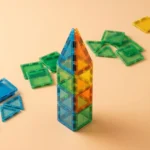
After an energetic scooter session outside, a calmer indoor activity helps toddlers wind down while still learning. Building and connecting pieces, like our magnetic train set for kids, works the small hand muscles and concentration skills that scooting does not, making it a natural follow-up activity.
Creative Expression Indoors
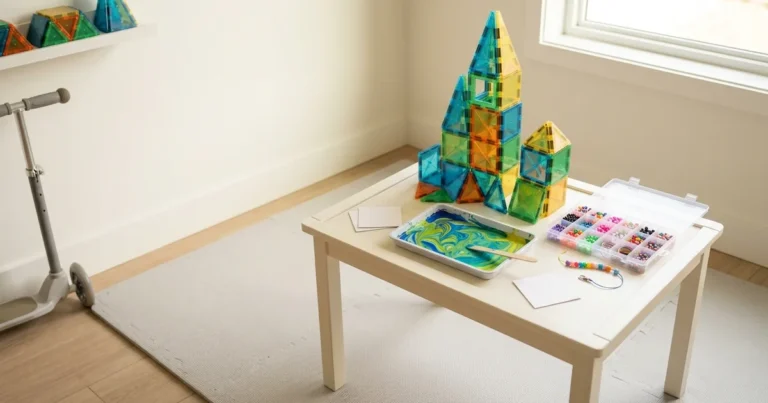
On very hot afternoons when outdoor scooter time is not ideal, colorful sensory activities like finger paint for kids give toddlers a creative outlet that still supports hand strength and hand-eye coordination, complementing the gross motor gains from scooting.
For Growing Confidence, Bigger Building Challenges
As children move past the toddler push scooter stage and their fine motor skills mature, a more complex set like the 178-piece magnetic train set offers a satisfying next step in constructive, screen-free play indoors.
Common Mistakes Parents Make With Ride-On Push Scooters
Even well-meaning parents can fall into a few avoidable traps.
Buying Too Big “So They Grow Into It”
A scooter that is too large for a toddler’s current balance and coordination is often harder, not easier, to control, and can actually delay confidence rather than build it. Stick to the manufacturer’s recommended age and height range.
Skipping the Helmet for “Just a Quick Ride”
Falls often happen in the first minute of a ride, not after an hour, so the habit of helmet-first, every time, matters more than the length of the session.
Letting Toddlers Ride Near Water or Stairs Unsupervised
Pool areas, balconies, and staircases are common in UAE homes and should always be off-limits for scooter play, even briefly, without a parent physically present.
Ignoring Surface Temperature in Summer
An exciting evening plan can turn uncomfortable quickly if the chosen path is still radiating heat from the afternoon sun, so a quick hand-check on the ground before riding is always worth the ten seconds it takes.
Overlooking Weight Limits as Children Grow
Toddlers grow quickly, and a scooter that was perfectly sized six months ago may now be near or past its weight limit, which affects both stability and structural safety. A yearly reassessment keeps things safe.
Frequently Asked Questions From UAE Parents
See the FAQ section below for quick, practical answers to the questions we hear most often from parents shopping for a first ride-on push scooter.
Conclusion
A ride-on push scooter for toddlers is more than a fun trip to the park, it is a genuine step in your child’s physical and emotional development, teaching balance, leg strength, confidence, and independence, all through simple, joyful play. The key to getting the most out of it is choosing a model matched to your toddler’s age and stage, insisting on a helmet every single time, and being thoughtful about where and when you ride given the UAE’s climate and surroundings. Pair active scooter sessions with calmer indoor play, like building or creative activities, for a well-rounded day, and your toddler will build skills on every front, one push at a time.