Last updated: October 18, 2026
Choosing the right non-toxic finger paint toy can feel surprisingly complicated for a product that is supposed to be simple, colourful fun. Between confusing labels, imported products with unclear safety certifications, and the very real worry of little hands and mouths meeting pigment-filled tubs, many UAE parents hesitate before bringing paint into the home. This guide walks you through everything you need to know, from certification standards to age-appropriate activities, so you can confidently pick a paint toy that supports your child’s development without compromising on safety.
Why Paint Play Matters for Child Development
Before diving into safety and product choices, it helps to understand why paint toys are considered a cornerstone of early childhood play. Paint is not just a craft supply, it is a developmental tool that engages the senses, the hands, and the brain all at once.
Fine Motor Skill Development
When toddlers grip a brush or dab their fingers onto paper, they are strengthening the small muscles in their hands and fingers. This is the same muscle control they will later rely on for holding a pencil, buttoning a shirt, or using cutlery. Repeated painting sessions, even messy ones, build the hand strength and coordination that formal handwriting lessons later depend on.
Sensory Exploration and Regulation
Textured, squishy paint gives children a rich sensory experience. For many toddlers, the feeling of paint between their fingers is calming and satisfying, almost like a mini sensory-play session. For children who are sensitive to textures, starting with washable finger paint toys in small amounts can gently build tolerance over time.
Creativity and Emotional Expression
Young children do not yet have the vocabulary to explain how they feel, but they can often show it through colour and movement on a page. Free-form painting, without rules about what the picture should look like, gives children a safe outlet for emotional expression and builds early confidence in self-directed creativity.
Early Science and Colour Concepts
Watching blue and yellow mix into green, or red and white turn into pink, is a child’s first hands-on chemistry lesson. Paint toys quietly introduce cause and effect, colour theory, and basic experimentation long before a child sets foot in a classroom.
What Makes a Paint Toy Genuinely Safe?
Not all paint toys are created equal, and this is where many parents in the UAE get caught out by attractive packaging that hides poor-quality ingredients. Here is what to actually check before adding a paint set to your cart.
1. Non-Toxic Certification
Look for paint toys that are explicitly labelled non-toxic and compliant with recognised safety standards such as EN71 (the European toy safety standard) or ASTM D-4236 (the US standard for art materials). These certifications mean the product has been tested for harmful substances like lead, heavy metals, and other chemicals that should never come near a child’s skin or mouth.
2. Washability
A genuinely child-friendly paint toy should wash out of clothes, off skin, and off most household surfaces with just soap and water. If a product requires harsh chemicals or stubborn scrubbing to remove, it is not designed with toddlers in mind. Washable formulas also reduce parental stress, which means more relaxed, enjoyable painting sessions for everyone.
3. Age-Appropriate Packaging
Paint toys for toddlers under three should avoid small caps, tiny bottle openings, or detachable parts that could pose a choking hazard. Wide, stable tubs with secure but easy-to-open lids are far safer for small hands still developing grip strength.
4. Allergen Awareness
Some paint toys use nut-derived oils or specific preservatives that can trigger allergic reactions in sensitive children. If your child has known skin sensitivities or allergies, always check the ingredient list or contact the brand directly before first use.
5. Fade Resistance Is Not a Safety Issue, But It Matters
While not a safety concern, paint that fades unevenly or stains permanently on favourite clothing can sour the experience for parents. Quality washable finger paint toys strike a balance between vibrant colour payoff and easy cleanup.
Types of Paint Toys Available for Kids
The term paint toy actually covers a wide range of products, each suited to different ages, skill levels, and mess tolerance. Here is a breakdown of the main categories.
Finger Paints
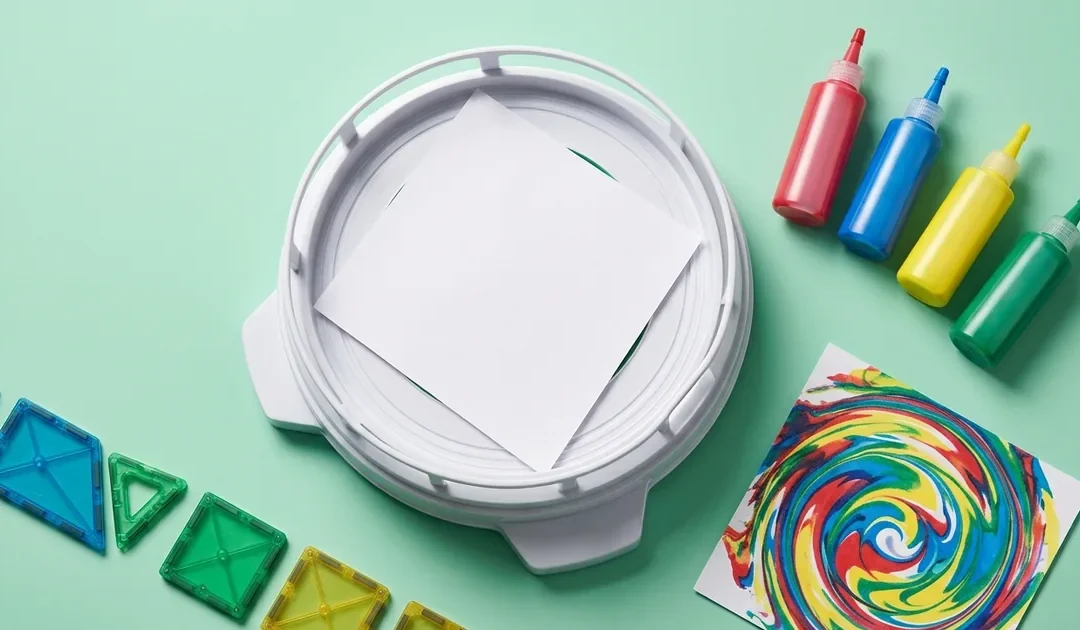
Designed for the youngest painters, finger paints are thick, pigmented, and made to be applied directly with fingers rather than a brush. They are ideal for toddlers aged two and above who are still developing the fine motor control needed to hold a brush steadily. A well-formulated 12-colour finger paint set gives children a wide palette to explore mixing and blending without needing any extra tools.
Washable Brush Paints
Once children are around four or five, many enjoy graduating to brush-based paint sets. These typically come in small pots with a brush included, allowing for more controlled, detailed artwork. Look for brushes with thick, rounded handles designed for small hands rather than adult-style thin brushes.
Bath Paint Toys
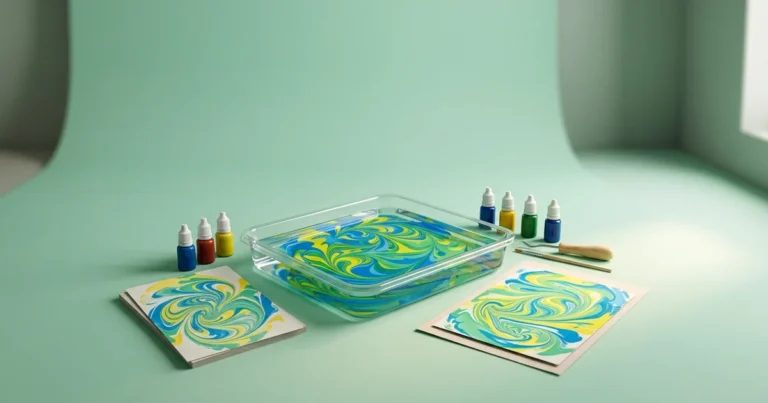
Bath paints are a clever category that combines water play with creative expression. These paints are designed to be used on tiled walls or tub surfaces and rinse away completely with water, making bath time double as an art session with zero mess left behind.
Paint-Your-Own Craft Kits
These kits include a pre-made object, such as a plaster figurine, wooden shape, or ceramic piece, along with paint and brushes. They are popular for slightly older children, typically ages six and above, who enjoy a structured project with a clear finished product.
Water-Reveal Paint Books
For parents who want a completely mess-free option, water-reveal paint books use plain water brushed onto specially treated paper to reveal hidden colours and images. These are excellent for travel, restaurants, or any setting where traditional paint is not practical.
Choosing the Right Paint Toy by Age Group
Matching the paint toy to your child’s developmental stage makes a huge difference in how much they enjoy the activity and how safely they can use it.
Ages 1 to 2: Supervised Sensory Introduction
At this stage, paint should be viewed purely as a sensory activity rather than an art project. Choose thick, non-toxic finger paints in large, stable tubs. Supervision must be constant, as children at this age frequently explore new textures by tasting them. Keep sessions short, five to ten minutes, and always paint on a washable mat or easily cleaned surface.
Ages 3 to 5: Building Creative Confidence
This is often considered the golden age for paint play. Fine motor skills are developing quickly, and children at this stage genuinely enjoy the process of creating something, even if the result looks abstract to adult eyes. A full washable finger paint toy set, combined with large sheets of paper, gives children room to experiment freely. Parents looking for a broader range of age-appropriate creative and building toys can explore the ages 3 to 5 years collection for complementary options that round out a child’s play routine.
Ages 6 to 8: Structured Projects and Detail Work
By this age, children are ready for brush control, mixing precise colours, and following simple step-by-step projects. Paint-your-own kits, watercolour sets, and more advanced craft paints work well here. Browsing the ages 6 to 8 years collection can help you find paint toys alongside other skill-building activities suited to this stage.
Setting Up a Mess-Friendly (and Stress-Free) Paint Station at Home
One of the biggest reasons parents avoid paint toys altogether is the fear of mess. With a little planning, paint time can be genuinely low-stress.
Protect the Surface First
Lay down a plastic tablecloth, an old shower curtain, or a dedicated craft mat before any paint comes out of its tub. This single step prevents most of the anxiety around staining furniture or flooring.
Dress for the Occasion
Old t-shirts, a smock, or a simple apron go a long way in protecting your child’s clothes. Since most children’s paint toys are washable, minor splashes on fabric will typically rinse out, but prevention is always easier than treatment.
Keep Cleanup Supplies Within Reach
Have a damp cloth, a bowl of water, and some paper towels nearby before you start. This means you can address spills the moment they happen rather than letting paint dry and set into surfaces.
Designate a Painting Zone
If possible, choose one consistent area in the home, such as a kitchen table or outdoor balcony, specifically for paint activities. Children quickly learn that painting happens in this spot, which helps contain mess and makes transitions smoother.
Embrace the Mess as Part of Learning
It is worth remembering that a little mess is often a sign of genuine engagement and exploration. Try to let go of the need for a perfectly clean session every time, as this pressure can transfer to your child and reduce the joy of free creative play.
Creative Paint Activities to Try at Home
A paint toy becomes far more valuable when paired with engaging activities. Here are several ideas organised by skill focus.
Colour Mixing Challenge
Give your child just the three primary colours, red, blue, and yellow, along with white. Challenge them to create as many new colours as possible. This simple activity teaches foundational colour theory while keeping the mess contained to a limited palette.
Handprint and Footprint Keepsakes
Using washable finger paint, create handprint or footprint art on card stock. These make wonderful, low-cost keepsakes and are especially popular for marking milestones like birthdays or the start of a new school year.
Nature-Inspired Painting
Bring the outdoors in by using leaves, twigs, or even vegetable halves as natural stamps. Dip them in paint and press onto paper for interesting textures and patterns, introducing children to the idea that art tools do not need to be store-bought.
Story-Based Painting
Read a short story together, then ask your child to paint their favourite scene or character. This activity strengthens the connection between language, memory, and creative expression.
Combine Paint Play with Building Toys
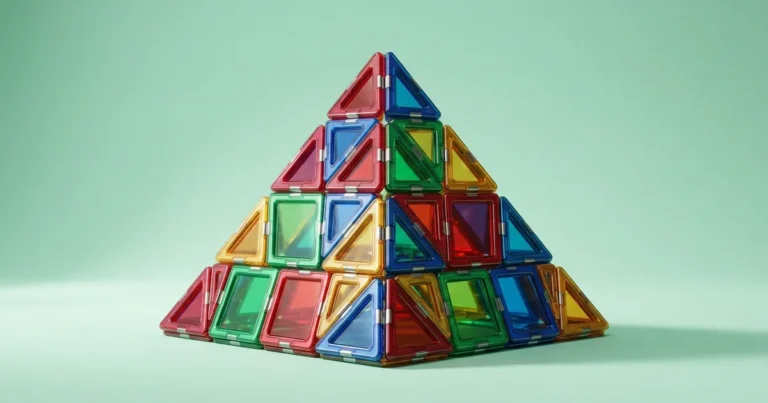
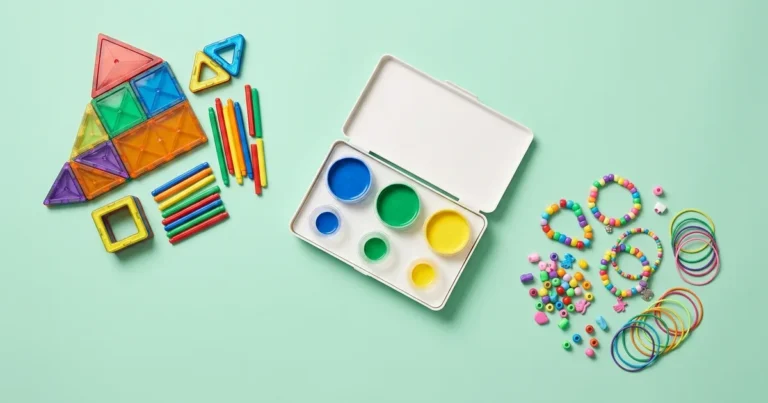
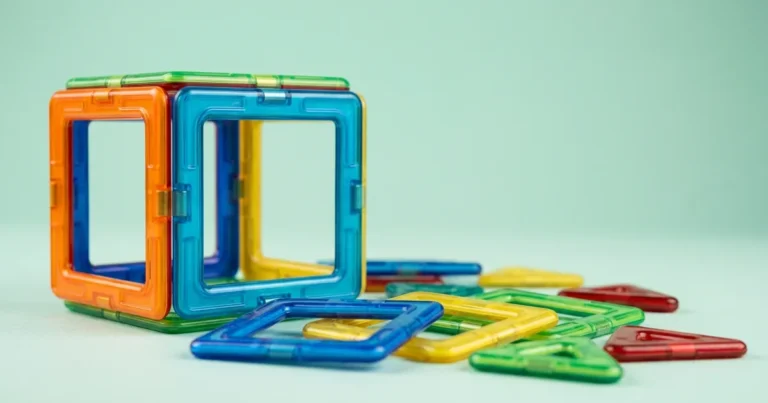
Creative play does not have to live in a single category. After a painting session, many children enjoy transitioning to hands-on building activities that use a different set of skills, such as spatial reasoning and problem-solving. A set like the 65-piece magnetic train set offers a wonderful contrast to paint play, letting children switch from open-ended sensory creativity to structured construction. For families with multiple children or those wanting a bigger shared project, the 178-piece magnetic train set provides even more pieces for collaborative building after the paint has dried.
Common Mistakes Parents Make with Paint Toys
Even well-intentioned parents can run into a few avoidable pitfalls when introducing paint toys at home.
Buying Adult-Grade Art Supplies for Young Children
Artist-grade paints, even watercolours, are not formulated with the same safety standards as children’s paint toys. They may contain stronger pigments, solvents, or preservatives unsuitable for young children. Always choose products specifically labelled and marketed as children’s paint toys.
Leaving Children Unsupervised, Even Briefly
Paint toys, no matter how safe, should never replace active supervision, particularly for children under four. Lids, small caps, or brush components can still present a risk if a child is left alone for an extended period.
Overloading the Palette
Giving a toddler every colour in a twelve-colour set at once can be overwhelming and often leads to all the colours being mixed into a murky brown within minutes. For younger children, start with two or three colours and expand the palette as they grow more comfortable with the activity.
Ignoring Expiry or Storage Guidelines
Like many water-based products, finger paints can dry out or develop mould if left open or stored improperly. Always reseal tubs tightly after use and store them away from direct sunlight or extreme heat, which is particularly relevant in the UAE climate.
Storage and Maintenance Tips for Paint Toys
Getting the most value and longest life out of a paint toy set comes down to a few simple habits.
Seal Tubs Immediately After Use
Air exposure is the biggest cause of paint drying out prematurely. Make it a habit to close lids tightly right after each session, even if you plan to paint again the next day.
Store Away from Heat and Direct Sunlight
Given the high temperatures common across the UAE, avoid storing paint toys in cars, near windows, or in unventilated storage rooms where heat can build up. Excessive heat can alter the consistency and performance of water-based paints.
Clean Brushes and Tools Promptly
Rinse brushes and any reusable tools immediately after each session. Paint left to dry on bristles is far harder to remove and significantly shortens the lifespan of brushes.
Label and Organise by Colour or Set
For families with multiple paint sets, keeping colours organised in a clear storage box helps children find what they need independently, which also supports early organisational skills.
How Paint Toys Fit into a Balanced Play Routine
While paint toys offer wonderful creative and sensory benefits, they work best as part of a varied play routine rather than the sole activity. Balancing open-ended creative play like painting with structured, skill-building toys gives children a well-rounded developmental experience. For example, alternating a painting session with a building activity, such as assembling a magnetic train track, helps children practice both divergent thinking, where there are many possible right answers, and convergent thinking, where a specific goal needs to be achieved. Rotating through categories like art supplies, construction toys, and outdoor play across the week keeps children engaged and supports development across multiple domains at once.
Frequently Asked Questions About Paint Toys
See below for quick answers to the most common questions UAE parents ask about choosing and using paint toys safely.
Conclusion
A good paint toy is far more than a box of colourful tubes, it is a genuine developmental tool that supports fine motor skills, creativity, emotional expression, and early science concepts, all while giving your child joyful, hands-on fun. By prioritising non-toxic certifications, washability, and age-appropriate design, UAE parents can confidently bring paint into their homes without unnecessary worry. Pair your paint sessions with a balanced mix of other engaging activities, from sensory play to construction toys, and you will give your child a rich, varied foundation for growth, one colourful handprint at a time.