Last updated: October 14, 2026
Before you hand your toddler a brush, there are three things every UAE parent should check: the certification label on the box, whether the formula washes out of fabric and skin with plain water, and whether the set matches your child’s age and stage. Paint toys are one of the most joyful ways for little hands to learn, but not every paint on the shelf is built with small fingers and curious mouths in mind. This guide walks you through everything you need to know to choose paint toys that are safe, developmentally rich, and genuinely fun, whether you’re shopping for a one-year-old’s first finger paint set or a seven-year-old’s first watercolor kit.
Why Paint Toys Matter for Child Development
Painting looks simple from the outside, a child dips a brush or a finger, drags color across paper, and smiles at the result. But underneath that simple act, a huge amount of learning is happening. Paint toys are not just art supplies, they are development tools disguised as fun.
Sensory Exploration
For toddlers, the cool, slightly sticky texture of paint on their fingertips is a full sensory experience. They feel temperature, texture, and resistance all at once. This kind of tactile input helps build the neural pathways responsible for sensory processing, which later supports everything from handwriting to eating with cutlery comfortably.
Fine Motor Skills
Gripping a chunky toddler brush, pressing a sponge stamp, or squeezing a paint tube all strengthen the small muscles in the hand and wrist. These are the same muscles your child will later rely on to hold a pencil, use scissors, and button a shirt. Paint play is, in many ways, a warm-up for school-readiness skills.
Creativity and Emotional Expression
Children don’t always have the vocabulary to express big feelings. A splash of red across a page, a swirl of blue, these are ways young children process emotions long before they can talk about them. Open-ended paint play, where there’s no “right” picture to produce, builds confidence and emotional regulation.
Cognitive Growth
Mixing yellow and blue to discover green, noticing that water thins out a color, or realizing that pressing harder makes a bolder line, these are early science lessons in cause and effect. Paint toys quietly teach color theory, basic chemistry, and problem-solving skills, all before a child starts formal schooling.
Safety First: What Makes Paint Toys Safe for Kids
Because paint is designed to go on hands, faces, and sometimes very close to mouths, safety has to come before anything else. Here is what we recommend every parent check before buying.
Look for Recognized Safety Certifications
Reputable paint toys will carry safety marks such as EN71 (the European toy safety standard), ASTM D-4236 (US standard for art materials), or CE certification. These marks mean the product has been tested for harmful substances like lead, heavy metals, and toxic solvents. In the UAE, always check the packaging for these marks, and avoid unbranded or unlabeled paint sets, even if they look colorful and appealing.
Non-Toxic Does Not Always Mean Edible
“Non-toxic” means the product will not cause harm if a small amount is accidentally ingested, not that it is meant to be eaten. For children under 18 months who still explore the world by mouth, always supervise paint play closely, and choose formulas specifically designed for babies and young toddlers.
Washability Matters More Than You Think
A paint toy that doesn’t wash out easily can turn a fun afternoon into a stressful cleanup, and in some cases, non-washable formulas contain stronger pigments or binders that are less suitable for sensitive skin. Always test a small patch on your child’s skin first if it’s their first time using a new brand, and choose paints labeled specifically as washable from skin, clothing, and most surfaces.
Check for Choking Hazards in the Set
Paint sets often come with small accessories, brush caps, stamp pieces, palette dividers. For children under three, inspect every component and remove anything smaller than a ping pong ball before giving your child free access to the set.
Allergy and Sensitivity Considerations
Children with eczema or sensitive skin may react to fragrances or preservatives in some paints. Fragrance-free, dermatologically tested options are worth seeking out if your child has a history of skin reactions. When in doubt, do a small patch test on the inner wrist 24 hours before a full painting session.
Types of Paint Toys for Different Ages
Not all paint toys are created equal, and matching the right type to your child’s age makes a huge difference in both safety and enjoyment.
Finger Paints for Babies and Toddlers (12 Months and Up)
Finger paint is usually the first paint toy a child encounters. It’s thick, vibrant, and designed to be applied directly with fingers and palms rather than a brush, which suits toddlers who haven’t yet developed the grip needed for brush control. Our finger paint set with 12 colors is a popular starting point for UAE families, formulated to wash off skin and most fabrics with warm water and mild soap, and bright enough to hold a toddler’s attention through a whole painting session.
Washable Paint Sets for Preschoolers (3 to 5 Years)
By age three, most children can manage a chunky brush and understand basic instructions like “dip, then paint.” Washable paint sets for this age group usually include a wider color palette, sometimes with simple stencils or sponge shapes to encourage early pattern recognition. If you’re shopping for this age bracket, our collection for ages 3 to 5 years includes a curated mix of creative and developmental toys that pair well with paint play.
Watercolor and Brush Sets for School-Age Children (6 to 8 Years)
Children in this age group are ready for more control and detail. Watercolor palettes, fine-tip brushes, and paint-by-number kits help them practice precision, patience, and planning. Our range for ages 6 to 8 years offers age-matched options that build on the fine motor foundation laid in the toddler and preschool years.
Bath Paint and Window Cling Paint
These are excellent low-mess alternatives for busy households. Bath paint washes straight off tub tiles and skin, making bath time double as creative time. Window cling paints let children decorate glass doors or windows and peel the designs off later, a great option for apartment living where wall space is limited.
Paint-Your-Own Craft Kits
These kits, which include a blank object such as a wooden toy, ceramic piece, or fabric tote, combine painting with a sense of ownership and pride. Watching a plain white figurine become “their” painted creation is often a child’s first experience of seeing a project through from start to finish.
How to Choose the Right Paint Toy Set
With so many options on shelves and online stores across the UAE, here’s a practical checklist to guide your decision.
1. Match the Set to Your Child’s Age and Skill Level
Always check the recommended age range on the packaging. A set designed for a seven-year-old may include small, swallowable components unsuitable for a toddler, while a toddler-focused set may be too simple to hold an older child’s interest.
2. Prioritize Washability Over Color Vibrancy
Bright, saturated colors are appealing, but washability should win every time when the two are in conflict. A slightly less vivid but fully washable paint will save you far more stress than a bold pigment that stains clothes permanently.
3. Consider the Number of Colors Realistically
A 12-color set is often more than enough for toddlers and preschoolers, who are more interested in the sensory experience of mixing and applying color than in having access to every shade imaginable. Save the larger 24 or 36-color sets for older children working on more detailed projects.
4. Check What Tools Are Included
Brushes, sponges, stamps, and palettes all add play value, but also add more parts to track and clean. For very young children, fewer, chunkier tools are easier to manage than a large set of thin brushes.
5. Think About Storage Before You Buy
Paint sets with resealable lids or a sturdy carry case last longer and dry out less quickly than loose tubes or open pots. If your child paints regularly, investing in a set with good storage will save money in the long run.
6. Pair With Complementary Creative and Motor-Skill Toys
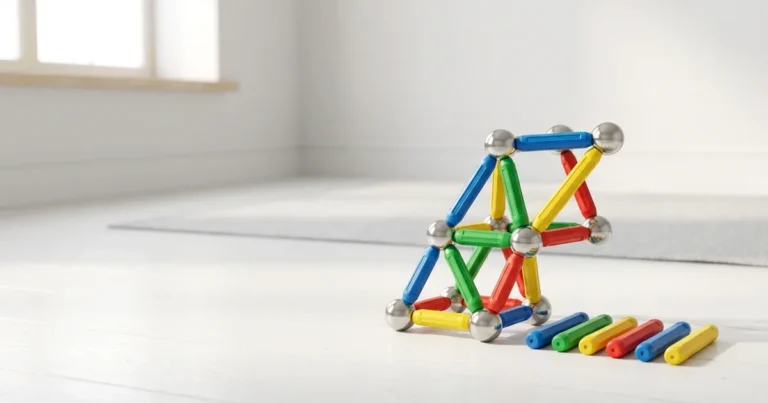
Paint toys work best as part of a varied play routine rather than the only creative outlet. Rotating paint sessions with building and construction toys, such as a magnetic train set for kids, gives children a balance of open-ended creative expression and structured problem-solving play across the week.
Best Practices for Mess-Free Painting at Home
Many parents hesitate to introduce paint toys because of the mess. With a little preparation, painting at home can be enjoyable rather than stressful.
Set Up a Dedicated Painting Zone
A washable plastic mat, an old shower curtain, or a dedicated painting table near a tiled floor makes cleanup dramatically easier. Keeping the zone consistent also helps children understand that painting happens in a specific, predictable space.
Dress for Mess, Not for Mishap Avoidance
Old t-shirts, a simple smock, or a painting apron protect clothing far better than instructions to “be careful.” Toddlers especially benefit from being dressed in clothes you genuinely don’t mind staining, since expecting a two-year-old to stay perfectly clean during finger painting is unrealistic.
Keep Cleanup Supplies Within Reach
A damp cloth, a bowl of warm soapy water, and a towel nearby mean you can wipe hands and surfaces the moment painting ends, before paint has a chance to dry and set into fabric or skin.
Take Advantage of Outdoor Spaces When You Can
In the cooler months in the UAE, balconies, courtyards, and garden areas are wonderful spaces for paint play, since any spills wash away easily with a hose. During the hot summer months, indoor tiled areas near a bathroom or kitchen work just as well, keeping children cool while still enjoying creative play.
Use a Tray System for Multiple Colors
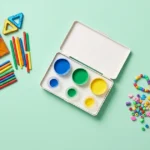
Instead of opening every pot of paint at once, pour small amounts of two or three colors into a shallow tray or ice cube tray. This limits mess, encourages color mixing exploration, and makes it far easier to seal away unused paint afterward.
Creative Paint Activities to Try at Home
Once you have a safe, washable paint set on hand, here are some activities that keep painting fresh and engaging for different ages.
Handprint and Footprint Art
A classic for a reason, handprints and footprints make wonderful keepsakes and are a gentle first introduction to finger paint for toddlers. Turn handprints into simple animals or flowers by adding details once the paint dries.
Nature Painting
Collect leaves, small stones, or sturdy flowers from a garden or park and use them as natural stamps. This activity blends outdoor exploration with creative play and introduces children to textures found in nature.
Color Mixing Science
Set out only the three primary colors, red, yellow, and blue, and let your child discover how to make orange, green, and purple on their own. This simple experiment teaches color theory far more effectively than simply telling a child the answer.
Household Object Painting
Cotton buds, sponges cut into shapes, bubble wrap, and even forks can all create interesting textures and patterns. This is a budget-friendly way to add variety without buying new tools.
Themed Painting Projects
Pick a theme, ocean, space, or jungle, and let your child choose colors that match. This introduces early planning and thematic thinking, useful skills that carry over into school projects later on.
Combine Painting With Construction Play
For an extended creative session, let your child build a simple structure with a magnetic train set and then paint a backdrop or scene for their train to “travel through.” This kind of combined play encourages storytelling alongside fine motor and spatial skills.
Common Mistakes Parents Make When Buying Paint Toys
Even well-meaning parents can run into avoidable issues when shopping for paint toys. Here are the most common ones we see.
Ignoring the Age Label
A set marketed as suitable for “ages 3 and up” is labeled that way for a reason, usually because it includes small parts or a thinner paint consistency unsuitable for younger children who still mouth objects.
Buying Based on Packaging Alone
Bright, cartoon-covered boxes are designed to catch a child’s eye in-store, but packaging says nothing about the actual safety certification inside. Always flip the box over and check for safety marks before purchasing.
Overlooking Storage and Shelf Life
Some paint toys dry out within weeks if not sealed properly. If your child paints only occasionally, choose sets specifically marketed as long-lasting or resealable rather than open-pot sets that dry quickly.
Assuming All “Washable” Claims Are Equal
Washability can vary significantly between brands. A quick patch test on an old piece of fabric before your child’s first full session will tell you more than the label alone.
Not Rotating Paint Toys With Other Play
Relying on paint toys as the only creative outlet can lead to overuse and reduced interest over time. Rotating paint sessions with other age-appropriate toys keeps enthusiasm high and gives different skills room to develop.
Caring For and Storing Paint Toys
Good care extends the life of a paint set and keeps it hygienic for repeated use.
Clean Brushes Immediately After Use
Rinse brushes in warm water right after painting to prevent paint from hardening in the bristles. A hardened brush loses its shape and becomes less effective for future sessions.
Seal Paint Containers Tightly
Air exposure is the main reason paint dries out. Always press lids firmly closed and store pots upright to prevent leaking.
Store Away From Direct Heat
In the UAE climate, storing paint toys in a car or near a sunny window can cause the formula to separate or dry out faster than normal. A cool cupboard or drawer indoors is the best storage spot.
Label and Organize by Color or Type
For families with multiple paint sets, using small labeled bins keeps supplies organized and makes it easier for children to find what they need independently, which also builds a small sense of responsibility.
When to Introduce Paint Toys: An Age-by-Age Overview
Here’s a simple reference for timing your child’s introduction to different paint toy types.
- 12 to 24 months: Supervised finger painting with thick, washable, baby-safe formulas.
- 2 to 3 years: Chunky brushes, bath paint, and simple sponge stamping with close supervision.
- 3 to 5 years: Full washable paint sets with multiple colors, simple stencils, and semi-independent play.
- 5 to 8 years: Watercolor palettes, fine brushes, paint-by-number kits, and craft painting projects with growing independence.
Bringing It All Together
Paint toys are one of the simplest and most rewarding investments you can make in your child’s early development. A safe, age-appropriate set does far more than fill an afternoon, it builds fine motor control, nurtures emotional expression, and plants the earliest seeds of scientific thinking through color and cause and effect. The key is choosing wisely: check for recognized safety certifications, prioritize true washability, match the set to your child’s age, and prepare your space so that mess becomes manageable rather than stressful. With the right paint toy in hand and a little preparation, you’ll find that painting time becomes something both you and your child look forward to, free of worry and full of color.
Frequently Asked Questions
At what age can toddlers start using paint toys safely?
Most children can begin supervised finger painting from around 12 months old, using thick, washable, non-toxic formulas designed specifically for babies and toddlers. Always stay close during the session, since younger toddlers may still try to taste the paint.
Are washable paints really safe for sensitive skin?
Reputable washable paints are formulated to be gentle on skin, but every child is different. If your child has eczema or known sensitivities, do a small patch test on their wrist 24 hours before a full painting session, and choose fragrance-free formulas where possible.
How do I remove paint stains from clothes and walls?
For true washable paints, warm water and a mild detergent usually lift most stains if treated while still damp. For walls, a damp cloth with a little soap works well on painted or tiled surfaces. Always check the product label for specific cleanup instructions, since formulas can vary between brands.
Can paint toys be used outdoors in UAE heat?
Outdoor painting works best during the cooler months or in shaded, early morning hours. During peak summer heat, it’s safer and more comfortable to set up an indoor painting zone, ideally near a tiled floor or bathroom for easy cleanup.
What’s the difference between finger paint and washable paint?
Finger paint is typically thicker and designed for direct application with fingers and palms, making it ideal for toddlers who haven’t yet developed brush control. Washable paint sets are usually thinner and brush-applied, suited to preschoolers and older children, and both types should always be checked for non-toxic certification.