Last updated: October 18, 2026
When a toy clicks, snaps, lights up, or changes shape the moment your child touches it, something important happens in that small brain: cause and effect clicks into place too. The best interactive toys for kids that respond to play in 2026 are not the loudest or the most expensive ones on the shelf. They are the toys that react honestly to a child’s actions, hold up to real toddler and grade-school handling, and are built from materials you would not worry about if they ended up in a mouth or got thrown across the living room. This guide walks through exactly what to look for, which categories of responsive toys genuinely support development at each age, and how to build a safe, engaging play shelf at home without buying everything in the store.
What Does “Responds to Play” Actually Mean?
Not every toy that lights up or makes noise is truly interactive. A toy that “responds to play” changes its behaviour based on what the child actually does with it – not on a fixed, pre-programmed loop that repeats no matter what. There is a meaningful difference between:
- Reactive toys – they do the same three songs on a timer regardless of what the child does. Fun for a week, then ignored.
- Responsive toys – the outcome depends on the child’s choices. Push harder, the train goes faster. Connect two magnetic pieces a different way, a new shape appears. Press one key instead of another, a different sound plays.
- Open-ended responsive toys – the richest category. Magnetic building sets, art and sensory materials, and modular construction toys respond to creativity itself. There is no single “right” outcome, so the toy keeps responding differently every single time the child plays.
This last category is where most occupational therapists and early-years educators now point parents, because it rewards experimentation rather than passive watching. A toddler stacking magnetic blocks is doing far more problem-solving than a toddler watching a toy perform its own light show.
Why Responsive Play Matters for Child Development
Before getting to specific products, it helps to understand why this category of toy is worth prioritising over purely passive or purely electronic options.
1. Cause-and-effect learning builds confidence
When a toddler presses, pulls, or connects something and sees an immediate, logical result, they are learning one of the earliest and most important lessons of childhood: my actions matter. This is the foundation of confidence, persistence, and later, scientific thinking.
2. Fine motor skills get real repetition
Snapping magnetic pieces together, gripping a paintbrush, turning a dial, or connecting train tracks all demand small, precise hand movements. Responsive toys naturally encourage children to repeat these movements because the payoff (the toy reacting) is immediate and satisfying.
3. Language and narrative development
Interactive, open-ended toys like train sets and magnetic building pieces invite children to narrate their play out loud – “the train is going through the tunnel now” – which is directly linked to vocabulary growth and early storytelling skills.
4. Attention span and focus
Because responsive toys change based on what the child does, they hold attention longer than toys with a fixed, repetitive output. A child can spend thirty minutes rebuilding a magnetic train track in new configurations, something a single-button musical toy simply cannot sustain.
5. Emotional regulation through sensory feedback
Toys that respond through texture, colour, or satisfying tactile feedback – think finger paint spreading under little fingers – help children self-soothe and process emotions through sensory play, which is particularly valuable after a long day at nursery or school.
Safety First: What to Check Before Any Toy Enters Your Home
Every recommendation in this article is filtered through safety first, because no developmental benefit is worth a choking hazard, a toxic finish, or sharp, poorly finished edges. Here is the checklist we use at Graflo Toys when evaluating any interactive product, and the one we recommend every parent use at the shop or online checkout.
Age grading and choking hazards
- Always check the manufacturer’s age label, and treat it as a safety instruction, not a suggestion. Small magnetic pieces and tiny parts are not appropriate for children under 3.
- If you have children of mixed ages at home, store small-part toys out of reach of the youngest child, and supervise shared play sessions.
- Use a choke-tube test at home for any loose piece smaller than a ping-pong ball if you are ever unsure.
Material and finish quality
- Look for non-toxic, water-based paints and finishes, especially on anything that touches hands repeatedly or might go near the mouth.
- Edges and corners on wooden or plastic pieces should be sanded smooth or rounded, with no visible mould flashing or sharp seams.
- Magnetic pieces should be securely sealed inside their casing, not loose or rattling, since detached magnets are a serious ingestion hazard.
Battery and electronic safety
- Battery compartments on any electronic interactive toy should require a screwdriver or a deliberate two-step action to open, never a simple pop-off lid.
- Check for a CE or equivalent safety certification mark on the packaging before buying any toy that uses batteries or produces sound and light.
- Avoid toys with frayed cords, exposed wiring, or any strong chemical smell straight out of the box.
Durability under real play conditions
Interactive toys are handled hard. A toddler will drop a train set a hundred times before nap time. Favour toys with solid, reinforced connection points, thick-gauge plastic or wood, and magnets rated to hold their strength over months of daily use rather than weakening after a few weeks.
Best Categories of Interactive Toys That Respond to Play in 2026
Rather than chasing the newest app-connected gadget, focus on categories that have proven, repeatable developmental value. Below are the categories we recommend for 2026, broken down by what makes each one genuinely responsive.
1. Magnetic building and train sets
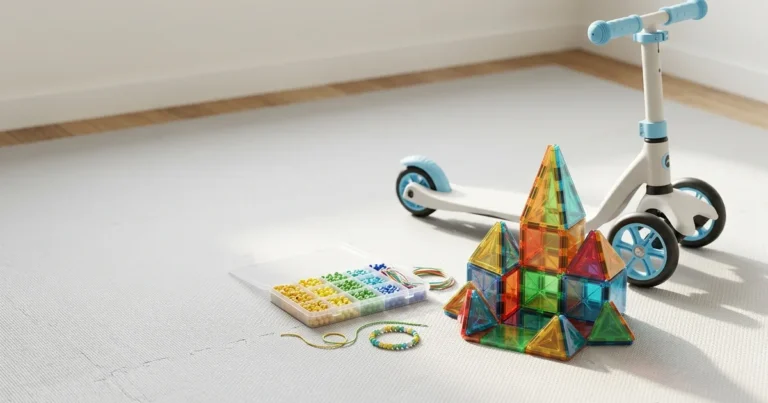
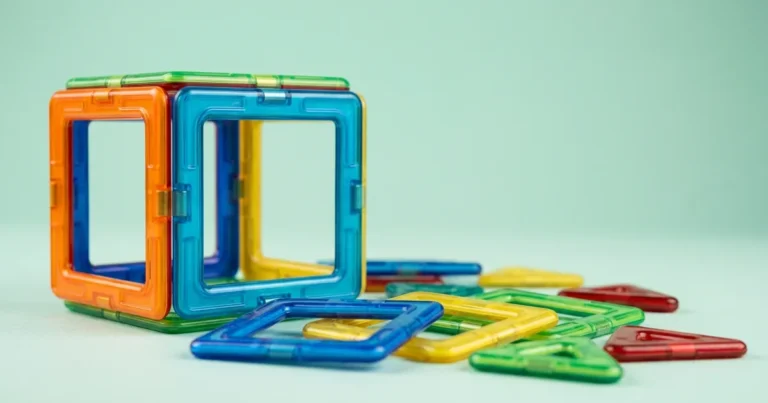
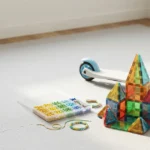
Magnetic toys are one of the purest forms of responsive play available today. The second two pieces come near each other, the child feels the pull, hears the click, and sees a structure form. Nothing about the outcome is scripted, so every session looks different.
A well-designed set like the Graflo Magnetic Train for Kids (65 pcs) is a great entry point for younger builders, offering enough pieces for a satisfying layout without overwhelming a child who is just learning spatial planning. For families with slightly older children or siblings who want to build bigger, more elaborate tracks together, the Magnetic Train Set for Kids (178 pcs) scales up the same responsive, snap-and-build experience into something that can fill an entire afternoon, including bridges, loops, and multi-level track designs.
What makes these sets genuinely interactive rather than just a pile of parts is the immediate magnetic feedback: connections either hold or they do not, and children quickly learn to adjust angle, pressure, and orientation to get the result they want. That is real engineering thinking, built through play, long before a child ever sees a classroom.
2. Sensory and creative art toys
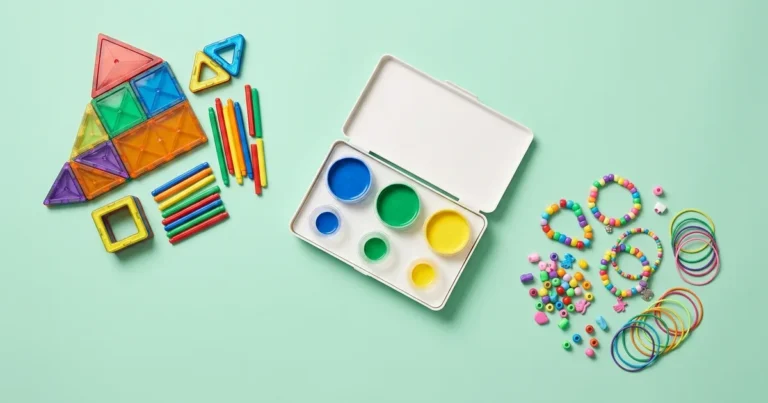
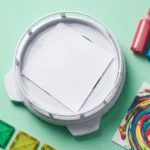
Not every responsive toy needs batteries or magnets. Art materials respond to a child’s hand pressure, colour choices, and mixing decisions in ways that are endlessly variable. A set of finger paint in 12 colors is a classic example: the canvas responds instantly to every swipe, dab, or smear, and no two sessions ever look the same. For toddlers and preschoolers, this kind of unscripted, sensory-rich feedback is some of the most valuable interactive play available, because it combines fine motor development, colour recognition, and open emotional expression in a single, mess-friendly activity.
When choosing finger paint or any art supply for young children, always confirm it is labelled non-toxic and washable, since hands-on art time inevitably means some paint ends up on faces, clothes, and walls before it ends up on paper.
3. Construction and modular building sets
Beyond magnetic trains, broader construction toys such as interlocking blocks, gear sets, and modular panels respond to a child’s creativity rather than to electronics. The responsiveness here is structural: a tower either stands or falls, a gear either turns the next gear or it does not. This immediate physical feedback teaches persistence and basic physics concepts long before a child has the vocabulary to describe them.
4. Light-and-sound response toys (used selectively)
Electronic toys that respond to voice, touch, or motion absolutely have a place in a balanced toy rotation, particularly for toddlers who are building early cause-and-effect understanding. The key is choosing ones with varied responses rather than a single repeating loop, and limiting how much of the toy shelf they occupy compared to open-ended options. A toy piano that plays a different note for each key, or a shape sorter that lights up a specific colour for a correctly matched shape, offers genuine responsive feedback that supports learning.
5. Pretend play sets with movable, reactive parts
Play kitchens with turning dials, doctor kits with components that fit together only one correct way, and dollhouses with doors that open and furniture that rearranges all count as responsive toys. The child’s actions directly change the state of the toy, and the open-ended nature of pretend play means the responses are shaped entirely by the story the child is telling.
Choosing Interactive Toys by Age Group
A toy that is wonderfully responsive for a six-year-old can be a safety risk for a toddler, and a toy that delights a toddler can bore a grade-schooler within minutes. Matching responsiveness to developmental stage is just as important as matching it to safety standards.
Ages 1 to 2: Simple, immediate cause and effect
At this stage, children need toys with large, easy-to-grip pieces and very immediate, obvious responses. Shape sorters, simple stacking rings, and chunky push-button toys with large, well-sealed battery compartments work best. Avoid anything with small magnetic pieces or detachable parts smaller than a fist.
Ages 3 to 5: Expanding creativity and early building logic
Preschoolers are ready for more complex responsive play: magnetic building sets with a moderate piece count, art materials like finger paint and washable markers, and simple pretend play sets. This is the age where a toy like the Graflo 65-piece magnetic train set shines, offering enough complexity to challenge a growing imagination without overwhelming small hands. Browse the full ages 3-5 years collection for more options matched to this exact developmental window.
Ages 6 to 8: Complex building, strategy, and storytelling
Grade-school children are ready for larger, more intricate responsive toys that reward planning and multi-step thinking. A 178-piece magnetic train set, advanced construction kits, and creative art projects with multiple steps all fit well here, since children at this age can sustain attention across longer, more ambitious builds. The ages 6-8 years collection is a good starting point for finding toys that match this stage of fine motor and cognitive development.
A Practical Buying Checklist for 2026
Use this quick checklist whenever you are deciding between two interactive toys, whether shopping online or in person.
- Does it respond differently depending on what the child does? If the answer is no, it is reactive rather than truly interactive, and will likely be set aside within a week.
- Is the age grading appropriate for every child who will have access to it? Consider siblings, cousins, and visiting children, not just your own child’s exact age.
- Are the materials non-toxic and the finish smooth? Check for certification marks and avoid anything with a strong chemical smell.
- Can it survive real play? Ask whether the toy is built to be dropped, stacked hard, and handled daily, not just displayed gently on a shelf.
- Does it leave room for creativity? The best toys do not dictate a single outcome. Look for sets that can be rebuilt, rearranged, or reused in new ways.
- Is the battery compartment secure, if applicable? Any electronic toy should require a tool to access batteries.
- Will it still be interesting in three months? Favour toys with expandable piece counts or multiple modes of play over single-function gadgets.
How to Build a Balanced, Responsive Play Shelf at Home
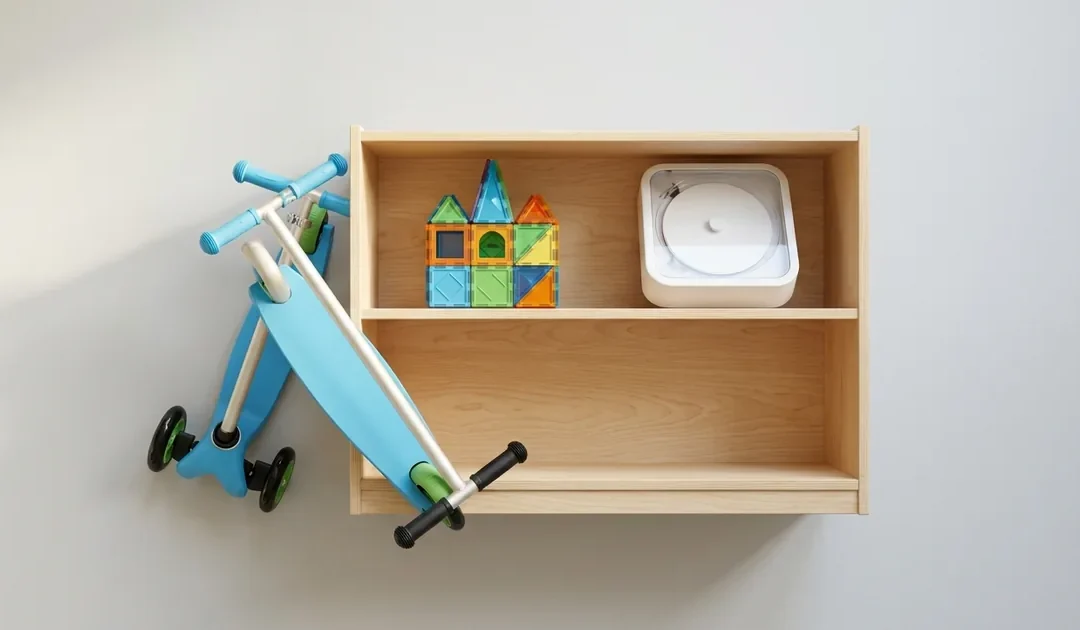
Rather than buying one toy at a time without a plan, think of your child’s toy shelf as a small, curated collection with a few different types of responsive play represented. A well-rounded shelf for a preschooler, for example, might include one magnetic building set, one sensory art activity, one pretend play set, and one or two simple electronic cause-and-effect toys. This variety ensures a child is getting fine motor practice, creative expression, spatial reasoning, and language development across different play sessions, rather than repeating the same type of interaction every day.
Rotate toys instead of buying constantly
One often-overlooked trick for keeping interactive toys fresh and genuinely engaging is rotation. Put a third of your child’s toys into a storage box out of sight, and swap them back in every few weeks. A magnetic train set that has been resting in a box for a month will feel brand new again, and the responsiveness that made it exciting the first time will re-engage your child without any new spending.
Encourage open-ended combinations
Some of the richest responsive play happens when toys are combined in ways the manufacturer never intended. A magnetic train track can become part of a pretend play story involving dolls or figures. Finger paint can be used to decorate a cardboard structure built from a construction set. Encouraging this kind of cross-toy creativity multiplies the responsiveness of every single item on the shelf.
Join the play, at least sometimes
Interactive toys respond most richly when a parent occasionally joins in. Asking open questions like “what happens if we build the track this way instead?” models problem-solving language and shows children that their choices genuinely change outcomes, reinforcing the cause-and-effect learning the toy is designed to support.
Common Mistakes Parents Make When Choosing Interactive Toys
Mistake 1: Prioritising noise and lights over genuine responsiveness
A toy that lights up on a fixed loop regardless of the child’s actions can look impressive in a shop display, but it offers very little real interactivity. Always ask whether the response changes based on what the child does, not just whether the toy makes noise.
Mistake 2: Buying far above the recommended age
It is tempting to buy a toy that looks impressive for an older child, assuming your toddler will “grow into it.” In the meantime, small parts and complex mechanisms sit within reach and create real safety risks. Buy for the age your child is now, and upgrade later.
Mistake 3: Overloading the shelf
Too many toys available at once can actually reduce engagement, since children struggle to focus when overwhelmed by choice. A smaller, well-rotated collection of genuinely responsive toys produces deeper, longer play sessions than a mountain of options.
Mistake 4: Ignoring piece count versus skill level
A 178-piece magnetic set is wonderful for a confident six-year-old but can frustrate a three-year-old who is still mastering basic connections. Match piece count and complexity to current skill level, then size up as confidence grows.
Mistake 5: Forgetting to check for recalls or certification
Especially with electronic or magnetic toys, always confirm the product has passed relevant safety testing and has no active recall notices before purchase, and check again periodically for toys already in the home.
Maintaining Interactive Toys for Long-Term Safety
Responsive toys get more daily wear than most other items in the house, so a simple maintenance routine keeps them both safe and fun for longer.
- Weekly visual checks: look over magnetic pieces, battery compartments, and connection points for cracks, loose magnets, or exposed wiring.
- Clean regularly: wipe down plastic and wooden pieces with a damp cloth, and allow art tools like paintbrushes to dry fully before storage to prevent mould.
- Replace batteries properly: always use the battery type specified by the manufacturer, and dispose of old batteries safely rather than leaving them loose in a toy box.
- Retire damaged pieces immediately: a cracked magnetic piece or a train car with an exposed edge should be removed from play straight away, not “kept for now.”
Looking Ahead: What’s Changing in Interactive Toys for 2026
Parents shopping in 2026 will notice a continued shift away from single-function, fixed-loop electronic toys and toward modular, expandable systems that grow with a child’s skills. Magnetic building sets are increasingly designed with compatible pieces across different box sizes, meaning a smaller starter set can be expanded later with a larger set rather than replaced entirely. Sensory and art-based toys are also seeing a renewed focus on genuinely non-toxic, washable formulas as parents prioritise safety alongside creativity. The common thread across all of these trends is responsiveness that rewards a child’s own choices, rather than entertainment that simply plays out the same way every time.
Conclusion
Choosing the best interactive toys for kids that respond to play in 2026 comes down to a simple filter: does the toy react honestly to what my child actually does, and is it safe enough that I do not have to worry while they do it? Magnetic building and train sets, sensory art materials, and well-chosen construction toys consistently deliver this kind of rich, responsive play across toddler, preschool, and grade-school years. Start with the age-appropriate category that matches where your child is right now, check every item against the safety checklist above, and build a small, rotating collection rather than an overflowing toy box. The result is a play shelf that genuinely grows with your child, one satisfying click, snap, or brushstroke at a time.
Frequently Asked Questions
What exactly makes a toy count as ‘interactive’ or responsive rather than just electronic?
A truly responsive toy changes its outcome based on what the child specifically does, rather than playing a fixed loop regardless of their actions. Magnetic building sets, art materials, and construction toys are strong examples because the result always depends on the child’s own choices, not a pre-set program.
Are magnetic building and train sets safe for toddlers under 3?
Magnetic sets with small pieces are generally recommended for children 3 and above due to choking and ingestion risks. Always check the manufacturer’s age label, and keep smaller magnetic sets out of reach if you have younger siblings in the home.
How many interactive toys should be on a child’s shelf at once?
Less is usually more. A smaller, rotating collection covering a few different categories, such as one magnetic building set, one art activity, and one pretend play item, tends to produce deeper engagement than a large pile of toys available all at once.
Is finger paint considered an interactive toy for toddlers?
Yes. Finger paint responds instantly to pressure, colour mixing, and hand movement, making it one of the richest forms of sensory, responsive play for toddlers and preschoolers. Always choose a non-toxic, washable formula designed for young children.
How do I know when to upgrade from a smaller magnetic set to a larger one?
If your child is consistently completing their current layout quickly, asking for more pieces, or attempting more complex structures like bridges and loops, it is usually a good sign they are ready for a larger piece count set that offers more building possibilities.