Last updated: October 4, 2026
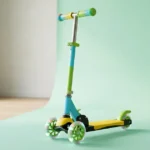
A kick scooter for kids is one of the simplest ways to get your child moving, balancing, and building confidence outdoors, but only if you choose the right size, the right number of wheels, and the right safety gear for their age. In the UAE, where community parks, cycling tracks, and mall atriums give families plenty of smooth, scooter-friendly surfaces, a good scooter can quickly become your child’s favourite way to spend an evening. This guide walks you through everything a parent needs to know before buying one, from safety basics to age-by-age sizing, so your child can ride safely and happily for years to come.
Why a Kick Scooter Is a Smart First Wheeled Toy
Long before a child is ready for a bicycle, a kick scooter offers a gentler, more controllable introduction to balance and speed. Because the rider’s feet stay close to the ground, scooters are naturally more forgiving than bikes. If a toddler wobbles, they can simply plant a foot down instead of tipping over completely. This makes the kick scooter for kids category one of the most popular starter vehicles recommended by paediatric physiotherapists and early-years educators across the UAE.
Scooters also encourage a type of play that is becoming harder to come by in an air-conditioned, screen-heavy world: free, physical, outdoor movement. A thirty-minute scooter ride around the community park works the legs, the core, and the arms, all while the child is having too much fun to notice they are exercising.
The Developmental Benefits of Scootering
Parents often ask whether a scooter is “just a toy” or something with real developmental value. The honest answer is that it is both, and the physical benefits are well documented.
Balance and Core Strength
Standing on a moving platform with one foot while pushing off with the other forces the body to constantly make tiny balance corrections. Over weeks of riding, this builds core strength and proprioception, the sense of where the body is in space, which later supports skills like running, climbing, and even handwriting posture.
Gross Motor Coordination
Steering with the hands while pushing with the legs requires the brain to coordinate the upper and lower body at the same time. This cross-body coordination is a building block for more complex sports skills later on, from swimming strokes to football footwork.
Confidence and Independence
There is a particular kind of pride on a child’s face the first time they glide across the park without a parent’s hand on the handlebar. That small taste of independence, achieved safely, feeds into confidence in other areas of life too.
Healthy Screen-Time Balance
Outdoor scooter time is a natural, enjoyable way to pull children away from tablets and television. Many UAE parents pair an hour of scootering in the evening with quieter indoor play earlier in the day, such as building with a magnetic train set or practising fine motor skills with finger paints, giving the day a healthy mix of active and calm activities.
Safety First: What Every UAE Parent Should Check Before Buying
No developmental benefit matters if the ride is not safe. Before your child takes their first push, make sure the following boxes are ticked.
Essential Safety Gear
- Helmet: A correctly fitted, certified helmet is non-negotiable. It should sit level on the head, two finger-widths above the eyebrows, with the strap snug enough that only one or two fingers fit underneath the chin.
- Knee and elbow pads: Falls on UAE pavements and mall floors can cause nasty grazes. Padded knee and elbow guards reduce the risk of scrapes significantly, especially during the wobbly first few weeks.
- Closed-toe shoes: Sandals and flip-flops are a common cause of scooter injuries because toes can get caught under the deck or scraped on the ground while pushing off. Always choose closed, well-fitted shoes.
- Wrist guards for older kids: Once children start riding faster or attempting small tricks, wrist guards help prevent sprains from instinctive hand-first falls.
Age-Appropriate Safety Checks
Before every ride, especially with a new scooter, do a quick thirty-second check: spin each wheel to confirm it rolls freely, press down on the folding mechanism (if it has one) to make sure it locks firmly, and check that the handlebar height is still properly secured. A loose folding joint or a handlebar that slips mid-ride is one of the most common causes of avoidable falls.
Choosing the Right Riding Surface
In the UAE, the best places to ride are smooth, flat surfaces away from traffic: community park pathways, cycling and jogging tracks, villa compound driveways, and quiet residential streets with speed bumps. Avoid riding near swimming pools, on gravel, or on the sandy fringes of parks where wheels can catch suddenly and throw a rider forward. Mall atriums can work well outside of busy hours, but always check the specific mall’s rules first, as some restrict wheeled toys during peak times.
Supervision by Age
Children under five should always be within arm’s reach of an adult while riding, particularly near kerbs, car parks, and water features. Children aged six and above can ride a short distance ahead in a controlled park setting, but should still be supervised at road crossings and busy junctions until they are confidently stopping and looking both ways on their own.
How to Choose the Right Kick Scooter for Kids
Walk into any toy aisle and you will see dozens of scooters that look similar but behave very differently once a child is actually riding one. Here is what actually matters.
Two Wheels vs Three Wheels
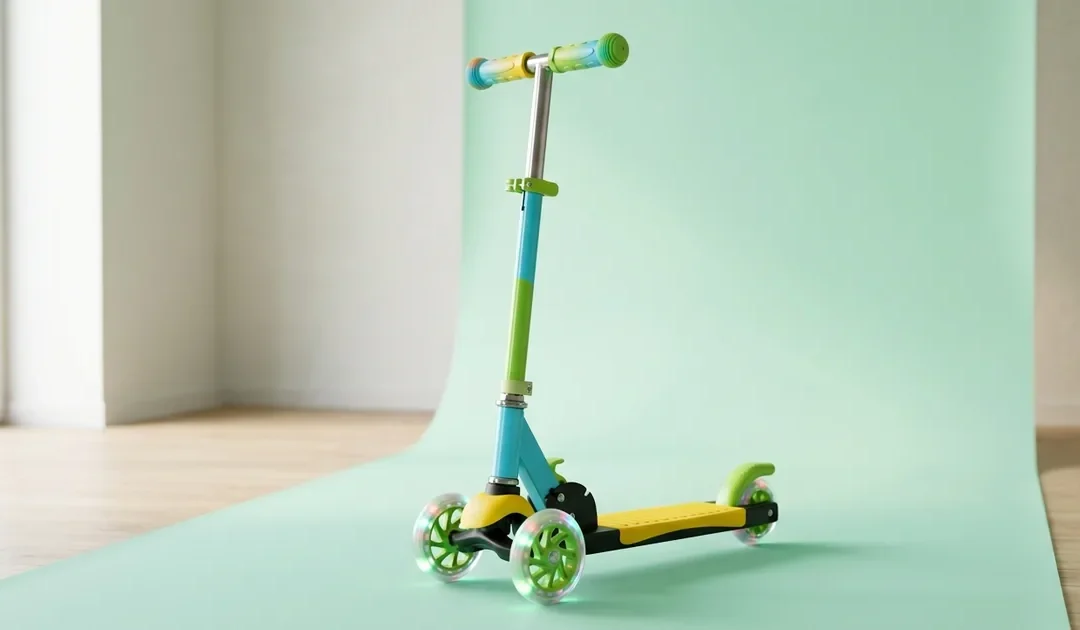
Three-wheeled scooters, with two wheels at the front and one at the back (or sometimes the reverse), are far more stable and are the right choice for toddlers and preschoolers. Many lean-to-steer three-wheel designs do not even require handlebar turning, which suits children who are still mastering basic balance. Two-wheeled scooters require more core control and arm strength to steer and are generally better suited to children aged six and above who have already built confidence on a three-wheeler or a balance bike.
Adjustable Handlebars
Children grow fast, and a scooter with an adjustable handlebar height can comfortably last through two or three growth spurts instead of being outgrown in a single season. Look for a scooter with at least three or four height settings so it can grow from preschool height right through to early primary school height.
Wheel Size and Material
Larger wheels, generally above 120mm, roll more smoothly over small cracks, pebbles, and uneven pavement, which matters a lot on UAE pavements that can be gritty after sandstorms. Polyurethane (PU) wheels offer a good balance of grip, durability, and a smooth, relatively quiet ride compared to harder plastic wheels.
Deck Width and Grip
A wider deck gives small feet more room to find a stable stance, which is especially important for first-time riders. Check that the deck surface has a textured, grippy finish, since smooth plastic decks can become slippery, particularly if little feet are sweaty from the UAE heat.
Weight and Portability
If you plan to carry the scooter into the lift, the car boot, or up to the apartment, a lightweight aluminium frame is much easier to manage than a heavier steel one. A good folding mechanism that locks securely flat is a genuine convenience for daily park trips.
Braking System
Most kids’ scooters use a simple rear fender brake that the child presses down on with their foot. Make sure your child can comfortably reach and press the brake before you consider the scooter the right fit, since a brake they cannot reach is effectively no brake at all.
Kick Scooters by Age Group
Toddlers, Around 2 to 3 Years
At this age, look for a sturdy three-wheel scooter with a wide stance, a low deck for easy stepping on and off, and a lean-to-steer mechanism rather than a turning handlebar, which can be confusing for very young riders. Sessions should be short, ten to fifteen minutes, in a flat, enclosed area such as a villa driveway or a quiet section of a community park.
Preschoolers, Around 3 to 5 Years
This is often the sweet spot for the classic three-wheel kick scooter. Children in this age range are developing real balance and enjoy the independence of steering themselves, while still benefiting from the extra stability three wheels provide. An adjustable handlebar is especially useful here since children grow quickly between three and five. Families often browse scooters alongside other active and creative toys suited to this stage in our ages 3 to 5 years collection, mixing outdoor movement with indoor creative play.
Young Children, Around 6 to 8 Years
By six, many children are ready to graduate to a two-wheeled scooter, especially if they already ride a bike or balance bike confidently. Look for larger wheels, a reinforced deck that can handle a bit more speed and weight, and a sturdier folding mechanism since children in this age group tend to ride further and more often. You can find complementary indoor activities for this age range in our ages 6 to 8 years collection, so active days outside are balanced with focused building or craft time indoors.
Older Kids, 9 Years and Above
Older children often want a scooter that can keep up with friends on bikes, so a two-wheeled model with larger, faster-rolling wheels, a solid aluminium deck, and a reliable brake becomes important. At this stage, some children also start experimenting with small jumps or tricks at skate parks, which makes a full set of safety gear, helmet, wrist guards, knee and elbow pads, essential rather than optional.
Scooter Riding Tips for Parents
Teaching a First-Time Rider
Start indoors or in a very short, flat stretch, with one foot on the deck and the other gently pushing. Let your child get used to the feeling of rolling before introducing turning. Many children naturally start to steer once they feel stable, so resist the urge to over-correct every small wobble.
Practising Stopping Safely
Before letting your child ride freely, practise using the brake together. A simple game of “ride, then stop at the tree” helps children build the habit of planning their stop in advance rather than reacting at the last second.
Building Road Awareness
Even in a quiet community, teach children to stop and look both ways at every driveway and kerb, not just busy roads. This habit, built early on a scooter, carries over directly into safer cycling and pedestrian behaviour later.
Making It a Routine, Not a One-Off
Scooters, like most active toys, get used far more often when they have a regular slot in the week. A short evening ride after school or a weekend park trip keeps skills sharp and turns the scooter into part of your child’s normal routine rather than a toy that gathers dust after the first week.
Maintenance and Care in the UAE Climate
UAE heat, dust, and occasional sandstorms can be tougher on outdoor toys than many parents expect. A little regular care keeps a kick scooter for kids rolling smoothly for years.
Cleaning After Outdoor Use
Wipe down the deck and frame with a damp cloth after dusty rides, and check the wheel bearings every few weeks, since fine sand can work its way in and slow the wheels down over time. A quick spin test, lifting the scooter and spinning each wheel by hand, is an easy way to check if bearings need cleaning.
Storage Tips
Store the scooter in shade rather than direct sun or a hot car boot, since prolonged heat can weaken plastic components and fade colours faster. If the scooter folds, folding it away after each use also protects the handlebar and brake mechanism from accidental knocks.
Regular Safety Checks
Every month or so, check that all bolts are tight, the folding clamp still locks firmly, and the brake still responds with light pressure. A loose bolt is a quick five-minute fix that prevents a much bigger fall later.
Common Mistakes Parents Make When Buying a Scooter
Buying Too Big “So It Lasts Longer”
A scooter that is too tall or too heavy for a child’s current size is actually harder to control, which can slow down their confidence and increase fall risk. An adjustable handlebar solves the growth problem far better than simply buying oversized.
Skipping the Helmet Because “It’s Just a Scooter”
Scooter falls can happen at surprising speed, especially downhill or on slightly uneven pavement. Treat scooter helmet use with the same seriousness as bicycle helmet use, right from the very first ride.
Ignoring the Deck Width
A narrow deck might look sleek, but for a first-time rider it often means less stable footing and more falls. Prioritise a wider, grippier deck for beginners over style.
Choosing Two Wheels Too Early
It is tempting to buy the “grown-up” two-wheeled scooter so a child does not need an upgrade soon. However, a child who has not yet mastered balance on three wheels often finds a two-wheeled scooter frustrating and may lose interest altogether. Matching the scooter to current ability, not future ambition, usually leads to a happier, more confident rider.
Balancing Active Play with Indoor Learning
A well-rounded day for most UAE families mixes high-energy outdoor time with calmer, focused indoor play, particularly during the hottest midday hours when heading outside is not ideal. After a scooter session in the cooler morning or evening hours, many parents bring their child indoors for activities that build fine motor skills and patience, such as connecting pieces in a large magnetic train set or exploring colour and texture with washable finger paints. This balance of gross motor play outside and fine motor play inside supports well-rounded physical and cognitive development, rather than leaning too heavily on either type of activity alone.
Conclusion
A good kick scooter for kids is far more than a fun way to pass an afternoon. It supports balance, coordination, confidence, and healthy outdoor habits, all while giving your child a genuine sense of independence. The key is matching the scooter to your child’s current size and skill level, insisting on proper safety gear from day one, and choosing safe, smooth riding spots suited to the UAE’s climate and community layout. With the right scooter and a few simple safety habits, you will likely find your child begging for “just one more lap” around the park, which, developmentally speaking, is exactly what you want to hear.
Frequently Asked Questions
At what age can my child start using a kick scooter?
Most children can start on a stable, three-wheeled kick scooter from around two to three years old, as long as it has a low deck, a wide stance, and a lean-to-steer mechanism. Always supervise closely during the first few weeks of riding.
Should I choose a two-wheel or three-wheel scooter for my child?
Three-wheel scooters are more stable and better suited to toddlers and preschoolers who are still developing balance. Two-wheel scooters generally suit children aged six and above who already have confidence from riding a three-wheeler or balance bike.
What safety gear does my child need for a kick scooter?
At minimum, your child should wear a properly fitted certified helmet and closed-toe shoes. Knee and elbow pads are strongly recommended, and wrist guards are useful once a child starts riding faster or attempting tricks.
Where is it safe for kids to ride a scooter in the UAE?
Flat, smooth surfaces such as community park pathways, cycling tracks, and quiet residential streets are ideal. Avoid gravel, sandy areas near parks, and spots close to swimming pools or busy traffic.
How do I know if a kick scooter is the right size for my child?
When your child stands on the deck with hands on the handlebar, their elbows should be slightly bent, not locked straight or raised too high. A scooter with an adjustable handlebar makes it easy to keep the fit correct as your child grows.