Last updated: September 16, 2026
A well-chosen kick scooter for kids can be one of the safest and most rewarding first wheels a child ever owns, but only when the wheel size, deck width, and handlebar height actually match your child’s age and skill level. Too many falls happen not because a child was reckless, but because the scooter itself was too tall, too tippy, or too advanced for a beginner. This guide walks UAE parents through everything that matters: how a kick scooter differs from other ride-on toys, the developmental benefits behind the wobbles and giggles, a practical age-by-age sizing chart, the safety gear that is genuinely non-negotiable, and where in the Emirates you can let your child ride with real peace of mind.
What Exactly Is a Kick Scooter?
A kick scooter is a simple, human-powered ride-on toy with a flat standing deck, two or three wheels, and a handlebar that the child holds while pushing off the ground with one foot. Unlike electric scooters or balance bikes, there is no motor and no pedals, the child controls speed entirely with their own leg power and steers by leaning and turning the handlebar. This makes it one of the most transparent, low-risk ways for a young child to build coordination, because the child is always in direct physical control of the toy’s speed.
Two-Wheel vs Three-Wheel Kick Scooters
Three-wheel kick scooters have two wheels at the front and one at the back (or vice versa), and they are naturally more stable because the wide wheelbase resists tipping sideways. Many three-wheel models steer by leaning the whole body rather than turning a handlebar, which is a gentle, forgiving way for toddlers to learn. Two-wheel kick scooters are lighter, faster, and require genuine balance, since there is nothing holding the scooter upright except the rider. Two-wheel scooters are the right next step once a child has outgrown the wobble-proof feel of a three-wheeler, usually somewhere between ages 5 and 7, though every child develops at their own pace.
Why a Kick Scooter Is More Than Just a Toy
It is easy to see a kick scooter as pure fun, and it certainly is, but underneath the fun there is real developmental work happening in a child’s body and brain every time they ride.
Balance and Core Strength
Standing on a moving platform with one foot while the other pushes off the ground forces a child’s core, ankles, and inner ear (vestibular system) to constantly recalibrate. This is the same balance foundation that later supports cycling, swimming, and even sitting still and focused at a school desk.
Gross Motor Coordination
Steering, leaning, pushing, and stopping all at once is a genuine multitasking challenge for a young brain. Riding a kick scooter regularly strengthens the connection between what a child sees, what they intend to do, and how their arms and legs actually respond, a skill called motor planning.
Independence and Confidence
There is a particular kind of pride on a child’s face the first time they glide across the living room floor or down a short ramp at the park without a wobble. That small taste of independent mobility, of moving their own body through space under their own control, builds confidence that carries over into other new challenges, from climbing frames to the first day of a new class.
Outdoor Time and Screen Balance
In a country where summer heat pushes families indoors for months, a kick scooter gives children an irresistible reason to get outside during the cooler morning and evening hours, or to burn energy in an air-conditioned mall atrium or community hall. It is a simple, screen-free way to fill twenty or thirty minutes of pure physical play.
Balancing Active Play With Quiet Focus Time
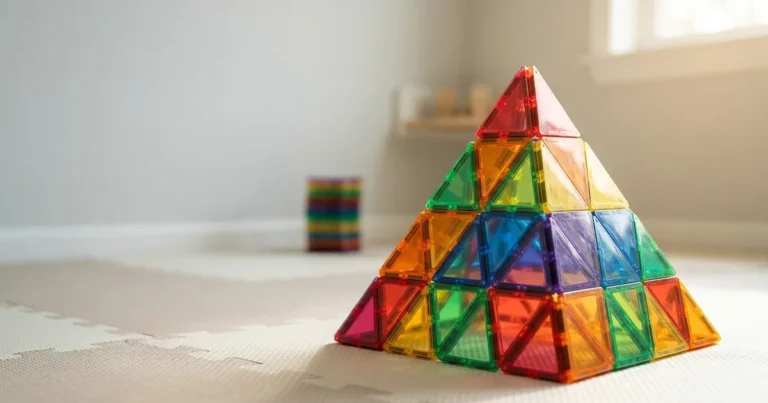
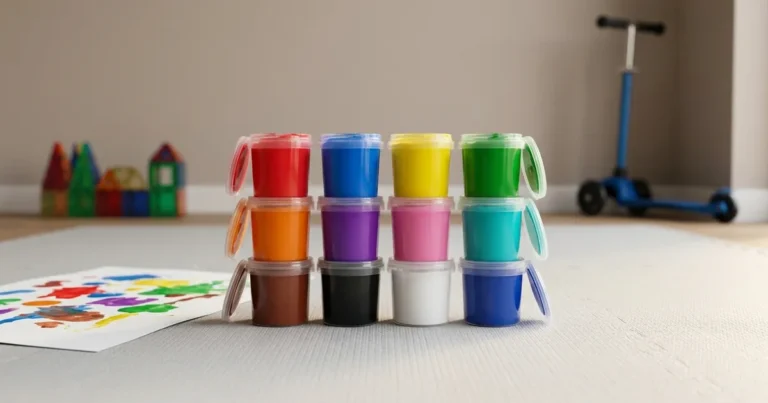
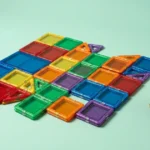
Physical, gross-motor play like scootering works best alongside quieter activities that build fine motor skills and concentration. On hot afternoons when outdoor riding is not an option, many UAE parents keep a rotation of indoor activities ready, building a magnetic train set for hand-eye coordination, or letting little hands explore color and texture with washable finger paint. A day that mixes big-muscle outdoor movement with small-muscle indoor focus gives a child’s whole body and brain a well-rounded workout.
Choosing the Right Kick Scooter by Age
The single biggest safety factor in kick scootering is not the brand, it is fit. A scooter that is too tall makes a toddler stretch and lose balance, while one that is too small forces an older child to hunch over and lose steering control. Use the age ranges below as a starting point, then confirm fit with your own child standing on the deck at the shop.
Ages 1.5 to 3 Years: Sit-and-Push or Ultra-Stable Three-Wheelers
At this age, look for a wide three-wheel base, a low deck close to the ground, and a wide steering column that steers by leaning rather than a tight handlebar turn. A seat attachment that clips on and off is useful for children who are still building leg stamina and need a rest between pushes. Keep sessions short, five to ten minutes, and always stay within arm’s reach.
Ages 3 to 5 Years: Adjustable Three-Wheel Scooters
This is the classic kick scooter age. Choose a model with an adjustable handlebar height so it grows with your child over one or two years, a wide non-slip deck, and soft, large-diameter wheels (around 120mm) that roll smoothly over small pavement cracks and rougher tile without jarring a small child’s wrists. Browse age-matched options in our 3-5 years collection to compare toys that suit this exact stage of coordination.
Ages 5 to 8 Years: Transitioning to Two-Wheel Scooters
Once a child rides a three-wheeler confidently with no hand on a wall or parent, they are usually ready to try a two-wheel kick scooter. Look for a lightweight aluminium frame (lighter means easier control), a rear fender brake the child can reach with their foot without leaning down, and wheels of at least 125mm to 150mm for a smoother, faster, more stable ride. Explore our 6-8 years collection for scooters and other active toys matched to this stage.
Ages 8 and Above: Sport and Trick Scooters
Older, confident riders often move toward stunt or freestyle scooters with a single fixed-height bar, a reinforced deck for standing tricks at skate parks, and firmer, smaller wheels for quick spins and grinds. These are genuinely a different category of product built for durability under hard impacts, and they should always be paired with full protective gear.
Key Features to Check Before You Buy
Wheel Size and Material
Larger wheels roll more smoothly and hold speed better over UAE’s mixed surfaces of smooth mall tile, textured community pavement, and the occasional rough park path. Polyurethane (PU) wheels are the industry standard, offering a good balance of grip, durability, and a quiet ride. Avoid hard plastic wheels on budget scooters, as they transmit every bump straight up through the child’s legs and can feel unstable on textured tiles.
Deck Width and Height
A wider deck gives small feet more room to find their footing, which matters enormously for a first-time rider. Deck height off the ground should be low enough that your child can push off comfortably without over-extending their standing leg.
Handlebar Adjustability
An adjustable handlebar is one of the best value features on any kick scooter, since it means one purchase can comfortably fit your child for a year or two of growth rather than being outgrown in a single season.
Braking System
Most three-wheel scooters use a simple rear fender brake pressed down with the foot. Check that your child can actually reach and operate it comfortably before buying, some rear brakes sit too far back for smaller feet.
Weight Limit and Build Quality
Every scooter is rated for a maximum rider weight. Buying a scooter close to that limit for a growing child means you will likely need to size up again within a year, so it is often better to choose a slightly higher weight-rated model with an adjustable handlebar for longer use.
Folding Mechanism
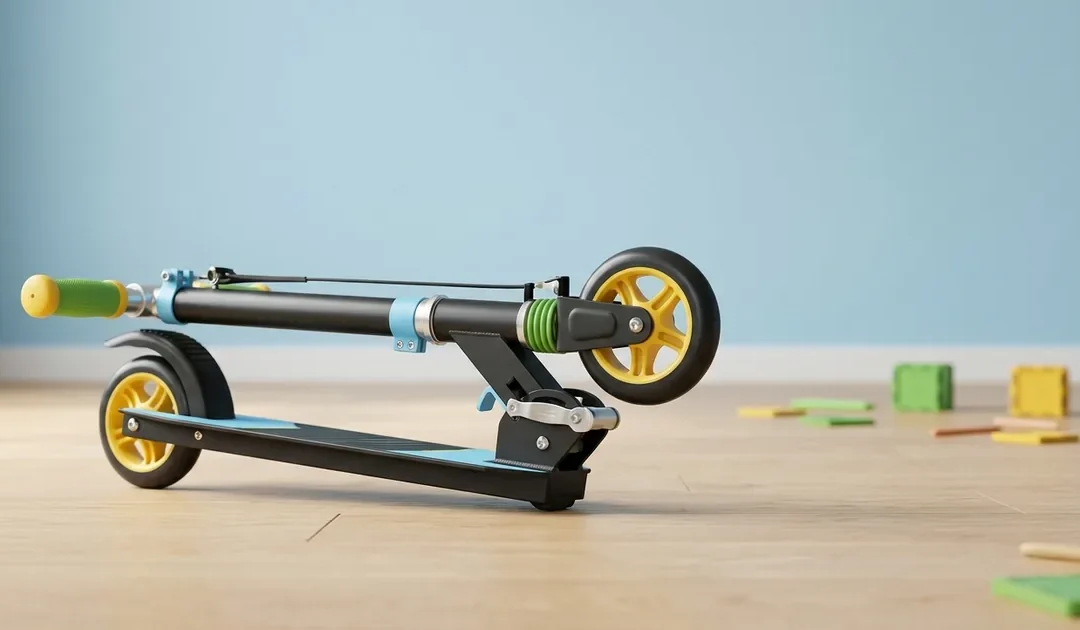
For UAE families who want to bring a scooter along to the park, a friend’s compound, or a family trip, a folding frame with a secure locking clip makes transport and car boot storage far easier. Always double check the fold-lock clicks fully into place before handing the scooter to your child.
Safety Gear: The Non-Negotiables
A kick scooter itself is low-risk compared to bicycles or motorized ride-ons, but falls still happen, especially in the first few weeks of learning. The right protective gear turns a scraped knee into a non-event rather than an emergency room visit.
Helmet
A correctly fitted helmet is the single most important piece of safety gear for any wheeled toy. It should sit level on the head, two finger-widths above the eyebrows, with the chin strap snug enough that only one or two fingers fit underneath. Replace any helmet after a hard impact, even if it looks undamaged, since the internal foam can be compressed invisibly.
Knee and Elbow Pads
Young children fall forward or sideways most often while learning to balance, and padded knees and elbows absorb the vast majority of scrapes from these early tumbles on pavement or tile.
Wrist Guards
A child’s instinct is to put their hands out to catch a fall, which makes wrists one of the most commonly injured areas in scooter falls. Rigid wrist guards prevent hyperextension and are especially worth the investment for children just starting out.
Closed, Non-Slip Shoes
Flip-flops, sandals, and open-toed shoes should never be worn while riding a kick scooter. A closed sports shoe with a grippy sole gives the pushing foot proper traction and protects toes from the wheel or pavement.
UAE-Specific Safety Considerations
Beating the Heat
Outdoor scooter time in the UAE is best scheduled for early morning or after sunset for most of the year, when pavement and metal handlebars have cooled down. During peak summer months, indoor community halls, covered courtyards, and air-conditioned indoor play areas are far safer and more comfortable choices than midday outdoor riding.
Surface Awareness
UAE communities often mix smooth paved paths with textured tiles, sand drifts near open lots, and the occasional uneven curb transition. Before letting a young child ride freely, walk the intended route yourself to check for loose sand patches, tile edges, or unexpected drops that could catch a small front wheel.
Sharing Space With Pedestrians, Cyclists, and Traffic
Community parks and walkways in Dubai, Abu Dhabi, and Sharjah are shared by walkers, joggers, cyclists, and other children. Teach your child early to keep to one side, to slow down near blind corners, and to always stop and check before crossing any driveway, car park exit, or road crossing, however small it looks.
Supervision Distance by Age
For children under 5, stay within arm’s reach at all times, especially near steps, ramps, water features, or car parks. For children 5 to 8, close supervision from a nearby bench or walking pace behind them is usually appropriate once they have shown consistent control and good judgment around stopping and looking. Every child is different, so let demonstrated skill, not just age, guide how much independence you allow.
Great Places to Ride a Kick Scooter in the UAE
Look for community parks with dedicated smooth walking paths separate from cycling lanes, family-friendly waterfront promenades with wide paved corniches, and indoor or covered community courtyards for the hottest months. Many residential compounds also have internal car-free loops that are ideal for a first-time rider to build confidence away from any traffic at all. Whichever spot you choose, arrive early in the day during summer and always scan the path for other scooter riders, cyclists, and pedestrians before your child sets off.
Teaching Your Child to Ride: A Step-by-Step Approach
Step One: Standing and Balancing
Before any pushing off, let your child simply stand on the stationary scooter, one foot on the deck, both hands on the handlebar, to get a feel for the height and balance point. Hold the handlebar steady yourself for the first few tries.
Step Two: The First Gentle Push
On a flat, smooth, empty surface, encourage one small push with the free foot, just enough to glide a short distance while both hands stay on the handlebar. Resist the urge to let go and run alongside too early, a few slow, controlled glides build far more confidence than one fast, wobbly attempt.
Step Three: Steering Practice
Once gliding feels comfortable, set up two soft markers, like small cones or rolled towels, a few metres apart and practice gentle weaving between them at walking pace.
Step Four: Braking on Command
Before allowing any real speed, make sure your child can stop reliably using the rear brake or by dragging a foot, and practice this stopping skill on a flat surface until it becomes automatic.
Step Five: Building Speed and Distance Gradually
Only after balance, steering, and braking are all solid should you allow longer distances or gentle slopes, and always in a controlled, low-traffic area.
Maintenance and Care
Regular Checks
Before each ride, do a quick thirty-second check: spin each wheel to confirm it turns freely without wobbling, press the brake to confirm it engages firmly, and check that the folding clip (if the scooter folds) is fully locked.
Cleaning
Wipe down the deck and handlebar with a damp cloth after sandy outdoor sessions, since fine sand can work its way into wheel bearings over time and cause grinding or squeaking.
Storage
Store the scooter indoors or in a shaded, covered area rather than leaving it in direct sun on a balcony, since prolonged heat exposure can degrade plastic components and grip tape faster than normal indoor use.
When to Replace
Replace the scooter if the frame shows any cracks, if the handlebar height adjustment no longer locks securely, or if wheels have worn down unevenly enough to affect steering. Safety gear like helmets should also be checked each season for cracks or loose straps.
Common Mistakes Parents Make
The most frequent mistake is buying a scooter sized for how tall a child will be in a year, rather than how tall they are right now, which leaves a beginner struggling to balance from day one. A close second is skipping the helmet for short rides around the block, when in fact most falls happen precisely during these casual, low-guard moments. Many parents also let excitement outrun readiness, allowing a child to attempt speed or slopes before basic stopping is reliable. Finally, some families buy the cheapest available scooter without checking wheel material or deck width, and end up with a jittery, uncomfortable ride that puts a child off scootering altogether within a week.
Building a Well-Rounded Play Routine
A kick scooter is a fantastic anchor for a child’s active play, but the healthiest routines mix gross motor movement outdoors with quieter, fine motor activities indoors. After an energetic scootering session, many parents find their child settles beautifully into calmer building play, working through the connecting pieces of a larger 178-piece magnetic train set, which builds patience, sequencing, and spatial reasoning in a completely different way than outdoor riding does. Rotating between big-muscle outdoor time and small-muscle indoor focus throughout the week helps children develop evenly across all areas of coordination, not just the ones that happen to be most fun that day.
Frequently Asked Questions Parents Ask Us
Below are a few quick answers to the questions we hear most often from UAE parents shopping for a first kick scooter, alongside the fuller FAQ section further down this page.
Conclusion
A kick scooter, when correctly sized and paired with proper safety gear, is one of the simplest and most joyful ways to build a child’s balance, confidence, and love of outdoor movement here in the UAE. Start with a stable, age-matched model, insist on the helmet every single time, choose cooler hours and safe surfaces for practice, and let your child’s demonstrated skill, not just their age, guide how much independence they earn on wheels. With the right setup and a little patient coaching, most children move from wobbly first pushes to confident, happy gliding within just a few weeks, and that confidence tends to spill over into everything else they try next.