Last updated: October 4, 2026
At five years old, your child is no longer a toddler reaching for anything soft and colorful, they are a curious little thinker who wants to build, pretend, question, and create with real purpose. Choosing preschool toys for 5 year olds at this stage means balancing safety with genuine developmental challenge, because a toy that was perfect at age three may now feel too simple, while something meant for older kids could carry small parts or complexity that is not quite right yet. This guide walks UAE parents through exactly what matters most this year: safety standards, the developmental skills your child is building right now, the toy categories that deliver real value, and practical, budget-friendly advice in AED so you can shop with confidence.
Why the Right Toys Matter So Much at Age Five
Five is a pivotal year. Many children in the UAE are starting or continuing kindergarten, learning to write their names, count beyond ten, share with classmates, and manage big feelings without a meltdown every time. Play is not a break from this learning, it is the learning. A well-chosen toy quietly teaches patience, hand-eye coordination, cause and effect, cooperation, and early literacy or numeracy, all while your child thinks they are simply having fun.
Child development specialists consistently point out that children retain concepts far better through hands-on, open-ended play than through passive entertainment. This is why the toys you bring into your home at this age genuinely shape how confidently your child approaches new challenges, both at the kitchen table and later in the classroom.
What Makes a Toy Truly Appropriate for a 5 Year Old
Not every toy labeled for preschoolers is actually right for a five year old. Age ranges on packaging are a helpful starting point, but a thoughtful parent looks a little deeper.
Safety Standards and Certifications
Always check that a toy carries recognized safety certifications before it enters your home. Look for non-toxic, lead-free materials, especially for anything your child might put near their mouth, and smooth, rounded edges with no exposed screws or sharp seams. Small magnetic pieces deserve particular attention, they should be large enough to prevent swallowing and securely fixed so they cannot be pried loose by curious fingers. Reputable brands will clearly list safety compliance information on the product page or packaging, so do not hesitate to check before adding anything to your cart.
Age-Appropriate Complexity
A five year old wants to feel capable, not babied, but they also should not be set up to fail. The sweet spot is a toy that takes a few genuine attempts to master, something with just enough challenge to build confidence once your child gets it right. If a toy is solved in thirty seconds with no further interest, it will gather dust. If it is so complicated your child needs constant help, frustration sets in quickly.
Durability for Active Play
Five year olds play hard. They build towers and knock them down, they drag toys across tiled floors, they leave things out in the sun on the balcony. Durable, well-constructed materials matter more now than ever, because a toy that survives real daily play offers far better long-term value than something flimsy that breaks within weeks.
Open-Ended Play Potential
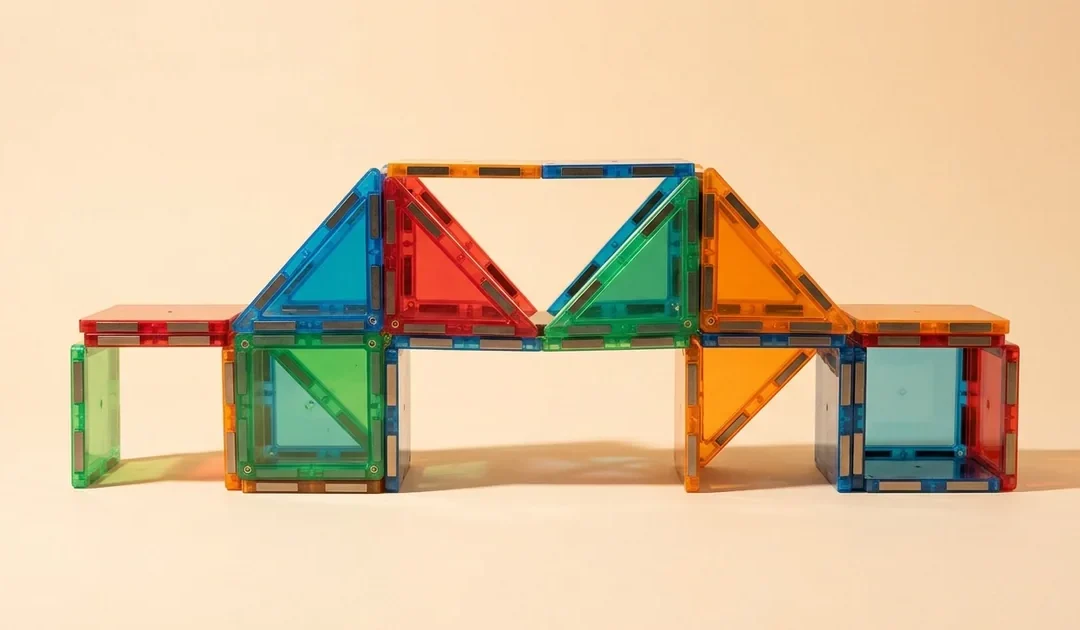
The best preschool toys for 5 year olds do not have one single correct way to play. A single-function toy gets boring fast, but an open-ended one, like building blocks or a magnetic train set, can be a train track today, a bridge tomorrow, and a spaceship next week. This flexibility keeps engagement high and encourages imaginative thinking rather than passive repetition.
Key Developmental Areas to Support at Age Five
Understanding what your child is working on developmentally helps you choose toys with real purpose, rather than simply following trends.
Fine Motor Skills
Fine motor control is being refined rapidly at this age, as children prepare to hold a pencil correctly, use scissors, and button their own clothes. Toys that involve pinching, twisting, threading, snapping small pieces together, or controlling a paintbrush all strengthen the small hand and finger muscles needed for these everyday tasks. Building sets with connecting pieces, lacing beads, and art supplies like our finger paint for kids in 12 colors are excellent, low-pressure ways to build this control while having genuine fun.
Gross Motor Skills
Running, jumping, balancing, and throwing continue to develop steadily at five. While indoor construction toys target fine motor skills, it is equally important to balance screen-free indoor play with active outdoor movement, whether that is a ball, a balance bike, or simply chasing bubbles in the garden or a nearby park.
Cognitive and Problem-Solving Skills
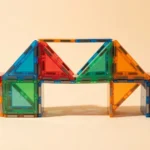
Five year olds are beginning to think in sequences and plan ahead. They can hold a goal in mind, such as building a bridge, and work backward to figure out which pieces they need. Puzzles, pattern games, and construction sets that require planning, like connecting magnetic track pieces into a working loop, give this emerging skill a real workout.
Language and Communication
Pretend play toys, storytelling props, and open-ended building sets all encourage children to narrate what they are doing, invent dialogue for characters, and describe their creations to parents and friends. This verbal processing is a quiet but powerful form of literacy development, long before formal reading begins.
Social-Emotional Development
At five, children are learning to take turns, negotiate who gets which piece, and cope with a tower that falls down right before it was finished. Toys that invite cooperative play, whether with siblings, cousins, or classmates, offer natural, low-stakes practice for these essential social skills.
Creativity and Imagination
Open-ended toys without a single correct outcome protect and nurture creativity. A set of magnetic trains is not just a train, in a five year old’s imagination it can become a delivery truck, a dinosaur rescue vehicle, or a bridge connecting two kingdoms. This imaginative flexibility is strongly linked to later creative problem-solving ability.
Best Categories of Preschool Toys for 5 Year Olds
With development in mind, here are the toy categories that consistently deliver the most value for five year olds, along with specific guidance on choosing well within each one.
1. Building and Construction Toys
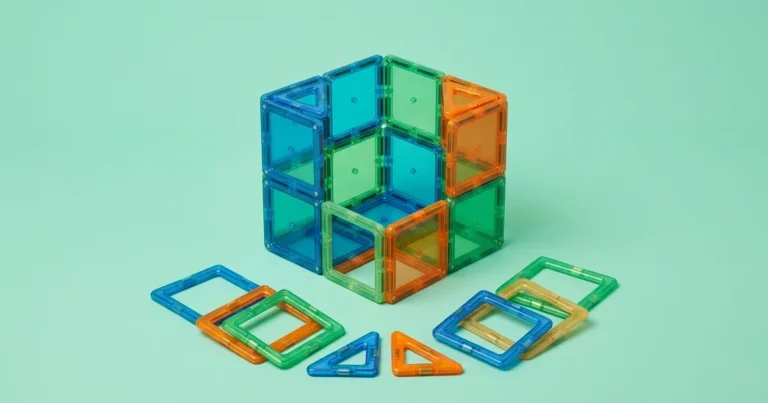
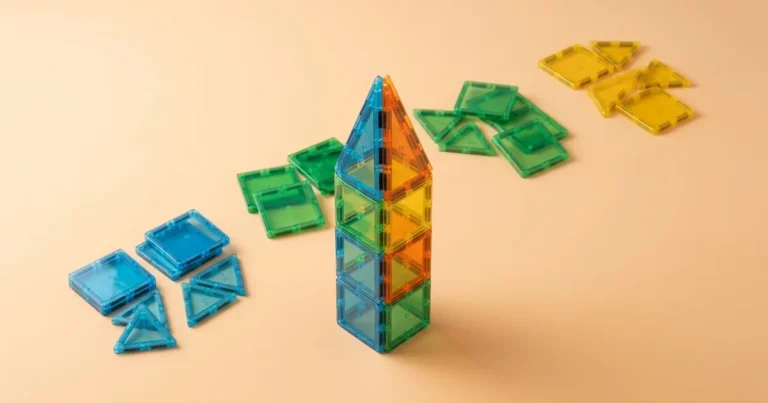
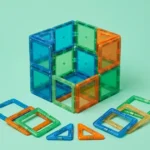
Construction toys are arguably the single best investment you can make at this age. They combine fine motor practice, spatial reasoning, planning, and creativity in one open-ended package. Magnetic building sets are especially popular right now because they click together easily enough for small hands to manage independently, yet offer enough complexity for a five year old to build increasingly ambitious structures over time.
A great starting point is our magnetic train set with 65 pieces, which gives children enough variety to build loops, bridges, and junctions without feeling overwhelming. For families with older siblings, or children who are already confident builders and want a bigger challenge, the 178-piece magnetic train set allows for far more elaborate, multi-level track designs and can comfortably keep two or three children engaged in cooperative building together.
What makes these sets especially valuable for preschool toys for 5 year olds is their longevity. Unlike toys that are quickly outgrown, magnetic construction pieces scale in complexity right alongside your child, meaning the same set that delights a five year old can still challenge them meaningfully at seven or eight.
2. Arts and Crafts Supplies
Creative expression through art builds fine motor control, color recognition, and emotional expression all at once. At five, children are ready for slightly more sophisticated art materials than thick toddler crayons. Washable, non-toxic finger paints, like our 12-color finger paint set, offer a wonderfully sensory, mess-friendly way for children to experiment with color mixing and texture, while being easy to clean from hands, tables, and little outfits. Pair finger paints with large sheets of paper or a washable mat so your child feels free to create boldly without worrying about making a mistake.
Beyond paint, consider child-safe scissors, chunky washable markers, stickers, and simple craft kits that involve cutting, gluing, and assembling. These activities directly prepare the hand muscles needed for handwriting.
3. Pretend Play and Role Play Toys
Kitchen sets, doctor kits, dress-up costumes, and small figurine playsets allow five year olds to process the world around them through imaginative reenactment. A child who recently visited the dentist might set up their own pretend clinic for stuffed animals, working through any nervousness in a safe, playful way. Role play also strengthens vocabulary and social scripting, since children must imagine and speak from another character’s perspective.
4. Puzzles and Brain Games
Jigsaw puzzles with 24 to 60 pieces, matching games, and simple board games introduce sequencing, memory, and early strategic thinking. Look for puzzles with sturdy, thick pieces that withstand repeated handling, and consider rotating in slightly harder puzzles every few months as your child’s skill grows.
5. Early STEM and Science Toys
Five year olds love cause-and-effect experiments: watching colors mix, magnets attract, or simple machines move. Basic STEM kits, magnetic building sets, and simple gear toys introduce foundational engineering and scientific thinking in a completely playful, pressure-free way, well before these concepts appear formally in school.
6. Outdoor and Active Play Toys
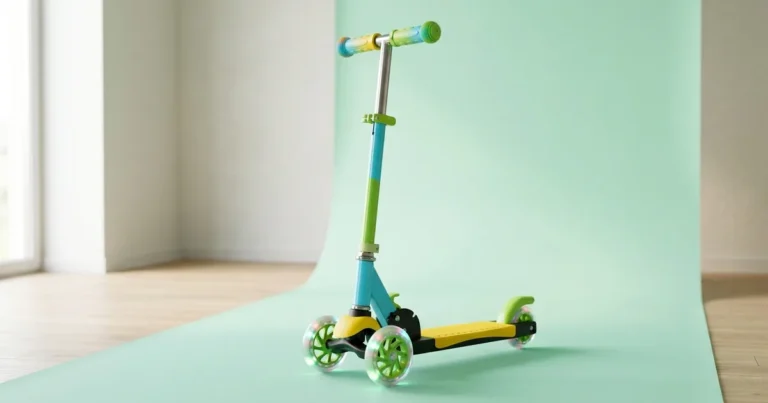
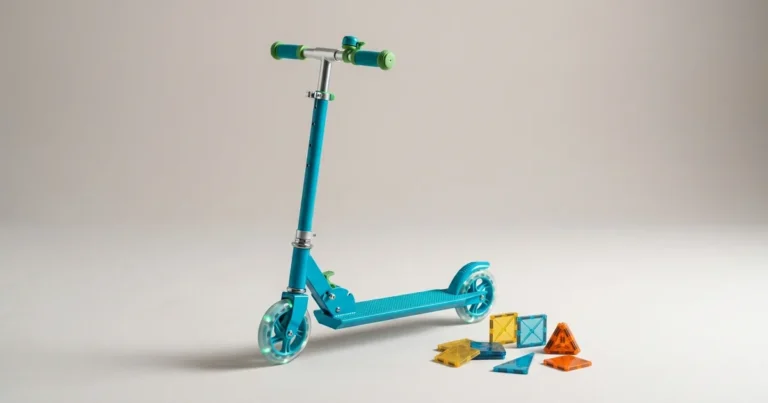
Balance bikes, scooters, skipping ropes, and simple sports equipment support the gross motor development that balances out quieter indoor play. In the UAE, cooler early mornings and evenings, plus air-conditioned indoor play areas during warmer months, make it easy to keep active play part of your child’s weekly routine year-round.
How to Choose Toys Based on Your Child’s Personality and Interests
Every five year old is different, and the best toy for your neighbor’s child may not be the best toy for yours. A few questions can help guide your choice:
- Does your child gravitate toward building and taking things apart? Lean into construction sets and simple mechanical toys.
- Is your child drawn to stories and characters? Pretend play sets, puppets, and storytelling props will likely capture their attention longer.
- Does your child enjoy quiet, focused activities? Puzzles, art supplies, and smaller construction sets suit a more methodical temperament.
- Is your child highly social and always seeking playmates? Choose toys that work well cooperatively, like a larger magnetic train set that two children can build together without competing for every piece.
- Does your child need to burn off energy? Prioritize outdoor and active toys alongside any indoor purchases.
Observing your child’s natural play patterns over a week or two, rather than guessing, is the most reliable way to choose toys they will genuinely return to again and again.
Screen-Free Play: Why It Matters More Than Ever in 2026
With tablets and smart devices more present in daily life than ever, intentionally choosing screen-free preschool toys for 5 year olds has become an active parenting decision rather than a given. Hands-on play supports deeper focus, better sleep, and stronger social skills compared to passive screen time. This does not mean banning screens entirely, but rather making sure that open-ended, physical play remains the default activity, with screens as an occasional supplement rather than the main event. Rotating in engaging, tactile toys, like magnetic building sets or hands-on art supplies, makes it genuinely easier for children to choose play over a tablet, because the toy itself is simply more fun and more satisfying to use.
Setting Up a Safe and Stimulating Play Space at Home
The environment around a toy matters almost as much as the toy itself. A few practical tips for UAE homes:
Dedicate a Low-Shelf Storage System
Store toys on low, open shelves rather than deep toy boxes. When children can see their options clearly, they engage more thoughtfully, rather than dumping everything out to find one item.
Create Zones for Different Types of Play
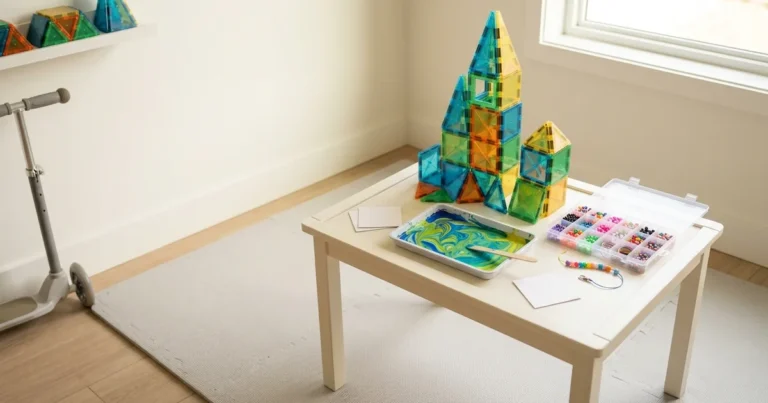
A small reading corner, a building area with a flat rug for construction toys, and a designated art table, even a modest one, help children transition naturally between calm and active play without one spilling chaotically into another.
Keep Floors Clear and Safe
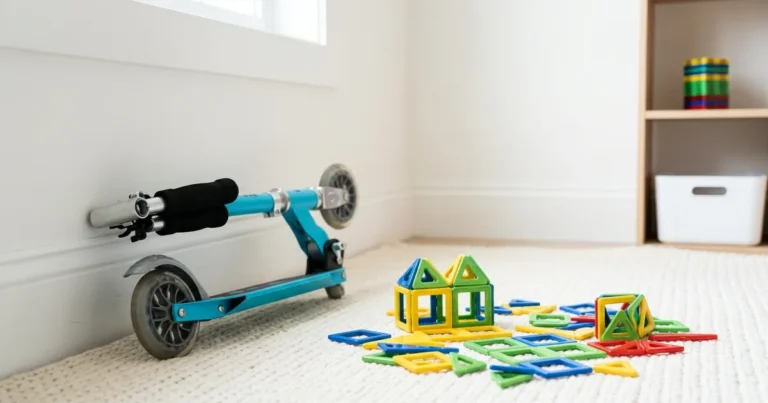
With small magnetic and building pieces, a quick end-of-day tidy routine prevents stepped-on pieces and keeps younger siblings or pets safe from small parts left underfoot.
Protect Surfaces During Art Time
A washable mat or old bedsheet under the art table makes messy creative sessions, like finger painting, far less stressful for parents, which in turn means you will say yes to creative play more often.
Smart Shopping Tips: Getting Great Value in AED
Quality preschool toys are an investment, but shopping smart means you do not have to overspend to get genuine developmental value.
Prioritize Versatility Over Quantity
One well-made, open-ended construction set that grows in complexity with your child will deliver more play value over time than five single-use novelty toys that are quickly forgotten. When comparing prices in AED, think in terms of cost per hour of engaged play over the coming year or two, not just the sticker price.
Buy for the Skill Level Ahead, Not Just Behind
Choosing a toy with slightly more challenge than your child’s current skill level, within reason, extends its useful lifespan considerably. A 178-piece magnetic set may look ambitious for a five year old at first glance, but most children grow into the full creative potential of a larger set within a few months.
Watch for Seasonal and Bundle Offers
UAE retailers frequently offer bundle pricing or seasonal promotions around back-to-school periods and holidays. Planning larger purchases, like a bigger construction set, around these windows can stretch your budget further.
Consider Shared or Gifted Toys
Birthdays and family gifting occasions are a natural opportunity to request a higher-value toy, like a larger magnetic train set, rather than several smaller, lower-value items that may not hold a child’s interest as long.
Toy Rotation: Keeping Play Fresh Without Constant New Purchases
You do not need to buy new toys every month to keep your five year old engaged. A simple toy rotation system, where a portion of toys are stored away and swapped back in every few weeks, makes existing toys feel new again and encourages deeper, more focused play with fewer options at a time. Many parents find that rotating construction sets, puzzles, and art supplies on a two to three week cycle dramatically reduces both clutter and the constant pressure to buy something new.
Planning Ahead: From Preschool Toys to the Next Stage
Five year olds grow quickly, and it is worth thinking a little ahead when building your toy collection. Many toys designed for our ages 3 to 5 years collection will still serve your child well through the back half of this year, but by six, many children are ready for more advanced building challenges, early science kits, and more complex games. Browsing our ages 6 to 8 years collection ahead of time can help you plan birthday or holiday gifts that offer just the right next step up, rather than buying something too simple that gets outgrown within weeks.
Common Mistakes Parents Make When Choosing Toys for 5 Year Olds
Buying Based on Packaging Alone
Flashy packaging does not guarantee strong play value. Look past the box art and read what the toy actually requires the child to do, build, create, or solve.
Overloading on Single-Use Toys
Novelty toys with one function tend to lose appeal within days. Favor toys that can be used in multiple ways across many play sessions.
Ignoring Your Child’s Current Interests
A toy chosen purely because it is trending, rather than because it matches your child’s actual interests, often ends up unused. Pay attention to what genuinely captures their attention.
Underestimating Capability
Many parents choose toys that are too simple out of caution, which can leave a capable five year old bored. As covered above, a bit of challenge, with appropriate safety, builds confidence rather than frustration.
Skipping Safety Checks
Even with trusted brands, it is worth a quick check of certifications and small-parts warnings every time, especially for toys with magnets or small connecting pieces.
A Sample Weekly Play Plan for a 5 Year Old
To bring all of this together, here is a simple example of how a balanced week of play might look for a five year old, combining several of the categories discussed above:
- Monday: Free building time with a magnetic construction set, encouraging independent planning and creativity.
- Tuesday: Outdoor active play, such as scooter riding or a trip to a nearby park.
- Wednesday: Art and sensory time with washable finger paints, focused on color mixing and free expression.
- Thursday: Puzzle or quiet board game session, ideally with a parent or sibling.
- Friday: Pretend play or role play session, letting your child lead the story.
- Weekend: A mix of outdoor family time and a bigger cooperative building project, perhaps tackling a larger magnetic train layout together as a family.
This kind of rhythm ensures your child’s fine motor, gross motor, cognitive, creative, and social skills are all being gently exercised across the week, without any single type of play dominating.
Conclusion
Choosing the right preschool toys for 5 year olds comes down to a simple formula: prioritize safety, look for genuine developmental value, and pay attention to what actually excites your particular child. Open-ended toys like magnetic construction sets and hands-on art supplies tend to offer the richest, longest-lasting play value, growing in complexity right alongside your child’s abilities. With a thoughtful mix of building, creative, pretend, and active play each week, you will give your five year old exactly what they need this year, confidence, curiosity, and plenty of joyful, screen-free fun.
Frequently Asked Questions
What are the best preschool toys for 5 year olds in 2026?
The best options combine safety with real developmental challenge, including open-ended magnetic building sets, washable finger paints and art supplies, pretend play kits, age-appropriate puzzles, and simple STEM toys. Look for toys that grow in complexity alongside your child rather than single-use novelty items.
How many toys does a 5 year old actually need?
Quality matters far more than quantity. A smaller collection of versatile, open-ended toys, like a good construction set, art supplies, and a few puzzles, paired with a simple toy rotation system, keeps play fresh without clutter or overspending.
Are magnetic building toys safe for a 5 year old?
Reputable magnetic building sets designed for this age group use securely fixed, appropriately sized magnets and pass recognized safety standards. Always check the product’s safety information, choose sets designed for the right age range, and supervise younger siblings who may also be nearby.
How do I know if a toy is too advanced or too simple for my child?
A good fit takes a few genuine attempts to master but does not leave your child frustrated or needing constant help. If a toy is solved instantly with no further interest, it is likely too simple. If your child cannot engage with it at all without heavy assistance, it may need to wait a few months.
How can I encourage screen-free play at home?
Make engaging, tactile toys easily visible and accessible, such as low open shelving with building sets, art supplies, and puzzles in view. Setting up simple play zones at home and rotating toys every few weeks also helps make hands-on play feel like the natural, exciting default choice.