Last updated: August 5, 2026
If your child’s evenings are dominated by tablets and your mornings start with a fight over the phone, you are not alone, and you are not doing anything wrong. Screen-free toys for kids give little hands something better to do, build real skills through touch, movement, and imagination, and they are one of the simplest changes a busy UAE household can make this month. This guide walks you through what actually counts as a screen-free toy, why paediatricians and early-years specialists keep recommending them, and exactly which ones to buy for your child’s age, budget, and personality.
What Exactly Is a Screen-Free Toy?
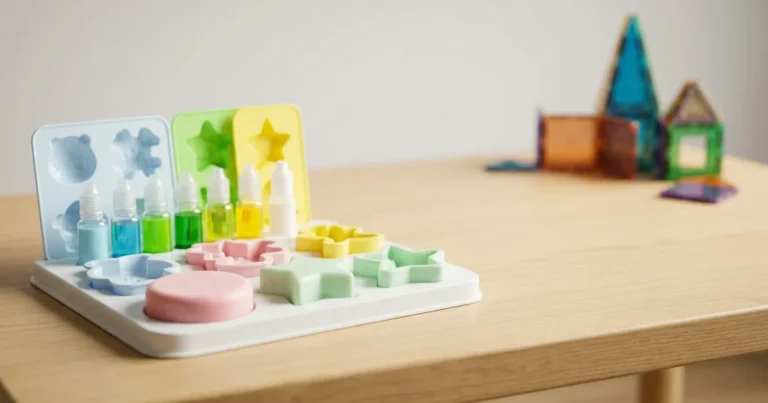
A screen-free toy is any plaything that does not require a display, app, or electronic feedback loop to be fun. That includes building sets, magnetic tiles, puzzles, art supplies, dress-up costumes, board games, and outdoor equipment. It does not include tablets, so-called ‘educational’ apps disguised as games, or toys with screens built into them, even if the packaging says ‘STEM’ or ‘smart’.
The key difference is where the entertainment comes from. A screen-based toy does the thinking for the child, it plays a sound, shows a video, or rewards a tap. A screen-free toy asks the child to bring their own imagination, effort, and problem-solving to the table. That is exactly why child development experts across the UAE and beyond keep steering parents back toward simple, tactile play.
Why Screen-Free Play Matters So Much in the Early Years
Every hour a young child spends stacking blocks, sorting colours, or pretending a cushion is a boat is an hour spent building neural pathways that screens simply cannot reach in the same way. Here is what the research and everyday parenting experience both point to.
Fine Motor Skills and Hand Strength
Twisting, pinching, snapping magnetic pieces together, and gripping a paintbrush all strengthen the small muscles in a child’s hands. These are the exact muscles they will later need for handwriting, buttoning a shirt, or using cutlery confidently. A tablet screen, by contrast, only asks for a light swipe or tap, which does very little for hand strength.
Creativity and Open-Ended Thinking
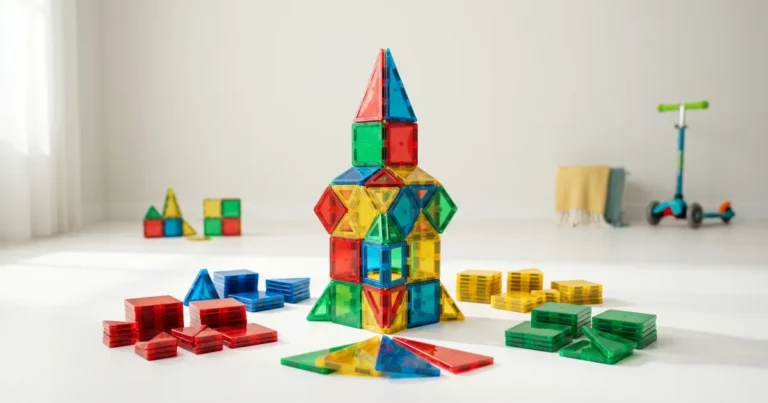
Screen-free toys rarely tell a child exactly what to do. A set of magnetic tiles can become a castle one day and a rocket the next. That open-endedness is where genuine creativity is born. Apps and games, however well designed, usually have a fixed set of outcomes, which limits how far a child’s imagination is allowed to wander.
Attention Span and Patience
Screens are built to reward instantly, a tap gets an immediate flash of colour or sound. Physical toys ask children to sit with a problem a little longer, to try, fail, and try again before a puzzle piece finally clicks into place. This slower feedback loop is exactly what builds patience and focus over time.
Social and Emotional Growth
Board games, pretend kitchens, and building sets are almost always more fun with a sibling, cousin, or friend. Sharing pieces, taking turns, and negotiating who gets to be the shopkeeper are all small rehearsals for real-life cooperation and empathy, skills that solo screen time simply does not practise.
Better Sleep and Calmer Evenings
Blue light from screens in the hour before bed is known to interfere with a child’s natural sleep signals. Swapping the last hour of the evening for quiet, screen-free play, a puzzle, a colouring page, or a calm building session, tends to lead to smoother bedtimes and less resistance when it is finally time to sleep.
Choosing Screen-Free Toys by Age
The right toy depends heavily on your child’s age and stage. Buying something too advanced leads to frustration, while something too simple gets abandoned within a week. Here is a practical breakdown.
Toddlers (1 to 3 Years)
At this age, big pieces, bright colours, and cause-and-effect play work best. Stacking cups, chunky puzzles, soft building blocks, and simple shape sorters are ideal. Always check that pieces are large enough to avoid any choking risk, and avoid anything with small detachable parts.
Preschoolers (3 to 5 Years)
This is prime time for imaginative and constructive play. Magnetic building sets, dress-up kits, simple board games, and art supplies really shine here, because a preschooler can follow a small set of rules and start creating their own scenes and stories. You will find a well-curated range of screen-free options suited to this stage in our 3 to 5 years collection, where every toy is chosen with hand strength, safety, and creativity in mind.
Early Grade Schoolers (6 to 8 Years)
Children in this age group are ready for more complex building challenges, strategy games, and longer creative projects. This is also the age where STEM-style toys, ones that involve counting, sequencing, or basic engineering, start to click in a deeper way. Our 6 to 8 years collection is built around exactly this stage, with toys that hold a child’s attention for longer stretches without ever needing a battery or a screen.
The Best Categories of Screen-Free Toys, and Why They Work
1. Magnetic Building and STEM Sets
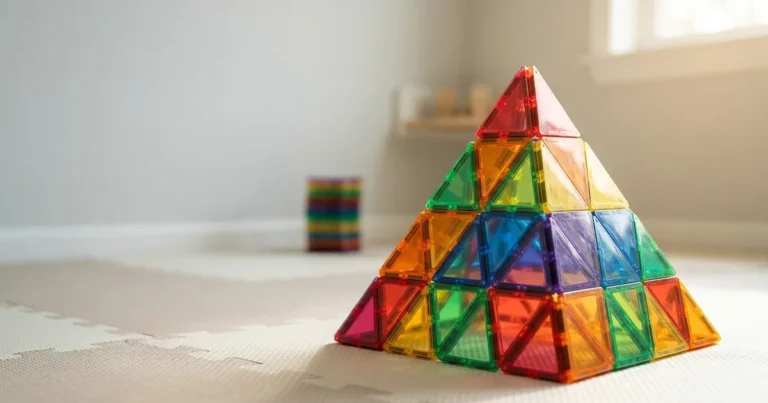
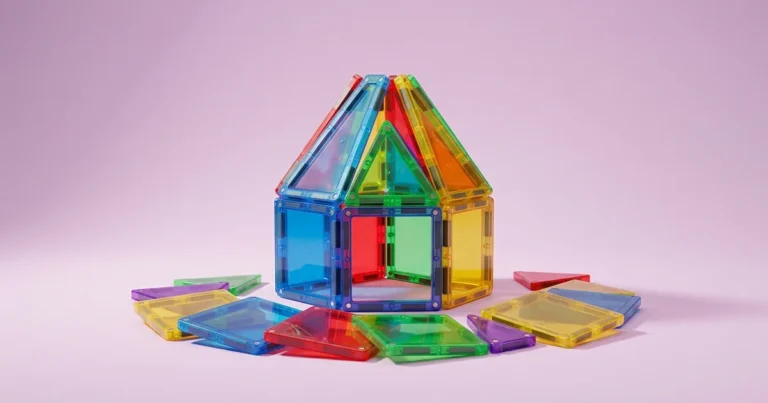
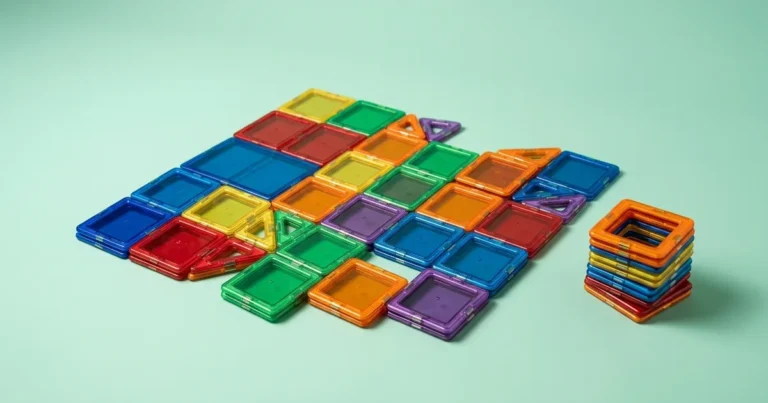
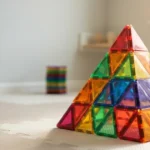
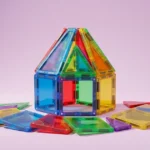
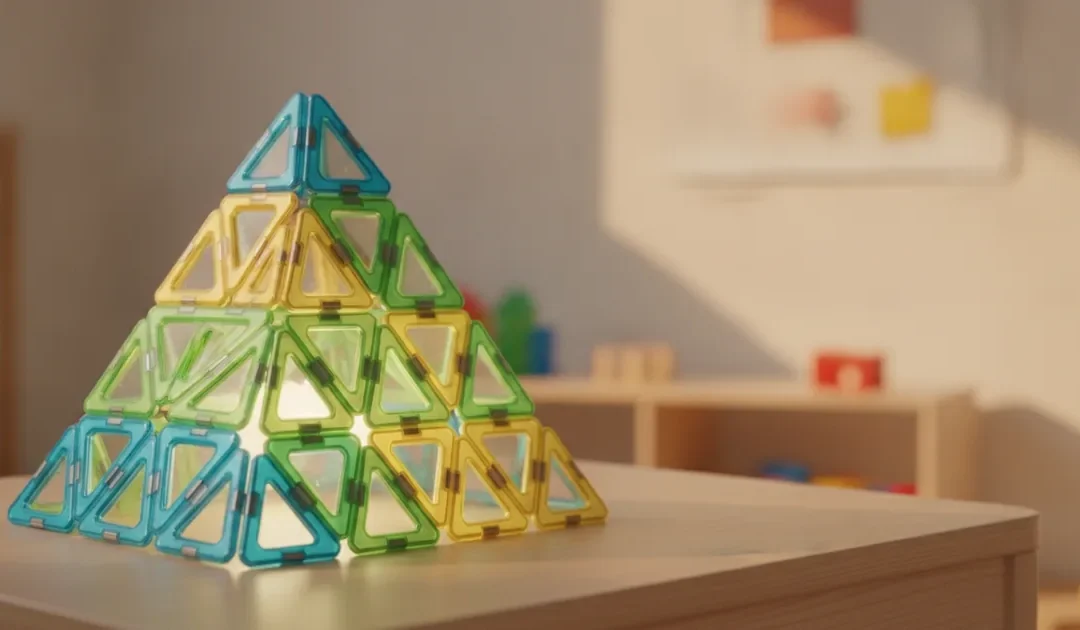
Magnetic tiles and train sets are some of the most powerful screen-free toys available today, because they combine spatial reasoning, fine motor practice, and open-ended creativity in one box. A child building a bridge or a moving train track is quietly learning about balance, cause and effect, and problem-solving, all while having genuine fun. The Graflo Magnetic Train 65pcs STEM Tiles Set is a great entry point for preschoolers who are just starting to explore construction play, while the 178pcs Magnetic Train Set gives older children enough pieces to build genuinely ambitious layouts, which keeps the play fresh for months rather than days.
2. Art and Sensory Play
Nothing beats getting hands messy in a controlled, washable way. Finger painting, in particular, is one of the earliest and most effective ways for toddlers and preschoolers to explore colour, texture, and self-expression, with zero screen involved. The Finger Paint Set for Kids, 12 Colors is a simple, safe way to start, ideal for rainy-day activities or a calm weekend afternoon at home.
3. Puzzles and Logic Games
Puzzles quietly teach persistence. A child who struggles to fit a piece and eventually succeeds is learning that effort pays off, a lesson that carries far beyond the playroom. Start with 12 to 20 piece puzzles for younger children and move up to 50 pieces or more as their confidence grows.
4. Pretend Play and Role-Play Sets
Play kitchens, doctor kits, and dress-up costumes let children rehearse the adult world in a safe, imaginative way. This kind of play builds language skills and emotional understanding, since children often act out real feelings and situations they have observed at home or at school.
5. Board Games and Card Games
Simple board games introduce turn-taking, counting, and basic strategy. They are also one of the easiest ways to get the whole family playing together, since most games work for a wide age range once the youngest player understands the rules.
6. Outdoor and Active Toys
Balls, skipping ropes, and ride-on toys balance out quieter indoor play with movement, which is especially important in the UAE where outdoor play often needs to be timed around the cooler parts of the day. Even ten to fifteen minutes of active outdoor play can noticeably improve a child’s mood and focus for the rest of the day.
Building a Screen-Free Routine That Actually Sticks
Buying the right toys is only half the job. The other half is building a routine where those toys actually get used instead of gathering dust on a shelf.
Rotate, Do Not Overwhelm
Keep only 5 to 8 toys visible and accessible at any one time, and store the rest away. Every couple of weeks, swap a few out. Children engage far more deeply with a smaller, rotating selection than with an overflowing toy box where everything blurs together.
Create a Screen-Free Hour Before Bed
Choose one predictable hour each evening, right after dinner works well for many families, and make it a screen-free zone for the whole household, not just the children. This models the behaviour you want to see and turns it into a shared family habit rather than a punishment.
Set Up a Dedicated Play Corner
A small rug, a low shelf, and a basket of screen-free toys in a corner of the living room removes friction. If the toys are visible and easy to reach, children reach for them naturally, without needing to be asked twice.
Join In, Even for Ten Minutes
Sitting down to build a magnetic tower or finish a puzzle together, even briefly, shows a child that this kind of play is valued. It also gives you a natural, low-pressure moment to talk and connect after a long day.
Safety First: What to Check Before You Buy
Safety should always come before novelty. Before adding any screen-free toy to your cart, run through this quick checklist.
- Age labelling: Always match the toy to the manufacturer’s stated age range, especially for anything with small or magnetic parts.
- Material safety: Look for non-toxic, BPA-free materials, particularly for art supplies and anything a toddler might chew.
- Magnet strength and count: For magnetic building sets, ensure pieces are securely sealed and appropriately sized so they cannot be swallowed.
- Durability for UAE conditions: Sturdy plastics and finishes that can handle warm indoor temperatures and frequent handling will last far longer.
- Washable and easy to clean: Especially important for art and sensory toys used by younger children.
Buying from a trusted, UAE-based retailer also means easier returns, clear age guidance in local terms, and support if anything about the product does not feel right once it arrives.
Budget-Friendly Screen-Free Play in AED
You do not need to spend hundreds of AED at once to build a strong screen-free toy collection. A sensible approach is to invest in one or two higher-quality, open-ended toys, such as a magnetic building set, and pair them with lower-cost items like art supplies, a deck of cards, or a simple puzzle. Open-ended toys tend to offer far more play value over time compared with single-purpose gadgets, because a good building set can be reused in dozens of different ways over several years, while a single-function toy is often outgrown within weeks.
When budgeting, it also helps to think in terms of cost per year of play rather than upfront price alone. A well-made magnetic tile set priced higher today may still work out cheaper per month of enjoyment than several smaller, short-lived toys purchased separately.
Common Mistakes Parents Make When Switching to Screen-Free Toys
Many parents start strong and then quietly slide back into old habits. Here are the most common pitfalls, and how to avoid them.
Removing Screens Too Suddenly
Going from several hours of screen time to zero overnight often backfires. Reduce gradually, and replace screen time with an equally engaging screen-free alternative rather than leaving a gap that feels like punishment.
Buying Toys That Are Too Advanced
A puzzle or building set that is far above a child’s current skill level leads to frustration and quick abandonment. When in doubt, choose the slightly younger age recommendation rather than the older one.
Expecting Independent Play Immediately
Especially for children used to screens, the switch to screen-free toys usually needs some adult involvement at first. Sit with your child for the first few sessions, then gradually step back as their confidence and interest grow.
Overcrowding the Toy Shelf
Too many options at once can be paralysing for a young child. Fewer, better toys almost always lead to deeper, longer, more meaningful play.
Bringing It All Together
Screen-free toys are not about banning fun, they are about redirecting it toward play that genuinely builds your child’s hands, mind, and confidence. Start small, choose age-appropriate pieces, keep safety at the centre of every decision, and build a simple daily routine around the toys you choose. Whether you begin with a magnetic building set, a set of finger paints, or a straightforward puzzle, the goal is the same, more real play, fewer screens, and a calmer, more connected household for your family here in the UAE.
Frequently Asked Questions
At what age should I start introducing screen-free toys?
You can start from as early as 12 months with large, chunky toys like stacking cups and soft blocks. As your child grows, gradually introduce more complex screen-free toys such as magnetic building sets, puzzles, and art supplies suited to their exact age range.
Are magnetic building toys safe for young children in the UAE?
Yes, as long as you choose sets designed for your child’s age group with securely sealed, appropriately sized magnetic pieces. Always supervise younger children during play and check the manufacturer’s age guidance before buying.
How do I get my child interested in screen-free toys if they are used to screens?
Reduce screen time gradually rather than all at once, and sit down to play together for the first few sessions. Starting with something highly engaging, like a magnetic train set or a colourful finger paint set, makes the transition much smoother.
How many screen-free toys does my child actually need?
Fewer than you might think. Keeping 5 to 8 toys accessible at a time and rotating them every couple of weeks leads to deeper, more focused play than having everything out at once.
Do screen-free toys really help with development, or is that just marketing?
There is strong, consistent evidence that hands-on play supports fine motor skills, creativity, attention span, and social-emotional growth in ways that passive screen time does not. Screen-free toys simply give children more opportunities to practise these skills through everyday play.