Last updated: September 27, 2026
Choosing the right toy for a three, four, or five year old is rarely just about keeping little hands busy. During the preschool years, a child’s brain is forming more than a million new neural connections every second, and the toys they reach for daily quietly shape how they think, speak, solve problems, and manage their feelings. That is why so many parents across the UAE, from Dubai to Sharjah to Abu Dhabi, are moving away from noisy, single-purpose gadgets and toward toys that are safe, durable, and genuinely built to grow young minds. This guide walks you through exactly what makes a toy educational, which categories deliver the most developmental value, and how to shop with confidence, all in AED, all with safety as the starting point.
Why Educational Toys Matter So Much in the Preschool Years
Preschool age, roughly three to five years old, is one of the most important windows for brain development a child will ever experience. It is the stage when language explodes, when fine motor control matures enough for drawing and buttoning, and when a child begins to understand cause and effect, numbers, colours, and shapes. Play is not a break from learning at this age, play is the learning.
What Happens in a Preschooler’s Brain During Play
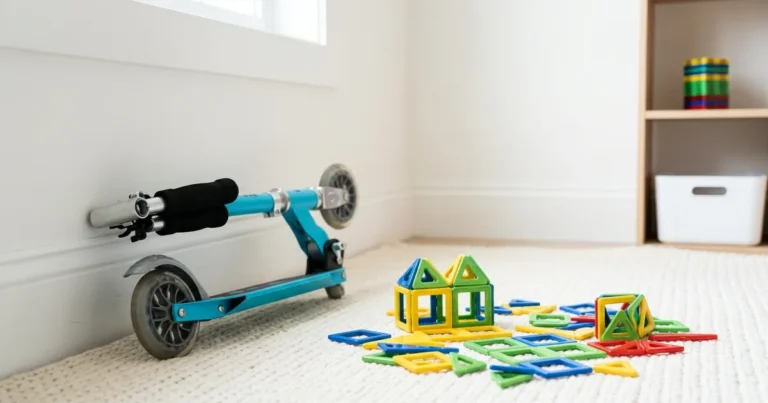
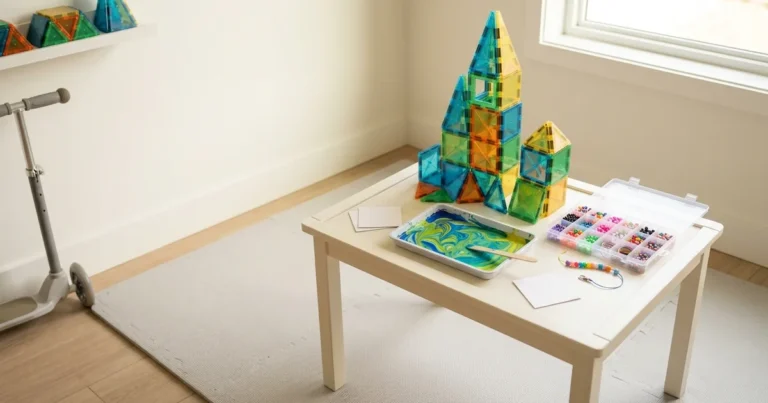
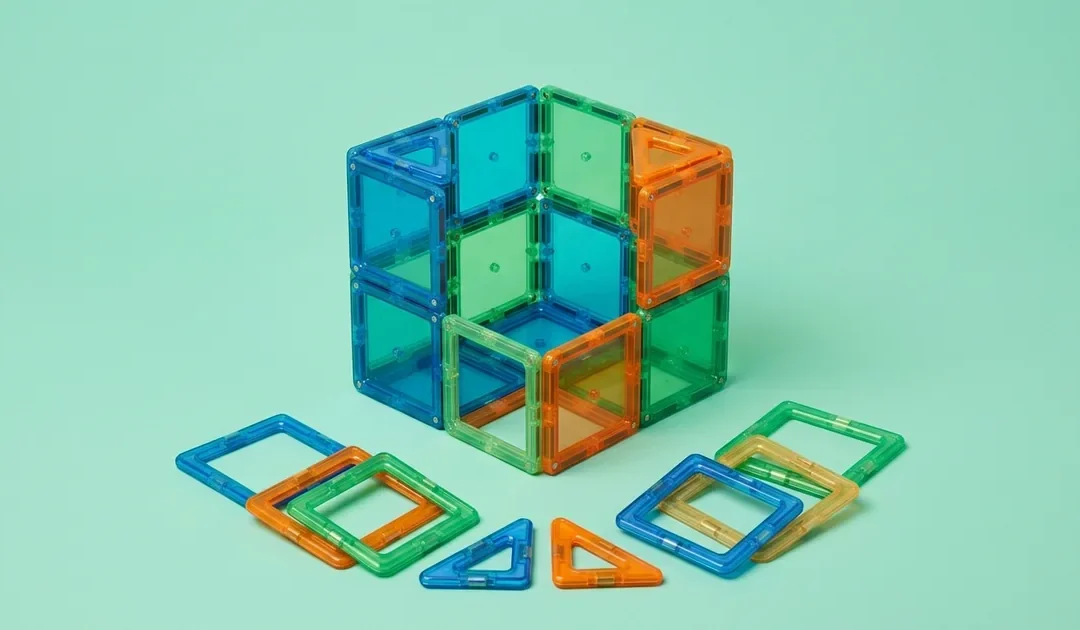
When a child stacks magnetic pieces, sorts colours by size, or mixes paint with their fingers, they are practising several skills at once: hand-eye coordination, spatial reasoning, patience, and problem-solving. Repetition through play strengthens these neural pathways, which is why open-ended toys that can be used in many different ways, rather than toys with only one correct outcome, tend to hold a child’s attention far longer and offer richer developmental value.
Safety First: What Every UAE Parent Should Check Before Buying
Before we even talk about developmental benefits, safety has to come first. When shopping for toys for a preschooler, always check for the following:
- Age-appropriate sizing: Small parts under 3.17 cm in diameter are a choking hazard for children under three, and caution should still apply for children aged three to five who may share space with younger siblings.
- Non-toxic materials: Look for toys made with child-safe paints and materials, especially for anything that touches little hands or mouths, such as art supplies and sensory toys.
- Strong construction: Magnetic pieces should be securely sealed inside the toy so magnets cannot be pried loose. Loose, small magnets are one of the most serious hazards in children’s toys today.
- Recognised safety certifications: Reputable toy brands will list compliance with recognised international toy safety standards on the packaging or product page.
- No sharp edges or splintering parts: Run your hand along seams and joints before handing a toy to your child.
A toy can be as educational as it likes on paper, but if it is not safe, it is not the right toy for your child. Always supervise open-ended and sensory play, particularly in the early stages of introducing a new toy.
What Actually Makes a Toy “Educational”?
The word “educational” gets used loosely on toy packaging, so it helps to know exactly which skills a genuinely developmental toy should support. Here are the five pillars we look for at Graflo Toys when selecting anything for the preschool age group.
1. Fine Motor Skills
Grasping small pieces, twisting, snapping magnetic connectors together, and holding a paintbrush or finger-painting tool all strengthen the small muscles in the hands and fingers. These are the same muscles children will later rely on for writing, cutting with scissors, and buttoning their own clothes.
2. Cognitive and Problem-Solving Skills
Toys that ask a child to figure something out, how to balance a tower, how to connect a magnetic track so the train doesn’t fall off, or which shape fits where, build early logic and reasoning skills. This kind of trial-and-error problem solving is one of the strongest predictors of later academic confidence.
3. Language and Communication
Pretend play toys, story-based sets, and toys that encourage a child to narrate what they are doing (“the train is going through the tunnel!”) support vocabulary growth and sentence structure long before formal reading lessons begin.
4. Creativity and Imagination
Open-ended toys such as art supplies and building sets have no single “correct” way to be used. A box of magnetic pieces can become a train track one day and a castle the next. This kind of flexible thinking is exactly what creativity looks like at age four.
5. Social-Emotional Learning
Sharing pieces with a sibling, taking turns building together, and managing the frustration of a tower that keeps falling over all teach patience, cooperation, and emotional regulation, skills that matter just as much as academic ones.
Top Educational Toys for Preschoolers in 2026
With those five pillars in mind, here are the toy categories that consistently deliver the most developmental value for children aged three to five, along with what to look for in each.
Magnetic Building and Train Sets
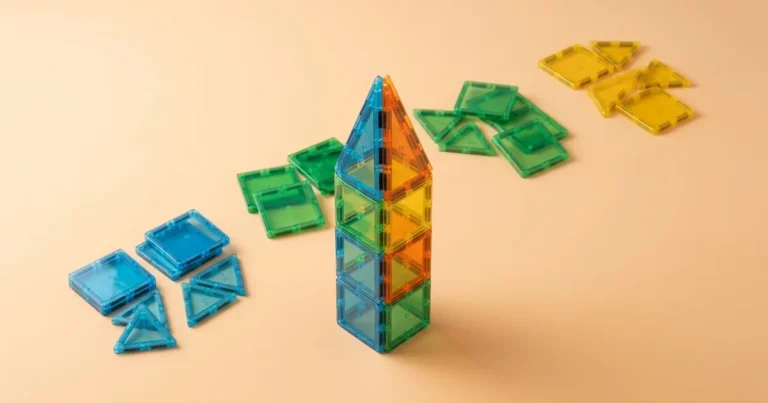
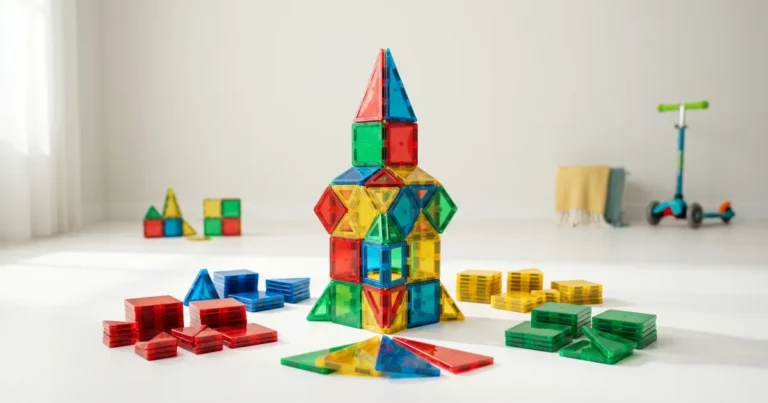
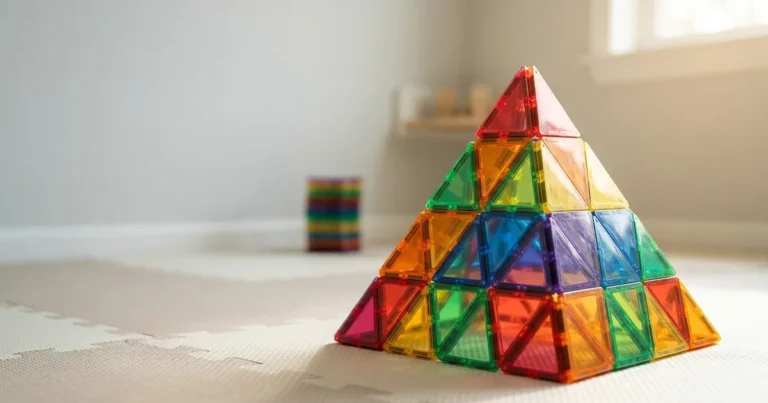
Magnetic construction toys are among the most versatile educational toys available today. They combine fine motor practice, spatial reasoning, and open-ended creativity in a single set, and because the pieces snap together easily, even younger preschoolers can experience the satisfaction of building something on their own.
A well-designed set like the Graflo Magnetic Train Set (65 pieces) is an excellent entry point for a first-time builder aged three or four. The pieces are large enough for little hands to manage safely, and the magnets are securely enclosed so there is no risk of small magnetic parts coming loose. As your child grows in confidence and wants to build longer, more elaborate tracks with bridges, curves, and stations, the larger 178-piece Magnetic Train Set gives them room to design more complex layouts, which is fantastic for extending attention span and planning skills as they approach age five or six.
What makes these sets particularly valuable for preschoolers is the built-in cause-and-effect feedback: if the track isn’t connected properly, the train won’t run. This gentle, non-punitive feedback loop teaches persistence far better than a toy that simply “works” no matter what a child does.
Art and Sensory Play
Art materials designed specifically for young children serve two purposes at once, they support fine motor development through grip and control, and they give preschoolers an early outlet for self-expression and emotional processing. Finger painting in particular is one of the most valuable sensory activities for this age group because it removes the barrier of holding a tool, letting toddlers and preschoolers experience colour, texture, and mixing directly with their hands.
A set like Finger Paint for Kids (12 Colors) is ideal for this stage, provided it is washable and made with non-toxic, child-safe ingredients, both important safety checks for any art supply that will touch young skin. Beyond the mess (which is, honestly, part of the fun and part of the learning), finger painting builds colour recognition, encourages storytelling (“this is my dog, and this is the sun”), and gives children a rare, judgement-free space to create without a “correct” outcome.
Puzzles and Shape Sorters
Puzzles remain one of the simplest and most effective educational toys for preschoolers. Chunky wooden or foam puzzles with large, easy-to-grip pieces help children practise problem-solving, shape recognition, and patience. Start with simple 4 to 6-piece puzzles at age three and work up to 20+ piece puzzles by age five as visual-spatial skills mature.
Pretend Play and Role-Play Sets
Kitchen sets, doctor kits, and dress-up costumes give preschoolers a safe space to act out real-world scenarios, which is how young children process new experiences, from a first trip to the dentist to welcoming a new sibling. Pretend play is closely linked to language development, since children naturally narrate and invent dialogue during this kind of play.
Early STEM Starter Toys
Simple building blocks, gear sets, and basic cause-and-effect toys introduce foundational engineering concepts long before a child can spell the word “engineering.” Look for STEM toys with large, chunky pieces at this age, intricate small-piece STEM kits are better suited to children aged six and above.
How to Choose the Right Educational Toy by Age
Developmental needs shift quickly between ages three and five, so what excites and challenges a child at the younger end of preschool may feel too simple just a year or two later. Here is a practical breakdown.
Ages 3 to 4: Building Foundations
At this age, prioritise toys with larger pieces, simple cause-and-effect mechanisms, and lots of sensory input. A 65-piece magnetic train set, chunky puzzles, and washable finger paints are all excellent choices. Keep sessions short, ten to fifteen minutes of focused play is developmentally appropriate, and let your child lead rather than insisting on a “correct” way to play.
Ages 4 to 5: Expanding Complexity
By four, most children are ready for more pieces, longer play sessions, and toys that require a bit more planning, such as building a full train layout with junctions and stations, or completing a 20-piece puzzle. This is also the age where pretend play becomes richer and more collaborative, so toys that support two or more children playing together are especially valuable. Browse our full collection of toys for ages 3 to 5 to find pieces suited to this exact stage.
Looking Ahead: Ages 6 to 8
As your child approaches school age, their attention span, fine motor control, and logical reasoning will all take another leap forward. This is a natural time to introduce toys with smaller pieces, more complex building challenges, and early strategy games. When your preschooler is ready for that next step, our ages 6 to 8 collection offers a smooth transition that keeps building on the same skills.
Safety Checklist Before You Buy Any Toy
It’s worth repeating and expanding on safety, because no developmental benefit is worth an unsafe toy. Run through this checklist every time you shop:
- Is the toy free of small parts that could be a choking hazard for your specific child’s age and stage?
- Are magnets, batteries, and other small components sealed securely inside the toy body?
- Is the material non-toxic and, for art supplies, washable and skin-safe?
- Does the packaging list a recognised safety certification?
- Is the toy sturdy enough to withstand repeated drops, throws, and enthusiastic preschooler handling?
- Will you be nearby to supervise the first few sessions with any new toy, especially sensory or magnetic sets?
Keep instructions and original packaging for at least the first few weeks after purchase, in case you need to check age recommendations or care instructions again.
How to Encourage Learning Through Play at Home
Buying a great toy is only half the equation, how you engage with your child during play makes a real difference to the learning outcome. Try these simple approaches:
Narrate, Don’t Direct
Instead of telling your child exactly how to build or paint, describe what you see them doing (“you made the track curve around!”) and ask open questions (“what do you think happens if the bridge goes here?”). This builds confidence and independent thinking far more than step-by-step instruction.
Rotate Toys Rather Than Overwhelm
Preschoolers often engage more deeply with a smaller selection of toys than with an overflowing toy box. Try keeping a handful of toys accessible at a time and rotating others in every few weeks to keep interest fresh.
Join In, But Follow Their Lead
Ten minutes of focused, phone-free play with a parent has an outsized impact on a preschooler’s confidence and language development. Let your child direct the story or the build, and resist the urge to “fix” their creation.
Celebrate the Process, Not Just the Result
A wobbly train track or an abstract finger painting is not a failed attempt, it is exactly what learning looks like at this age. Praising effort and persistence (“you worked so hard on that!”) builds resilience that will serve your child well beyond the playroom.
Common Mistakes Parents Make When Choosing Educational Toys
Choosing Based on Packaging Claims Alone
Many toys are labelled “educational” purely as a marketing term. Always look past the packaging to the actual play value: does it require problem-solving, creativity, or fine motor coordination, or is it simply a screen with buttons?
Buying Too Far Above Age Level
It is tempting to buy a toy that seems advanced, hoping to challenge your child, but a toy that is genuinely too difficult can lead to frustration and toy avoidance rather than growth. It is usually better to buy at or slightly above the recommended age and let your child grow into the toy over several months.
Overlooking Durability
Preschoolers are enthusiastic, sometimes rough, players. A toy that breaks after a few uses not only wastes money but can also create new safety hazards from broken or sharp pieces. Investing in well-made, durable sets is almost always worth the extra AED upfront.
Forgetting to Rotate and Refresh
Even the best toy loses its magic if it’s the only option available every single day. Rotating toys in and out keeps engagement high without requiring constant new purchases.
Our Recommendations: A Simple Starter Set for Any Preschooler
If you are just beginning to build a thoughtful toy collection for your preschooler, here is a simple, well-rounded starting point that covers fine motor skills, creativity, and problem-solving without overwhelming your child or your shelf space:
- One magnetic building set appropriate to your child’s current stage, starting with the 65-piece Magnetic Train Set for a first-timer, or the 178-piece set for a child ready for bigger builds.
- One creative, sensory-based toy, such as washable finger paints, for open-ended self-expression.
- One puzzle or shape-based toy matched to your child’s current skill level for daily quiet-time problem solving.
- One pretend-play set to support language development and emotional processing through imaginative role play.
You can explore our full, age-appropriate range in the ages 3 to 5 collection, where every toy has been chosen with both safety and genuine developmental value in mind.
Conclusion
The best educational toys for preschoolers are not necessarily the flashiest or the most expensive, they are the ones that are safe, durable, and open-ended enough to grow alongside your child’s changing skills. A well-chosen magnetic building set, a set of washable finger paints, or a simple puzzle can offer months, even years, of meaningful play that quietly builds fine motor skills, problem-solving, creativity, and confidence. As you shop this year, lead with safety, choose toys that invite your child to explore rather than follow instructions, and remember that your presence during play matters just as much as the toy itself. At Graflo Toys, we design and select every piece with exactly this philosophy in mind, safe enough for peace of mind, engaging enough for real learning.
Frequently Asked Questions
What age should a child start using magnetic building toys?
Most magnetic building sets designed for preschoolers are suitable from around age 3, provided the pieces are large enough to handle safely and the magnets are securely sealed inside the toy body. Always check the manufacturer’s recommended age range and supervise early play sessions.
How many educational toys does a preschooler actually need?
Quality matters far more than quantity. A small, rotating collection of four to six well-chosen toys, covering building, art, puzzles, and pretend play, often keeps a preschooler more engaged than a large toy box with too many options at once.
Are finger paints safe for young children?
Finger paints made specifically for children, and labelled as non-toxic and washable, are safe for preschoolers when used with parental supervision. Always check the ingredient and safety labelling before your child’s first use, and keep young children from putting paint near their mouths.
How do I know if a toy is genuinely educational and not just marketed that way?
Look past the packaging to the actual play experience. A genuinely educational toy typically requires your child to problem-solve, build fine motor coordination, use creativity, or practise language and social skills, rather than simply pressing buttons for a pre-set response.
When should we move from preschool toys to toys for older children?
Most children are ready to transition toward more complex building sets, smaller pieces, and early strategy toys between ages 5 and 6, once their fine motor control and attention span have matured. Our ages 6 to 8 collection is designed as a natural next step after preschool-level toys.