Last updated: September 13, 2026
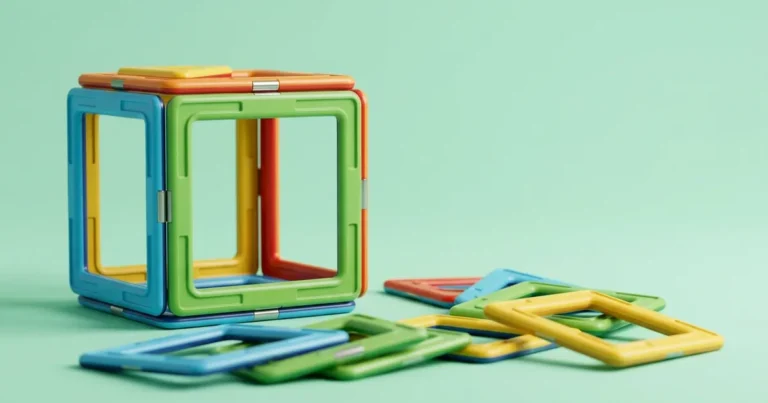
If you have picked up a box of colourful, click-together magnetic tiles at a UAE toy shop and paused to read the age label, you are already doing the most important thing a parent can do before bringing a new toy home. The short answer to what age are magnetic tiles good for is this: most standard magnetic tile sets are designed and safety-tested for children aged 3 years and above, with the richest learning benefits appearing between ages 3 and 8. But the full answer is more nuanced, and it depends on tile size, magnet strength, your child’s stage of development, and how closely you plan to supervise play. This guide walks you through every stage in detail so you can choose confidently and play safely.
What Age Are Magnetic Tiles Good For? The Quick Answer
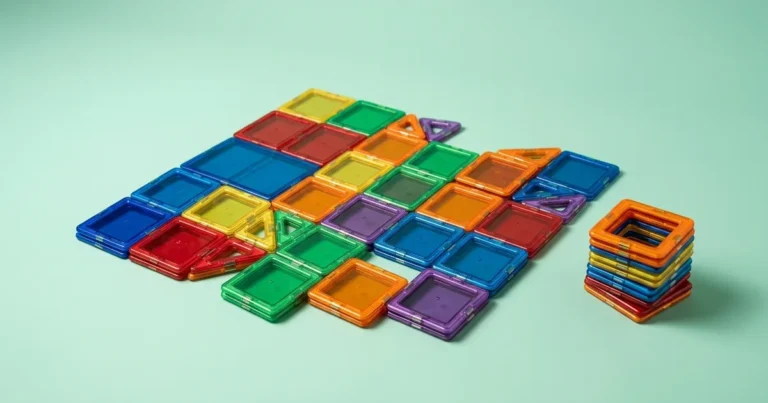
In general terms, here is how magnetic building toys map onto childhood stages:
- Under 3 years: Standard magnetic tiles are not recommended. Pieces are small enough to pose a choking and magnet-ingestion hazard, and toddlers do not yet have the fine motor control to click tiles together purposefully.
- 3 to 5 years: This is the entry point for most reputable magnetic tile brands. Children this age can grasp, align, and connect larger pieces, and they begin building simple 2D and 3D shapes with guidance.
- 6 to 8 years: Children can now follow multi-step building plans, combine magnetic tiles with other construction toys, and start exploring basic engineering concepts like balance, symmetry, and structural stability.
- 9 years and up: Older kids use magnetic tiles for advanced, large-scale builds, STEM challenges, and even simple robotics or circuitry add-ons, often turning solo play into cooperative or competitive building projects with siblings and friends.
Now let us look at why these age bands exist, what is actually happening in your child’s brain and hands at each stage, and how to pick the right set for your family.
Why Age Matters: Safety Comes First With Magnetic Toys
Magnetic tiles are beloved by parents and teachers because they are open-ended, quiet, and endlessly reusable. But magnets are also one of the few toy components that carry a genuine medical risk if misused, which is exactly why age recommendations are not arbitrary marketing decisions. They are based on child development research and, in many cases, on real safety incidents that shaped today’s toy safety standards.
The Small Parts and Magnet Ingestion Risk
Young children, especially those under 3, explore the world with their mouths. It is a completely normal part of development, but it means that any toy with small, detachable pieces needs to be kept away from this age group. With magnetic tiles specifically, the concern is twofold:
- Choking hazard: Small tiles, corner connectors, or decorative inserts can become lodged in a toddler’s throat.
- Magnet ingestion hazard: This is the more serious risk. If a child swallows two or more small, strong magnets (or one magnet plus a metallic object), the magnets can attract each other from different points inside the digestive tract, pinching tissue between them. This can cause serious internal injury and, in rare cases, requires emergency surgery. This is precisely why pediatric and toy safety bodies worldwide recommend keeping loose, small magnets away from children under 3, and why intact, well-manufactured magnetic tiles for this age group are engineered so the magnets are sealed deep inside thick, tamper-resistant plastic housings that a child cannot pry open with hands or teeth.
This is also why, when shopping, you should always check that a magnetic tile set states clearly that magnets are permanently encased and cannot be removed without tools, and that the toy has passed recognised safety testing.
Magnet Strength and Set Size Considerations
Not all magnetic tiles are equal. Sets designed for preschoolers typically use larger, thicker tiles with moderate magnet strength, enough to hold a simple tower or wall together, but gentle enough that a young child’s fingers are not pinched when separating pieces. Sets designed for older children and enthusiasts may include smaller connector pieces, stronger magnets for taller or more complex builds, and additional accessories like gears, wheels, or light-up panels, which is one more reason those advanced sets are marketed for ages 6 and above rather than for toddlers.
Magnetic Tiles by Age Group: A Detailed Breakdown
Under 3 Years: Why Standard Magnetic Tiles Are Not Recommended
Toddlers are curious, mobile, and mouthy, a wonderful combination for exploring the world but a risky one around small magnetic pieces. At this stage, a toddler’s fine motor skills are still developing the pincer grip and hand-eye coordination needed to align two magnetic edges and click them together with intention. Most attempts result in tiles being banged, thrown, or, most concerning, brought straight to the mouth.
If you have a toddler at home but older siblings who already enjoy magnetic tiles, the safest approach is not to avoid the toy category altogether, but to manage the environment: store magnetic tiles in a closed bin on a high shelf, encourage building sessions at a table rather than on the floor where a toddler might crawl over and collect stray pieces, and do a full piece count before and after every play session. Many UAE families with mixed-age children keep magnetic building toys reserved for supervised big-kid time, while toddlers are given soft blocks, stacking cups, or chunky puzzle pieces that carry no magnet risk at all.
Ages 3 to 5 Years: The Sweet Spot for Open-Ended Building Begins
By age 3, most children have developed the hand strength and coordination to pick up a tile, orient it correctly, and press two magnetic edges together until they click. This is precisely why reputable magnetic tile brands set their minimum recommended age at 3 years, and why this stage marks the true beginning of magnetic tile play for most families.
At this age, children are not yet building complex structures from a diagram. Instead, they are exploring cause and effect: what happens when I put this tile here, does it stick, can I make a wall, can I make it taller than me? This kind of sensory, trial-and-error exploration is incredibly valuable for early spatial reasoning and problem-solving.
Good starter activities for this age include:
- Building a simple flat shape, like a square or triangle, and naming it together.
- Stacking tiles to make a small wall or tower and predicting how tall it can go before it topples.
- Sorting tiles by colour or shape before building, which quietly reinforces early math skills.
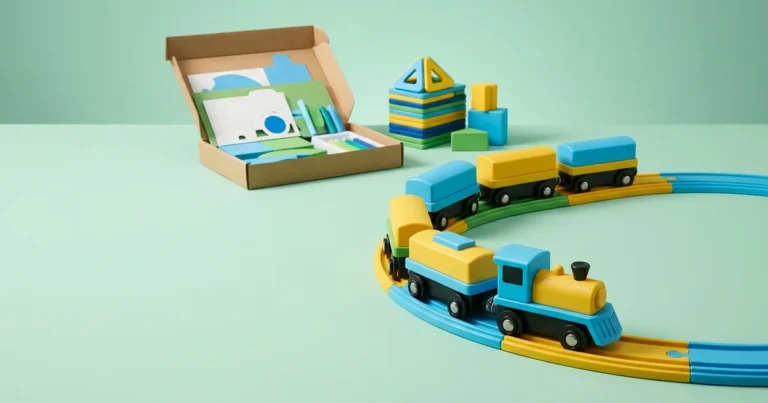
- Combining magnetic tiles with a compatible train set, such as the Graflo Magnetic Train for Kids (65pcs), so children can build a little station or bridge out of tiles and then run the train through it, blending construction play with imaginative storytelling.
Parents often ask whether 3-year-olds need close supervision with magnetic tiles. The answer is yes, especially in the first few months of play. Even with well-designed, encased magnets, supervision helps you catch any damaged pieces early, model safe building habits, and turn the activity into rich language-building conversation about shapes, colours, and balance. You will find a broader range of age-appropriate building and creative toys curated for this stage in our 3 to 5 years toy collection.
Ages 6 to 8 Years: Advanced Structures and Early STEM Learning
Once children reach primary school age, their fine motor control, patience, and planning ability take a noticeable leap forward. This is the stage where magnetic tile play evolves from simple exploration into genuine engineering practice. Children in this age range can:
- Follow multi-step instructions or picture guides to build specific structures, such as houses, vehicles, or castles.
- Understand and apply basic engineering concepts like a wide base for stability, symmetry for balance, and bracing for height.
- Combine magnetic tiles with other construction systems, including magnetic train tracks, to design entire miniature towns with roads, stations, and buildings working together. A larger, more advanced option like the Magnetic Train Set for Kids (178pcs) suits this age beautifully, offering enough pieces and track variety to keep older, more capable builders challenged and engaged for hours.
- Work cooperatively with a sibling or classmate on a shared build, dividing tasks and negotiating design decisions, an early and very natural form of teamwork and project management.
This is also the age where open-ended building toys start to reinforce school-based STEM concepts such as geometry (recognising 2D shapes forming 3D solids), basic physics (gravity, balance, structural load), and even early coding logic if the set includes sequencing or pattern-based accessories. For families looking to build a well-rounded toy shelf for this age, our 6 to 8 years toy collection gathers age-matched options in one place.
Ages 9 and Up: Complex Engineering and Creative Challenges
Children aged 9 and older, along with many magnetic-tile-loving tweens and even hobbyist adults, often use larger magnetic tile collections to attempt genuinely ambitious builds: multi-room houses, ferris wheels, bridges that span a real gap and hold weight, or elaborate marble-run style constructions. At this stage, the toy becomes less about basic motor skill practice and more about creative expression, spatial planning, and patience with iterative design, building, testing, and rebuilding a structure until it works exactly as imagined.
Many families find that by combining a large magnetic tile or magnetic train collection across age groups, older children take on a natural mentoring role, teaching younger siblings how to build, which reinforces their own understanding while nurturing patience and communication skills.
Developmental Benefits of Magnetic Tiles at Every Stage
Understanding what age are magnetic tiles good for is only half the picture. It helps to know exactly what your child is gaining from this kind of play, because it explains why so many pediatric occupational therapists and early years educators recommend magnetic building toys as a household staple.
Fine Motor Skills
Aligning two magnetic edges precisely, applying just the right amount of pressure to click them together, and later pulling them apart without toppling a structure all require controlled hand and finger movements. Repeated practice strengthens the small muscles in the hands, which supports later skills like handwriting, using scissors, and buttoning clothes.
Spatial Reasoning and Early STEM Foundations
Magnetic tiles are essentially hands-on geometry. Children physically experience how triangles create rigid shapes while squares can wobble, how flat 2D shapes fold into 3D solids, and how a wider base supports a taller tower. These concrete experiences build an intuitive number and shape sense long before children encounter formal geometry lessons at school.
Creativity and Open-Ended Imaginative Play
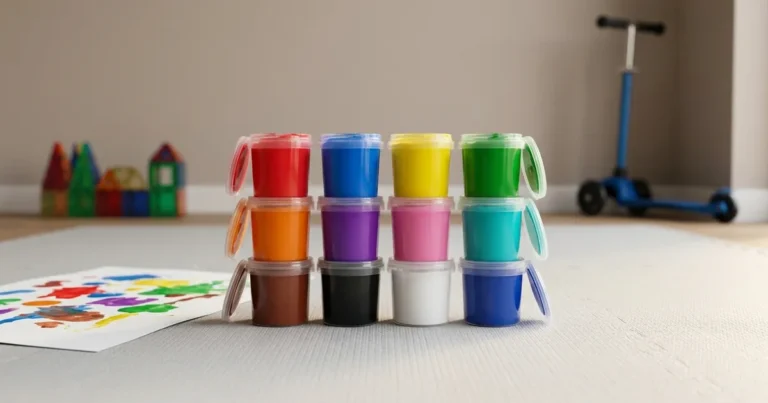
Unlike toys with only one correct outcome, magnetic tiles have no single right answer. A pile of tiles might become a castle one day and a spaceship the next. This kind of open-ended play is strongly linked to flexible thinking and creative problem-solving, skills children will lean on throughout school and life. Pairing building sessions with other creative outlets, such as the Finger Paint for Kids (12 Colors), lets children decorate paper backdrops, signs, or scenery for their magnetic tile creations, blending construction play with colourful artistic expression.
Social Skills and Cooperative Building
When two or more children build together, magnetic tiles naturally encourage turn-taking, sharing limited pieces, negotiating whose idea to follow, and celebrating a finished structure as a team. For only children, building alongside a parent offers similar bonding and communication benefits, plus rich opportunities for descriptive language as you narrate the building process together.
Persistence and Resilience
Towers fall. Walls collapse. A carefully balanced roof slides off at the last piece. Magnetic tiles teach children, in a low-stakes and forgiving way, that mistakes are simply part of building something great, and that trying again is not just acceptable but expected. This resilience, learned through play, transfers to how children approach challenges in school and beyond.
Choosing the Right Magnetic Toy for Your Child’s Age
Magnetic Tiles vs Magnetic Train Sets: What Is the Difference?
Both magnetic tiles and magnetic train sets use the same core technology, safely encased magnets that click together, but they serve slightly different play styles. Magnetic tiles are best for open-ended 3D construction: walls, houses, towers, and geometric shapes. Magnetic train sets, like Graflo’s range, add tracks, carriages, and moving parts, which introduce storytelling, cause-and-effect play (push the train and watch it move), and fine motor practice through connecting track pieces. Many UAE families find the two categories complement each other beautifully: build a station and tunnel from tiles, then run a train through it for imaginative play that keeps evolving.
Piece Count and Complexity by Age
As a general shopping guide:
- Ages 3 to 5: Look for starter sets with larger, thicker pieces and a moderate piece count, enough for simple shapes and small structures without overwhelming a young builder.
- Ages 6 to 8: Mid-to-large sets with a wider variety of shapes (triangles, squares, arches, windows) support more ambitious, multi-part builds.
- Ages 9 and up: Large, expansion-ready sets, ideally compatible with previously owned pieces, let older children combine collections for genuinely large-scale creations.
Safety Certifications to Look For
Regardless of your child’s age, always check that a magnetic toy:
- States the recommended age range clearly on the packaging.
- Confirms magnets are securely and permanently encased, not accessible by removing a cover or breaking a seam.
- Has passed relevant toy safety testing for the materials, edges, and small parts.
- Uses non-toxic, BPA-free plastics, especially important for younger children who may still mouth toys occasionally.
Safety Guidelines Every Parent Should Follow
Even once your child is well within the recommended age range, a few simple habits keep magnetic play consistently safe.
Supervision Recommendations by Age
- Ages 3 to 4: Close, active supervision during every play session. Sit with your child, build together, and keep an eye on younger toddlers or babies who may crawl into the play area.
- Ages 5 to 6: Supervision from a nearby room is usually sufficient once your child has shown consistent, safe handling of pieces, though periodic check-ins are wise.
- Ages 7 and up: Independent play is generally appropriate, with occasional piece counts to ensure nothing has gone missing, especially in homes with younger siblings or pets.
Signs Your Child May Not Be Ready Yet
Every child develops at their own pace, so age labels are a helpful starting point rather than a strict rule. Watch for these signs that your child might need a bit more time before independent magnetic tile play:
- Still frequently mouths toys or other objects during play.
- Struggles to grip and manipulate smaller objects like puzzle pieces or crayons.
- Gets frustrated quickly and throws pieces rather than experimenting with them.
If you notice these signs, there is no rush. Simply wait a few months, offer larger and simpler building toys in the meantime, and reintroduce magnetic tiles later with plenty of hands-on support.
What To Do If a Magnet Is Swallowed
While well-made, age-appropriate magnetic tiles are designed to prevent this, it is important every parent knows the correct response in case a magnet or small part is ever swallowed, regardless of the source. If you suspect your child has swallowed a magnet or any small object, seek medical attention immediately, even if your child seems fine. Do not wait for symptoms to appear, and try to identify exactly what was swallowed so you can inform medical staff. This single piece of knowledge is one of the most important pieces of safety guidance for any household with small magnetic objects.
How to Introduce Magnetic Tiles at Different Ages
First-Time Play Ideas for 3 to 4 Year Olds
Keep the very first sessions short, playful, and pressure-free:
- Start with just a handful of tiles rather than the whole set, to avoid overwhelming your child.
- Demonstrate clicking two tiles together slowly, then let your child try.
- Celebrate any structure, no matter how simple, a flat row of tiles is a wonderful first achievement.
- Introduce colour and shape vocabulary naturally as you play, for example, can you find another red triangle?
Leveling Up for 6 to 8 Year Olds
Once your child is confident with basic building, keep engagement high with new challenges:
- Set a themed building challenge, such as build a house with at least one window and a roof.
- Introduce a timer for friendly building races between siblings.
- Encourage combining sets, for example pairing magnetic tiles with a magnetic train layout to create an entire miniature town.
- Ask your child to explain their design choices out loud, reinforcing planning and communication skills.
Extending the Fun: Combining Magnetic Play With Other Creative Activities
Magnetic tiles do not have to stand alone in your child’s play routine. Many UAE parents find that rotating magnetic building sessions with other hands-on creative activities keeps children engaged for longer and supports a wider range of developmental skills. For example, after building a magnetic tile house or town, children can decorate paper scenery, signs, or backdrops using the Finger Paint for Kids (12 Colors), blending structural building with colourful artistic storytelling. This kind of activity rotation, building, painting, imaginative play, keeps young minds curious without ever feeling repetitive.
Storage, Care, and Longevity of Magnetic Tiles
Magnetic tiles are a long-term investment for most UAE families, often being played with from age 3 all the way through primary school and beyond. To keep them safe and in good condition for years:
- Store tiles in a dedicated bin or clear storage box so pieces do not scatter around the house or get lost under furniture.
- Wipe tiles down periodically with a slightly damp cloth, avoiding harsh chemicals that could degrade the plastic or affect magnet housings.
- Inspect pieces every few months for cracks or damage, particularly around the edges where magnets are sealed, and remove any damaged tile from play immediately.
- Involve children in tidy-up time, sorting tiles by shape or colour as they pack away, which doubles as extra learning time.
Because most magnetic tile brands maintain consistent sizing across product lines, many families gradually expand their collection over the years, buying an additional set as a birthday gift so a 5-year-old’s simple starter collection grows into a 9-year-old’s elaborate architectural toolkit.
Budgeting for Magnetic Tiles in the UAE
Magnetic tile sets in the UAE range widely in price depending on piece count, brand, and included accessories, with starter sets available at accessible prices in AED and larger, expansion-level sets priced higher to reflect the greater number of pieces and shapes included. A practical approach for many families is to begin with a smaller starter set around the recommended age of 3, then add a larger, more advanced set as a birthday or festive gift once your child reaches the 6 to 8 year range and is ready for bigger, more ambitious builds.
Conclusion
So, what age are magnetic tiles good for? For most children, the journey begins around age 3, when hands are steady enough to click tiles together and curiosity is at its peak, and it continues meaningfully all the way through the primary school years and beyond, as builds grow more complex and imaginative. The single most important factor is not just the number on the box, but your own observation of your child’s readiness, paired with sensible supervision and a commitment to choosing well-made, properly certified sets. With the right age-matched magnetic tiles, or a complementary magnetic train set, in hand, you are giving your child far more than an afternoon’s entertainment. You are supporting fine motor development, spatial reasoning, creativity, and resilience, one satisfying click at a time.
Frequently Asked Questions
What age are magnetic tiles good for according to safety standards?
Most reputable magnetic tile brands set the minimum recommended age at 3 years old, based on toy safety testing related to small parts and magnet strength. Children under 3 should not have access to standard magnetic tiles because of choking and magnet-ingestion risks, and because their fine motor skills are usually still developing.
Are magnetic tiles safe for a 2 year old to play with under supervision?
Even with close supervision, standard magnetic tiles are generally not recommended for children under 3 years old. Toddlers commonly mouth objects during play, and magnetic tiles include small connector pieces or encased magnets that can pose a serious ingestion risk. It is safer to wait until your child reaches the recommended age of 3, or choose toddler-specific soft building toys instead.
Can older children, like 9 or 10 year olds, still benefit from magnetic tiles?
Absolutely. Children aged 9 and up often use magnetic tiles for advanced, large-scale builds involving symmetry, balance, and structural planning, turning the toy into a genuine STEM and engineering activity. Many families combine multiple sets across age groups so older children can build more ambitious houses, towers, or town layouts.
What should I do if my child swallows a magnetic tile piece?
Seek medical attention immediately, even if your child appears completely fine and shows no symptoms. Magnet ingestion can cause serious internal injury if more than one magnet is swallowed, so do not wait to see if symptoms develop. Try to identify exactly what was swallowed so you can inform medical staff clearly.
How do I choose between magnetic tiles and a magnetic train set for my child’s age?
Both use similar encased-magnet technology, but magnetic tiles focus on open-ended 3D construction like walls and towers, while magnetic train sets add tracks, movement, and storytelling play. For ages 3 to 5, a starter train set like the Graflo Magnetic Train for Kids (65pcs) works well alongside basic tiles, while ages 6 to 8 often enjoy larger, more complex sets combining both toy types for elaborate town-style builds.