Last updated: October 28, 2026
Choosing the best educational toys for preschoolers 2026 is not about chasing the flashiest box on the shelf. It is about finding toys that are safe to put in small hands, sturdy enough to survive daily play, and clever enough to quietly build the skills your three, four, or five year old will need for school and life. As a parent shopping in the UAE, you also have to think about heat, sand, small apartments, and long summer afternoons indoors. This guide walks you through exactly what to look for, which categories of toys genuinely support development, and how to shop smart in AED without feeling overwhelmed.
Why Educational Toys Matter So Much for Preschoolers
Between the ages of 3 and 5, a child’s brain is developing faster than at almost any other point in life. This is the window when language explodes, fine motor control sharpens, emotional regulation begins to form, and early numeracy and literacy skills take root. Play is not a break from learning at this age, it is the primary way learning happens. A well-chosen toy can quietly teach counting, cause and effect, problem solving, and patience, all while your child thinks they are simply having fun.
Cognitive Development Milestones at This Age
By age 3, most children can sort objects by shape or color, stack blocks, and begin pretend play. By age 4, they start recognizing letters, counting small sets of objects, and following two-step instructions. By age 5, many children can tell simple stories, count to 20 or beyond, and understand basic concepts like more, less, before, and after. Educational toys that align with these milestones give children just the right amount of challenge, enough to stretch their thinking without causing frustration.
Safety First: What UAE Parents Should Check Before Buying
Before anything else, safety has to come first. Look for toys with no small detachable parts for children under 3, non-toxic and lead-free paint, rounded edges instead of sharp corners, and clear age labeling from the manufacturer. Magnetic toys in particular should have securely sealed magnets that cannot be pried loose, since loose magnets can be dangerous if swallowed. Always check that ride-on toys and scooters, like a foldable kick scooter, come with a stable base, grippy handles, and a weight limit suited to your child’s age and size. When in doubt, choose toys designed and tested specifically for the preschool age range rather than generic items that simply look appropriate.
What Actually Makes a Toy “Educational” in 2026
The word “educational” gets printed on a lot of packaging, but not every toy that claims the label truly delivers developmental value. A genuinely educational toy does one or more of the following: it builds a skill through repeated, enjoyable use, it adapts in complexity as the child grows, and it encourages open-ended thinking rather than a single “correct” outcome. Here is what to look for across the key development areas.
STEM and STEAM Learning Through Play
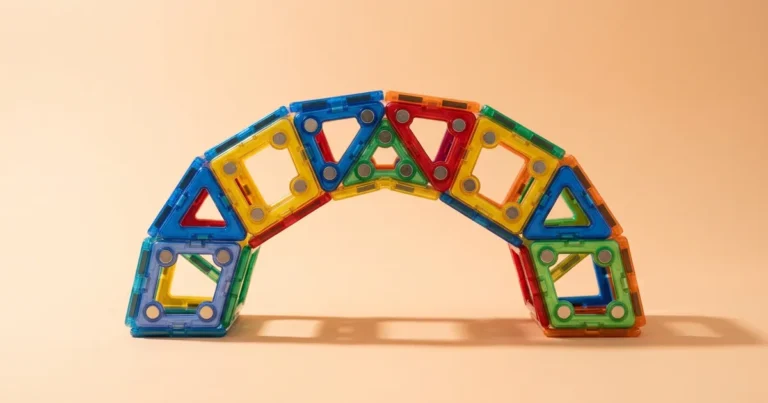
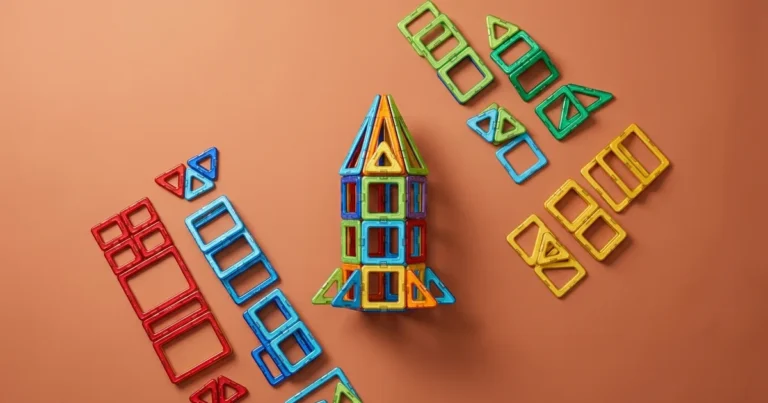
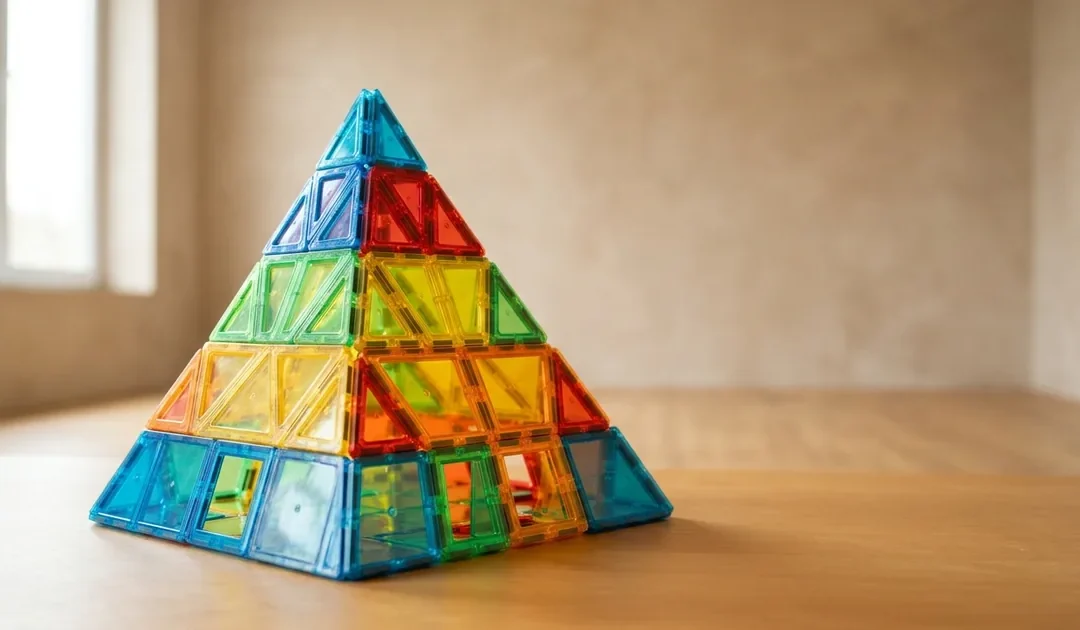
Science, technology, engineering, art, and math concepts do not need worksheets to take root in a preschooler’s mind. Building sets, magnetic construction pieces, and simple cause-and-effect toys introduce concepts like balance, symmetry, gravity, and spatial reasoning long before a child can name them. A magnetic building set, for example, teaches a child how shapes connect, how structures stay upright, and how to plan before building, all foundational engineering skills wrapped in colorful, tactile play.
Fine Motor Skills and Hand-Eye Coordination
Small muscle control in the hands and fingers is essential for later skills like holding a pencil and writing. Toys that involve snapping pieces together, threading, stacking, or sorting small objects all strengthen this control. Puzzles with chunky pieces, lacing beads, and building blocks are excellent low-cost ways to build this skill daily.
Language and Early Literacy
Toys that encourage naming, storytelling, and conversation support vocabulary growth. Simple picture matching games, story cubes, and pretend play sets where a child narrates what is happening all build the oral language foundation that later supports reading. Even a basic train set becomes a literacy tool when a parent sits down and asks, “Where is the train going? What do you think will happen next?”
Social-Emotional Learning
Preschoolers are learning to share, take turns, manage frustration, and understand other people’s feelings. Toys that involve cooperative building, turn-taking games, or pretend scenarios like a toy kitchen or doctor’s kit give children a safe space to practice these social skills before applying them with friends and classmates.
Best Educational Toys for Preschoolers 2026, By Category
With so many toy types on the market, it helps to think in categories. Below are the categories that consistently offer the strongest developmental return for preschool-aged children, along with what to look for within each.
Magnetic Building Sets
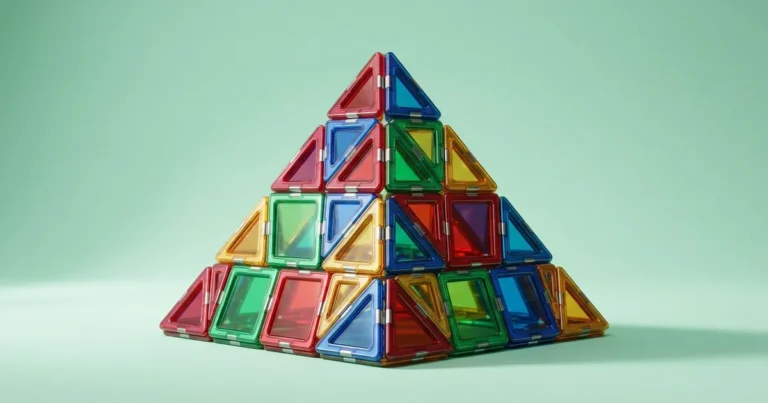
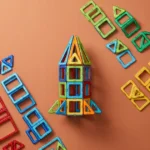
Magnetic tiles and magnetic construction toys remain some of the most highly recommended educational toys for this age group, and for good reason. They are open-ended, meaning there is no single “right” way to play, which encourages creativity and independent problem solving. They also build spatial awareness, early geometry concepts, and fine motor strength as children connect and balance pieces. Look for sets with strong, securely enclosed magnets and smooth, rounded edges. A quality magnetic set can grow with your child, used simply at age 3 and built into elaborate structures by age 5 or 6.
Construction and Train Sets
Train and track sets are a preschool favorite because they combine physical building with imaginative storytelling. Connecting tracks teaches sequencing and planning, while moving trains along the track supports hand-eye coordination. A set like the 65-piece magnetic train set is a great entry point for younger preschoolers, offering enough pieces to build varied layouts without becoming overwhelming. For families with siblings spanning a wider age range, or children who want to build bigger and more complex layouts, a larger option such as the 178-piece magnetic train set offers more creative possibilities and keeps older preschoolers engaged for longer stretches of independent or shared play.
Outdoor and Active Play Toys
Not all educational development happens at a table. Gross motor skills, balance, coordination, and spatial judgement all develop through active outdoor play. A well-made foldable kids kick scooter helps preschoolers build balance and confidence while also teaching them about safety rules, like watching for others and stopping carefully. In the UAE’s warm climate, outdoor play is best scheduled for cooler mornings or evenings, but it remains an essential part of a well-rounded development plan and should not be replaced entirely by indoor toys.
Puzzles and Shape Sorters
Puzzles are quietly powerful learning tools. Simple wooden puzzles with knobs are ideal for 3 year olds building pincer grip and problem-solving skills, while 24 to 48-piece puzzles suit 4 to 5 year olds who are ready for more challenge. Shape sorters introduce early geometry and categorization long before formal math lessons begin.
Pretend Play and Role-Play Toys
Play kitchens, doctor kits, tool sets, and dress-up costumes allow preschoolers to act out real-world scenarios, which builds empathy, language, and sequencing skills (what happens first, next, and last). Pretend play is also one of the best ways for children to process new experiences, like a first visit to the dentist or the arrival of a new sibling.
Art and Sensory Toys
Chunky crayons, washable paints, dough sets, and sensory bins all support fine motor control and creative expression. Sensory play, in particular, helps regulate emotions and gives children a calm, focused activity that many parents find useful during quieter parts of the day.
How to Choose the Right Educational Toy for Your Child
With so many good options available, the real skill is matching the toy to your specific child rather than simply buying what is popular. Here is a practical framework to use every time you shop.
Match the Toy to the Age and Stage, Not Just the Birthday
Age labels on boxes are a helpful starting point, but every child develops at their own pace. If your 4 year old is still mastering basic stacking, a 100-piece puzzle may cause frustration rather than learning. Conversely, a highly verbal, coordinated 3 year old might be ready for toys typically marketed to 5 year olds. Watch your child’s current play patterns, not just their age, and choose accordingly.
Safety Certifications and Materials
Always check for recognized safety markings, non-toxic material labeling, and age-appropriate small parts warnings. Wooden and BPA-free plastic toys are generally good, durable choices for this age group. For magnetic and wheeled toys, confirm that components are securely fixed and cannot be removed by curious little fingers.
Durability for UAE Homes
Between tiled floors, sandy playgrounds, and air-conditioned indoor play for much of the year, toys in UAE households go through a lot of wear. Prioritize toys made from sturdy, easy to clean materials that can handle both a sandy park trip and hours of indoor building on the living room floor. Magnetic tiles and train sets, for instance, are naturally easy to wipe down and store compactly, making them well-suited to apartment living.
Budget Considerations in AED
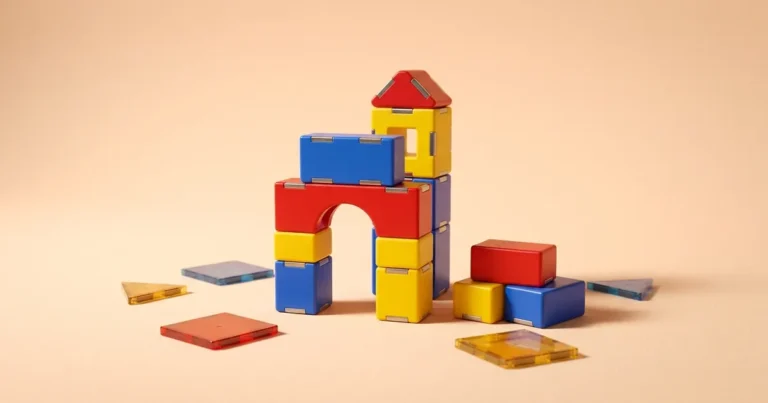
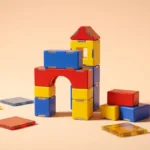
Educational toys in the UAE market span a wide price range, and a higher price tag does not automatically mean higher learning value. A simple set of wooden blocks can offer just as much developmental benefit as an elaborate electronic toy costing several times more. Set a budget in AED before you start browsing, and prioritize toys that offer open-ended, long-lasting play value over toys with a single, narrow function that your child may outgrow within weeks.
Indoor vs Outdoor Educational Play
A well-rounded preschool routine includes both calm, focused indoor play and active, movement-based outdoor play. Both matter, and both deserve a place in your toy collection.
Balancing Screen-Free Indoor Learning
Indoor play is where fine motor skills, early literacy, and quiet problem solving tend to flourish. Building sets, puzzles, and pretend play toys are ideal for the indoor hours, especially during the hottest parts of the day in the UAE. Try to keep a rotating selection of two or three toy types available rather than every toy out at once, since a smaller, curated selection actually encourages deeper, more focused play.
Why Outdoor Play Still Matters in the UAE Climate
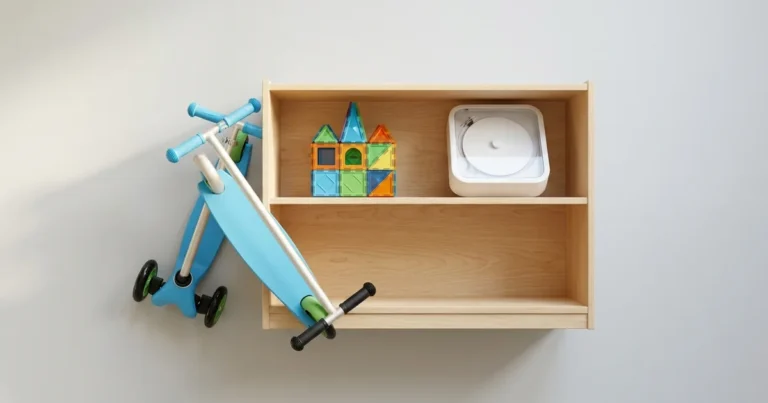
Even with intense summer heat, outdoor play remains essential for gross motor development, confidence, and overall wellbeing. Early mornings, evenings, and the cooler months from October through April are ideal windows for scooter rides, park visits, and active games. A lightweight, foldable scooter is particularly practical for UAE families since it can be easily stored in a car boot for spontaneous trips to the park or community play area.
Educational Toys by Age Within the Preschool Years
Because “preschooler” spans three very different developmental stages, it helps to break recommendations down year by year.
Age 3: Building Basic Skills
At this age, focus on toys with large, easy to grip pieces, simple cause-and-effect mechanisms, and basic sorting or stacking challenges. Chunky puzzles, large magnetic tiles, simple shape sorters, and a starter train set are excellent choices. Keep instructions minimal and let your child explore freely.
Age 4: Expanding Imagination
Four year olds are ready for more complex building challenges, longer pretend play scenarios, and early counting or letter-matching games. This is a great age to introduce a larger magnetic construction set or a bigger train layout, since children at this stage enjoy building more elaborate structures and inventing stories around them. It is also a good time to browse a dedicated collection of toys for ages 3 to 5 to find options matched specifically to this developmental window.
Age 5: Preparing for School
Five year olds benefit from toys that build pre-literacy and pre-math skills, longer attention span activities, and more complex construction challenges. Larger puzzle sets, advanced building kits, and toys that encourage planning and sequencing help ease the transition into structured school learning. Many families also start introducing toys from the ages 6 to 8 collection gradually for a 5 year old who is ready for extra challenge, always keeping safety and skill level in mind.
Top Toy Picks from Graflo Toys for 2026
If you are short on time and want a reliable starting point, here are a few categories worth prioritizing this year.
- For first-time builders: the 65-piece magnetic train set offers an approachable introduction to construction play, ideal for 3 to 4 year olds.
- For ambitious builders: the 178-piece magnetic train set gives older preschoolers and early school-age children room to design bigger, more complex layouts.
- For active, outdoor development: a foldable two-wheel kick scooter supports balance, coordination, and confident outdoor play.
- For age-matched browsing: explore the full ages 3 to 5 category to compare options suited precisely to your child’s stage.
Common Mistakes Parents Make When Buying Educational Toys
Even well-intentioned parents can fall into a few common traps when shopping for educational toys. Being aware of these can save both money and frustration.
Buying Too Many Toys at Once
An overflowing toy box often leads to shorter attention spans and less meaningful play. Children engage more deeply when they have fewer, well-chosen options available at any one time. Consider rotating toys in and out of storage every few weeks to keep play fresh without constant new purchases.
Choosing Toys That Do Everything Automatically
Toys with too many built-in lights, sounds, and automated functions can actually limit a child’s imagination, since there is little left for the child to invent. Simpler, more open-ended toys like building sets and basic pretend play items tend to encourage richer, longer-lasting engagement.
Ignoring the Child’s Actual Interests
A toy that looks educational on paper will not help much if your child has no interest in playing with it. Pay attention to what genuinely captures your child’s attention, whether that is trains, animals, building, or pretend cooking, and choose educational toys within that interest area for the best engagement.
Overlooking Storage and Cleanup
Toys with dozens of small, loose pieces can become a source of daily stress if there is no simple system for storing them. Look for sets that come with their own storage box or bag, and involve your child in cleanup as part of the learning experience, since sorting pieces back into place is itself a small cognitive exercise.
Tips to Maximize Learning From Any Toy
The toy itself is only half the equation, how you play with your child alongside it matters just as much.
Narrate and Ask Open-Ended Questions
While your child plays, describe what you see and ask open questions like “What do you think will happen if we add one more piece here?” This simple habit builds vocabulary and encourages critical thinking far more than silent observation.
Let Your Child Lead the Play
Resist the urge to correct or direct every move. Allowing your child to experiment, make mistakes, and find their own solutions builds resilience and independent thinking, both of which are more valuable long term than a perfectly built structure.
Rotate Toys Seasonally
Swap a few toys in and out of circulation every month or two. Reintroducing a toy after a break often sparks fresh interest and new, more advanced ways of playing with it.
Combine Toy Types for Richer Play
Encourage your child to combine toys, for example building a train station out of magnetic tiles and running a train set through it, or setting up a pretend shop using building blocks as products. Cross-toy play stretches creativity further than any single toy can alone.
Conclusion
The best educational toys for preschoolers 2026 are not necessarily the newest or most expensive items on the market. They are the toys that are genuinely safe, suited to your child’s current stage, and open-ended enough to grow with them. Whether you choose a magnetic building set, a train layout, or a sturdy scooter for outdoor adventures, the goal is the same: give your child safe, joyful ways to build the skills they will carry into school and beyond. Start with a small, thoughtful selection, play alongside your child often, and let their curiosity guide the rest.
Frequently Asked Questions
What age group counts as preschoolers for educational toy shopping?
Preschoolers typically refers to children between ages 3 and 5, though development varies by child. When shopping, focus on your child’s current skills and interests rather than relying strictly on the age printed on packaging.
Are magnetic building toys safe for preschool-aged children?
Yes, as long as the magnets are securely sealed inside the pieces and cannot be removed or chewed off. Always check the manufacturer’s safety information and supervise younger children during play, especially if there are other small children in the home.
How many educational toys does a preschooler actually need?
Fewer, well-chosen toys generally lead to deeper, more meaningful play than a large collection. A small rotating selection of three to five toy types, covering building, pretend play, puzzles, and active outdoor play, is usually enough.
Do electronic toys with lights and sounds help preschoolers learn better?
Not necessarily. Toys that do too much on their own can limit a child’s imagination and problem-solving opportunities. Simpler, open-ended toys like building sets, trains, and pretend play items often support richer, longer-lasting learning.
What should UAE parents check before buying outdoor toys like scooters?
Look for a stable, well-balanced design, grippy non-slip handles, a suitable weight limit, and foldability for easy storage and transport. Plan active outdoor play for cooler mornings or evenings given the UAE climate.