Last updated: October 21, 2026
If your child’s playtime is currently dominated by tablets, and you are searching for a gentler, screen free educational toys approach that still feels fun and engaging, you are not alone. Across the UAE, more parents are rethinking screen time, not because screens are evil, but because they want their children to also experience the slower, richer kind of learning that happens with hands, eyes, and imagination working together. This guide walks you through why screen free play matters for brain development, how to choose the right toys for your child’s age, and how to build a home routine where screen free educational toys become the default, not a punishment.
Why Screen Free Educational Toys Matter for Early Development
Young children learn primarily through touch, movement, and repetition. A toy they can pick up, twist, stack, drop, and try again teaches cause and effect in a way no app can fully replicate. When a toddler connects two magnetic pieces and feels the click, or when a six-year-old fits the last puzzle piece into place, the brain registers a real, physical accomplishment. This is the foundation of confidence and problem-solving that carries into school years.
Pediatric and child development experts have long pointed out that passive screen content, even when labeled “educational,” often limits a child’s opportunity to practice fine motor control, spatial reasoning, and open-ended thinking. Screen free educational toys fill that gap by demanding active participation. A child does not just watch a train move across a screen, they build the track themselves, decide where it goes, fix it when it falls apart, and narrate the whole journey out loud.
Building Focus and Attention Span
One of the quiet advantages of screen free play is how it trains sustained attention. Screens are designed with fast cuts, bright flashes, and constant rewards to keep eyes glued to them. Physical toys, by contrast, require a child to stay with a task longer, sometimes struggling before succeeding. This kind of productive struggle is exactly what builds patience and focus, skills that matter far beyond the playroom, into classroom learning and beyond.
Strengthening Fine and Gross Motor Skills
Every time little fingers pinch a magnetic tile, roll out dough, hold a paintbrush, or snap together train tracks, tiny muscles in the hand are getting stronger. This fine motor development is directly linked to handwriting readiness, self-feeding, and dressing skills. Larger, chunkier toys that require two-handed coordination also help with gross motor planning, especially for toddlers who are still mastering balance and movement.
Encouraging Imagination and Open-Ended Play
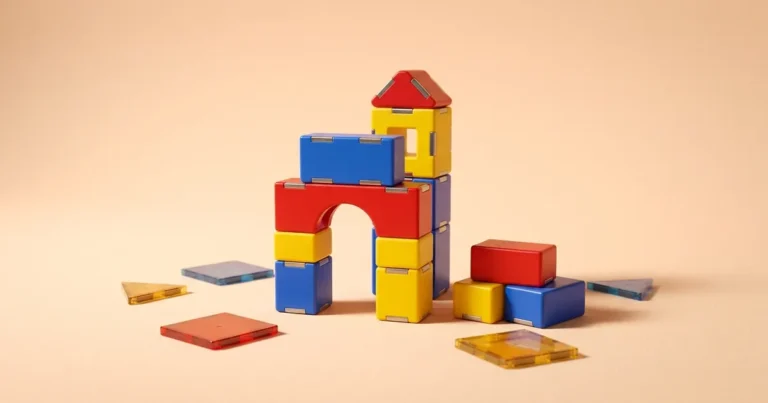
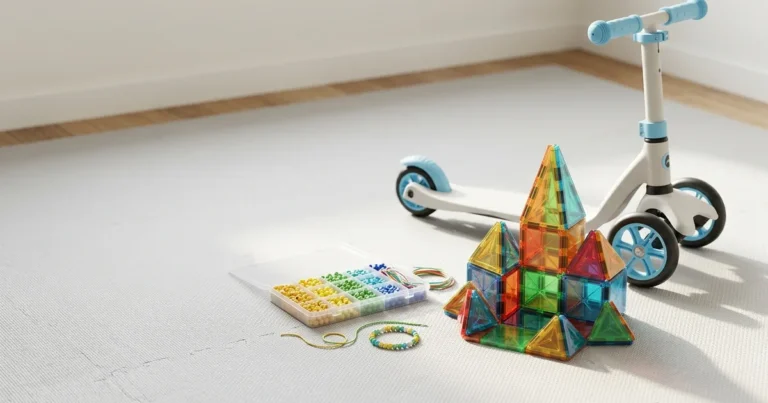
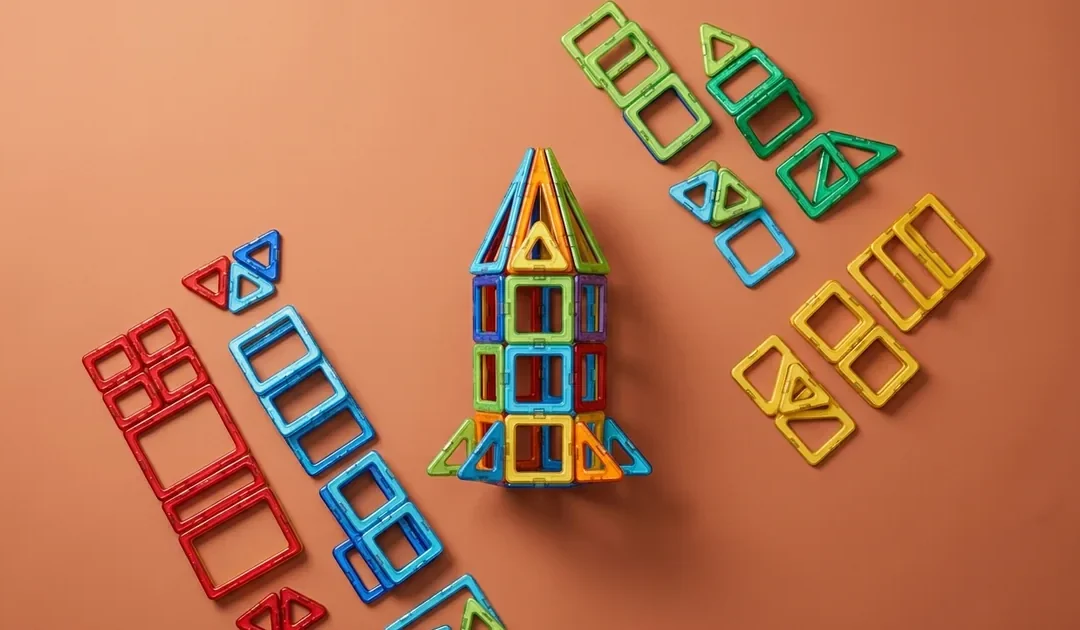
A screen usually tells a child what happens next. A box of magnetic shapes, a set of wooden blocks, or a tub of finger paint asks the child what happens next. This open-endedness is where imagination is born. The same set of magnetic tiles can become a castle one day, a rocket ship the next, and a zoo enclosure the day after. That flexibility is something screen based content, however well designed, rarely offers in the same depth.
Supporting Social and Emotional Growth
Many screen free toys naturally invite shared play. Siblings building a magnetic train track together have to negotiate, take turns, and sometimes compromise on the design. This kind of cooperative play builds empathy and communication skills in a way that solo screen time simply cannot replicate. Even solitary screen free play, like quietly completing a puzzle, teaches self-regulation and the satisfaction of delayed gratification.
The Science Behind Reducing Screen Time in Early Childhood
Health organizations around the world, including guidance often referenced by pediatricians in the UAE, recommend limiting recreational screen time for young children and prioritizing hands-on, physical, and social play instead. The concern is not that a short video is harmful in isolation, but that screen time tends to replace the very activities, physical play, conversation, outdoor time, that are proven to support healthy brain architecture in the first eight years of life.
Research on early childhood development consistently shows that children who spend more time in unstructured, hands-on play demonstrate stronger problem-solving abilities and more flexible thinking later on. This does not mean screens must be eliminated entirely, but it does mean that screen free educational toys deserve a prominent, protected place in a child’s daily routine, especially during the toddler and preschool years when the brain is developing at its fastest rate.
What Happens in the Brain During Hands-On Play
When a child manipulates a physical object, multiple areas of the brain activate simultaneously, the visual cortex processes what the eyes see, the motor cortex coordinates the hands, and the prefrontal cortex works on planning and decision making. This multi-sensory engagement is far richer than the mostly visual and auditory stimulation a screen provides. Over time, this kind of integrated brain activity supports stronger memory formation and problem-solving pathways.
Choosing the Right Screen Free Educational Toys by Age
Not every screen free toy suits every age, and choosing age-appropriate options is just as much a safety matter as it is a developmental one. Here is a practical breakdown for UAE parents shopping for their little ones.
Ages 3 to 5: Building Foundations
Preschoolers are at a stage where they are refining hand-eye coordination, learning early counting and sorting concepts, and beginning to engage in pretend play with real storylines. At this age, look for toys with larger, chunkier pieces that are easy to grip but still offer enough variety to hold their interest over weeks and months, not just days.
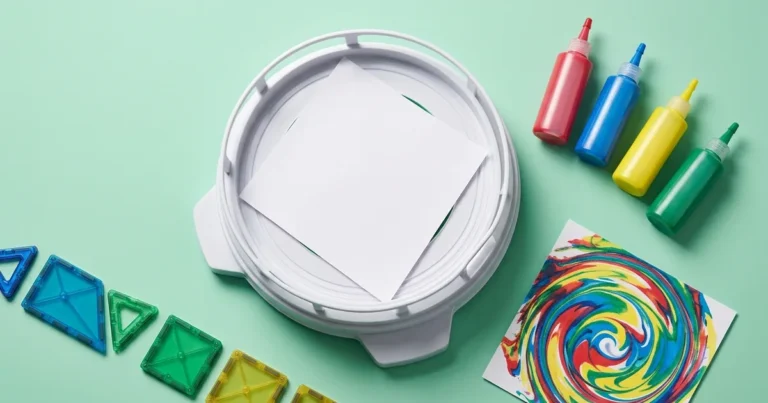
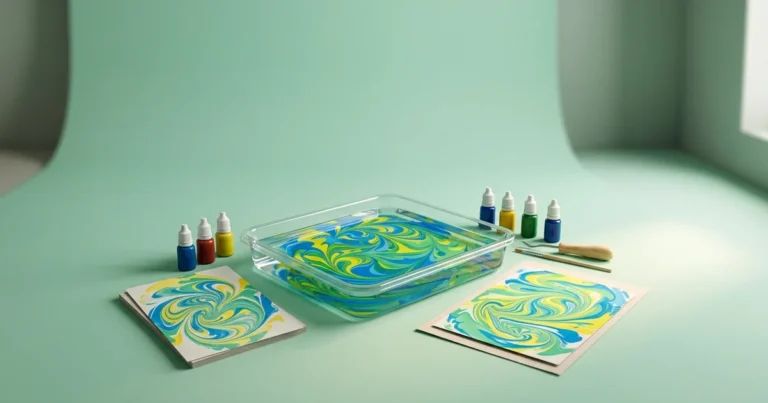
A set of colorful magnetic building pieces is an excellent choice here. The Graflo Magnetic Train for Kids (65pcs) is designed with this age group in mind, offering enough pieces for a satisfying build without overwhelming a young child with too many small parts. Sensory activities also shine at this stage, and a non-toxic option like the Finger Paint for Kids (12 Colors) lets preschoolers explore color mixing, texture, and early art expression with their hands, no screen required. You can browse more age-matched options in our Ages 3-5 Years collection.
Ages 6 to 8: Growing Complexity and Independent Thinking
Once children reach school age, they are ready for more complex challenges that involve planning, sequencing, and longer attention spans. This is the perfect window to introduce bigger building sets that require multi-step construction, like the Magnetic Train Set for Kids (178pcs), which offers enough variety and scale for children to design elaborate layouts, incorporate storytelling, and even collaborate with siblings or friends on shared builds.
At this age, children also benefit from toys that introduce early engineering concepts, like balance, symmetry, and spatial planning. Explore more options suited to this stage in our Ages 6-8 Years collection, where you will find toys that grow with your child’s increasing independence and curiosity.
Toddlers Under 3: Keep It Simple and Safe
For the youngest children, safety always comes first. Choose toys with large, rounded pieces that cannot pose a choking hazard, avoid anything with small detachable parts, and prioritize soft textures and bright colors that are easy on developing eyes. Simple stacking toys, soft blocks, and textured balls are ideal starting points before moving on to more complex building sets as fine motor skills mature.
Types of Screen Free Educational Toys and What Each One Teaches
Not all screen free toys serve the same developmental purpose. Understanding the different categories helps you build a well-rounded toy collection at home rather than accumulating duplicates of the same skill set.
Magnetic Building Sets
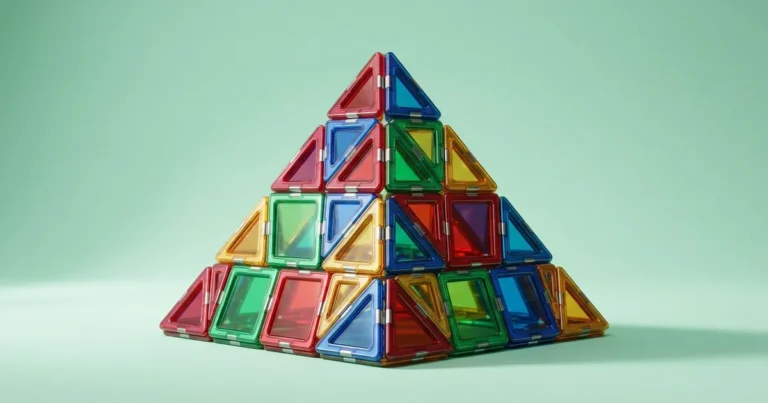
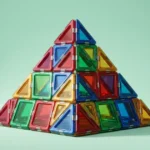
Magnetic toys, like magnetic trains and tiles, are some of the most versatile screen free educational toys available today. They teach spatial reasoning, basic physics concepts like magnetism and balance, and patience through trial and error. Because pieces can be reconfigured endlessly, a single set offers months or even years of fresh play value, which also makes it a smart, cost-effective investment measured in AED per hour of engagement rather than per purchase.
Art and Sensory Toys
Finger paints, modeling dough, and textured sensory bins engage touch and sight simultaneously, which is especially valuable for toddlers and preschoolers still developing sensory processing skills. Art-based play also offers an early outlet for emotional expression, something a screen cannot replicate in the same tactile, immersive way.
Puzzles and Matching Games
Puzzles teach visual discrimination, patience, and sequencing. Starting with simple four-piece puzzles for toddlers and progressing to more complex jigsaw puzzles for school-age children keeps the challenge level appropriate while steadily building problem-solving stamina.
Pretend Play and Role-Play Sets
Play kitchens, doctor kits, and dress-up costumes support language development and social-emotional learning. Through pretend play, children rehearse real-life scenarios, practice empathy by stepping into another role, and build vocabulary through storytelling.
Building Blocks and Construction Toys
Classic wooden or interlocking blocks teach balance, gravity, and early engineering thinking. They also encourage perseverance, since a tower that falls simply invites another attempt rather than a frustrating dead end.
Board Games and Card Games
For slightly older children, simple board games introduce turn-taking, counting, strategy, and graceful handling of winning and losing, all valuable social skills that pair well with the focus and planning skills built through construction toys.
Safety First: What to Check Before You Buy
At Graflo Toys, safety is never an afterthought, it is the starting point for every product decision. When choosing screen free educational toys for your child, keep the following safety checklist in mind.
Check Age Recommendations Carefully
Age labels on toy packaging are not arbitrary, they reflect careful testing around choking hazards, part size, and developmental appropriateness. A toy designed for a six-year-old may contain small magnets or pieces that are unsafe for a toddler who still explores the world by mouth.
Look for Non-Toxic Materials
Especially for art supplies like finger paints and modeling materials, always confirm that the product is non-toxic and safe for young skin. Our Finger Paint for Kids is formulated with this exact concern in mind, so parents can relax while children explore color and texture with their hands.
Inspect Magnetic Toys for Secure Construction
Magnetic building toys are wonderful for development, but it is important to choose sets where magnets are securely encased and cannot be pried loose by curious little hands. Well-built sets, like those from Graflo, are designed with secure magnet housings so children can enjoy building without risk.
Avoid Sharp Edges and Small Detachable Parts
Run your hand along any new toy before handing it to your child. Rounded edges and sturdy, well-molded pieces reduce the risk of cuts or breakage during enthusiastic play sessions.
Supervise Younger Siblings During Shared Play
In households with children of different ages, a toy that is perfectly safe for an eight-year-old might still pose a risk if a toddler sibling gets hold of small pieces. Store sets with smaller components out of reach when not in supervised use, and encourage older children to help keep pieces organized after play.
Creating a Screen-Free Play Routine at Home
Switching from screen-dependent habits to screen free educational toys is not about a single dramatic change, it is about building small, sustainable routines that fit naturally into your family’s day.
Start With a Dedicated Play Zone
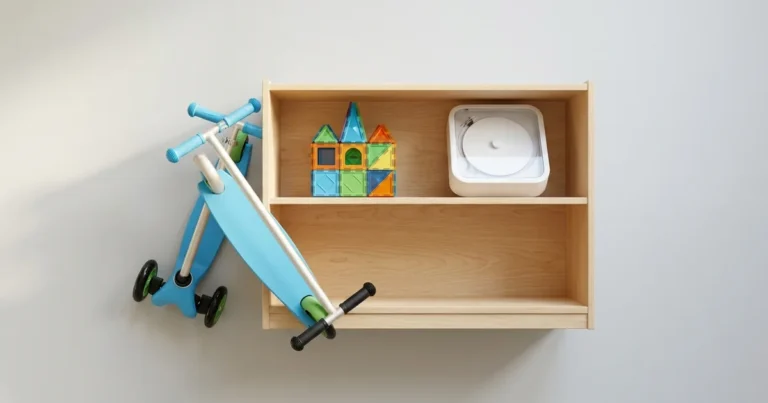
Set aside a specific corner or shelf at home where screen free toys are always accessible and visible. When toys are easy to see and reach, children are far more likely to choose them independently rather than defaulting to asking for a tablet out of boredom.
Rotate Toys to Keep Interest Fresh
Rather than leaving every toy out all the time, rotate a portion of the collection every couple of weeks. A set like the magnetic train, when reintroduced after a short break, often feels brand new again, sparking fresh enthusiasm without any new purchase required.
Join In, Especially at First
Children who are used to screen stimulation may need a little encouragement to settle into slower, hands-on play. Sitting down for ten minutes to build a magnetic track together or mix paint colors side by side helps model focused, screen free engagement and often leads to the child continuing the activity independently once you step away.
Set a Predictable Daily Rhythm
Children thrive on predictability. Designating a specific time each day, such as right after breakfast or before dinner, as dedicated screen free play time helps the habit stick without constant negotiation or resistance.
Celebrate the Process, Not Just the Result
When your child shows you a wobbly tower or a scribbled painting, resist the urge to immediately redirect or correct. Praise the effort and the thinking behind it. This builds intrinsic motivation to keep engaging in hands-on play rather than seeking the instant validation screens often provide.
Common Mistakes Parents Make When Introducing Screen-Free Toys
Even with the best intentions, a few common missteps can undermine the transition to more screen free play. Being aware of them helps you sidestep unnecessary frustration.
Buying Too Many Toys at Once
An overflowing toy box can actually overwhelm a child, leading to shallow, scattered play rather than deep engagement with any single toy. It is often more effective to invest in a few high-quality, versatile sets, like a magnetic building set that scales in complexity, rather than dozens of single-purpose toys.
Expecting Instant Independent Play
Children who are new to screen free play, especially those transitioning away from heavy screen use, may initially seem bored or resistant. This is normal and temporary. With consistent routine and gentle encouragement, most children adapt within a couple of weeks and begin initiating their own hands-on play.
Removing Screens Without Offering an Alternative
Simply taking away a tablet without having an engaging alternative ready often backfires. Keep a rotating selection of screen free educational toys visible and ready to go, so the transition feels like an exciting swap rather than a loss.
Ignoring the Child’s Current Interests
If your child loves trains, lean into that with a magnetic train set rather than forcing an unrelated activity. Matching screen free toys to existing interests dramatically increases the odds of sustained, enthusiastic engagement.
Balancing Screen Time and Screen-Free Play in a Modern UAE Household
Realistically, most modern families are not aiming for a completely screen-free childhood, and that is perfectly fine. The goal is balance, ensuring that hands-on, screen free educational toys make up a substantial, protected portion of each day, so that screens remain one tool among many rather than the default activity.
Practical Daily Targets
Many child development specialists suggest that preschool and early school age children benefit from at least one to two hours of unstructured, hands-on play daily, in addition to outdoor time. This does not need to happen in one block, short, focused sessions spread across the day, a morning puzzle, an afternoon painting session, an evening magnetic building challenge, add up meaningfully over a week.
Involve the Whole Family
Screen free play does not have to be a solo activity for your child while you attend to other tasks. Weekend mornings spent building an elaborate magnetic train layout together, or evenings mixing finger paint colors as a family activity, turn screen free time into connected family time, which carries its own developmental and emotional benefits.
Travel and Outings
Keep a small, portable screen free toy, like a compact puzzle or a handful of magnetic tiles, in your bag for outings, waiting rooms, or car rides in the UAE’s warm climate when outdoor play is not always practical. This gives children a constructive alternative to reaching for a phone the moment they feel restless.
How Graflo Toys Supports Screen-Free Learning at Home
Every product in the Graflo Toys range is designed with the same guiding principle, safety first, development always. Our magnetic building sets, from the beginner-friendly 65-piece Magnetic Train to the more advanced 178-piece Magnetic Train Set, are built to grow alongside your child’s developing skills. Our sensory and art offerings, including the Finger Paint for Kids, are formulated with non-toxic ingredients so parents can feel confident during messy, joyful play sessions. Browse our full, age-sorted collections for Ages 3-5 Years and Ages 6-8 Years to find the right next addition to your child’s screen free play collection.
Conclusion
Choosing screen free educational toys is one of the most meaningful investments a UAE parent can make in their child’s early development. From strengthening fine motor skills with magnetic building sets to encouraging emotional expression through finger painting, hands-on play builds the kind of focus, resilience, and imagination that will serve your child well beyond the playroom. Start small, stay consistent, and choose toys that match your child’s age and interests, and you will likely find that screen free play becomes not a chore to enforce, but a favorite part of your family’s day.
Frequently Asked Questions
What are screen free educational toys and why are they important?
Screen free educational toys are hands-on toys, like magnetic building sets, puzzles, and art supplies, that help children learn through touch, movement, and imagination rather than passive viewing. They are important because they build fine motor skills, focus, problem-solving, and creativity in ways that screen-based content cannot fully replicate.
What age is best to start introducing screen free educational toys?
Children can benefit from screen free toys from infancy, starting with simple stacking and textured toys for babies and toddlers, progressing to magnetic building sets, puzzles, and art activities for preschoolers aged 3 to 5, and more complex construction sets for school-age children aged 6 to 8.
How do I get my child to choose toys over a tablet?
Keep a rotating selection of engaging, age-appropriate screen free toys visible and accessible, set a predictable daily play routine, and join in for the first few minutes to model focused play. Children often need a short adjustment period before independently choosing hands-on play.
Are magnetic building toys safe for young children?
Well-made magnetic building sets, like Graflo’s magnetic trains, are designed with securely encased magnets and age-appropriate piece sizes to minimize choking and swallowing risks. Always check the recommended age range and supervise younger siblings who may be in the same play area.
How much screen free play time should my child get each day?
Many child development guidelines suggest aiming for at least one to two hours of unstructured, hands-on play daily for preschool and early school age children, which can be spread across shorter sessions throughout the day rather than one long block.