Last updated: October 21, 2026
Before any toy box lands on your living room floor, the first question every parent should ask is simple: is it safe for my child to hold, stack, and sometimes mouth? Magnetic building blocks for kids have become one of the most popular open-ended toys in UAE homes, and for good reason – when chosen carefully, they combine strong safety design with real developmental value, from tiny finger muscles to early engineering thinking. This guide walks you through everything you need to know before you buy, from magnet safety standards to age-by-age play ideas, so you can pick a set that is genuinely right for your child.
What Are Magnetic Building Blocks?
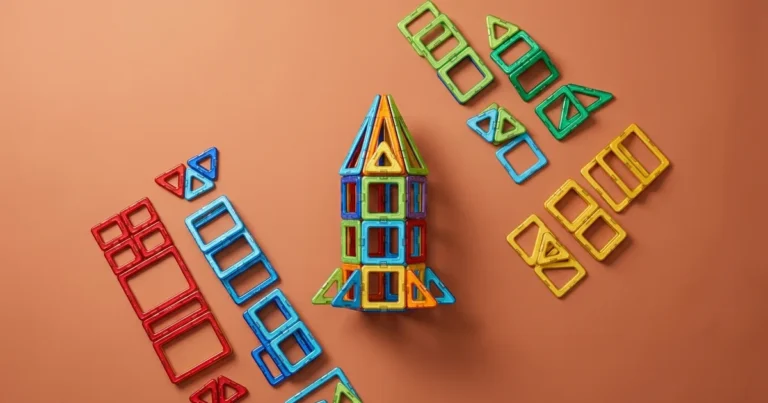
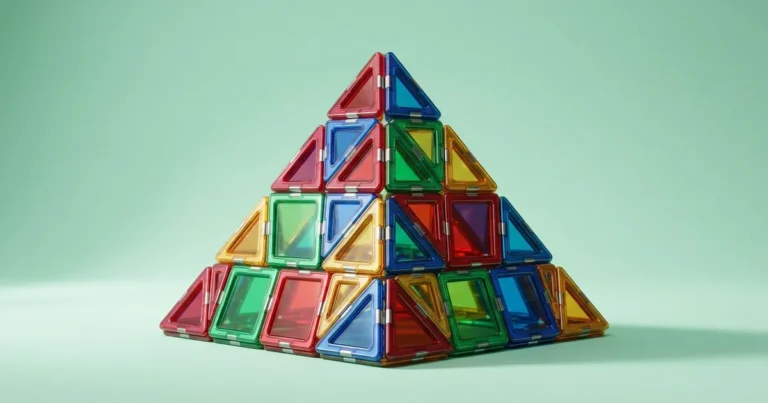
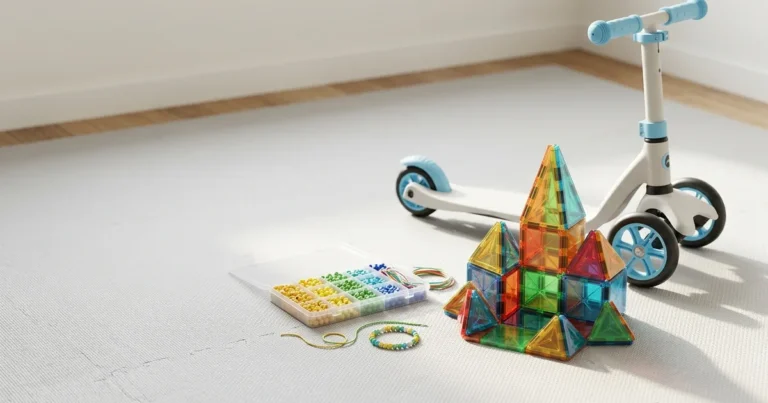
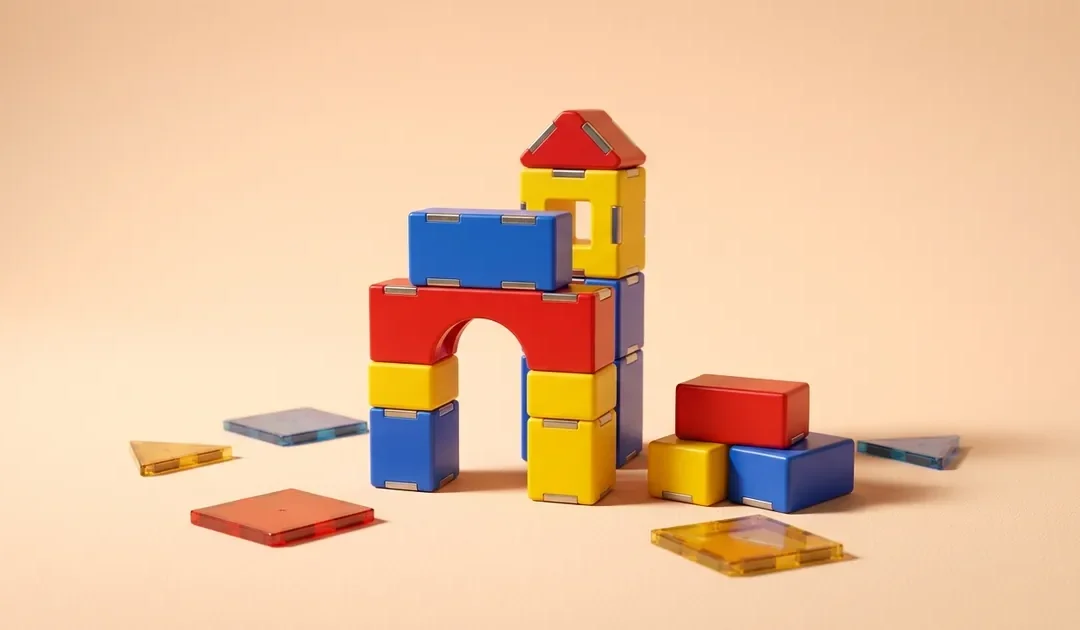
Magnetic building blocks are geometric pieces – usually squares, triangles, or rectangles – with magnets embedded along their edges so they snap together to form 3D shapes, towers, houses, cars, and abstract sculptures. Unlike traditional interlocking bricks that rely on friction-fit pegs, magnetic blocks connect through gentle magnetic pull, which makes them easier for small hands to join and separate without frustration.
Most sets sold in the UAE today are made from BPA-free ABS plastic with the magnets sealed permanently inside the block casing, not loose inside a cavity a child could open. This is an important distinction we will return to in the safety section below, because it is the single biggest factor separating a well-made magnetic toy from a risky one.
How Magnetic Blocks Differ from Magnetic Tiles
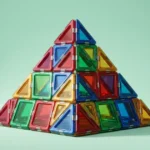
You will often see “magnetic blocks” and “magnetic tiles” used interchangeably, but there is a small difference. Tiles are typically flat, translucent panels designed to build flat or semi-flat structures like windows and walls, often used for larger architectural builds. Blocks tend to be more solid, three-dimensional pieces that are closer in spirit to traditional building bricks, making them a natural bridge between simple stacking toys and more complex construction sets like a magnetic train set. Many families end up owning both because they complement each other well during open-ended play sessions.
Why Magnetic Blocks Are Great for Child Development
Toy shelves are full of flashy, battery-powered gadgets, but some of the most valuable learning happens through quiet, repetitive, hands-on play. Magnetic blocks sit firmly in that category. Here is what is actually happening in your child’s brain and body while they play.
Fine Motor Skills and Hand-Eye Coordination
Picking up a small block, orienting it correctly, and pressing it against another piece until the magnets catch requires a surprising amount of coordination for a toddler. Repeating this motion dozens of times during a single play session strengthens the small muscles in the hands and fingers that your child will later need for holding a pencil, buttoning a shirt, or using scissors. For children aged three to five, this kind of repetitive manipulation is one of the most effective, naturally enjoyable ways to build those skills without it feeling like a structured exercise.
Spatial Reasoning and Early STEM Thinking
When a child tries to balance a triangle on top of a cube, or works out why a tower keeps toppling, they are doing real engineering, just without the vocabulary for it yet. They are testing weight distribution, symmetry, and structural stability through trial and error. Over time, this kind of play builds the spatial reasoning skills that later support success in geometry, physics, and even reading comprehension, since spatial thinking and language processing share overlapping brain networks in young children.
Creativity and Open-Ended Play
Unlike toys with one correct way to use them, magnetic blocks have no instruction manual telling your child what to build. One day it is a castle, the next it is a rocket, the day after it is something entirely new with no name. This open-endedness is exactly what child development specialists mean when they talk about “process over product” play – the value is in the building, imagining, and problem-solving, not in a finished result that has to look a certain way. It also means a single set of magnetic blocks can hold a child’s interest for years longer than toys with a fixed purpose.
Social Skills Through Cooperative Building
Magnetic blocks are wonderfully suited to sibling or group play. Building a shared structure teaches children to negotiate, take turns, divide tasks, and celebrate a joint achievement. For families with children across different age groups, this is one of the easiest toys to bring everyone into the same activity, even when skill levels differ, because a younger sibling can stack simple shapes while an older one adds more ambitious details.
Language Development Through Play Narration
As children build, they naturally narrate what they are doing: “this is the door,” “the roof is falling,” “my tower is taller than yours.” This running commentary, especially when a parent joins in and asks open questions like “what do you think will happen if you add one more block on top?”, builds vocabulary and encourages descriptive, cause-and-effect language that supports early literacy.
Safety First: What UAE Parents Should Know About Magnetic Toys
Magnetic toys have had safety issues in the broader toy industry over the years, almost always tied to small, high-powered magnets that come loose from a toy and are later swallowed by a young child. It is essential to understand this risk clearly so you can shop with confidence rather than fear.
Why Loose Small Magnets Are Dangerous
If a child swallows a single magnet, it usually passes through the digestive system without incident, much like any small object. The real danger arises when more than one magnet is swallowed, sometimes at different times, because the magnets can attract each other through the walls of the intestine, pinching tissue between them and causing serious internal injury that often requires surgery. This is why pediatric safety guidance is so strict specifically about small, separate, high-powered magnets, such as those found in loose magnet ball sets.
What Makes a Magnetic Block Set Safe
Reputable magnetic building block sets are engineered specifically to avoid this risk. Look for the following before you buy:
- Magnets sealed inside solid plastic casing – the magnet should never be loose or exposed, and the block itself should not be able to be pried open with normal hand strength or a drop onto a hard floor.
- Blocks sized well above choking hazard dimensions – pieces designed for young children should be too large to fit entirely inside a toddler’s mouth.
- Compliance markings – look for recognized toy safety certification markings on the packaging, along with a clear recommended age range.
- Rounded edges and smooth finishes – no sharp corners or seams that could pinch fingers or cause injury during rough play.
- Non-toxic, BPA-free materials – important since younger children often still mouth toys occasionally even past the typical teething stage.
At Graflo Toys, every magnetic set, including our 65-piece magnetic train set and the larger 178-piece magnetic train set, is designed with magnets fully sealed inside rounded, child-safe plastic housings, so parents can focus on the fun rather than worrying about hidden risks.
Age Recommendations and Supervision
Even well-made magnetic blocks come with a manufacturer’s recommended minimum age, typically starting around three years, because younger toddlers are still more likely to put small objects in their mouths. For children under three, choose only sets explicitly labeled safe for that age group, with larger, chunkier pieces. For children aged three and above, periodic supervision is still wise, especially early on, until you are confident your child understands the blocks are for building, not chewing.
What to Do if You Suspect a Magnet Has Been Swallowed
If you ever suspect your child has swallowed a magnet, even a single one, seek medical attention promptly rather than waiting to see if symptoms appear. Mention clearly to the medical team that the object was a magnet, since this changes how doctors assess and monitor the situation, and bring the toy packaging with you if possible so they can see the type and strength of magnet involved. This is a precaution worth knowing even if you never need it.
Regular Toy Inspection Habits
Make a habit of briefly checking magnetic blocks every few weeks, especially after they have been dropped repeatedly or chewed on during a teething phase. Look for any cracks in the plastic casing, and remove any piece that shows damage immediately, storing it out of reach until you can replace it. This five-minute habit is one of the simplest ways to keep an already safe toy safe over the long term.
How to Choose the Best Magnetic Blocks for Your Child
Not all magnetic block sets are created equal, and the right choice depends heavily on your child’s age, interests, and how you expect the toy to be used at home.
Match the Set to Your Child’s Age
For toddlers and preschoolers around three to five years old, look for larger, simpler shapes in bright colors that are easy to grip and snap together with light pressure. These early years are about building confidence and basic cause-and-effect understanding, so a smaller starter set is often the right entry point. Browsing a dedicated collection for this age group, such as Graflo’s toys for ages 3-5 years, can help narrow down options that are genuinely developmentally appropriate rather than just marketed as such.
For children aged six to eight, look for larger sets with more varied shapes, including wheels, connectors, and figures that allow for more complex builds like vehicles, bridges, and multi-room structures. Older children also enjoy combining magnetic blocks with other construction toys to create hybrid builds, which is where a wider ages 6-8 years collection becomes useful for finding complementary pieces.
Consider Material Quality and Build Durability
Cheaper magnetic blocks sometimes use weaker magnets that lose their pull over time, or thinner plastic casing that cracks under normal play. Good quality sets feel satisfyingly solid in the hand, with a strong, confident “click” when pieces connect, and blocks that hold their shape even after being dropped repeatedly on a tiled floor, which is common in most UAE homes.
Set Size and Expandability
Think about whether you want a toy that stays small and simple, or one your child can keep growing into over the years. Many families start with a smaller starter pack and later add expansion sets, which is often more budget-friendly than buying one enormous set upfront, and it also lets you gauge your child’s genuine interest before investing further.
Budget and Pricing in AED
Magnetic building sets in the UAE market generally range from around AED 80 for small starter packs of 20-30 pieces, up to AED 300 or more for larger premium sets with 100+ pieces and extra accessories like wheels, figures, or light-up pieces. A useful approach is to calculate cost per piece rather than just total price, since a larger set often offers better long-term play value even at a higher upfront cost. It is also worth remembering that a well-made set in the AED 150-250 range will typically outlast two or three cheaper AED 50 sets that need replacing after a few months of regular play.
Compatibility with Other Toys
Some magnetic block systems are designed to connect with other popular building toy lines, which can significantly extend creative possibilities. If your child already owns a magnetic train set, for example, check whether building blocks from the same brand are designed to connect with the train tracks and carriages, turning two separate toys into one larger imaginative play world.
Magnetic Blocks vs Other Building Toys
Parents often ask how magnetic blocks compare to other popular construction toys, and the honest answer is that each has its own strengths.
Magnetic Blocks vs Traditional Interlocking Bricks
Traditional peg-and-socket bricks require more hand strength and precision to press together and pull apart, which can be frustrating for children under five. Magnetic blocks connect with a light touch, making them far more accessible for younger builders, while still offering plenty of challenge for older children who want to build increasingly complex and tall structures.
Magnetic Blocks vs Wooden Building Blocks
Wooden blocks are wonderful for basic stacking and sensory play, and they tend to be extremely durable, but they rely entirely on gravity and balance, so structures collapse easily and cannot include vertical or angled connections. Magnetic blocks allow children to build sideways, upside down, and at angles that would be impossible with gravity-only wooden sets, opening up more architectural creativity.
Magnetic Blocks vs Magnetic Trains
Magnetic train sets, like Graflo’s popular 178-piece magnetic train set, focus on track-building, sequencing, and imaginative story play around a moving vehicle. Magnetic blocks focus more on freeform 3D construction. Many UAE families find that owning both gives children the best of both worlds, letting them build a magnetic block station or bridge for their magnetic train to pass through, blending construction play with narrative, role-play fun.
Creative Play Ideas and Activities with Magnetic Blocks
A set of magnetic blocks is only as exciting as the ideas you bring to it, especially in the first few weeks after purchase when children benefit from a little guided inspiration before branching out on their own.
Activities for Toddlers and Preschoolers (Ages 3-5)
- Color sorting towers – ask your child to build a tower using only blocks of one color at a time, reinforcing color recognition alongside motor skills.
- Shape matching houses – build a simple house shape and name each piece as you use it (“this triangle is the roof”), connecting shape vocabulary to a real object.
- Copy-the-tower games – build a small structure and ask your child to copy it exactly, a simple but effective way to build observation and sequencing skills.
- Animal enclosures – combine magnetic blocks with small toy animals to build simple “zoo” enclosures, encouraging storytelling alongside construction.
Activities for Older Kids (Ages 6-8)
- Timed building challenges – set a timer and challenge your child to build the tallest stable tower possible before time runs out, introducing a light element of engineering problem-solving under pressure.
- Bridge and tunnel engineering – challenge your child to build a bridge strong enough to support the weight of a toy car rolling across it, a great introduction to basic physics concepts like load and support.
- City building projects – over several days, build an entire miniature city with multiple buildings, roads, and a connecting magnetic train line using pieces from a magnetic train set running through the middle.
- Design and sketch challenges – ask your child to sketch a building idea on paper first, then try to recreate it with the blocks, connecting early design thinking with hands-on construction.
Combining Magnetic Blocks with Other Creative Toys
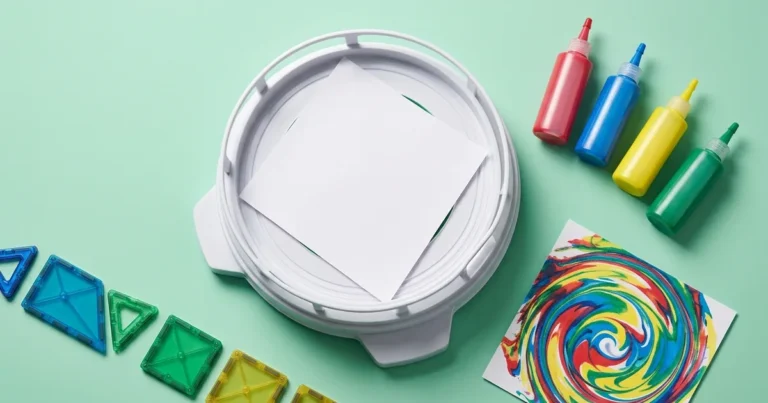
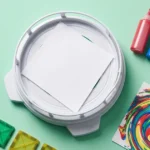
Construction play does not have to stop at building. Once a structure is complete, encourage your child to decorate the scene around it using other creative outlets. A set of washable finger paints for kids can be used to paint a backdrop poster or scenery for a magnetic block city, turning a single afternoon into a two-part creative project that blends construction with fine art, and gives your child a sense of ownership over a complete imaginative world they built themselves.
Rainy Day and Travel Play Ideas
Magnetic blocks travel well because most pieces are lightweight and store compactly. For rainy days or long car journeys within the UAE, pack a small pouch of 20-30 pieces as a quiet, screen-free activity that still keeps children genuinely engaged, since the connecting and disconnecting motion itself is calming and satisfying for many children.
How to Introduce Magnetic Blocks at Home
The way you first introduce a new toy can shape how much your child engages with it long term. A few simple steps can make a real difference.
Start with a Guided First Session
Rather than simply handing over the box, sit down together for the first ten to fifteen minutes and build something small and achievable side by side. This models the connecting motion, shows your child how satisfying a strong magnetic click feels, and gives them a confident starting point before they explore independently.
Keep the First Set Simple
Resist the urge to tip out every piece from a large set on day one. Start with a smaller selection of shapes and colors, then introduce additional pieces over subsequent days or weeks. This prevents overwhelm, especially for younger toddlers, and keeps a sense of novelty and excitement alive for longer.
Create a Dedicated Building Space
A flat, stable surface like a low table or a firm play mat works far better than a soft bed or carpet, since magnetic blocks need a solid base to stay upright. A consistent, dedicated spot also helps children develop a sense of ownership and routine around building time.
Caring for and Storing Magnetic Blocks
Good storage habits protect both the toy and your child, and they also make daily tidy-up far less of a battle.
Cleaning Magnetic Blocks Safely
Wipe blocks down occasionally with a lightly damp cloth and mild soap, then dry thoroughly before storing. Avoid submerging blocks in water, since this can affect the plastic seal around the embedded magnets over time, even in well-made sets.
Storage Solutions That Encourage Tidying
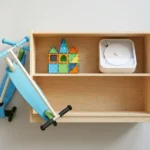
A shallow, open bin or tray works better than a deep toy box for magnetic blocks, since children can see all the pieces at a glance rather than digging through a jumble. Sorting pieces by shape or color into small compartments can also turn clean-up time into another quick sorting activity rather than a chore.
Routine Safety Checks
As mentioned earlier, build a habit of a quick visual check every few weeks, looking specifically for cracked casings or pieces where the magnetic pull feels noticeably weaker than the rest of the set, which can sometimes indicate internal damage.
Building a Magnetic Play World at Home with Graflo Toys
UAE families looking for a dependable, safety-first introduction to magnetic construction play often start with a magnetic train set, since it combines the satisfying click-together mechanics of magnetic blocks with the storytelling appeal of a moving train. Graflo’s 65-piece magnetic train set is a great starting point for younger builders exploring magnetic connections for the first time, while the 178-piece magnetic train set suits children ready for larger, more ambitious layouts with bridges, tunnels, and multiple connecting tracks. Pairing either set with open-ended magnetic blocks, and finishing a building session with a round of washable finger paints to decorate a scene, gives children a well-rounded, multi-sensory creative afternoon that touches on construction, fine motor skills, and artistic expression all at once.
Conclusion
Magnetic building blocks for kids earn their popularity honestly, offering a rare combination of genuine developmental value, open-ended creativity, and hands-on engagement that holds a child’s attention far longer than many flashier toys. The key for parents is simple: prioritize sets with magnets sealed securely inside solid, rounded casing, choose an age-appropriate piece size, and inspect the toy periodically for wear. Do that, and you have a toy that can grow with your child for years, from wobbly first towers at age three to ambitious bridges and cities by age eight.
Frequently Asked Questions
At what age can my child start playing with magnetic building blocks?
Most quality magnetic block sets are recommended from age three and above, since younger toddlers are more likely to put small objects in their mouths. Always check the manufacturer’s recommended age on the packaging, and for children under three, choose sets specifically designed with larger, chunkier pieces and fully sealed magnets.
Are magnetic blocks safe if my child still puts toys in their mouth?
Well-made sets have magnets permanently sealed inside solid plastic casing that cannot be opened by hand or by normal play, and pieces are sized well above typical choking hazard dimensions. Even so, supervise younger children during early play sessions, and regularly check blocks for cracks, since a damaged casing could expose the magnet inside.
What should I do if my child swallows a magnet from a toy?
Seek medical attention promptly, even if your child seems fine, since swallowed magnets can be more dangerous if more than one is involved. Tell the medical team clearly that the swallowed object was a magnet, and bring the toy packaging if possible so they understand the type and strength involved.
How many pieces should a first magnetic block set have?
For a first set, 20 to 40 pieces is usually enough to build simple towers, houses, and shapes without overwhelming a young child. You can always add expansion packs later as your child’s interest and building ambition grow.
Can magnetic blocks be combined with a magnetic train set?
Yes, many families combine open-ended magnetic blocks with a magnetic train set to build stations, bridges, and tunnels for the train to pass through, blending free-form construction play with imaginative, story-driven play for a richer overall experience.