Screen time has become part of everyday life for children growing up in the UAE. From tablets and smartphones to YouTube, gaming, online learning, and social media, screens are now everywhere.
But one question keeps worrying parents across Dubai, Abu Dhabi, and the rest of the UAE:
“How much screen time is actually healthy for my child?”
If you have ever searched:
- recommended screen time by age
- healthy screen time for kids
- how many hours should kids use screens
- screen time rules for children
- screen addiction in kids
you are definitely not alone.
Many families today are trying to create a healthier balance between technology and real-world play.
At Graflo Toys, we believe children need more creativity, movement, imagination, and hands-on learning, not just more time staring at screens.
This guide will help you understand:
- recommended screen time by age
- signs of too much screen exposure
- practical screen time rules
- healthier alternatives for kids in the UAE
Why Screen Time Matters More Than Ever
Technology itself is not the enemy.
Children use screens for:
- learning
- communication
- homework
- entertainment
- creativity
The problem starts when screen time replaces:
- sleep
- outdoor play
- family interaction
- imagination
- reading
- physical activity
Too much screen time can affect:
- attention span
- emotional regulation
- sleep quality
- social skills
- focus
- behavior
This is why UAE parents are increasingly searching for educational toys and screen-free activities on platforms like Amazon UAE and parenting blogs.
Recommended Screen Time by Age
Screen Time for Babies (0–18 Months)
Recommended:
- Avoid screen time as much as possible
- Video calls with family are okay
At this age, babies learn best through:
- eye contact
- sounds
- movement
- touch
- human interaction
Screens cannot replace real-world sensory experiences.
Screen Time for Toddlers (18 Months–2 Years)
Recommended:
- Very limited screen time
- Only high-quality educational content
- Always supervised
Toddlers still need:
- hands-on play
- storytelling
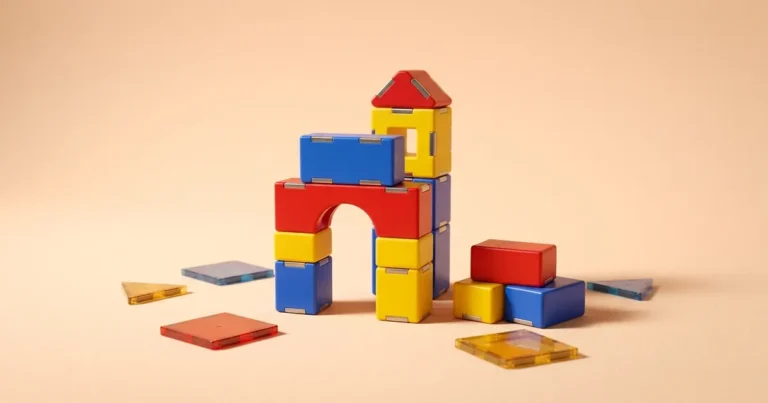
- building activities
- movement
- emotional interaction
Passive screen watching should never become the main activity.
Better Alternatives:
- stacking toys
- sensory toys
- puzzles
- creative play sets
👉 Explore toddler educational toys at Graflo Toys
Screen Time for Preschoolers (2–5 Years)
Recommended:
- Around 1 hour daily
- High-quality content only
This age is critical for:
- speech development
- imagination
- social learning
- emotional growth
Excessive screen time at this stage may lead to:
- tantrums
- sleep difficulties
- reduced attention span
- dependency on constant stimulation
Parents in Abu Dhabi and Dubai are increasingly looking for ways to keep preschoolers entertained without relying on tablets all day.
Screen Time for Kids (6–12 Years)
Recommended:
- Balanced and controlled use
- Focus on healthy habits rather than strict numbers
At this age, children often use screens for:
- schoolwork
- games
- YouTube
- social interaction
The key is balance.
Children should still have plenty of time for:
- outdoor activity
- hobbies
- reading
- creative play
- family interaction
Screen Time for Teenagers
Recommended:
- Teach self-regulation and healthy digital habits
Teenagers need guidance with:
- social media
- gaming
- online safety
- sleep routines
- emotional wellbeing
Instead of banning screens completely:
- set boundaries
- create screen-free times
- encourage offline hobbies
Signs Your Child Has Too Much Screen Time
Many UAE parents struggle to know whether screen time has become unhealthy.
Common warning signs include:
Emotional Meltdowns
Your child becomes extremely angry when screens are removed.
Sleep Problems
Difficulty falling asleep or waking up tired.
Loss of Interest in Other Activities
Toys, sports, and outdoor play no longer seem exciting.
Constant Requests for Devices
Children repeatedly ask for phones or tablets throughout the day.
Reduced Attention Span
Difficulty focusing on homework or conversations.
Why Children Become Addicted to Screens
Apps and games are intentionally designed to keep children engaged.
They use:
- bright colors
- instant rewards
- endless scrolling
- fast-paced stimulation
Compared to screens, real life can start to feel “slow” for children.
This is why replacing screen time with exciting offline activities is essential.
How UAE Parents Can Reduce Screen Time Naturally
1. Create Daily Routines
Children feel safer with structure.
Example:
- school
- outdoor play
- homework
- creative activity
- limited screen time
- bedtime reading
Routines reduce constant negotiations.
2. Make Play More Interesting Than Screens
Children naturally spend less screen time when they have engaging alternatives.
Great options include:
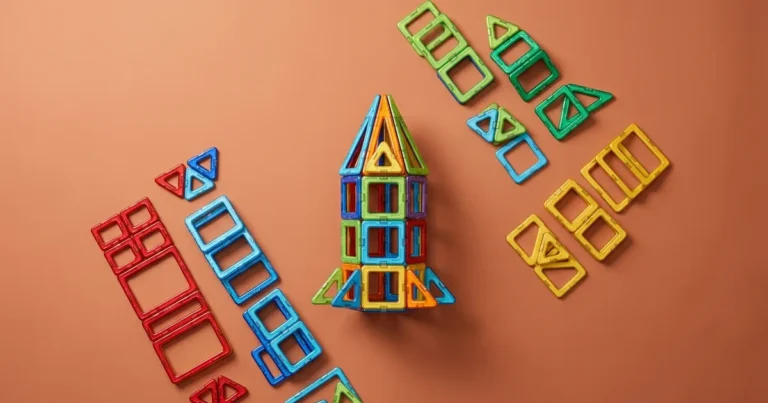
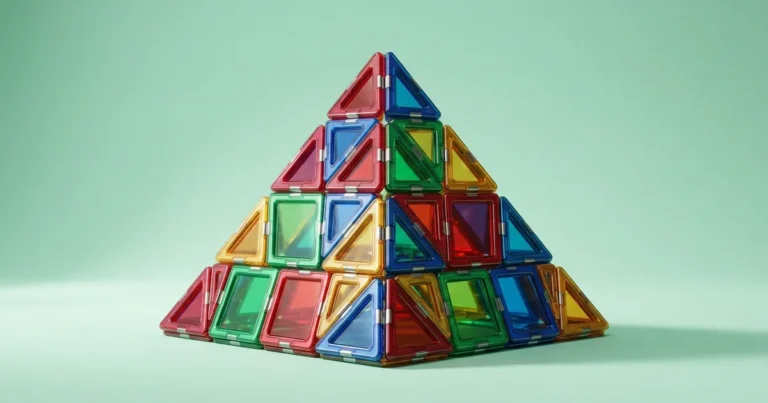
- STEM toys
- building kits
- arts and crafts
- pretend play
- sensory activities
Educational toys help children stay focused longer without needing digital entertainment.
👉 Discover screen-free STEM toys for kids
3. Keep Bedrooms Screen-Free
Children sleep better without screens nearby.
Avoid:
- tablets before bed
- phones in bedrooms
- late-night YouTube watching
This simple rule improves sleep dramatically.
4. Encourage Independent Play
Independent play teaches:
- creativity
- patience
- problem-solving
- emotional resilience
Children who can entertain themselves are less dependent on screens.
5. Reduce Your Own Phone Use
Kids copy adult behavior.
If parents constantly scroll, children learn that screens are the center of life.
Small changes matter:
- family meals without phones
- screen-free conversations
- reading together
- outdoor family activities
Why Educational Toys Are Better Than Passive Screen Time
Hands-on play helps children develop:
- critical thinking
- creativity
- focus
- social interaction
- fine motor skills
Unlike screens, toys require active participation.
This is why many UAE families are choosing educational play over endless digital entertainment.
At Graflo Toys, we focus on toys that support healthy childhood development while helping reduce unhealthy screen dependency.
👉 Shop best-selling educational toys at Graflo Toys
Top rated products
-
Wooden Painting Kit for Kids – Glow in the Dark Arts & Crafts Set (Ages 6-12) | GRAFLO
Original price was: AED 85.00.AED 67.00Current price is: AED 67.00. (-21%) -
LED Kick Scooter for Kids – Foldable Adjustable Design (Ages 5-10) | GRAFLO
Original price was: AED 245.00.AED 220.00Current price is: AED 220.00. (-10%) -
Magnetic Building Cubes for Kids – 100pcs STEM Montessori Toy (Ages 3-10) | GRAFLO
Original price was: AED 140.00.AED 126.00Current price is: AED 126.00. (-10%) -
Marbling Paint Kit for Kids – STEM Water Art Set (Ages 6-12) | GRAFLO
Original price was: AED 85.00.AED 69.00Current price is: AED 69.00. (-19%) -
Bracelet Making Kit for Girls – 66-Piece Jewelry Set (Ages 6-12) | GRAFLO
Original price was: AED 85.00.AED 52.00Current price is: AED 52.00. (-39%)


Screen Time During UAE Summers
Hot weather often means more indoor time for children.
This naturally increases screen usage.
To avoid all-day device use:
- create indoor activity stations
- rotate toys weekly
- schedule family games
- encourage arts and crafts
- use educational building sets
Planning ahead makes a huge difference during long indoor afternoons.
The Goal Is Balance, Not Perfection
Children do not need zero screen time.
Technology can still be useful for:
- learning
- communication
- entertainment
- creativity
The real goal is balance.
Healthy childhoods still require:
- movement
- imagination
- social interaction
- hands-on experiences
- family connection
Small daily habits can create major long-term changes.
Final Thoughts
If you are worried about your child’s screen time, you are not alone.
Parents across Dubai, Abu Dhabi, and the UAE are all trying to find healthier ways to balance technology and childhood.
The best solution is not simply removing screens.
It is creating a life that feels richer, more exciting, and more engaging outside the screen.
At Graflo Toys, we help families discover educational toys that encourage creativity, learning, and real-world play, helping children naturally spend less time on devices.
Because the best childhood memories are made through experiences, not endless scrolling.
FAQ Section
What is the recommended screen time by age?
Toddlers should have very limited screen time, preschoolers around 1 hour daily, and older children should focus on balanced habits rather than unlimited access.
Is too much screen time bad for children?
Excessive screen time may affect sleep, attention span, emotional regulation, and physical activity.
How can I reduce screen time without arguments?
Use routines, timers, and exciting offline alternatives like educational toys and creative activities.
What are the best alternatives to screen time?
STEM toys, puzzles, arts and crafts, outdoor play, pretend play, and building activities are excellent alternatives.
Are educational toys better than tablets?
Educational toys encourage hands-on learning, creativity, and social interaction, while excessive tablet use can lead to passive consumption.
Does screen time affect sleep?
Yes. Screens before bedtime can interfere with sleep quality and make it harder for children to relax.