Six is a wonderful, wobbly bridge year. Your child is likely reading their first sentences, counting past twenty, negotiating friendships on the playground, and asking ‘why’ about almost everything. Choosing the best toys for 6 year olds means picking playthings that respect this in-between stage, no longer babyish, not yet too grown-up, and always built with safety as the non-negotiable starting point. This guide walks you through exactly what to look for, which categories genuinely support your child’s growth, and how to shop smart in AED without overspending on toys that gather dust after a week.
Why the Right Toy Matters So Much at Age 6
Six year olds are in a huge developmental sprint. Fine motor skills are sharpening enough for scissors, shoelaces, and small building pieces. Logical thinking is emerging, so they can follow multi-step rules in a game. Independence is growing too, many six year olds want to build, create, or solve something on their own, without a parent hovering over every step.
A well-chosen toy at this age does three things at once: it keeps your child safely occupied, it builds a real skill (fine motor control, early science reasoning, patience, teamwork), and it grows with them rather than being outgrown in a month. That is the standard we use for every recommendation below.
What Changes Developmentally Between Age 5 and Age 7
- Hands: Grip strength and coordination allow for smaller pieces, tighter connections, and tools like tweezers or simple screwdrivers in STEM kits.
- Mind: Cause-and-effect thinking becomes cause-and-effect-and-effect, meaning multi-step experiments and strategy games finally make sense.
- Social play: Turn-taking games, team building challenges, and cooperative pretend play become far more enjoyable than solo play alone.
- Attention span: A six year old can often stay with one project for 20-40 minutes, opening the door to building sets, craft kits, and simple board games with rules.
Safety First: What Every UAE Parent Should Check Before Buying
Even though six year olds have outgrown many of the choking-hazard concerns of toddlerhood, safety checks are still essential. Before any toy enters your home, run through this list.
1. Check for Small Magnets and Batteries
Powerful small magnets and button batteries are the two biggest hidden dangers in modern toys, especially in building sets and light-up gadgets. Look for products that clearly state magnet strength is child-safe and battery compartments are screw-locked, not just snap-shut.
2. Look for Age Labelling and Certification
A toy marked for ages 6 and above has usually been tested for the strength, size, and complexity appropriate to this stage. Avoid toys labelled for much younger children, as they may feel unchallenging or even a little embarrassing to a six year old who wants to feel ‘big’.
3. Check Materials for Craft and STEM Kits
Kits involving mixing, melting, or moulding (like soap making kits) should list skin-safe, non-toxic ingredients and come with clear adult supervision instructions. A good kit turns kitchen-table chemistry into a memorable lesson, not a mess to worry about.
4. Test for Durability Before You Trust It to Daily Play
Six year olds are rougher on toys than we expect. Building blocks, tiles, and outdoor gear should survive being dropped, stepped on, and reassembled a hundred times without cracking or losing magnetic strength.
Top Categories of Toys for 6 Year Olds
Rather than chasing trends, focus on categories that reliably deliver developmental value. Here are the six categories worth your AED.
1. STEM and Science Kits
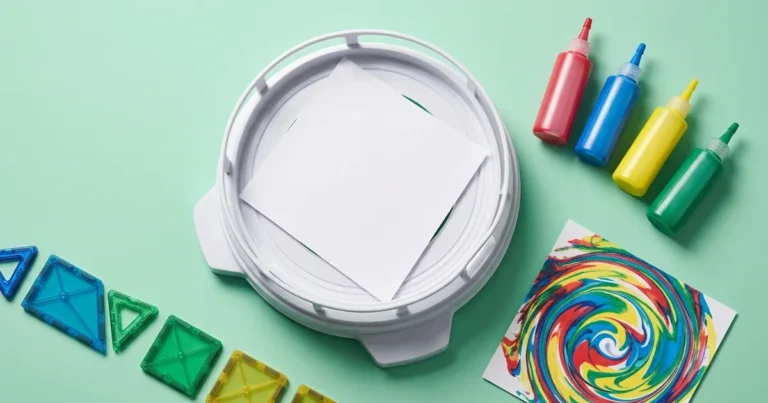
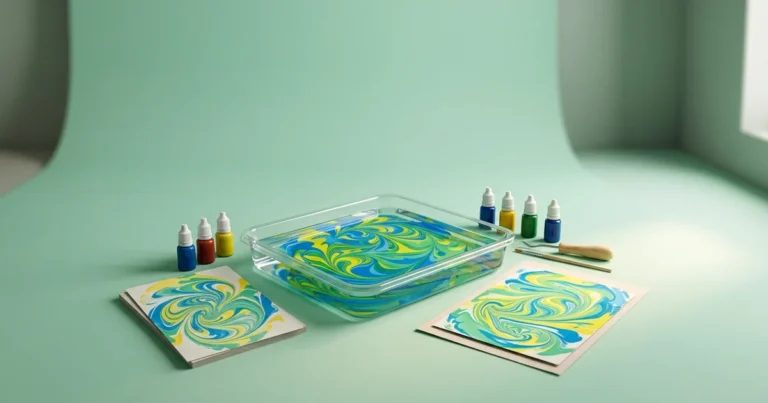
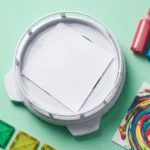
Six is the perfect age to introduce simple science through play. A hands-on kit like a DIY soap making STEM kit lets your child measure, mix, and watch a chemical transformation happen right in front of them, all while practising following instructions step by step. These kits are brilliant for rainy weekends, after-school activities, or as a screen-free reward.
Look for STEM kits that:
- Include clear, illustrated instructions your child can follow with minimal reading
- Use non-toxic, skin-safe ingredients
- Result in something the child can keep, use, or gift, this builds pride and motivation
2. Building and Construction Sets
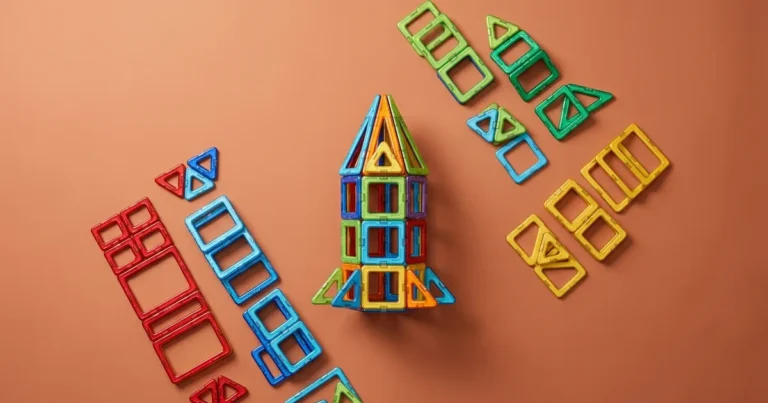
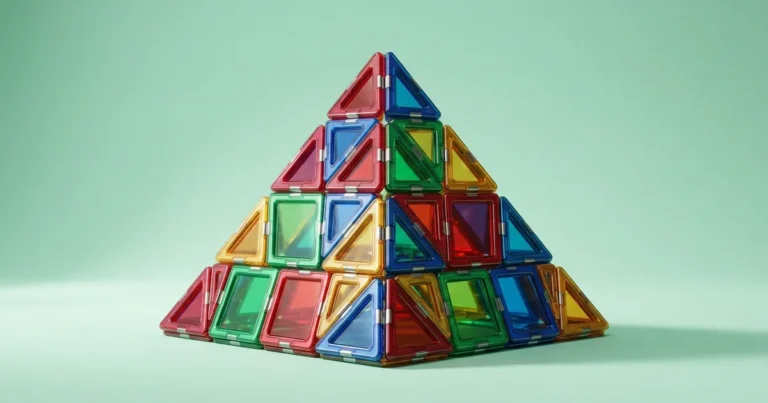
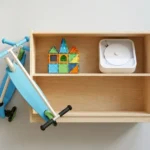
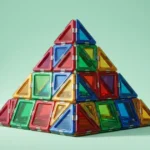
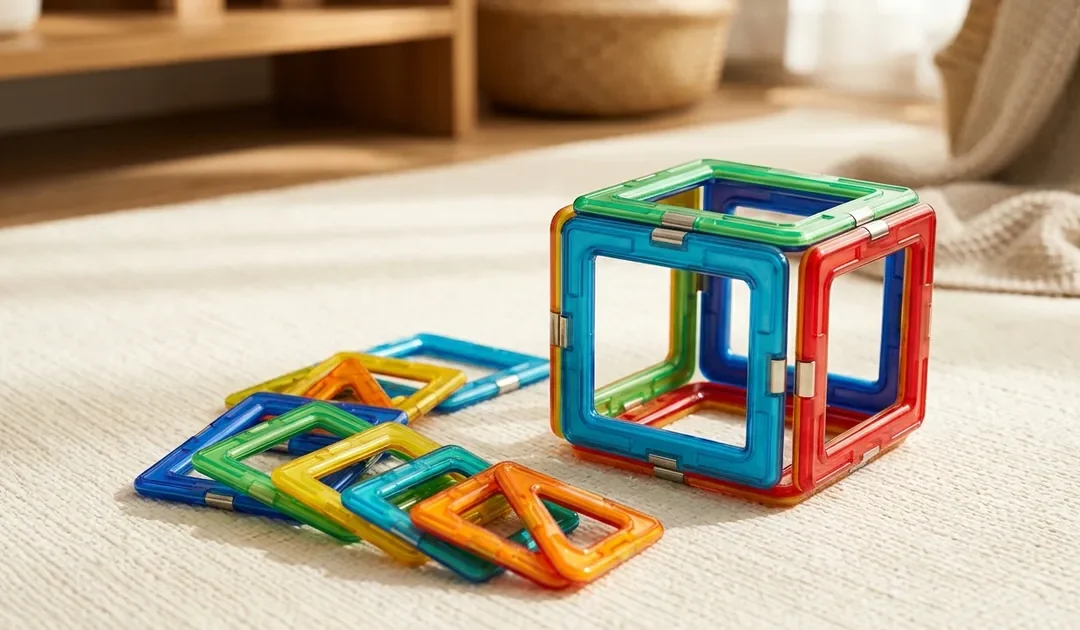
Building toys remain one of the single best investments for this age group. They build spatial reasoning, patience, and problem-solving all at once. Magnetic building tiles are especially good for six year olds because the pieces click together instantly, letting kids focus on creativity rather than fighting with stiff connectors.
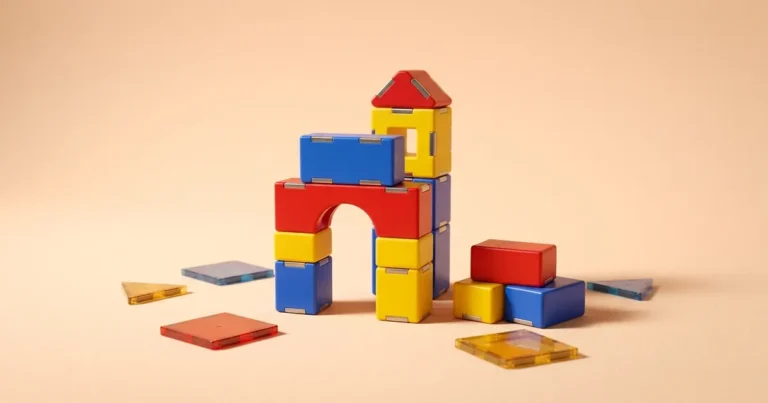
If your child prefers a slightly more architectural challenge, a larger 150-piece magnetic building block set offers enough variety to build houses, towers, cars, and imaginative worlds that can be rebuilt again and again. Because magnetic sets are open-ended, they do not get ‘solved’ and abandoned the way a single puzzle does, children keep returning to them for months.
Why Magnetic Building Sets Age Well
A five year old might only manage a simple wall or tower. By six, most children start building enclosed structures, symmetrical designs, and even simple machines with moving parts. By seven or eight, the same set gets used for far more advanced structures. This means one good building set can genuinely serve your child across the 3-5 years stage and well into the 6-8 years stage, making it excellent value in AED terms.
3. Creative and Craft Toys
Six year olds love making things they can show off. Craft kits that involve cutting, gluing, painting, or moulding help fine motor development while giving children a finished product to be proud of. Rotate craft supplies seasonally, paper crafts in winter, outdoor nature crafts in cooler months, and simple sewing or bead kits for quiet indoor afternoons.
4. Board Games and Puzzles
At six, children can finally grasp turn-taking, simple strategy, and basic rule-following well enough to enjoy real board games rather than just moving pieces around. Choose games with:
- Short round times (10-20 minutes) to match attention span
- Clear win conditions the child can understand without adult reminders
- Cooperative options, where the whole family plays as a team, which builds confidence for children who dislike losing
Jigsaw puzzles in the 60-100 piece range are also excellent, offering a calm, focused activity that builds patience and pattern recognition.
5. Outdoor and Active Play
Do not underestimate the value of physical play at this age. Balance bikes, skipping ropes, simple sports sets, and obstacle-course style outdoor toys help six year olds burn energy, build gross motor skills, and sleep better at night. In the UAE’s cooler months, outdoor building challenges, chalk games, and ball sports are especially worthwhile.
6. Pretend Play and Role-Play Sets
Doctor kits, kitchen sets, tool benches, and dress-up costumes still hold strong appeal at six, especially when they include more detailed, realistic accessories than toddler versions. Pretend play at this age often becomes more elaborate and story-driven, with children creating entire scenarios and inviting siblings or friends to join in.
How to Choose Based on Your Child’s Personality
Every six year old is different. Matching the toy to their natural interests makes the difference between a toy that is loved and one that is ignored.
The Curious Scientist
If your child asks endless ‘why’ and ‘how’ questions, lean toward STEM kits and experiment sets. A hands-on soap making kit is a gentle, safe entry point into real chemistry concepts like mixing, melting, and setting.
The Builder and Engineer
Children who love stacking, sorting, and constructing thrive with magnetic tiles or larger magnetic block sets. These open-ended sets let engineering-minded kids design freely rather than following a fixed instruction booklet.
The Artist and Storyteller
For children who love drawing, dressing up, or inventing characters, craft kits and role-play sets will get far more use than a building set. Rotate supplies regularly to keep creativity fresh.
The Social Player
If your child prefers playing with siblings, cousins, or friends, board games and cooperative building challenges (like a team race to build the tallest magnetic tower) will bring the most joy and the most laughter.
Budgeting Smart in AED
You do not need to spend a fortune to get genuine developmental value. A few practical tips:
- Invest more in open-ended toys like magnetic building sets, since they get used for years rather than weeks.
- Spend moderately on consumable kits like soap making or craft sets, since ingredients get used up, but the skill-building experience is worth repeating with refills.
- Avoid overspending on trend toys tied to a single movie or character, as interest often fades within months.
- Buy one size up in complexity rather than one size down, six year olds get bored quickly with anything that feels too easy.
Building a Toy Collection That Grows With Your Child
Rather than buying isolated toys, think in terms of a small, well-rounded collection: one open-ended building set, one STEM or craft kit, one board game, and one outdoor toy. This mix covers fine motor skills, logical thinking, patience, and physical activity without overwhelming your shelves or your budget.
As your child approaches age seven or eight, browsing the 6-8 years category will help you find the natural next step up in complexity, while keeping an eye on the 3-5 years category is useful if you have a younger sibling who might inherit hand-me-down toys or need a gentler starting point.
A Simple Shopping Checklist Before You Buy
- Is the toy labelled for age 6 or above, and does it match my child’s actual skill level?
- Are there small magnets or batteries, and if so, are they securely enclosed?
- Is this an open-ended toy that will still be fun in six months, or a single-use novelty?
- Does it build a skill I actually want my child to develop right now, fine motor, logic, patience, or teamwork?
- Is the price in AED reasonable for the amount of play value it offers?
Conclusion
The best toys for 6 year olds are not necessarily the flashiest ones on the shelf, they are the ones that match your child’s growing hands and growing mind, keep them safely engaged, and earn their place in the toy box for months or years rather than days. Whether you choose a hands-on STEM kit, an open-ended magnetic building set, or a cooperative board game for family nights, prioritise safety, durability, and genuine developmental value first. Your six year old is capable of far more than you might expect, give them a toy that respects that, and watch their confidence grow alongside their creativity.
Frequently Asked Questions
What are the safest toys for 6 year olds?
The safest toys for 6 year olds are age-labelled for 6 and above, free from small unsecured magnets or exposed batteries, and made from non-toxic materials. Building sets with securely embedded magnets and STEM kits with clearly listed skin-safe ingredients are generally excellent, safe choices when used with basic adult supervision.
Are magnetic building sets safe for 6 year olds?
Yes, magnetic building sets designed for ages 6 and above are safe when the magnets are securely embedded in solid, durable pieces rather than loose or removable. Always check that the set is labelled for this age group and inspect pieces periodically for cracks or wear.
How long should a good toy for a 6 year old last?
A well-chosen toy for a six year old should ideally offer at least six to twelve months of genuine engagement, and open-ended toys like magnetic building blocks can last for years as your child’s building skills grow more advanced.
Should I buy STEM kits or building toys first for a 6 year old?
Both are valuable, but if you can only choose one to start, an open-ended magnetic building set tends to offer the most consistent long-term play value, while a STEM kit like a soap making set is perfect for special occasions or focused weekend activities.
How much should I budget in AED for toys for a 6 year old?
Budget depends on the category, but a good rule of thumb is to invest a bit more in durable, open-ended building sets since they last for years, while spending moderately on consumable STEM or craft kits that can be refilled or repeated over time.