When you pick up a set of building blocks for your child, you are not just buying a toy, you are choosing a tool that will shape how your little one thinks, solves problems, and stays safe during hours of play. In the UAE, where parents are increasingly mindful of both screen-time limits and developmental milestones, understanding building blocks design for kids has become essential. The right design, meaning the right size, shape, material, and connection system, can mean the difference between a toy that gathers dust in a corner and one that becomes a daily source of learning and joy.
This guide walks you through everything a parent needs to know: how to spot safe, well-engineered blocks, which designs suit which ages, and how to choose sets that grow with your child’s imagination rather than limiting it. We will also look at how building blocks fit into a broader STEM learning journey at home.
Why the Design of Building Blocks Matters So Much
Not all blocks are created equal. A poorly designed block, one with sharp edges, tiny detachable parts, or unstable connections, can turn playtime into a safety risk. On the other hand, a thoughtfully designed block set encourages a child to experiment, fail safely, try again, and eventually succeed, which is the very foundation of resilience and problem-solving.
Good design also determines how long a toy stays relevant. A block system that only builds one specific model becomes boring within days. A well-designed, open-ended system, like magnetic tiles or classic interlocking bricks, can be rebuilt into hundreds of different creations, keeping your child engaged for months or even years.
The Three Pillars of Good Block Design
- Safety first: Rounded edges, non-toxic materials, and age-appropriate piece sizes that avoid choking hazards.
- Developmental value: Shapes and connectors that challenge fine motor skills, spatial reasoning, and creative thinking.
- Durability and versatility: Materials strong enough to survive years of enthusiastic play, and flexible enough to inspire endless new builds.
Safety-First Design: What Every UAE Parent Should Check
Before anything else, safety should be the first filter you apply when evaluating any building block set. Here in the UAE, with hot climates and busy family homes, blocks often end up in cars, gardens, and pool areas, so durability under different conditions matters too.
Material Safety
Look for blocks made from BPA-free plastic, food-grade silicone, or sustainably sourced wood. Reputable brands will clearly state that their materials are non-toxic and free from lead, phthalates, and other harmful chemicals. This is especially important for toddlers who still explore the world by putting things in their mouths.
Size and Choking Hazards
For children under 3, any block or accessory smaller than a standard AA battery is a choking risk. Good design for this age group uses oversized, chunky pieces that are easy for small hands to grip but too large to swallow. As children grow past age 3, smaller and more intricate pieces become appropriate, but should still be tested against a small parts cylinder standard.
Edge and Corner Design
Sharp corners on rigid plastic or wooden blocks can cause injury during vigorous play or if a tower collapses. Well-designed blocks feature slightly rounded edges and corners, a small detail that significantly reduces the risk of cuts or bruises when towers inevitably topple.
Connection Mechanism Safety
Whether it’s a classic peg-and-hole system, a magnetic connector, or a tile-and-clip design, the connection method should be strong enough to prevent accidental pinching but not so strong that a child struggles to pull pieces apart, which can lead to frustration or the toy being thrown.
Certification and Standards
Always check for recognized safety certifications such as EN71 (European toy safety standard) or ASTM F963 (US standard), both of which are widely recognized and trusted by UAE retailers. These certifications test for mechanical safety, flammability, and chemical composition.
Core Elements of Building Blocks Design for Kids
Once safety is confirmed, the actual design elements determine how much learning and enjoyment a set will deliver. Let’s break down the key design components parents should evaluate.
1. Shape Variety
A good building block set includes a mix of basic shapes, cubes, rectangles, triangles, arches, and cylinders, so children can explore geometry naturally while building. Sets that offer only one shape limit creative possibilities, while too many complex shapes can overwhelm younger children. The best designs strike a balance, introducing shape variety gradually as a child’s skill grows.
2. Size and Scale
Block size should match hand size and developmental stage. Larger blocks work best for toddlers building simple towers, while smaller, more detailed pieces suit older children constructing intricate models. Consistent scale across a set also teaches children about proportion and balance.
3. Connection System
There are several popular connection systems in today’s market:
- Interlocking studs (like classic brick sets): teach precision and patience.
- Magnetic connectors (like magnetic tiles and magnetic blocks): allow for quick assembly and disassembly, encouraging experimentation without frustration.
- Peg and slot systems (common in wooden blocks): great for very young children who need simple, forgiving connections.
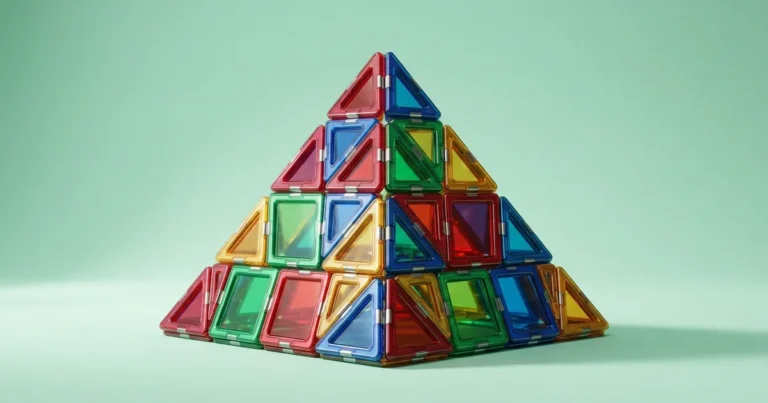
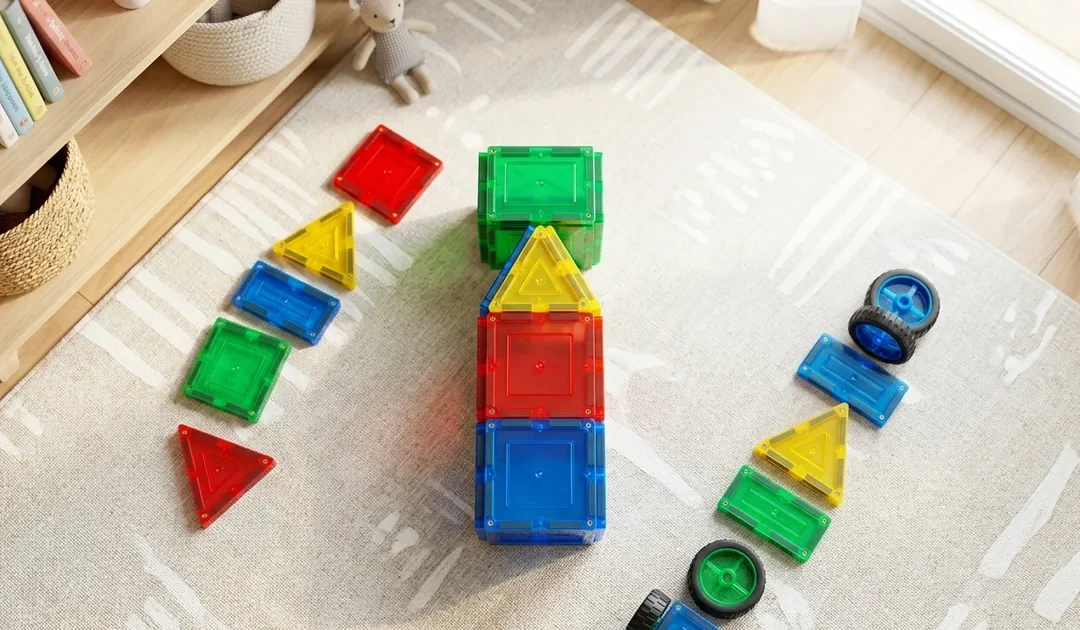
For families looking for an easy-to-use, highly engaging option, magnetic building tiles are especially popular because their flat, transparent panels let children see how shapes fit together, building both spatial awareness and an early sense of geometry.
4. Color and Visual Design
Bright, distinct colors help young children categorize and sort pieces, an early math and cognitive skill. However, too many colors in a single set can sometimes be visually overwhelming for children with sensory sensitivities. Many high-quality sets now offer a curated palette of 6 to 10 colors, enough for variety without chaos.
5. Texture and Weight
The tactile experience of a block matters more than parents often realize. Smooth, slightly weighted blocks feel satisfying in small hands and are less likely to be thrown carelessly. Textured surfaces, like grooves or bumps, can also support sensory development for children who benefit from extra tactile feedback.
Age-Specific Design Considerations
The best building blocks design for kids changes significantly depending on the child’s age. Here’s a breakdown by developmental stage.
Ages 1 to 2: Big, Simple, and Forgiving
At this age, children are developing basic motor control and beginning to understand cause and effect. Look for:
- Oversized blocks that are impossible to swallow
- Soft or rounded plastic with no sharp edges
- Simple stacking mechanisms with no small connector pieces
- Bright primary colors for visual stimulation
Design goal: build confidence through simple, successful stacking and knocking-down play.
Ages 3 to 5: Encouraging Early Creativity
By preschool age, children are ready for more complex shapes and connection systems. This is the stage where open-ended building really begins to flourish. Sets with a mix of shapes, gentle magnetic connectors, and simple instruction cards work beautifully here. Parents often find that toys designed for ages 3 to 5 strike the right balance between structure and freedom, giving children just enough guidance to feel successful while still leaving room for imagination.
At this stage, design should also support parallel play, since preschoolers often build alongside siblings or friends rather than in isolation. Sets with plenty of pieces prevent squabbles over limited supply.
Ages 6 to 8: Building Complexity and Logic
Children in this age range are ready for more advanced spatial reasoning challenges. Good design here includes smaller, more detailed pieces, multi-step building instructions, and sets that combine multiple shapes into architectural or mechanical builds. Many families explore building sets designed for ages 6 to 8 because they introduce early engineering concepts like balance, load distribution, and symmetry.
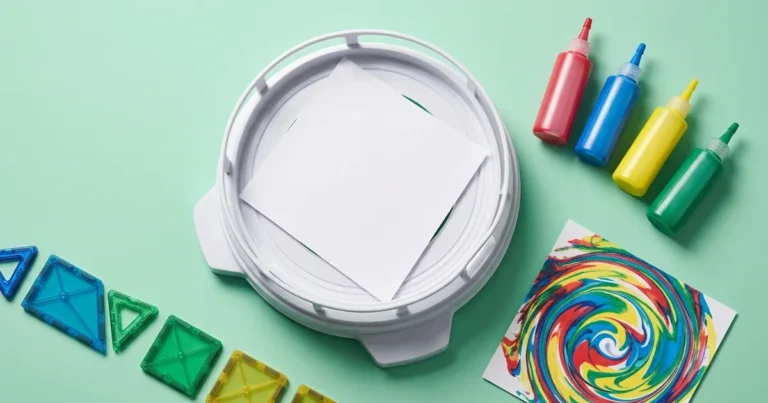
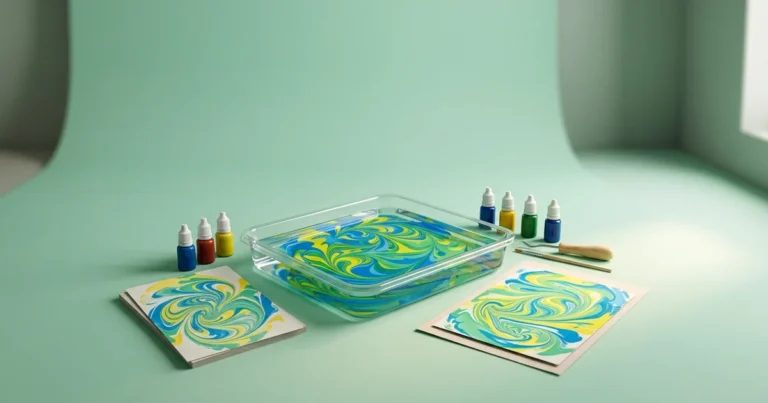
At this stage, children also benefit from sets that combine building with other STEM skills. For example, pairing a construction set with a hands-on science activity, such as a DIY soap making kit, helps children see how design thinking applies across different creative and scientific domains, not just construction toys.
Ages 9 and Up: Precision and Independent Design
Older children are ready for intricate models, smaller magnetic pieces, and sets that allow them to design their own structures from scratch rather than following a template. At this age, design should emphasize durability under repeated disassembly and reassembly, since older children build, break down, and rebuild far more often than younger ones.
Comparing Popular Building Blocks Design Types
With so many options available, it helps to understand the strengths and best uses of each major design category.
Classic Interlocking Bricks
These are the traditional stud-and-tube blocks most parents grew up with. Their design strength lies in stability, once connected, structures rarely fall apart accidentally. The downside is that younger children can find the pressure needed to connect and disconnect pieces a bit challenging for small fingers.
Magnetic Building Tiles
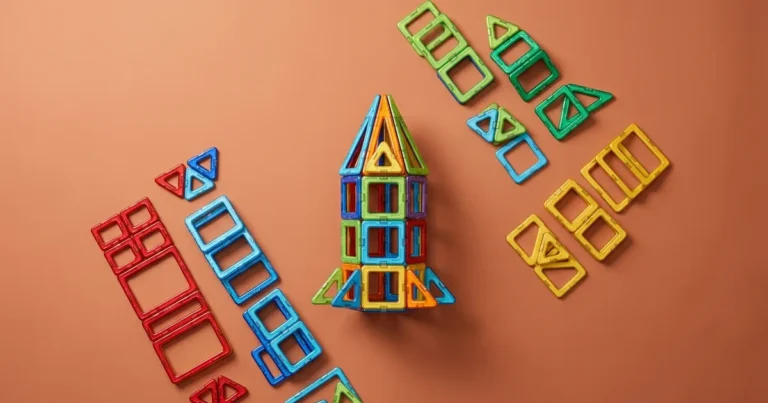
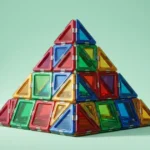
Flat, often translucent tiles that snap together magnetically to form 3D shapes like cubes, pyramids, and houses. Because they connect and release with almost no effort, magnetic tiles are excellent for younger children and for kids who get easily frustrated with fiddly connectors. They also introduce early geometry concepts as children see 2D shapes transform into 3D forms right before their eyes. The 140-piece magnetic building tiles set is a great example of this design done well, offering enough variety for elaborate builds without overwhelming a child with too many pieces at once.
Magnetic Building Blocks
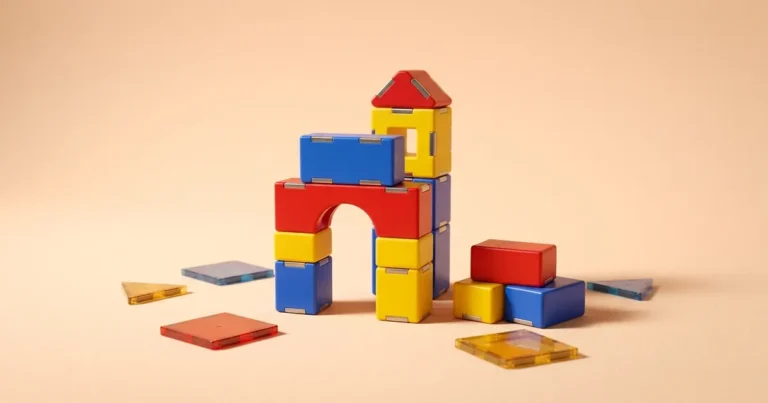
Unlike flat tiles, magnetic blocks are three-dimensional from the start, often shaped like cubes, arches, or rods with embedded magnets. This design encourages more architectural thinking since children work in three dimensions immediately rather than building up from flat panels. A set like the 150-piece magnetic building blocks gives children enough pieces to build substantial structures, towers, bridges, and vehicles, while the magnetic connections keep frustration low and creativity high.
Wooden Building Blocks
Wooden blocks remain a beloved classic, valued for their natural feel, environmental sustainability, and satisfying weight. Their simple stacking design (with no connectors at all) is ideal for the youngest builders and for open-ended imaginative play, though they generally build less complex, more improvisational structures compared to interlocking or magnetic systems.
Foam and Soft Blocks
Designed specifically for the youngest children or for active, physical play, foam blocks prioritize softness and size over structural complexity. They are excellent for building forts, obstacle courses, or simply providing a safe first introduction to stacking and balancing.
How Building Blocks Design Supports Child Development
Beyond the fun factor, thoughtfully designed building blocks deliver measurable developmental benefits across several key areas.
Fine and Gross Motor Skills
Picking up small pieces, aligning them precisely, and applying just the right amount of pressure to connect or separate blocks all strengthen the small muscles in a child’s hands and fingers. Larger builds that require reaching, balancing, and even standing to stack tall towers also support gross motor development.
Spatial Reasoning and Geometry
Every time a child rotates a block to make it fit, or figures out how many small cubes equal one large one, they are practicing spatial reasoning, a skill closely linked to later success in mathematics and engineering. Design elements like consistent scale and varied shapes actively reinforce this learning.
Problem-Solving and Persistence
A tower that keeps falling teaches a valuable lesson: adjust your approach and try again. Good design supports this by making failure low-stakes (nothing breaks, no one gets hurt) so children feel safe experimenting repeatedly until they succeed.
Creativity and Imagination
Open-ended designs, ones without a single “correct” way to build, invite children to invent their own castles, spaceships, or animals. This kind of imaginative, self-directed play is strongly associated with long-term creative thinking skills.
Social Skills and Cooperative Play
Building blocks are naturally social toys. Siblings negotiating who gets the blue pieces, or friends collaborating on a shared castle, are practicing communication, compromise, and teamwork, all while having fun.
Early STEM and Engineering Thinking
Concepts like balance, load-bearing structure, symmetry, and cause-and-effect are all embedded naturally in block play. Many parents find that children who enjoy building blocks also gravitate toward other STEM-based activities, such as simple science experiments or craft kits that involve measuring, mixing, and following steps, much like the process involved in a hands-on soap making STEM kit.
Design Features That Encourage Open-Ended Creativity
Some building sets are designed around a single model, think a specific castle or car that only builds one way. Others are designed to be endlessly reconfigured. For long-term value, open-ended design is generally the better investment.
Signs of a Truly Open-Ended Design
- Pieces are simple geometric shapes rather than highly specific, single-purpose parts
- Instructions (if included) are suggestions rather than the only possible build
- The set can be combined with other blocks from the same system to expand possibilities
- There is no single “finished” state, children can keep modifying their creation indefinitely
Balancing Structure and Freedom
Completely unstructured play can sometimes overwhelm younger children who benefit from a little guidance. That’s why many well-designed sets include simple idea cards or example builds, giving children a starting point while still leaving plenty of room to deviate and invent their own designs.
Practical Tips for Choosing the Right Building Blocks Design for Your Child
1. Match the Set to Your Child’s Current Skill Level
Choose a set slightly above your child’s current ability rather than exactly at it. This gentle challenge keeps them engaged without causing frustration.
2. Prioritize Piece Count Wisely
More pieces generally mean more creative possibilities, but very young children can feel overwhelmed by too many options at once. For toddlers, 20 to 40 large pieces is often plenty. For children aged 6 and up, sets with 100 or more pieces, like the 150-piece magnetic building blocks set, allow for genuinely complex, satisfying builds.
3. Consider Storage and Cleanup Design
Sets that come with a dedicated storage box or bag make cleanup easier and teach children responsibility for their toys. This small design detail can significantly extend the lifespan of a set by keeping pieces from getting lost.
4. Think About Combinability
Building block systems that are compatible with other sets from the same brand allow your child’s collection to grow over time, birthday by birthday, without pieces becoming obsolete. This is one of the most valuable long-term design features to look for.
5. Test for Comfortable Handling
If possible, let your child hold a sample piece before buying. Pieces that are too small, too slippery, or require too much force to connect will lead to frustration rather than joyful building.
Creating a Building-Friendly Play Space at Home
Good building blocks design deserves an equally thoughtful play environment. Here are some practical ideas for UAE families:
Dedicated Building Zone
A flat, low-pile rug or a small table at child height gives little builders a stable surface and signals that this is “their” creative space.
Good Lighting
Bright, even lighting helps children see color and shape details clearly, especially important for translucent magnetic tiles where light can even pass through completed structures for extra visual delight.
Rotation System
Rather than dumping every toy out at once, rotate between two or three sets every few weeks. This keeps building blocks feeling fresh and exciting rather than overwhelming or ignored.
Display Shelf for Finished Builds
A small shelf where children can proudly display a finished tower or castle before disassembling it adds a sense of accomplishment and encourages them to take their time perfecting a design.
Combining Building Blocks with Other STEM Activities
Building blocks are a wonderful entry point into broader STEM learning, but they work best as part of a varied creative diet. Rotating block play with other hands-on activities keeps curiosity alive across different domains.
For example, a child who loves engineering towers with magnetic blocks might also enjoy the measuring, mixing, and creative design process involved in a DIY soap making kit, which introduces basic chemistry and design principles in a completely different, equally hands-on format. Exposing children to multiple types of structured, creative play helps them discover which subjects and skills genuinely excite them.
Common Mistakes Parents Make When Choosing Building Blocks
Buying Based on Packaging Alone
Flashy packaging doesn’t always reflect thoughtful internal design. Always check piece size, material quality, and safety certifications rather than relying on box art.
Choosing Sets That Are Too Advanced Too Soon
A set designed for age 8 can genuinely frustrate a 4-year-old, leading to a toy being abandoned rather than loved. When in doubt, size down slightly rather than up.
Ignoring Storage Needs
Without a proper storage plan, small pieces get lost quickly, reducing the long-term value of even the best-designed set.
Overlooking Compatibility
Buying sets from many different, incompatible systems means your child never gets to combine pieces into bigger, more ambitious builds, limiting creative growth over time.
Conclusion
Thoughtful building blocks design for kids goes far beyond bright colors and fun shapes. It is about safety certifications, age-appropriate sizing, satisfying connection systems, and open-ended creative potential that grows alongside your child. Whether you choose classic interlocking bricks, the effortless click of magnetic building tiles, the architectural possibilities of magnetic building blocks, or gentle wooden sets for your youngest builder, the goal remains the same: safe, joyful play that builds real skills. Explore our collections for ages 3 to 5 and ages 6 to 8 to find the perfect fit for your child’s next building adventure.
Frequently Asked Questions
What age is best to start building blocks with kids?
Most children can start with large, soft, or oversized blocks from around 12 to 18 months, once they can grip and stack simple pieces. Around age 3, they are typically ready for more varied shapes and gentle connection systems like magnetic tiles.
Are magnetic building blocks safe for younger children?
Magnetic building blocks designed for kids use embedded magnets that are sealed inside sturdy plastic or wooden casings, so they are generally safe when the set is age-appropriate and undamaged. Always check the recommended age on the packaging and inspect pieces regularly for cracks.
How many pieces should a building block set have for a 6-year-old?
For children around age 6, sets with 100 to 150 pieces, such as the 150-piece magnetic building blocks set, offer enough variety to build complex, satisfying structures without becoming overwhelming.
What is the difference between magnetic tiles and magnetic blocks?
Magnetic tiles are flat, often translucent panels that snap together to form 3D shapes, great for introducing geometry. Magnetic blocks are already three-dimensional, like cubes and arches, encouraging more architectural, structural building from the start.
How do I keep building block sets safe over time?
Regularly inspect pieces for cracks, loose magnets, or sharp edges from wear, store them in a dedicated box to prevent loss, and replace any damaged pieces immediately to keep play safe and enjoyable.