Last updated: August 23, 2026
Walking into a toy aisle – or scrolling an endless online store – can leave any parent overwhelmed. The truth is simple: the best toys for kids by age are not the flashiest or the most expensive ones on the shelf. They are the toys that match a child’s current stage of development, meet strict safety standards, and hold up to months of real play. This guide breaks down exactly how to choose with confidence, age bracket by age bracket, so you spend your money on toys that actually get used and actually help your child grow.
Why the Right Toy Matters More Than the Right Brand
Parents often ask which brand is “best,” but the more useful question is which toy fits the child in front of you. A toy that is too advanced frustrates a toddler, while a toy that is too simple bores a seven-year-old within a day. The right fit does two things at once: it keeps your child safely and happily occupied, and it quietly builds a skill, whether that is grip strength, colour recognition, patience, or problem-solving. When you shop with your child’s stage of development in mind rather than trends or packaging, you naturally land on toys that earn their place in the toy box for years, not weeks.
How Do You Choose a Toy by Age?
Age recommendations printed on toy boxes exist for two reasons: safety and skill-appropriateness. Choosing well means looking at both your child’s chronological age and their individual pace of development, since no two children hit milestones on exactly the same day. Here is how to think through each stage.
Newborns to 12 Months
At this stage, babies are exploring the world with their mouths, eyes, and hands. Look for high-contrast rattles, soft textured toys, and teethers made from certified, non-toxic materials. Everything should be too large to swallow, free of small detachable parts, and washable, because it will end up in their mouth constantly. Simplicity wins here; a soft ball or a stacking ring set does more for early hand-eye coordination than a toy packed with flashing lights and sound.
Toddlers, 1 to 3 Years
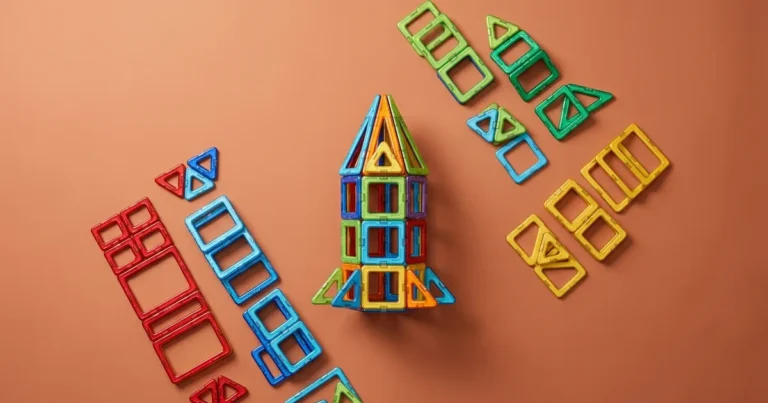
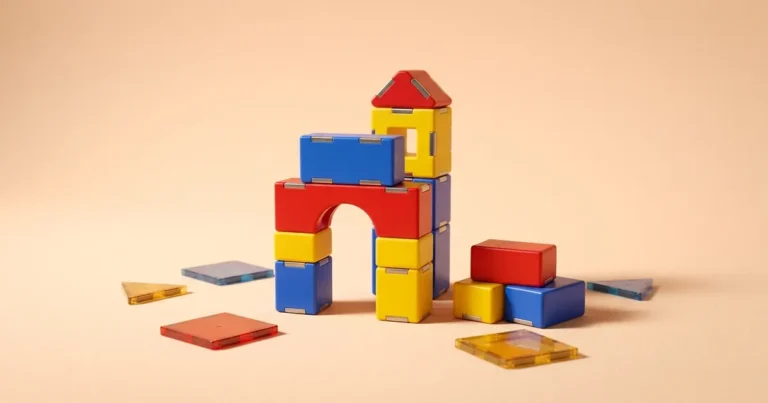
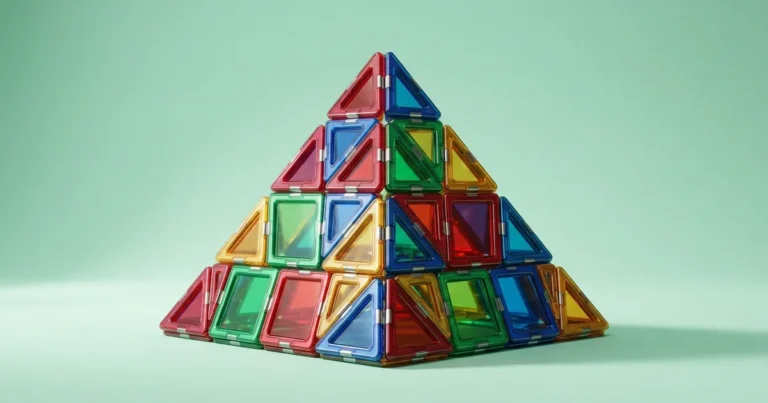
Toddlers are walking, climbing, and starting to problem-solve. Chunky puzzles, stacking blocks, push-and-pull toys, and simple shape sorters are ideal. This is also the age where early magnetic building toys, with oversized, rounded pieces, can introduce cause-and-effect play and basic spatial reasoning. Always check that pieces are large enough to avoid choking hazards, since toddlers still explore with their mouths well into their third year.
Preschoolers, 3 to 5 Years
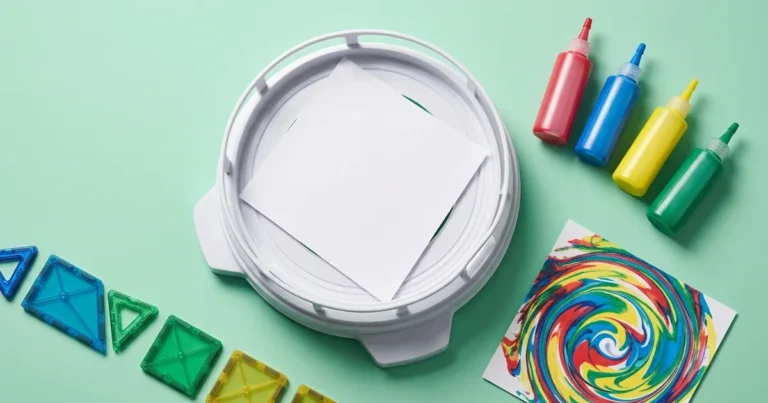
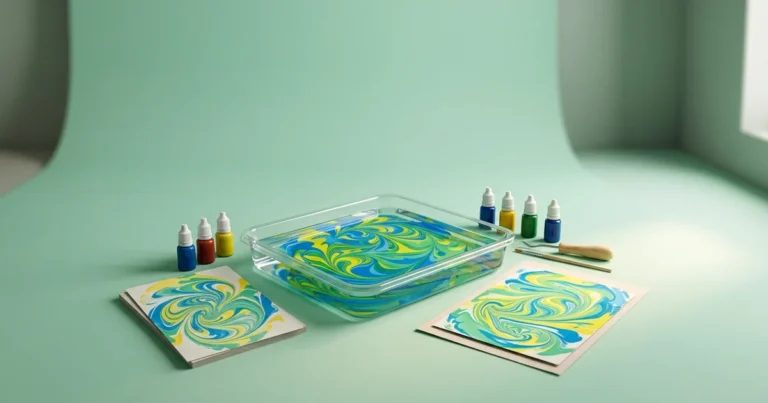
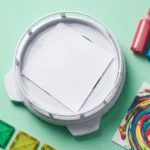
Preschoolers are ready for more structured creativity and beginner logic. This is the sweet spot for magnetic building sets, art supplies, pretend-play kits, and simple board games. A set like the Graflo Magnetic Train for Kids, 65 pieces works beautifully here, giving little hands enough pieces to build tracks and shapes without becoming overwhelming. Messy, sensory play also matters at this age, and non-toxic options like finger paint for kids in 12 colors build fine motor control while letting children express themselves freely. You can browse a full curated range in our toys for ages 3 to 5 years collection.
Big Kids, 6 to 8 Years
By six, children want challenge, mastery, and a bit of independence. They can follow multi-step instructions, sustain attention longer, and enjoy toys that reward planning ahead. A larger, more complex set such as the magnetic train set for kids, 178 pieces suits this stage well, since it offers enough pieces and track variety to keep older children engaged for longer, more ambitious builds. Strategy games, science kits, and construction sets with smaller, more intricate pieces also fit here. Explore more options in our toys for ages 6 to 8 years collection.
A Safety Checklist Before You Buy
No matter how educational or exciting a toy looks, safety comes first, always. Before adding any toy to your cart, run through this checklist.
Check for Certification and Materials
Look for toys tested to recognised safety standards and made with non-toxic, BPA-free materials. This matters most for anything a baby or toddler might chew on, including paint, plastics, and fabric dyes.
Mind the Small Parts
Any toy with pieces smaller than a table tennis ball is unsuitable for children under three. For magnetic toys specifically, always confirm the magnets are securely encased and the set is designed for the child’s age group, since loose small magnets are a genuine medical emergency risk if swallowed.
Check Batteries and Cords
Battery compartments should be screwed shut, not just clipped, and cords on pull toys should be shorter than 30 cm to avoid strangulation risk for babies and toddlers.
Consider Noise and Sensory Load
Very loud toys can overstimulate younger children and, with repeated close exposure, are worth avoiding for babies in particular. A toy that plays gently or can have its volume adjusted is usually the more comfortable choice at home.
Best Toy Categories for Every Stage of Development
Once you know your child’s age bracket and have safety covered, it helps to think in categories rather than individual products. A well-rounded toy box usually includes a mix of the following.
Building and Construction Toys
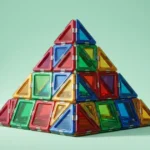
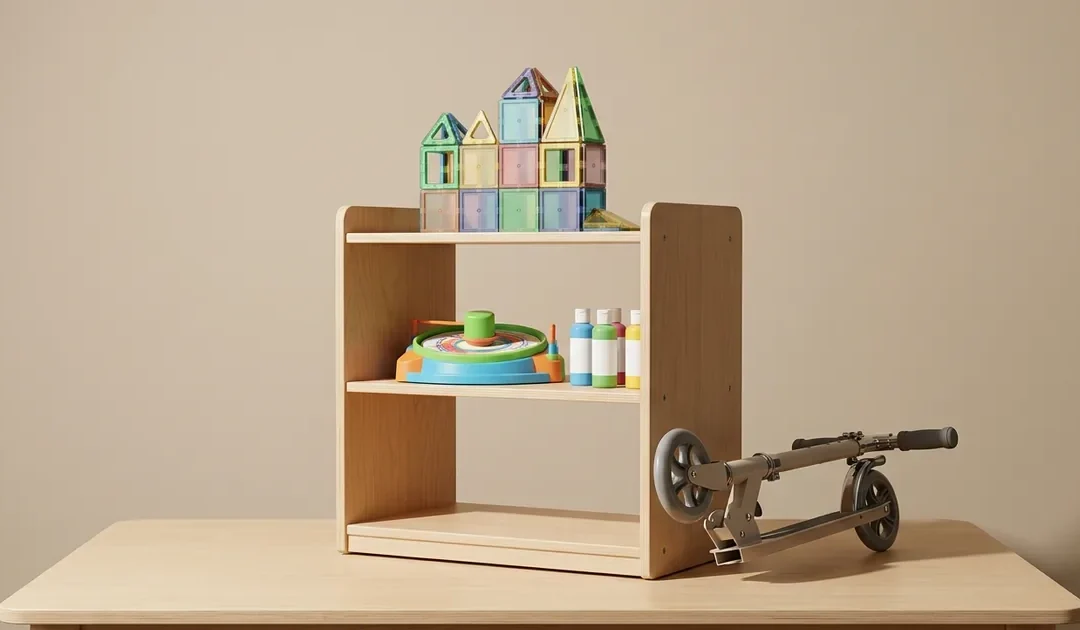
Blocks, magnetic tiles, and train sets teach spatial reasoning, patience, and early engineering thinking. They also scale beautifully with age, a 65-piece set works for a preschooler just starting out, while a 178-piece set challenges an older child to plan bigger, more elaborate layouts. Building toys are also some of the best value in a toy box, because they get reused in new ways for years rather than being “solved” once and set aside.
Creative and Sensory Play
Finger paints, playdough, chalk, and craft kits give children an outlet for self-expression while quietly strengthening the small hand muscles needed for writing later on. Sensory play is also a proven way to help children regulate emotions, since the repetitive motion of squeezing, smearing, or moulding has a calming effect.
STEM and Problem-Solving Toys
Puzzles, simple circuits, counting toys, and beginner coding kits build logical thinking. For younger children, this can be as simple as a shape sorter, while older children benefit from puzzles with more pieces or introductory science kits.
Pretend and Role Play
Kitchen sets, doctor kits, dress-up costumes, and dolls support language development and emotional understanding, since children act out real-life scenarios and practice empathy by “becoming” someone else for a while.
Active and Outdoor Toys
Balance bikes, balls, and simple sports equipment support gross motor development and are especially valuable for burning energy safely, which in turn helps with sleep and mood regulation at home.
Matching Toys to the Skills You Want to Support
If you are shopping with a specific developmental goal in mind, it helps to know which toy features map to which skills.
Fine Motor Skills
Small building pieces, art tools, lacing cards, and puzzle pieces all strengthen the pincer grip and hand control needed for writing, buttoning clothes, and using cutlery independently.
Gross Motor Skills
Ride-on toys, balls, and climbing equipment build balance and coordination, both essential before a child is ready for structured sports.
Cognitive and Language Skills
Sorting games, storytelling toys, and simple board games encourage vocabulary growth, sequencing, and memory, particularly when a parent plays alongside and narrates the action.
Social and Emotional Skills
Turn-taking games, cooperative building projects, and pretend play with siblings or friends teach patience, sharing, and reading other people’s emotions, skills that matter just as much as academic ones.
Budgeting for Toys in AED, the Smart Way
It is tempting to buy in bulk during a sale, but a smarter approach is to spend on fewer, higher-quality toys that grow with your child. A magnetic building set priced in the AED 100 to AED 250 range, for example, often delivers more long-term play value than several smaller AED 20 impulse buys that get forgotten within a week. Before checking out, ask yourself three questions: will this still interest my child in six months, does it do one thing very well rather than many things poorly, and is it safe for the youngest child likely to play with it in the house, including visiting siblings or cousins.
Buy for Stages, Not Just Birthdays
Rather than buying only around birthdays and holidays, consider spacing out purchases across the year according to developmental leaps, a new puzzle when attention span grows, a bigger building set when small motor control improves. This keeps play fresh without overwhelming your child, or your budget, all at once.
Storage, Rotation, and Making Toys Last
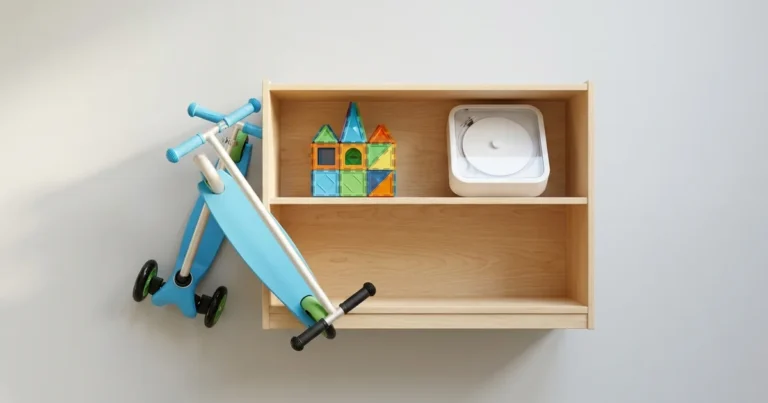
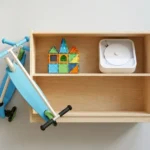
Even the best toy loses its shine if it is always visible and never put away. Toy rotation, keeping a portion of the toy box out of sight and swapping it in every few weeks, makes existing toys feel new again and reduces the pressure to constantly buy more. Store small pieces such as magnetic tiles or puzzle parts in labelled, sealed containers to avoid losing pieces and to keep them away from younger siblings who may still be at the mouthing stage. Wipeable storage bins are especially useful for art supplies like finger paint, keeping mess contained and cleanup quick.
Common Mistakes Parents Make When Buying Toys
Buying for the Age on the Box Alone
Age labels are a helpful starting point, not a strict rule. A confident four-year-old might be ready for a set marked for five-year-olds, while a cautious six-year-old might still prefer the simpler build of a younger set. Watch your own child’s behaviour rather than the label alone.
Choosing Novelty Over Longevity
Toys that do only one thing, like a single-sound button press, are usually abandoned within days. Toys that can be rebuilt, replayed, or reimagined, like building sets and open-ended art supplies, offer far better long-term value.
Overlooking Storage Before Purchase
A toy with 178 small pieces is wonderful for an older child’s concentration, but only if there is a proper storage system in place. Plan storage before you buy, not after pieces start disappearing under the sofa.
Ignoring Sibling Age Gaps
In households with children of different ages, always buy to the safety standard of the youngest child who has regular access to the play area, even if the toy is intended mainly for the older sibling.
Conclusion
Choosing the best toys for kids by age comes down to three simple habits: check safety first, match the toy to your child’s real stage of development rather than the calendar, and favour open-ended play over one-trick novelty items. Whether you are picking a first stacking toy for a baby, a magnetic building set for a preschooler, or a more ambitious 178-piece train set for a seven-year-old who loves a challenge, the right toy will do more than fill an afternoon. It will support a skill, spark curiosity, and earn a permanent, well-loved spot in the toy box.
Frequently Asked Questions
How do you choose a toy by age?
Start with the age label on the box as a baseline, then compare it to your own child’s current skills, attention span, and safety needs. For babies and toddlers, prioritise size (no small parts), washability, and simple cause-and-effect play. For preschoolers, look for building sets, art supplies, and simple pretend play that build fine motor and early problem-solving skills. For children aged 6 to 8, choose toys with more pieces, longer play sessions, and multi-step challenges, since their attention span and coordination can handle more complexity.
What toys are best for a child’s overall development?
A mix works best: building and construction toys for spatial reasoning and patience, creative supplies like finger paint for fine motor skills and self-expression, puzzles for logical thinking, and pretend-play sets for language and emotional development. Rotating between these categories gives a child a well-rounded set of skills rather than overdeveloping just one area.
How many toys does a child actually need?
Fewer, higher-quality toys almost always beat a large pile of low-engagement items. A well-stocked toy box for most children needs one or two building sets, some open-ended art supplies, a couple of puzzles or games, and one pretend-play set. Rotating toys in and out of storage keeps the smaller collection feeling fresh.
Are magnetic building toys safe for young children?
Magnetic building toys designed for a child’s specific age group, with securely encased magnets and appropriately sized pieces, are safe when used under normal supervision. Always check the recommended age on the packaging, avoid mixing sets meant for older children into a younger sibling’s play area, and inspect pieces regularly for damage that could expose a magnet.
How often should I rotate my child’s toys?
Every two to four weeks works well for most households. Put a portion of the toy collection away in storage and bring it back out after a few weeks; children often re-engage with a toy as if it were brand new, which reduces both clutter and the urge to buy something new every time interest fades.