Last updated: August 26, 2026
Choosing the best toys for promoting creativity is not about filling a toy box with as many colourful items as possible. It is about picking a small number of safe, well-made, open-ended toys that let your child direct the play, make mistakes, try again, and build confidence in their own ideas. In this guide, we walk UAE parents through exactly what to look for, which toy categories genuinely build creative thinking, and how to match choices to your child’s age and stage, all while keeping safety as the first filter for every recommendation.
Why Creativity Matters So Much in Early Childhood
Creativity is often treated as a “nice to have” skill, something for art class rather than everyday life. In reality, creative thinking is one of the strongest predictors of how well a child will solve problems, adapt to new situations, and communicate ideas later in school and life. When a toddler stacks blocks into a wobbly tower instead of a perfect one, or a six-year-old invents a completely new game with a train set, they are practising the exact mental flexibility that helps with maths reasoning, storytelling, science experiments, and even making friends.
The Science Behind Creative Play
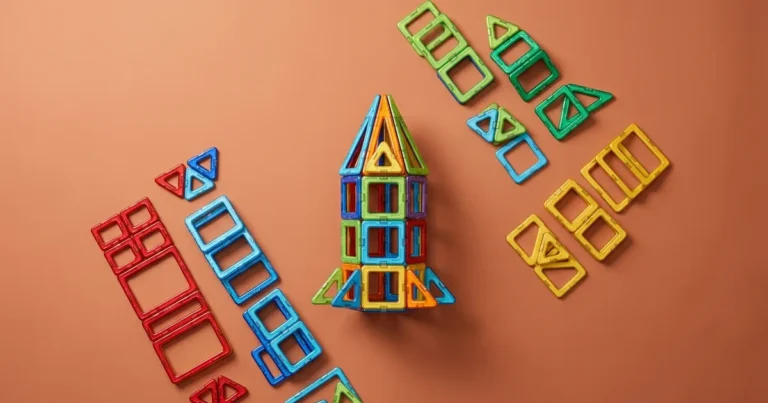
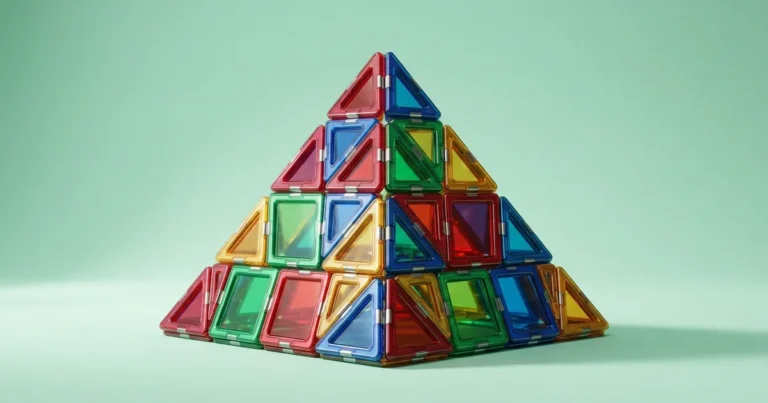
Child development researchers consistently point to the same pattern: children who are given time for unstructured, self-directed play develop stronger executive function, the mental skill set that includes planning, flexible thinking, and self-control. Open-ended toys, meaning toys without one “correct” way to use them, are the engine of this kind of play. A magnetic building set can become a bridge, a spaceship, a zoo enclosure, or a maze, all in the same afternoon, all led entirely by the child’s imagination.
This is very different from toys that only do one thing. A toy that lights up and plays the same three sounds every time is entertaining for a few minutes, but it does not ask the child to invent anything. The best toys for promoting creativity, by contrast, are quiet on their own. They only “work” once a child brings an idea to them.
Creativity Versus Screen Time
Many UAE parents ask us whether screen-based apps that claim to be “creative” can replace hands-on toys. Educational apps have their place, but they cannot fully replace physical, tactile play. When a child physically moves a magnetic piece, squeezes finger paint between their fingers, or balances one block on top of another, they are engaging their hands, eyes, and problem-solving brain together. This full-body, multi-sensory engagement is very hard to replicate on a flat screen, and it is one of the biggest reasons paediatric and early-years experts continue to recommend hands-on toys as the foundation of creative development, with screens as an occasional supplement rather than the main event.
What Actually Makes a Toy “Creativity-Boosting”
Not every toy labelled “educational” or “STEM” genuinely builds creative thinking. Before adding anything to your cart, it helps to run it through a simple mental checklist.
Open-Ended Design Over Single-Purpose Design
Ask yourself: how many different things can my child actually build, imagine, or create with this toy? A single-purpose toy, like a plastic figure that only makes one sound, has a low “creativity ceiling.” An open-ended toy, like a set of magnetic building tiles, a wooden train track, or a tub of finger paint, has an almost unlimited ceiling because the child supplies the story, the structure, and the rules.
This is exactly why building and construction toys sit at the very top of most parents’ and educators’ lists. A set like the Graflo Magnetic Train Set (65 pieces) can be a train station one day and a castle with a moat the next, simply because the pieces snap together in endless configurations rather than only one.
Safety Standards Every Parent Should Check
Creativity should never come at the cost of safety. Before buying any toy, especially for children under six, check for the following:
- Size of small parts: Anything that can fit inside a toilet paper roll is a choking risk for children under three.
- Strong magnets: Magnetic building toys should have securely enclosed, high-quality magnets that cannot be pried loose or swallowed. Always buy from reputable brands and inspect pieces regularly for wear.
- Non-toxic materials: Art supplies such as paints, crayons, and dough should be clearly labelled non-toxic and safe for skin contact, since younger children often touch their face or mouth during play.
- Smooth edges and sturdy construction: Pieces should not splinter, crack, or produce sharp edges after normal use.
- Age labelling: Always match the toy’s stated age range to your child’s actual developmental stage, not just their birthday age.
A genuinely well-designed creative toy will proudly display its safety certifications and age guidance, rather than burying this information. If a toy’s packaging is vague about materials or safety testing, it is worth choosing a different brand, no matter how appealing the box looks.
Durability and Long-Term Play Value
The best toys for promoting creativity are usually the ones that survive years of enthusiastic play and get used in new ways as your child grows. A well-made magnetic tile set bought for a three-year-old can still be challenging and fun for the same child at seven, simply because older children build more complex, ambitious structures. This long-term value also matters for your budget: a durable set priced fairly in AED that lasts for years is a far better investment than several cheaper, flimsier toys that break within weeks.
Best Toy Categories for Promoting Creativity
Rather than chasing trends, focus on a handful of proven toy categories. Each one develops a slightly different creative muscle, and together they cover almost everything a growing child needs.
1. Magnetic and Open-Ended Building Sets
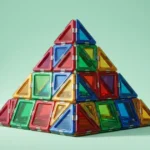
Magnetic building toys are consistently rated among the best toys for promoting creativity because they combine spatial reasoning, engineering thinking, and pure imaginative storytelling in one activity. A child does not just build a structure, they usually narrate a story around it: “this is the train that goes under the mountain to visit grandma.”
For families just starting out, a smaller set like the 65-piece Graflo Magnetic Train Set is an excellent entry point, offering enough variety to build tracks, tunnels, and simple structures without overwhelming a younger child. Families with older children, or children who already love building, often prefer the 178-piece Magnetic Train Set, which allows for far more elaborate towns, multi-level tracks, and cooperative building with siblings or friends.
What makes these sets particularly valuable for creativity is that there is no instruction manual dictating the “right” build. Children as young as three can create something simple and proud-worthy, while a seven or eight-year-old can design intricate layouts with junctions, bridges, and moving parts.
2. Art and Sensory Materials
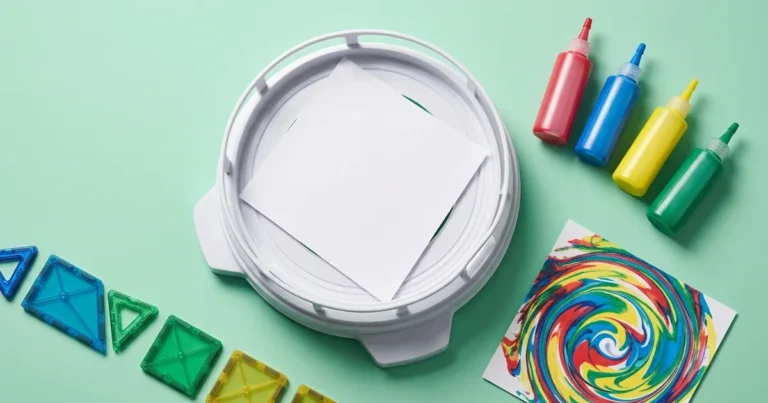
Art supplies remain one of the purest forms of open-ended creative play. Unlike a toy with a fixed shape, a blank page and a set of colours can become literally anything: a self-portrait, a pretend menu for a restaurant, a map to a treasure island, or simply an explosion of colour with no plan at all, which is equally valuable.
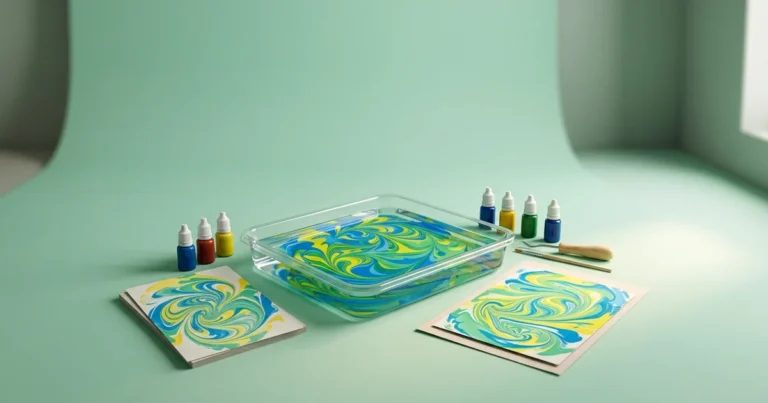
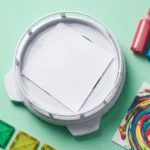
For toddlers and preschoolers, texture-based art such as finger paint is particularly powerful because it engages the sense of touch alongside sight, which strengthens the sensory pathways young brains use for creative thinking. Look for finger paint that is specifically formulated to be non-toxic, washable, and safe even if little fingers occasionally end up near the mouth. A 12-colour set gives children enough variety to mix, blend, and experiment with colour theory long before they ever hear that term in school.
Beyond paint, rotating in other art materials keeps creativity fresh: chunky crayons for younger toddlers, washable markers for preschoolers, and simple watercolour sets for children aged six and up who have more hand control and patience for detail.
3. Construction and Engineering Toys
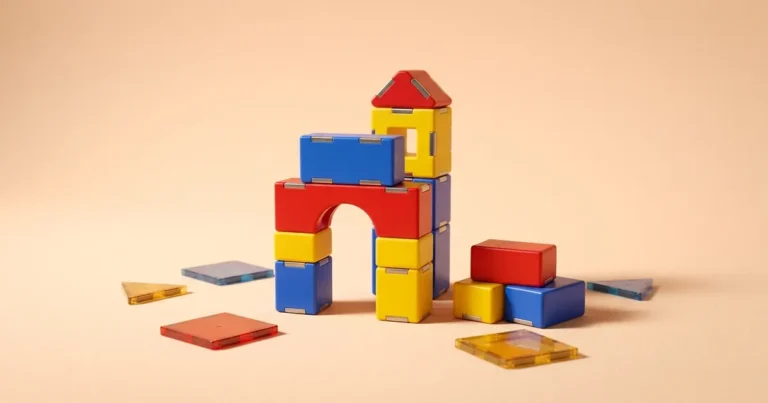
Wooden blocks, interlocking bricks, and gear-based building sets all fall into this category. They teach balance, cause and effect, and basic physics concepts long before a child could ever explain them in words. A tower that keeps falling teaches patience and problem-solving in a way no lecture ever could. These toys pair beautifully with magnetic building sets, since children often love combining different construction systems into one imaginative megastructure.
4. Pretend Play and Role-Play Toys
Play kitchens, doctor kits, dress-up costumes, and simple puppet sets encourage a different kind of creativity: narrative and social imagination. When children pretend to be a shopkeeper, a doctor, or a superhero, they are practising empathy, language, and sequencing of events, which are all core creative and cognitive skills. The best role-play toys are simple rather than overly detailed, since a plain wooden spoon can become a microphone, a sword, or a magic wand, while a toy that already looks exactly like one specific object leaves less room for imagination.
5. Music and Rhythm Toys
Simple instruments such as tambourines, xylophones, and hand drums let children experiment with sound, rhythm, and pattern-making. Music-based creativity is often overlooked, but composing even a simple, repetitive beat is a genuine act of creation, and it also supports early literacy skills through pattern recognition and listening.
6. Puzzles and Logic-Based Toys
While puzzles have a “correct” final answer, the process of getting there, trying different pieces, rotating shapes mentally, and testing ideas, is deeply creative problem-solving. Open-ended puzzle sets, tangrams, and pattern blocks are especially good because children can also use the pieces to invent their own pictures rather than only completing a fixed image.
Best Creative Toys by Age Group
A toy that is perfectly creative for a five-year-old can be frustrating or even unsafe for a two-year-old, and a toy that delights a toddler can feel far too simple for a seven-year-old. Matching toys to developmental stage is one of the most important, and most overlooked, parts of choosing well.
Toddlers, Roughly Ages 1 to 3
At this stage, creativity looks like simple cause-and-effect exploration: stacking, knocking down, scribbling, and sensory discovery. Look for:
- Chunky, large-piece building blocks that are impossible to swallow.
- Soft, oversized crayons or toddler-safe finger paint for early mark-making.
- Simple shape sorters and nesting cups, which teach early spatial reasoning.
- Basic pretend play props, such as a soft toy phone or a simple doll.
At this age, sessions are short, often five to ten minutes, and that is completely normal. The goal is simply repeated, safe exposure to open-ended materials.
Preschoolers, Roughly Ages 3 to 5
This is often considered the golden age for creative toy play, since children have enough hand control and attention span to build real structures and follow simple pretend-play storylines, but they still approach every activity with total openness and lack of self-consciousness. This is the ideal stage to introduce:
- Magnetic building sets like the 65-piece magnetic train set, which is sized and priced well for a first serious building toy.
- Finger paint sets for expressive, mess-friendly art sessions.
- Dress-up costumes and simple role-play kits for imaginative storytelling.
- Basic puzzles with 12 to 48 pieces, depending on the child’s individual pace.
For parents shopping specifically for this stage, browsing a curated collection such as toys for ages 3 to 5 years makes it far easier to compare age-appropriate, safety-checked options in one place rather than guessing from a general toy aisle.
Early School Age, Roughly Ages 6 to 8
By this stage, children are ready for more complex, multi-step creative challenges. Their attention spans are longer, their fine motor control is much stronger, and they enjoy a genuine sense of achievement from finishing an ambitious build or artwork. Good choices include:
- Larger magnetic building sets such as the 178-piece magnetic train set, which supports far more elaborate designs and rewards patience and planning.
- Detailed art supplies, including watercolour paints, sketchbooks, and simple craft kits.
- Building and engineering kits with gears, pulleys, or simple mechanisms.
- Story-based creative kits, such as simple comic-making sets or design-your-own board game kits.
Parents shopping for this age group can browse the dedicated toys for ages 6 to 8 years collection to find sets that are properly matched to this stage’s longer attention span and higher skill level, rather than toys that feel too babyish or, at the other extreme, frustratingly advanced.
How to Set Up a Creativity Corner at Home
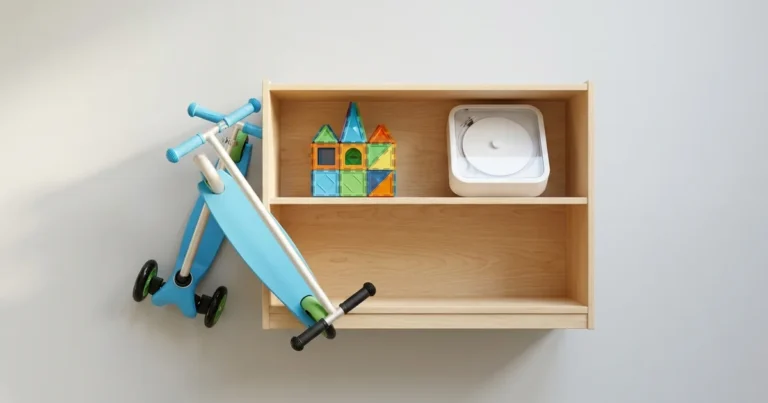
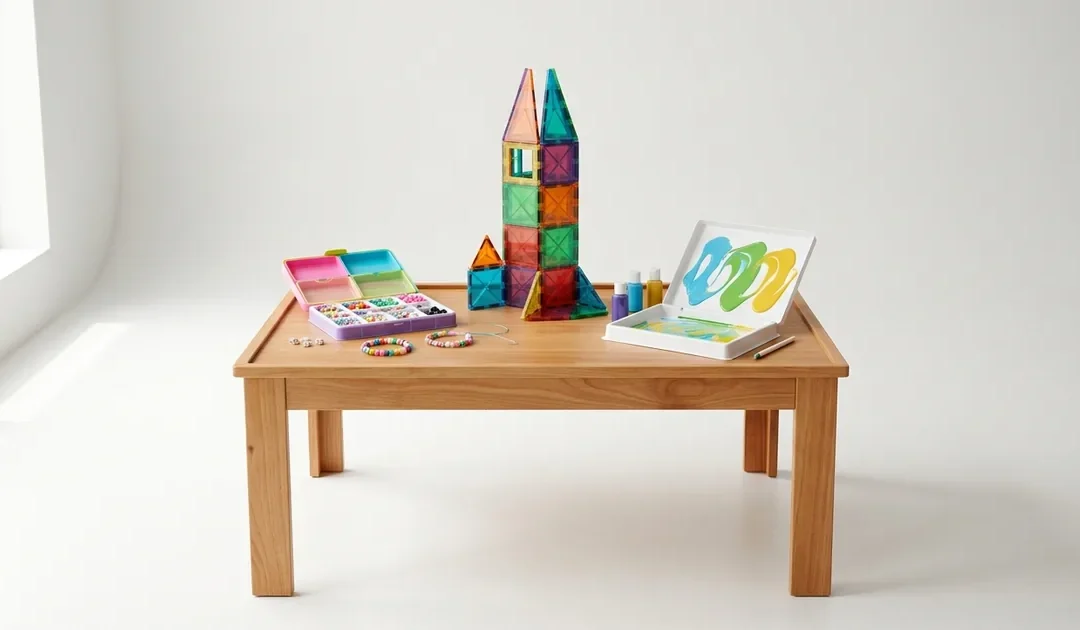
You do not need a large playroom to encourage meaningful creative play. A dedicated corner, even a small one, sends a clear signal to your child that this is “their space” for building and making. A few practical tips:
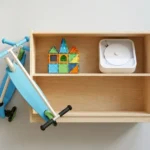
- Keep it low and accessible: Store toys on low, open shelves rather than closed boxes, so children can see and choose materials independently.
- Protect the floor and furniture: A washable mat or an easy-to-wipe table makes messy activities like finger painting far less stressful for parents.
- Limit visible choices: Too many toys out at once can overwhelm a child and actually reduce creative focus. Rotate a smaller selection instead.
- Add a display spot: A shelf, a string with clips, or a section of the fridge for finished artwork and photos of completed builds helps children feel proud of what they create.
- Keep safety in mind: Make sure any small magnetic pieces are stored in a container that is easy for children to use but that keeps everything organised and away from very young siblings who might still put items in their mouths.
Practical Tips to Nurture Creativity Through Play
The toy itself is only half of the equation. How you, as a parent, respond during play has a huge influence on whether creativity flourishes or gets quietly shut down.
Follow Your Child’s Lead
If your child decides the magnetic train set is actually a spaceship, resist the urge to correct them back to “realistic” use. The willingness to reinterpret an object’s purpose is the very definition of creative thinking. Ask questions instead of giving instructions: “Where is the spaceship going? Who is on board?”
Resist the Urge to Fix Every Mistake
When a tower falls or a painting turns into a muddy brown blob, it can be tempting to step in and “rescue” the project. Instead, treat these moments as part of the process. Ask, “What do you think happened? What could we try differently?” This builds resilience alongside creativity.
Rotate Toys Regularly
Even the best toys for promoting creativity can start to feel stale if they are always available. Try packing away a third of your child’s toys and rotating them back in every few weeks. Toys that reappear after a break are often played with in fresh, more inventive ways.
Set Aside Unstructured Time
Busy schedules filled with structured activities leave little room for the kind of open-ended, self-directed play that builds creativity. Try to protect at least thirty minutes a day of completely unscheduled playtime, with no specific goal or lesson attached.
Play Alongside, Not Instead Of
Sit down and build or paint alongside your child sometimes, without taking over. Let them see you experimenting, occasionally “failing,” and enjoying the process rather than only the finished result. This models a healthy, low-pressure attitude toward creative effort.
Common Mistakes Parents Make When Buying “Creative” Toys
Even well-intentioned parents can accidentally choose toys that look creative on the packaging but do little to build real creative skill. Watch out for these common pitfalls:
- Choosing toys that do all the work: Battery-operated toys that light up, sing, and move on their own with no child input can be entertaining but rarely spark imagination the way a quiet, open-ended toy does.
- Buying too many toys at once: A cluttered toy collection can overwhelm children and lead to shallow, scattered play rather than deep, focused creativity.
- Ignoring age-appropriateness: A set that is too advanced leads to frustration, while one that is too simple gets abandoned quickly. Always check age guidance and your own child’s current skill level.
- Overlooking safety details: Especially with magnetic toys and art supplies, always verify non-toxic labelling and secure construction, particularly for children under six.
- Focusing only on branded characters: Toys tied tightly to a specific movie or character often come with a fixed “correct” way to play, which can limit imaginative reinterpretation compared to neutral, open-ended toys.
A Simple Shopping Checklist Before You Buy
Next time you are choosing a toy, whether online or in-store, run through this quick checklist:
- Is the toy open-ended, allowing multiple ways to play?
- Is it appropriately sized and rated for my child’s actual age and stage?
- Are the materials non-toxic and the construction sturdy, with no small, loose, or sharp parts?
- Will this toy still be interesting and challenging in six months or a year?
- Does it invite my child to lead the play, rather than the toy leading them?
- Is the price in AED reasonable relative to how much long-term play value the toy offers?
If a toy passes most of these checks, it is very likely to earn its place as a genuine creativity-builder rather than a short-lived novelty.
Bringing It All Together
The best toys for promoting creativity are rarely the flashiest ones on the shelf. They are the simple, safe, open-ended sets that quietly invite a child to build, imagine, paint, and pretend in whatever way makes sense to them that day. A well-chosen magnetic building set, a trusted set of non-toxic finger paints, and a little unstructured time together can do more for your child’s imagination than an entire cupboard of noisy, single-purpose gadgets. Start with one or two thoughtfully chosen pieces matched to your child’s age, keep safety at the centre of every decision, and let their ideas do the rest.
Frequently Asked Questions
What are the best toys for promoting creativity in toddlers?
For toddlers aged one to three, the best toys for promoting creativity are simple, oversized, and safe from choking hazards. Chunky building blocks, toddler-safe finger paint, shape sorters, and soft pretend-play props like a toy phone all work well because they allow easy, repeated exploration without a fixed “right way” to play.
Are magnetic building sets safe and good for creativity?
Yes, when chosen carefully. Look for magnetic building sets with securely enclosed, high-quality magnets and age-appropriate piece sizes. Sets like a 65-piece or 178-piece magnetic train set are excellent for creativity because children can build endless different structures, from simple tracks to complex towns, rather than following one fixed design.
How many creative toys does my child actually need?
Fewer than most parents think. A small, well-chosen rotation of open-ended toys, such as one building set, one art material, and one pretend-play item, usually encourages deeper, more focused creativity than a large, cluttered collection. Rotating toys every few weeks keeps play feeling fresh.
What age is best to start introducing art supplies like finger paint?
Most children are ready for non-toxic, washable finger paint from around eighteen months to two years old, under close supervision, since younger children still explore materials with their hands and sometimes their mouths. Always check that the paint is specifically labelled safe and non-toxic for young children.
How do I know if a toy is genuinely open-ended and creativity-boosting?
Ask how many different ways your child could realistically use the toy. If it can only be played with in one fixed sequence, such as pressing a button for the same sound every time, it has a low creativity ceiling. If it can be rebuilt, repainted, or reimagined in countless ways, like building blocks or a magnetic construction set, it strongly supports creative thinking.
Open-Ended Toys That Spark Creative Play
If you are ready to add a few safe, open-ended toys to your child's shelf, our art and crafts range is full of quiet, idea-led picks that only come alive once your little one brings their imagination to them. Each one is chosen with safety as the first filter.
Choosing By Age: 3-5 or 6-8 Years
Matching a toy to your child's stage matters as much as the toy itself. For toddlers and preschoolers building early confidence, start with our 3-5 years range, and for older children inventing their own games and stories, the 6-8 years range offers more complexity.
Start Your Child's Creative Toy Box Today
Building creative thinking begins with just one well-made, open-ended toy. Explore our featured picks loved by UAE parents and choose a safe starting point for your child.