Last updated: September 9, 2026
If you have ever opened a craft kit box only to find loose plastic beads, synthetic glitter that sheds everywhere, and a paint set with a chemical smell strong enough to make you wince, you already know why eco-friendly craft kits for kids matter. The right kit protects your child’s hands and lungs while they create, and it protects the planet they will grow up in. This guide walks you through exactly what to check, what to avoid, and which activities suit your child’s age, so every craft session at home in the UAE is safe, mess-manageable, and genuinely developmental.
As a parent, you do not need to become a materials scientist to shop well. You just need a short, practical checklist and a clear idea of what your child’s growing hands and curious mind actually need at each stage. That is exactly what we cover below.
What Makes a Craft Kit Truly Eco-Friendly?
Not every kit labelled ‘green’ or ‘natural’ on the box actually is. Genuine eco-friendly craft kits are built around three principles: renewable or recycled materials, non-toxic finishes, and packaging that does not add to landfill. Here is how to tell the difference between a marketing claim and an honestly sustainable product.
Materials to Look For
- FSC-certified paper and cardboard – this means the wood pulp came from responsibly managed forests, not illegal logging.
- Plant-based dyes and inks – look for pigments derived from beets, turmeric, or spirulina instead of petroleum-based colourants.
- Natural fibres – cotton string, jute, wool felt, and untreated wood pieces are biodegradable and gentle on small hands.
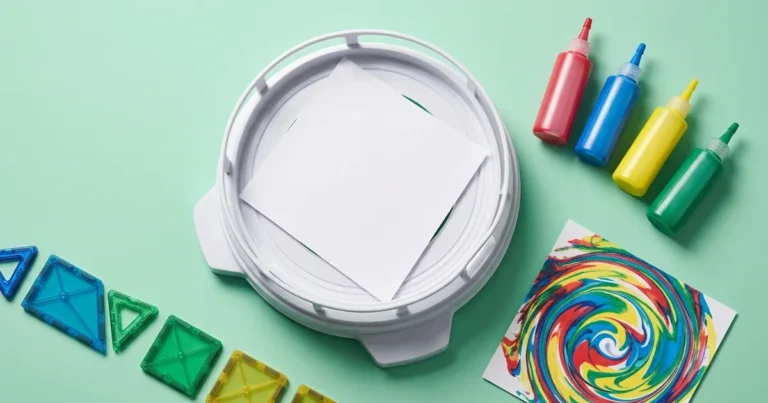
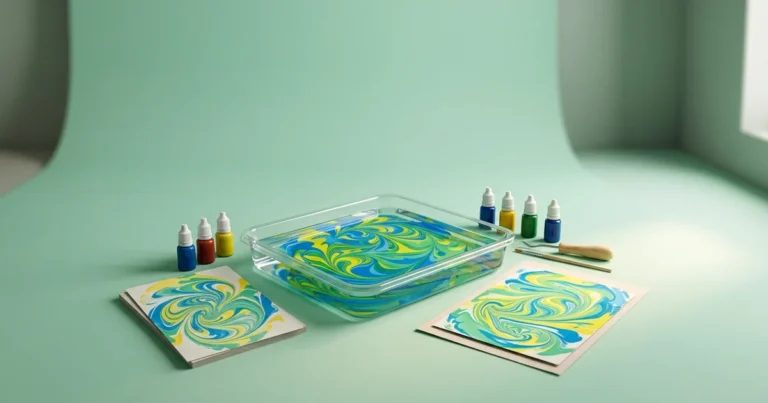
- Water-based, non-toxic paints and glues – always check for a certified non-toxic label rather than taking a brand’s word for it. Our own finger paint set in 12 colors is formulated to be washable and safe for little fingers, which makes it a solid starting point if you are building a craft corner at home.
- Reusable tools – wooden brushes, silicone mats, and metal scissors that last years instead of cracking after one project.
Materials to Avoid
- PVC-based glitter or foam stickers that shed microplastics into your home and eventually into the ocean.
- Single-use plastic trays, wrappers, and blister packaging with no recycling symbol.
- Fragranced or solvent-based markers that carry a strong chemical smell.
- Kits with vague labelling and no country of origin or safety certification listed.
A simple rule of thumb: if you cannot tell what a material is made from just by reading the box, put it back on the shelf and look for one that is transparent about its ingredients.
Why Eco-Friendly Craft Kits Matter for Your Child’s Development
Craft time is never just about the finished project. It is quietly building skills your child will use for the rest of their life, and choosing sustainable materials adds an extra layer of benefit.
Fine Motor Skills and Sensory Growth
Cutting, folding, gluing, and threading all strengthen the small hand muscles children need for handwriting, buttoning clothes, and using cutlery. Natural materials like textured wool felt, rough jute string, and smooth wooden beads give children a richer sensory experience than uniform plastic pieces, which helps their brains build stronger neural connections around touch and texture recognition.
Environmental Awareness from an Early Age
When you hand your child a kit made from recycled paper or offcut wood, you have a natural, low-pressure moment to talk about where materials come from and why we reuse things instead of throwing them away. Children absorb these habits far more effectively through hands-on experience than through lectures, and craft time is the perfect low-stakes setting for it.
Safety First: What Every UAE Parent Should Check
Before any craft kit reaches your child’s hands, run through this quick safety pass. It takes less than a minute and it matters far more than how pretty the box looks.
Certifications and Labels
- Look for CE or EN71 markings, which confirm the product meets recognised toy safety standards for materials and small parts.
- Check for an age recommendation printed clearly on the packaging, and take it seriously, especially the choking hazard warning for small components.
- Prefer brands that list ingredients or material composition rather than generic terms like ‘eco-friendly’ with nothing to back it up.
Age-Appropriate Design
A three-year-old and an eight-year-old need very different kits, even if both are labelled ‘craft.’ Younger children need larger pieces, chunkier tools, and simpler steps, while older children can handle detailed cutting, multi-step assembly, and finer embellishments. Matching the kit to your child’s actual developmental stage, not just their age on paper, prevents frustration and keeps craft time enjoyable rather than stressful.
Best Eco-Friendly Craft Activities by Age Group
Choosing the right activity for your child’s stage makes the difference between a kit that gets used for weeks and one that gets abandoned after ten minutes.
Ages 3-5 Years
At this stage, children are developing basic hand control and love repetitive, sensory-rich activities. Good choices include:
- Finger painting with washable, non-toxic paint on recycled paper. Our finger paint for kids in 12 colors is designed exactly for this age group, with vibrant colours that wash off skin and most fabrics easily.
- Large wooden bead threading with cotton cord, which builds hand-eye coordination without small, swallowable pieces.
- Simple paper collage using pre-cut recycled shapes and a glue stick rather than loose glitter.
If you are shopping for this age group generally, our ages 3-5 years collection groups together toys and craft-adjacent activities that are sized and designed for smaller hands and shorter attention spans.
Ages 6-8 Years
By six, most children can manage scissors confidently, follow multi-step instructions, and enjoy projects with a clear end goal, like building a model or making a gift. Strong options include:
- Recycled cardboard construction kits that fold into models such as boats, houses, or vehicles.
- Natural dye fabric projects using plant-based colour packets on cotton squares.
- Wood-burning-free wooden craft kits with pre-drilled holes for lacing and simple carpentry-style assembly.
Browse our ages 6-8 years collection for age-matched options that keep older children engaged without overwhelming them with tiny, fiddly parts.
Pairing Craft Kits with Other Sustainable Open-Ended Play
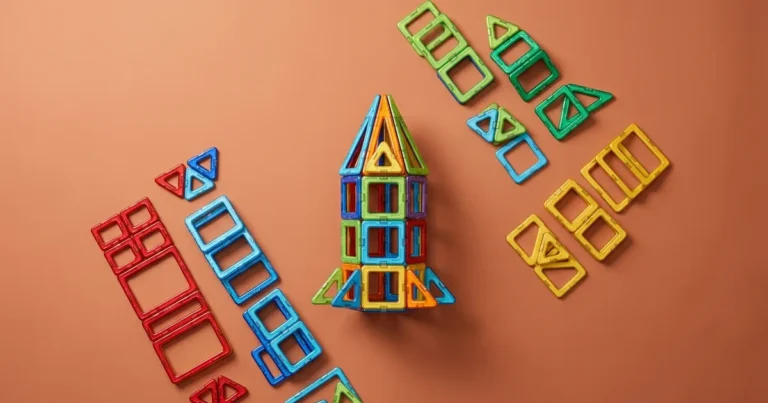
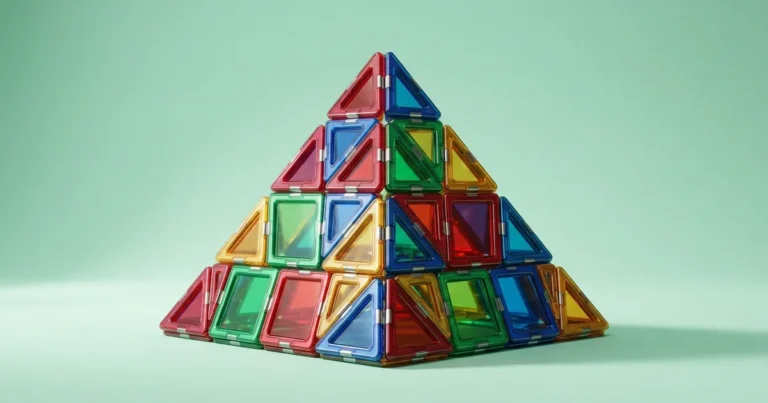
Craft time works best as part of a broader rotation of sustainable, open-ended toys rather than a one-off activity. Magnetic building sets are a natural complement because they encourage the same creative problem-solving muscles as craft, just in a different format. Our magnetic train set with 65 pieces is a favourite for younger builders who want an easy entry point into open-ended construction, while the 178-piece magnetic train set gives older children enough pieces to design far more elaborate tracks and structures. Rotating between painting, cutting and gluing one day, and magnetic building the next, keeps children engaged across different skill types without needing an ever-growing pile of single-use materials.
How to Store and Reuse Craft Materials at Home
Part of raising an eco-conscious child is showing them that materials do not need to be thrown away after one project. A few practical habits make this easy:
- Keep a labelled ‘scrap box’ for leftover paper, fabric offcuts, and buttons so nothing gets binned after a single craft session.
- Store paints and glues upright with lids tightly sealed to extend their shelf life and avoid waste from dried-out product.
- Wash and dry reusable tools like brushes and silicone mats immediately after use so they last for many projects, not just one.
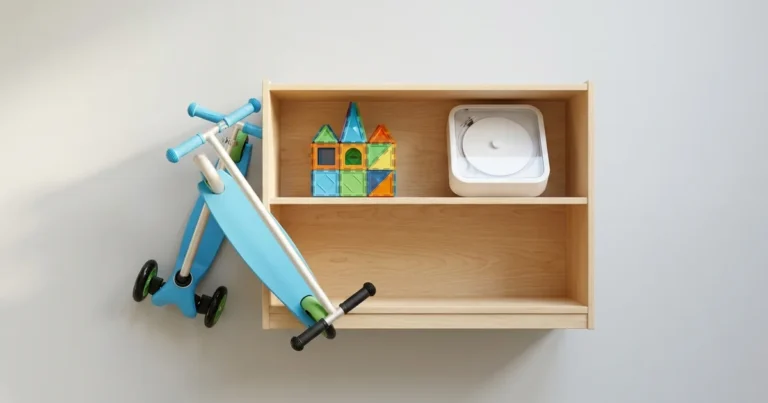
- Set up a small, dedicated craft shelf or drawer at your child’s height so tools stay organised and are easy to reuse independently.
These small routines teach children resourcefulness while also saving you money on constantly replacing craft supplies.
Shopping Checklist Before You Buy
Keep this short list handy whether you are shopping online or in-store:
- Does the packaging state the age range clearly, and does it match your child’s actual skill level?
- Are the materials described specifically, rather than with vague eco-labels?
- Is there a recognised safety certification such as EN71?
- Can the tools or leftover materials be reused for future projects rather than discarded after one use?
- Does the kit encourage open-ended creativity, or does it only allow one predetermined outcome?
Conclusion
Choosing eco-friendly craft kits for kids is one of the simplest ways to protect your child’s health, support their fine motor and sensory development, and quietly build environmental awareness that will stay with them for years. Focus on transparent materials, age-matched activities, and certified safety standards, and pair craft time with other sustainable, open-ended play like magnetic building sets to keep your child engaged, creative, and safe at every stage.
Frequently Asked Questions
What age can children start using eco-friendly craft kits?
Most children can start simple sensory craft activities like finger painting or large bead threading from around age 3, as long as the materials are non-toxic and pieces are too large to be a choking hazard. Always check the manufacturer’s age recommendation on the packaging before starting.
How do I know if a craft kit is genuinely eco-friendly and not just marketed that way?
Look for specific details rather than vague claims. Genuine eco-friendly kits list their materials clearly, such as FSC-certified paper, plant-based dyes, or natural fibres, and carry a recognised safety certification like EN71 or CE. If a product only says ‘eco-friendly’ with no further detail, treat that as a warning sign.
Are eco-friendly craft kits more expensive than regular ones in the UAE?
Pricing varies, but many eco-friendly kits are comparable in AED to standard kits, especially when you account for reusable tools that last much longer than single-use plastic alternatives. Buying reusable brushes, mats, and containers once often works out cheaper over time than repeatedly replacing disposable craft supplies.
Can craft kits be paired with other toys for a more well-rounded play routine?
Yes, rotating craft activities with open-ended building toys like magnetic train sets gives children a broader mix of fine motor, creative, and spatial skills. Alternating between painting or cutting one day and magnetic construction the next keeps play varied without requiring a constant stream of new single-use materials.
What should I do with leftover craft materials to keep things sustainable?
Set up a labelled scrap box at home for paper offcuts, fabric scraps, and small components so they can be reused in future projects instead of thrown away. Store paints and glues properly sealed, and clean reusable tools like brushes immediately after each session to extend their life significantly.