Last updated: October 11, 2026
If you have typed ‘best smart toys for kids 2025 2026’ into a search bar at 11pm while a birthday deadline looms, you are not alone. Every parent in the UAE wants the same two things from a toy: that it is genuinely safe for small hands and curious mouths, and that it actually helps a child grow, not just lights up and makes noise for five minutes before landing in a drawer. This guide cuts through the marketing noise. We will walk through what ‘smart’ really means in a toy today, the safety checks every parent should run before adding anything to the cart, and age-by-age picks that hold up to daily play in a busy Emirati household.
What Does ‘Smart’ Actually Mean in a Toy Today?
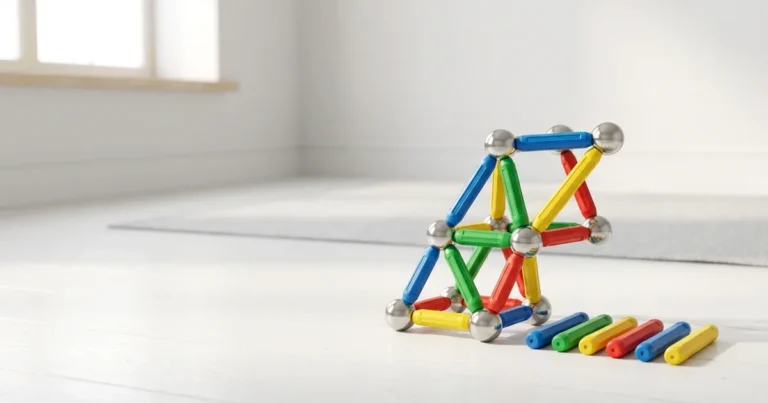
The word ‘smart’ gets used loosely. Some brands mean Bluetooth-connected and app-controlled. Others mean a toy that responds with lights or sounds. But the most useful definition for a parent is simpler: a smart toy is one that engages a child’s brain in ways that build a real skill, whether that is fine motor control, spatial reasoning, early coding logic, emotional regulation, or creative expression. By this definition, a well-designed magnetic building set or an open-ended art kit can be just as ‘smart’ as an electronic gadget, often more so, because it leaves room for the child’s own ideas instead of doing the thinking for them.
For 2025 and heading into 2026, the toy market is shifting in a healthy direction. There is more awareness among parents and pediatric experts about overstimulating electronic toys and screen-adjacent gadgets. At the same time, there is strong demand for toys that quietly build STEM thinking, like magnetic tiles, construction sets, and sensory play kits, because these toys keep working for a child’s development long after the novelty of flashing lights wears off.
Two Broad Types of ‘Smart’ Toys Parents Will See
- Tech-smart toys: these include app-connected robots, talking devices, coding kits with circuit boards, and interactive tablets designed for kids. They often rely on batteries, Wi-Fi or Bluetooth, and sometimes collect data through connected apps.
- Developmentally-smart toys: these include magnetic building sets, open-ended construction toys, pretend play kits, and creative tools like finger paints. They have no screens, no data collection, and no charging cables, yet they build problem-solving, motor skills, and imagination through repeated, self-directed play.
The best toy boxes in 2025-2026 usually contain a mix of both, with developmentally-smart toys forming the foundation and a small number of carefully chosen tech-smart toys added for variety.
Safety First: What to Check Before You Buy Any Smart Toy
Before we get to specific picks, let’s talk about the non-negotiables. As a parent, your first filter should never be ‘does this look fun on the box.’ It should be ‘is this safe for my specific child, at their age, in my home.’
1. Age Grading Is Not a Suggestion
Age labels on toys are based on real testing for choking hazards, small parts, and developmental appropriateness. A toy rated for ages 6 to 8 may contain small magnets or detachable pieces that are genuinely dangerous for a toddler who still explores the world with their mouth. Always shop within the recommended age band, and if you have children of different ages at home, store smart toys with small components out of reach of younger siblings.
2. Magnetic Toys Need Extra Scrutiny
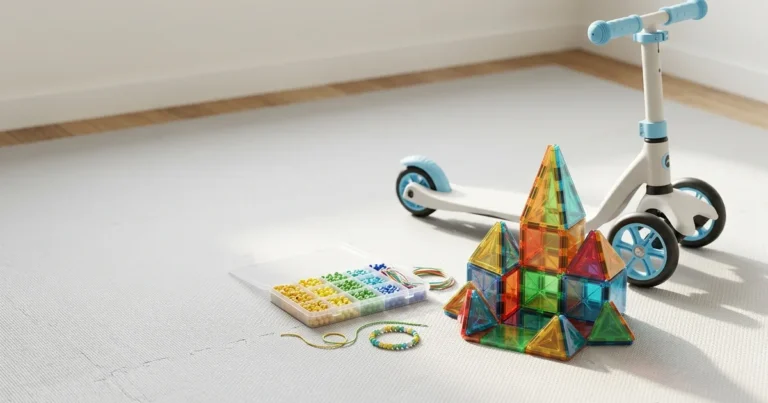
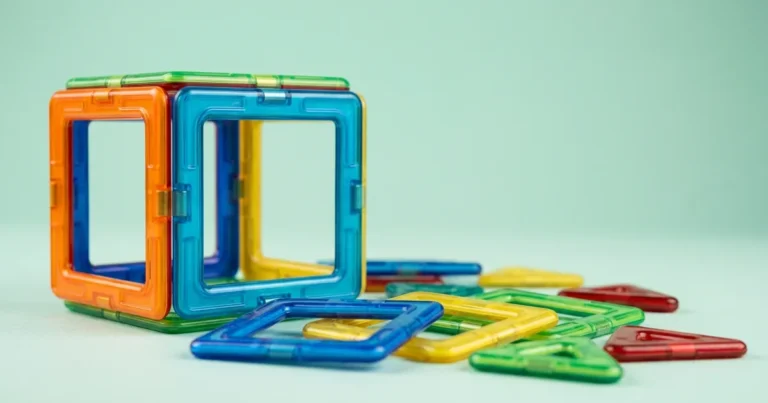
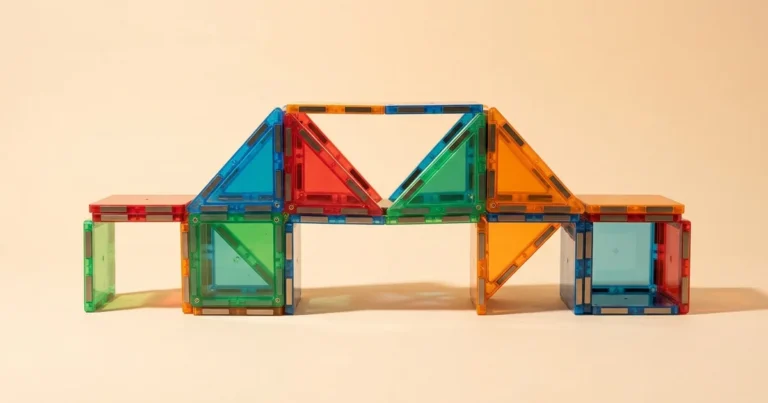
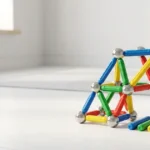
Magnetic building sets are hugely popular and genuinely wonderful for spatial reasoning, but loose or weak magnets can be a serious ingestion risk if swallowed. When shopping for magnetic toys, look for sets where magnets are securely sealed inside the plastic pieces, not loose or glued on the surface. Well-made sets, like a magnetic train set for kids, are designed with enclosed magnets and rounded, chunky pieces sized for little hands, which is exactly what you want to see before adding anything magnetic to your cart.
3. Battery Safety for Electronic Toys
Any toy with a battery compartment should have a screw-secured lid that requires a small screwdriver or deliberate effort to open, not a simple push-and-slide panel a toddler can pop open. Button batteries in particular are extremely dangerous if swallowed. If you are buying an electronic or app-connected toy, check the battery compartment in the product photos or description before purchase.
4. Non-Toxic, Washable Materials for Creative Toys
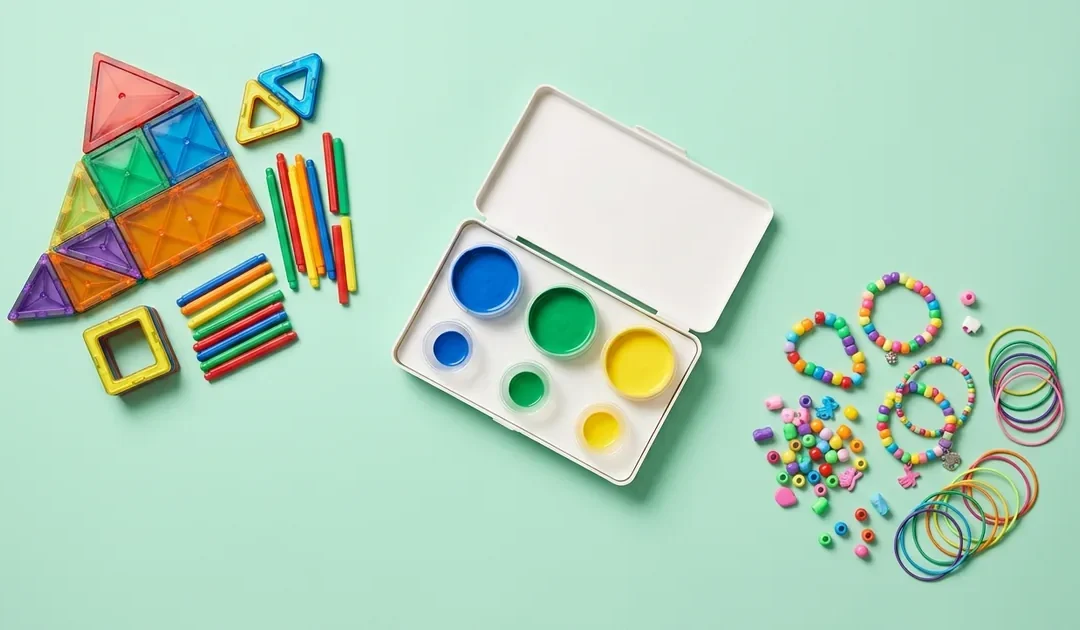
Smart play is not only about electronics or building blocks, it also includes creative tools that build fine motor skills and sensory development. When choosing art supplies, always confirm they are labeled non-toxic and, ideally, washable from skin, fabric, and surfaces. A good example is a finger paint set for kids with 12 colors, which lets toddlers and preschoolers explore color mixing and texture safely, with easy cleanup for parents.
5. Data and Connectivity for App-Based Toys
If a toy connects to an app, a camera, or a microphone, read the privacy policy before you buy, not after. Ask yourself: does this toy record my child’s voice or image? Is that data stored, and where? Can I use the toy fully offline if I choose to? A genuinely well-designed smart toy for kids should offer a meaningful offline or low-connectivity mode, especially for children under 8.
6. Certification Marks
Look for recognized safety certifications on the packaging. These marks indicate the toy has been independently tested for things like sharp edges, flammability, and chemical safety. If a toy has no visible certification and comes from an unfamiliar seller, treat that as a red flag regardless of how advanced its features sound.
Why Open-Ended Smart Toys Often Beat High-Tech Gadgets
It is tempting to think the smartest toy is the one with the most buttons, lights, or app features. In practice, child development specialists consistently point to open-ended toys, ones without a single ‘correct’ way to play, as the ones that build the deepest cognitive skills. A magnetic tile set does not tell a child what to build. A pile of building pieces does not light up to reward one specific action. Instead, the child has to imagine the structure, plan the steps, troubleshoot when a piece will not balance, and adjust. That loop of imagine-build-troubleshoot-adjust is where real intelligence grows.
This is why a well-built magnetic construction set, like a 178-piece magnetic train set, can outperform a flashy electronic toy in terms of long-term engagement. With more pieces, children can build bigger, more complex tracks and structures, which keeps the toy relevant and challenging as their skills grow over months, not just days.
The ‘Boredom Is Good’ Principle
One thing many parents do not expect: the toys that get the most long-term play are rarely the ones that do everything for the child. A toy that talks, blinks, and reacts constantly can actually shorten a child’s attention span over time, because the child becomes a passive observer rather than an active creator. Open-ended smart toys require the child to supply the imagination, which is exactly the muscle we want to strengthen in early childhood.
Age-by-Age Guide to the Best Smart Toys for Kids 2025-2026
The right ‘smart’ toy looks completely different depending on your child’s age. Here is a practical breakdown.
Ages 1 to 3: Sensory and Cause-and-Effect Toys
At this age, ‘smart’ play means toys that respond predictably to simple actions, stacking, dropping, pressing, pulling, and toys that build fine motor control through repetition. Avoid anything with small detachable parts or complicated electronics. Large, chunky magnetic blocks with securely sealed magnets, simple shape sorters, and soft sensory toys are ideal. Supervised finger painting sessions, using a non-toxic, washable set, also introduce color recognition and tactile exploration at this age, though always with close adult supervision.
Ages 3 to 5: Building Logic and Creative Confidence
Preschoolers are ready for more complex building and pretend play. This is the sweet spot for magnetic construction toys, since children can now follow simple instructions, build small structures independently, and start to understand concepts like balance, symmetry, and cause and effect in a physical sense. A magnetic train set introduces early engineering concepts, track planning, and storytelling as children build and ‘drive’ their trains. This is also the age to introduce richer creative tools, like a 12-color finger paint set, to support color theory, self-expression, and fine motor development. Parents in the UAE looking for a curated starting point can browse the full toys for ages 3 to 5 years collection to see age-matched options in one place.
Ages 6 to 8: Early STEM Thinking and Independent Problem-Solving
By age 6, most children can handle more intricate builds, multi-step instructions, and toys that introduce basic STEM concepts like circuits, gears, or coding logic. This is a great age to expand a magnetic building collection with a larger set, since more pieces mean more ambitious structures and longer independent play sessions. It is also an appropriate age to introduce simple coding robots or construction kits with moving parts, as long as the safety and battery checks mentioned earlier are satisfied. A browse through the toys for ages 6 to 8 years range is a good way to find options that match this stage of development.
Ages 9 and Up: Complexity, Autonomy, and Real STEM Tools
Older children are ready for toys that genuinely challenge them, think advanced building sets, robotics kits with programmable elements, and science experiment kits. At this stage, ‘smart’ increasingly does mean tech-enabled, since children have the reading comprehension and patience to follow app instructions or coding interfaces responsibly. Even so, keep screen time boundaries in mind and look for kits that balance on-screen instructions with hands-on building and problem-solving.
Categories of Smart Toys Worth Considering in 2025-2026
1. Magnetic Building and Construction Sets
These remain one of the strongest categories for genuine developmental value. They build spatial reasoning, patience, and creativity, and they scale in difficulty as children grow, since a bigger set simply means bigger, more ambitious builds. Starting with a smaller set, like a 65-piece magnetic train set, and later adding a larger 178-piece set, lets a family grow the collection as a child’s skills and attention span increase, rather than replacing toys outright.
2. Creative and Sensory Tools
Art supplies designed for little hands, like washable, non-toxic finger paints, support fine motor development, color recognition, and emotional expression. These are especially valuable for children who need a calm, screen-free outlet after a busy day at nursery or school.
3. Early Coding and Robotics Kits
For children aged 6 and up, simple coding robots that teach sequencing and logic through physical buttons or beginner block-coding apps can be a great introduction to computational thinking. Choose kits with a strong offline mode and minimal data collection, and always check battery compartment safety.
4. Pretend Play and Role Play Sets
Kitchen sets, doctor kits, and other role play toys build language skills, empathy, and social understanding as children act out real-world scenarios. These toys are ‘smart’ in the sense that they build emotional intelligence, a skill just as important as STEM thinking.
5. Puzzles and Logic Games
Classic puzzles, pattern games, and simple logic challenges continue to be some of the best tools for building sequential thinking and patience, without any batteries or screens involved at all.
Building a Balanced Toy Rotation at Home
Rather than buying one single ‘best’ toy, think in terms of a rotation that covers different types of development. A well-rounded shelf for a preschooler in the UAE might include one magnetic building set, one creative or sensory tool, one pretend play set, and one simple puzzle or logic game. Rotate which toys are visible and accessible every couple of weeks, keeping the rest stored away. This keeps every toy feeling fresh and prevents the overwhelm that comes from too many options being available at once.
How Many Smart Toys Does a Child Actually Need?
More is not better. Child development research consistently shows that children play more creatively and for longer stretches when they have fewer toys available at any one time. A rotation of four to six well-chosen toys, swapped periodically, will do more for your child’s growth than a room full of options that leads to constant switching and shallow engagement.
Budgeting for Smart Toys in AED
Quality matters more than quantity when it comes to toys that claim to be ‘smart.’ Here is a general guide to help UAE parents budget sensibly.
- Entry-level building and sensory toys: smaller magnetic sets and creative kits typically sit in a modest, accessible price range, making them a great starting point for toddlers and preschoolers.
- Mid-range construction sets: larger magnetic building sets with more pieces cost more upfront but offer significantly more value over time, since they support years of evolving, more complex builds rather than being outgrown in months.
- Higher-end tech toys: coding robots and app-connected kits tend to sit at the top of the budget, and parents should weigh the cost against actual expected play value, not just the novelty of the technology.
Pricing for all toys at Graflo Toys is listed clearly in AED, with no hidden conversions, so families can compare value across categories easily before deciding what fits their household budget.
Common Mistakes Parents Make When Buying ‘Smart’ Toys
Mistake 1: Choosing Based on Packaging, Not Play Value
Bright packaging and bold claims about brain development do not guarantee a toy will actually hold a child’s attention. Read beyond the box, check reviews, and consider whether the toy allows for multiple ways to play, not just one scripted interaction.
Mistake 2: Ignoring the Age Range
Buying ‘up’ to extend a toy’s usefulness is a common instinct, but it can introduce real safety risks, particularly with small magnetic pieces or battery-operated components that are not appropriate for a younger sibling who might also access the toy.
Mistake 3: Overloading on Screens
It is easy to default to tablet-based ‘educational’ apps and call them smart toys. While some screen-based learning has value in moderation, pediatric guidance generally recommends limiting screen time for young children and prioritizing hands-on, physical play, which builds motor skills that screens simply cannot replicate.
Mistake 4: Not Checking for Secure Small Parts
Always do a physical check when possible, or read detailed product descriptions carefully, to confirm that small parts, including magnets and batteries, are securely enclosed and not accessible to curious little fingers.
Mistake 5: Buying Too Many Toys at Once
As mentioned earlier, a smaller, thoughtfully chosen rotation beats a large collection that overwhelms a child and reduces the depth of their play.
Practical Tips for UAE Households
Managing Heat and Storage
During the hotter months, avoid leaving battery-operated toys or anything with adhesive components in a car or near direct sunlight for long periods, as heat can degrade plastic and battery components faster than expected. Store toys in a cool, shaded part of the home, ideally in labeled bins that make cleanup easy for little ones to manage themselves.
Involving Grandparents and Caregivers
In many UAE households, grandparents, nannies, or other caregivers spend significant time with children. Make sure anyone supervising play understands basic safety checks, like confirming magnetic pieces are intact and battery compartments are closed, especially for toddlers who are still mouthing objects.
Shopping Smart for Multiple Ages
If you have children spanning different age groups, shop by age category rather than guessing. Browsing dedicated collections, such as toys for ages 3 to 5 years or toys for ages 6 to 8 years, makes it far easier to find toys appropriately matched to each child, reducing the risk of younger siblings accessing toys with small parts meant for an older child.
Looking Ahead: What to Expect from Smart Toys in 2026
As we move further into 2026, expect to see more toy brands emphasizing transparency around materials, battery safety, and data privacy, driven by growing parent demand for accountability rather than just flashy features. At the same time, open-ended building toys, sensory kits, and creative tools are holding strong as parent favorites precisely because they do not rely on trends or software updates to remain engaging. The smartest toy shelf for a UAE family in 2025-2026 will likely balance a few well-chosen tech toys with a strong foundation of hands-on, screen-free play, which research continues to show delivers the most reliable developmental benefits for growing children.
Conclusion
Choosing the best smart toys for kids in 2025-2026 does not mean chasing the most advanced gadget on the shelf. It means starting with safety, checking age appropriateness, enclosed magnets, secured batteries, and non-toxic materials, and then choosing toys that genuinely engage your child’s imagination and problem-solving, not just their attention for a few minutes. A thoughtful rotation of magnetic building sets, creative tools, and a small number of carefully vetted tech toys will serve your child far better than a pile of flashy gadgets. Take your time, check the details, and trust toys that grow with your child rather than ones that simply blink and beep.
Frequently Asked Questions
What makes a toy a ‘smart toy’ if it does not have electronics?
A smart toy is defined by the skills it builds, not just by batteries or apps. Open-ended toys like magnetic building sets and creative kits are considered smart because they develop spatial reasoning, fine motor skills, and problem-solving through repeated, child-led play, often more effectively than electronic toys.
Are magnetic building toys safe for young children?
Well-made magnetic toys are safe when the magnets are securely sealed inside sturdy plastic pieces and the toy is matched to the correct age range. Always check that magnets cannot be removed or exposed, and supervise younger children during play, especially if older siblings have smaller magnetic sets nearby.
How much screen time is appropriate when using tech-based smart toys?
General pediatric guidance encourages limiting screen time for young children and prioritizing hands-on, physical play. If you introduce an app-connected toy, choose one with a strong offline mode and balance its use with screen-free toys like building sets and creative tools throughout the day.
What is the best smart toy for a 3 to 5 year old just starting with building toys?
A smaller magnetic train set with around 65 pieces is a great starting point for this age, since the pieces are chunky, easy to connect, and sized appropriately for preschool hands, while still offering enough variety to build simple tracks and structures.
How do I know if an app-connected toy is collecting my child’s data?
Check the toy’s privacy policy before purchase, specifically whether it records audio or video, where that data is stored, and whether the toy can function fully offline. If this information is not clearly available, it is best to choose a different toy.