Last updated: October 14, 2026
Choosing learning and educational toys for your child is one of the most meaningful decisions you will make as a parent, because the right toy can quietly shape how your child thinks, moves, and connects with the world long before they ever sit at a school desk. In the UAE, where families are raising children in a fast-paced, multilingual, and increasingly screen-heavy environment, hands-on toys that are safe, non-toxic, and genuinely developmental matter more than ever. This guide walks you through everything you need to know in 2026, from what actually makes a toy ‘educational’ to how to pick age-appropriate, certified-safe options for your home, whether you are shopping for a toddler in Dubai, a preschooler in Abu Dhabi, or a primary-schooler getting ready for the new term.
What Makes a Toy Truly ‘Educational’?
Not every toy labelled ‘educational’ on a box actually teaches a child anything meaningful. As a parent, it helps to know the real markers of a developmentally sound toy so you can see past clever marketing and choose items that are worth the shelf space in your child’s room.
1. It Invites Open-Ended Play
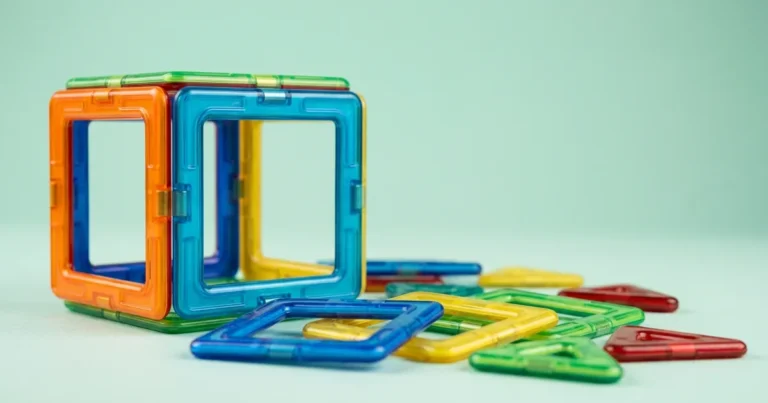
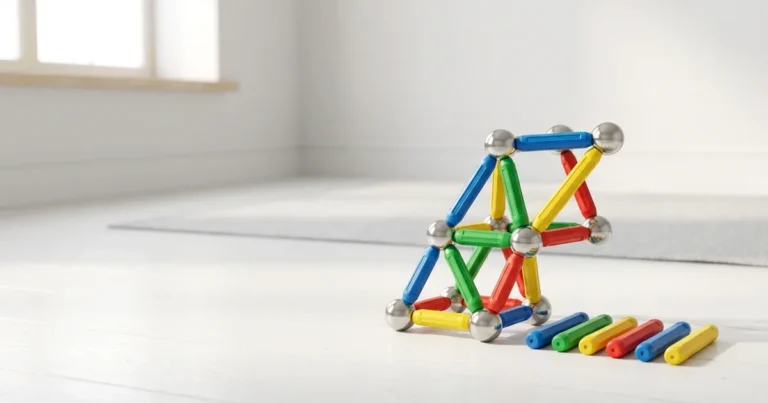
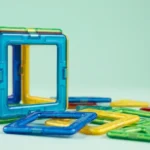
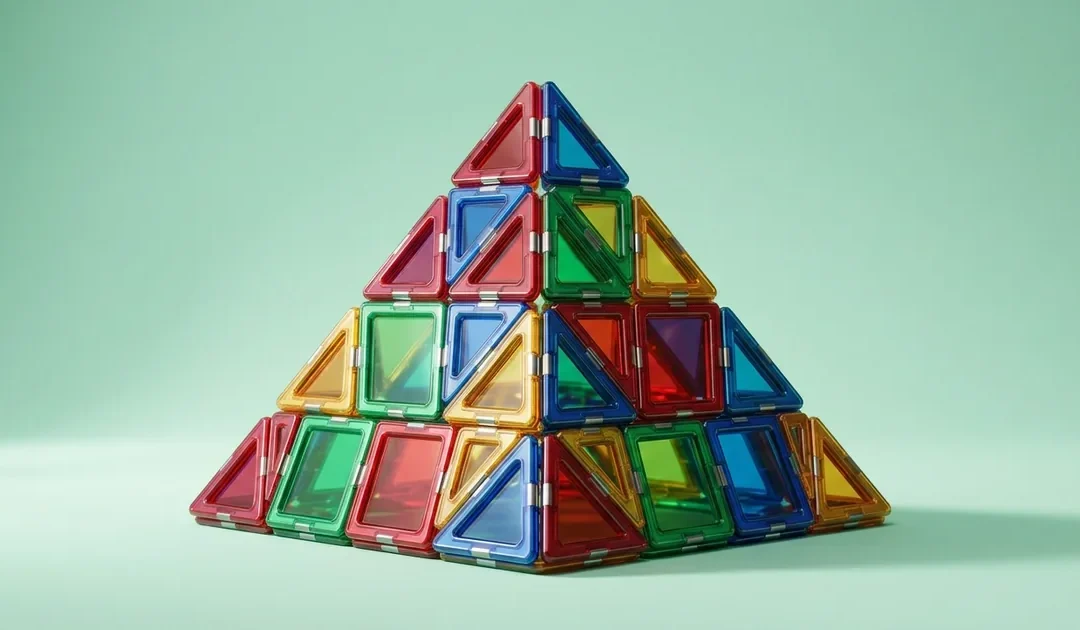
The best learning and educational toys do not have only one ‘correct’ way to play with them. A set of magnetic building pieces, for example, can become a bridge, a rocket, a zoo enclosure, or a pretend train station, depending entirely on your child’s imagination that day. Open-ended toys keep children engaged far longer than single-function gadgets because the challenge and novelty are self-generated.
2. It Matches the Child’s Developmental Stage
A toy that is too advanced causes frustration, and a toy that is too simple gets abandoned within a day. Good educational toys are designed with a specific age band in mind, factoring in hand strength, attention span, and cognitive readiness. That is why reputable toy collections are organised by age, such as our toys for ages 3 to 5 years and toys for ages 6 to 8 years, so parents can shop with confidence rather than guesswork.
3. It Builds a Real Skill, Not Just ‘Busy Time’
Ask yourself what skill the toy is actually building. Is it strengthening pincer grip and hand-eye coordination? Is it introducing cause and effect? Is it teaching colour recognition, counting, sorting, storytelling, or spatial reasoning? A toy earns the word ‘educational’ when you can clearly answer this question, not when the packaging simply says so.
4. It Is Safe by Design, Not by Luck
Safety is not a bonus feature, it is the foundation. Rounded edges, non-toxic paints, secure magnets, and age-appropriate small-part warnings should be checked every single time, regardless of brand reputation or price point.
Why Learning and Educational Toys Matter More in the Early Years
Between birth and age eight, a child’s brain develops faster than at any other point in life. Neural connections are being formed at an extraordinary rate, and hands-on play is one of the most powerful ways to strengthen those connections. Unlike passive screen time, physical toys require children to use their senses, test ideas, make mistakes, and try again, which is exactly how deep learning happens.
Research in early childhood development consistently points to the same conclusion: children who engage regularly in hands-on, manipulative play tend to show stronger problem-solving skills, better language development, and more confident social interaction by the time they start school. This is why many UAE nurseries and KG programmes now specifically ask parents to supplement classroom learning with structured play at home.
The Link Between Play and the Brain
When a toddler stacks blocks and watches them topple, their brain is processing gravity, balance, and cause and effect, all without a single worksheet. When a six-year-old sorts magnetic train carriages by colour and length, they are quietly practising classification and sequencing, both of which are foundational math skills. Educational toys essentially turn everyday play into a structured learning laboratory, and children do not even realise they are ‘studying’.
Why Hands-On Play Beats Passive Screens
Screens can entertain, but they rarely require a child to use fine motor muscles, problem-solve in three dimensions, or practise patience while something does not immediately work. Physical toys slow children down in a healthy way, teaching them to tolerate small frustrations, like a puzzle piece that does not fit the first time, which builds resilience that screens simply cannot replicate.
Learning and Educational Toys by Age Group
Different ages need very different kinds of stimulation. Here is a practical, age-by-age breakdown to help you choose with confidence.
Babies and Toddlers (0 to 2 Years)
At this stage, the goal is sensory exploration and gross motor development. Look for soft-edged shape sorters, textured balls, stacking cups, and simple cause-and-effect toys like push-button sound boxes. Everything should be large enough to avoid choking hazards, and materials should be free from harmful chemicals since babies explore the world through their mouths.
Early Preschoolers (3 to 5 Years)
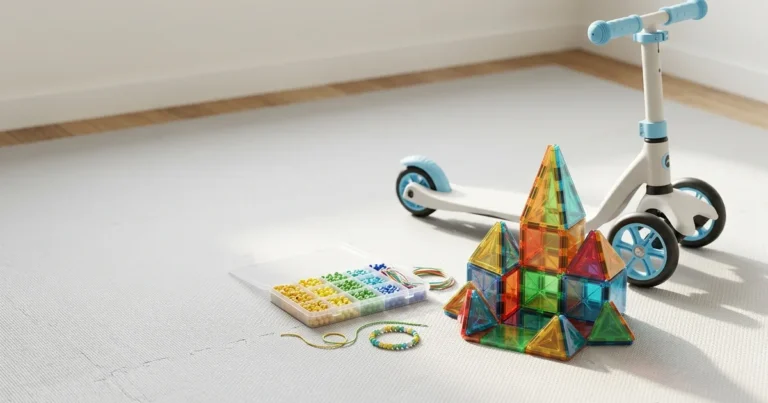
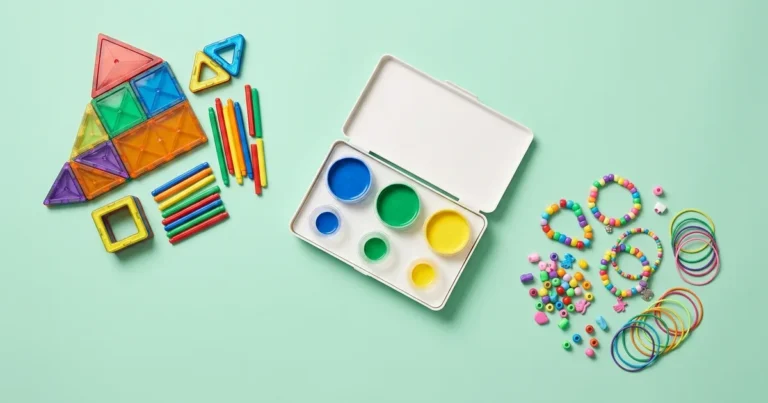
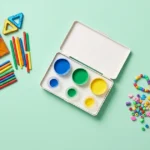
This is the golden age for imaginative and constructive play. Children in this bracket are developing language rapidly, learning to share, and beginning to understand numbers, letters, and shapes. Building sets, art supplies, and simple puzzles shine here. A magnetic building set is particularly valuable at this age because it combines fine motor practice with early geometry and spatial reasoning, all inside a fun, low-pressure format. Our Graflo Magnetic Train for Kids, 65 pieces, is designed exactly for this stage, with sturdy magnetic connections and bright colours that encourage children to build tracks, towers, and simple shapes independently or with a parent nearby. Messy, creative play also matters hugely in this window, which is why non-toxic art materials like our finger paint set in 12 colors is a favourite for building hand strength, colour recognition, and creative confidence, all while being formulated to be safe for little hands and easy to wash off skin and clothing.
Early Primary Years (6 to 8 Years)
Children at this age are ready for more complex challenges, longer attention spans, and projects they can return to over several days. This is the ideal time to introduce bigger construction sets that require planning, sequencing, and problem-solving. Our magnetic train set for kids, 178 pieces (also listed at this link) gives older children far more pieces to design multi-track layouts, junctions, and stations, which supports more advanced spatial planning and encourages cooperative play with siblings or friends. You can browse our full curated range for this stage under toys for ages 6 to 8 years.
Types of Learning and Educational Toys Worth Investing In
Rather than buying toys at random, it helps to think in categories, because each type of toy targets a different developmental muscle.
Building and Construction Toys
Magnetic tiles, interlocking blocks, and track-based building sets are some of the most reliable educational toys available, because they combine engineering thinking with creativity. Children learn balance, symmetry, and planning, and because these sets are reusable in endless configurations, they rarely get boring the way single-purpose toys do. Magnetic train sets, in particular, are excellent because they layer two skills at once, spatial construction and narrative pretend play, as children build a track and then invent a story about where the train is going.
Art and Sensory Toys
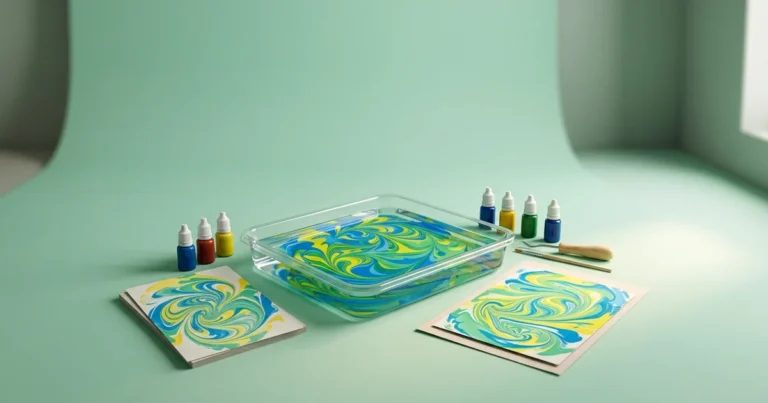
Finger paints, chunky crayons, playdough, and textured sensory bins support fine motor development and emotional expression. Art is also one of the few activities where there is no ‘wrong answer’, which helps build a child’s confidence and self-esteem in a low-pressure way. Choosing non-toxic, washable, dermatologically tested paint is essential here, especially for children under six who may still put fingers near their mouths during play.
Puzzles and Logic Toys
Jigsaw puzzles, shape sorters, and matching games build visual discrimination and problem-solving patience. Puzzles are also a quiet, screen-free activity that many parents find useful for winding down before nap time or bedtime.
Pretend Play and Role-Play Toys
Play kitchens, doctor kits, and dress-up sets help children process real-world experiences and build empathy and vocabulary. Role-play is one of the most powerful tools for social-emotional learning because children rehearse real conversations and scenarios in a safe, imaginative setting.
STEM and Early Science Toys
Simple gear sets, magnetic experiments, and basic building-with-purpose kits introduce children to engineering and physics concepts years before they encounter the formal vocabulary in school. These toys are especially valuable for children who show curiosity about how things work.
How to Choose Safe Learning and Educational Toys
Safety should never be an afterthought, and in the UAE, parents have access to good information if they know what to check before adding an item to the cart.
Check for Age Labelling and Small Parts Warnings
Always match the toy to your child’s actual age and developmental stage, not just their chronological age. A toy marked for ages 3 and up typically contains small, detachable parts that are unsafe for a younger sibling who might still be exploring objects by mouth.
Look for Non-Toxic, Certified Materials
Paints, plastics, and finishes should be free from harmful substances like lead, phthalates, and BPA. This matters most for art supplies and anything that touches a child’s skin directly, and it is one of the reasons we formulate products like our finger paint range specifically with young children’s safety in mind.
Inspect Magnetic Toys Carefully
Magnetic building toys are wonderful for learning, but magnets must be securely embedded and strong enough not to detach with normal play and chewing. Always buy from brands that clearly state their magnets are securely sealed inside the pieces, and periodically inspect pieces for cracks or wear, especially if toys are shared across multiple children or handed down from an older sibling.
Avoid Sharp Edges and Breakable Components
Run your hand along the edges of any new toy before giving it to your child. Rounded corners and smooth finishes reduce the risk of cuts and splinters, particularly important for wooden or hard plastic construction toys.
Supervise Younger Siblings Around Older Children’s Toys
One of the most overlooked safety issues in multi-child households is a toddler getting hold of an older sibling’s toy that contains small magnets or pieces. If you have children in different age brackets, consider storing more advanced sets, like a 178-piece magnetic train, somewhere only accessible during supervised play, and keep simpler, larger-piece toys available for the younger child’s independent play.
How Educational Toys Build Specific Skills
It helps to connect toy categories directly to the skills they build, so you can shop with intention rather than guesswork.
Fine Motor Skills
Picking up small magnetic pieces, gripping a paintbrush, or snapping building blocks together all strengthen the small muscles in a child’s hands and fingers, which later support handwriting and self-care tasks like buttoning a shirt.
Gross Motor Skills
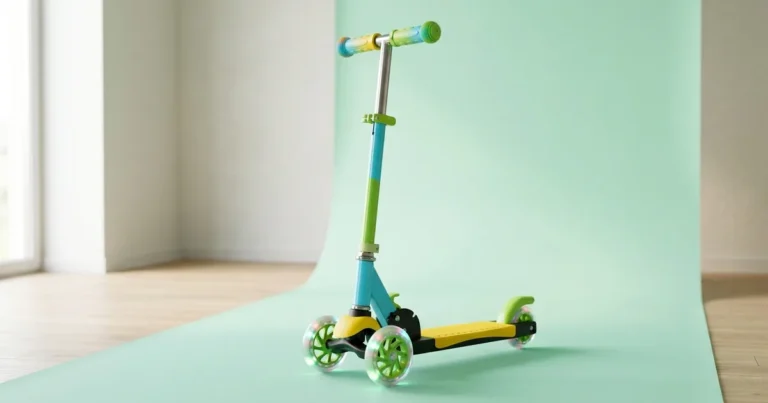
Larger building sets, ride-on toys, and floor-based construction encourage children to move, crawl, reach, and balance, which supports overall physical coordination and core strength.
Cognitive and Problem-Solving Skills
Puzzles, sorting games, and construction sets all require a child to plan, predict outcomes, and adjust their approach when something does not work, which is the earliest form of critical thinking.
Language and Communication Skills
Pretend play, storytelling props, and toys that encourage parents to narrate play (for example, describing colours and shapes while building a magnetic train track) significantly boost vocabulary and sentence structure, particularly in bilingual households common across the UAE.
Social and Emotional Skills
Sharing building pieces with a sibling, taking turns painting, or negotiating who gets to ‘drive’ the pretend train all teach patience, cooperation, and emotional regulation in a natural, low-stakes setting.
Setting Up a Simple Learning Corner at Home
You do not need a dedicated playroom to encourage rich, educational play. A small, organised corner of a bedroom or living room is enough, as long as it is set up thoughtfully.
Keep Toys Visible and Accessible
Store toys in open bins at your child’s height rather than in closed boxes on high shelves. Children are far more likely to choose constructive play, like building a magnetic track, when the materials are visible and easy to reach independently.
Rotate Toys Regularly
Instead of leaving every toy out at once, rotate a smaller selection every few weeks. This keeps toys feeling fresh and prevents the overwhelm that often leads children to flit between items without engaging deeply with any of them.
Pair a Quiet Activity with a Building Activity
A simple, effective setup is to have one quiet table activity, such as finger painting or puzzles, and one floor-based construction activity, such as a magnetic train set, available at all times. This balances fine motor, creative, and spatial skill-building across a single play session.
Protect Surfaces for Messy Play
For art activities, a washable mat or old tablecloth under the play area makes clean-up stress-free, which in turn makes parents more willing to say yes to creative, messy play more often.
Common Mistakes Parents Make When Buying Educational Toys
Buying Too Many Toys at Once
A cluttered toy box overwhelms children and actually reduces the quality of play. It is far better to invest in a smaller number of high-quality, versatile toys than to accumulate dozens of single-purpose items.
Choosing Toys That Are Too Advanced ‘For the Future’
It is tempting to buy a toy a size up so your child ‘grows into it’, but a toy that is too complex at the wrong age usually gets ignored and later forgotten, rather than saved for later enjoyment. It is almost always better to match the current developmental stage and upgrade as your child grows, moving confidently from our ages 3 to 5 years collection into the ages 6 to 8 years collection when they are genuinely ready.
Ignoring Your Own Child’s Interests
The ‘best’ educational toy on paper is meaningless if your particular child has no interest in it. Watch what naturally draws your child in, whether it is trains, art, sorting, or pretend cooking, and lean into that interest with higher-quality versions of toys they already love.
Overlooking Storage and Longevity
Toys made from durable materials with sturdy connections, like well-made magnetic building pieces, last through years of play and can often be passed down to younger siblings, offering far better long-term value than toys with flimsy components.
Budgeting for Educational Toys in AED
Investing in educational toys does not need to break the budget. A smart approach for UAE families is to think in terms of value per play-hour rather than price alone. A well-made magnetic building set in AED that gets used daily for two years offers significantly better value than a cheaper, flashier toy that is abandoned within a week. When planning a toy budget, consider allocating funds across a few core categories, such as one construction or building set, one art or sensory set, and one pretend-play item, rather than spreading the budget thinly across many low-quality impulse purchases.
Spacing Out Purchases Around Milestones
Many UAE parents find it helpful to introduce new educational toys around natural milestones, such as a birthday, the start of a new school term, or a long weekend, so that toys feel special and are met with genuine excitement and focused attention rather than being lost among a pile of unopened items.
Bringing It All Together: A Simple Checklist Before You Buy
Before adding any toy to your cart, run through this short checklist:
Is it age-appropriate for my child’s current stage, not just their age in years? Is it made from non-toxic, safely certified materials? Does it have secure, well-sealed components if it includes magnets or small parts? Does it build a clear skill I can name, such as fine motor control, spatial reasoning, or language development? Will my child realistically play with it more than once or twice? If you can answer yes to each of these, you are very likely holding a toy worth bringing home.
Conclusion
Learning and educational toys are far more than a way to keep children occupied, they are quiet, powerful tools that support brain development, confidence, and safe exploration at every single stage of early childhood. By choosing toys that match your child’s age, encourage open-ended play, and meet strict safety standards, you are giving them far more than entertainment, you are giving them the building blocks, sometimes quite literally, for lifelong curiosity and confident learning. Whether you start with a simple magnetic train set, a set of washable finger paints, or a curated age-based collection, the most important step is simply choosing toys with intention, safety, and your own child’s unique interests at the centre of every decision.
Frequently Asked Questions
What age should children start using learning and educational toys?
Children can benefit from simple learning and educational toys from birth, starting with soft sensory items and stacking toys. As they grow, you can gradually introduce more structured options, moving into our age-based collections such as toys for ages 3 to 5 years and toys for ages 6 to 8 years as their skills and attention span develop.
Are magnetic building toys safe for young children?
Magnetic building toys can be very safe when the magnets are securely sealed inside sturdy pieces and the set is matched to your child’s age group. Always supervise younger siblings around sets designed for older children, and regularly inspect pieces for cracks or wear before allowing continued play.
How many educational toys does a child actually need?
Quality matters far more than quantity. A smaller rotation of versatile, well-made toys, such as one construction set, one art activity, and one pretend-play item, tends to support deeper, more focused play than a large collection of single-purpose toys.
Can educational toys really replace screen time?
Hands-on educational toys cannot replace every function of a screen, but they offer unique benefits screens cannot, including fine motor development, three-dimensional problem-solving, and patience-building through trial and error. Many parents find that offering an engaging physical toy naturally reduces screen requests over time.
What should I check before buying an educational toy in the UAE?
Look for clear age labelling, non-toxic and certified-safe materials, securely sealed components for anything with magnets, and a clear developmental benefit you can name, such as improved hand-eye coordination or early counting skills. Matching the toy to your child’s actual developmental stage is more important than the age printed on the box.