Last updated: August 23, 2026
Choosing the best interactive toys for preschoolers is about far more than filling a toy box. Between the ages of three and five, a child’s brain is forming roughly a million new neural connections every second, and the toys they touch, stack, sort, and squeeze during this window play a real role in shaping how they think, speak, and manage their emotions. As a parent in the UAE, you also have to weigh safety first, small parts, chemical-free materials, sturdy construction, before you weigh fun. This guide walks through exactly how to do both, with practical, real-world recommendations you can act on today.
Why Interactive Toys Matter So Much for Preschoolers
An “interactive” toy is any toy that responds to a child’s actions and invites them to keep exploring, whether that response comes from a magnet clicking into place, a puzzle piece fitting home, or a paintbrush leaving a mark on paper. Unlike passive toys that simply sit and look pretty, interactive toys turn play into a two-way conversation between the child and the object in their hands. That conversation is where real learning happens.
What “Interactive” Really Means at This Age
For a three to five year old, interactivity does not need batteries or screens. In fact, some of the most powerful interactive toys for this age group are refreshingly simple: magnetic tiles that snap together, chunky puzzle pieces, textured sensory balls, or a set of finger paints that reward every swipe with a burst of colour. What matters is that the toy gives immediate, understandable feedback and invites the child to try again, adjust, and experiment. This kind of trial-and-error play builds problem-solving skills long before a child can explain what a “problem” even is.
The Developmental Payoff Parents Should Know About
Research in early childhood development consistently points to a handful of key benefits from hands-on interactive play:
- Fine motor development: Pinching small magnetic pieces, gripping a paintbrush, or twisting a puzzle knob strengthens the small hand muscles children need later for writing.
- Language growth: Naming shapes, colours, and actions during play (“the train is going under the bridge!”) builds vocabulary naturally, without flashcards or drills.
- Emotional regulation: Toys that require a little patience, like completing a puzzle or building a tall tower, teach children to manage frustration and celebrate small wins.
- Social skills: Many interactive toys are more fun with a sibling, parent, or friend, which naturally builds turn-taking and cooperation.
- Early STEM thinking: Cause-and-effect toys, like magnetic building sets, introduce basic physics and engineering concepts through play, not lectures.
The Safety-First Checklist Every Parent Should Use
Before any toy earns a place on your child’s shelf, it should pass a simple safety check. This matters even more in the UAE’s warm climate, where toys are often used both indoors and on balconies or in gardens.
- Age labelling: Always check the manufacturer’s recommended age range and take it seriously, especially warnings about small parts for children under three.
- Material safety: Look for toys made from BPA-free plastics, non-toxic paints, and food-grade or child-safe finishes, particularly for anything that might end up in a child’s mouth.
- Sturdy construction: Gently test magnetic pieces, wheels, or joints. Nothing should snap off easily or leave sharp edges.
- Washable and durable: Preschoolers are messy by nature. Toys that can be wiped clean or washed hold up far better over months of daily play.
- No strong odours: A chemical smell straight out of the box is a red flag. Quality toys should smell neutral or only faintly of their base material.
What to Look For When Choosing Interactive Toys for Preschoolers
With so many options on shelves and online, it helps to have a simple framework rather than chasing every trending toy. Here is what actually matters when you are standing in front of a shelf trying to decide.
Match the Toy to the Actual Age, Not Just the Box Age
Every child develops at their own pace, so use the age label as a starting point, not a rulebook. A toy designed for children in the 3 to 5 years age group should have larger pieces, simpler mechanisms, and forgiving rules, while a toy for the 6 to 8 years age group can introduce smaller components, multi-step building, and more complex problem-solving. If your child is on the younger or older end of a range, watch how they engage with the toy in the first few sessions and adjust accordingly.
Favour Open-Ended Play Over Single-Purpose Toys
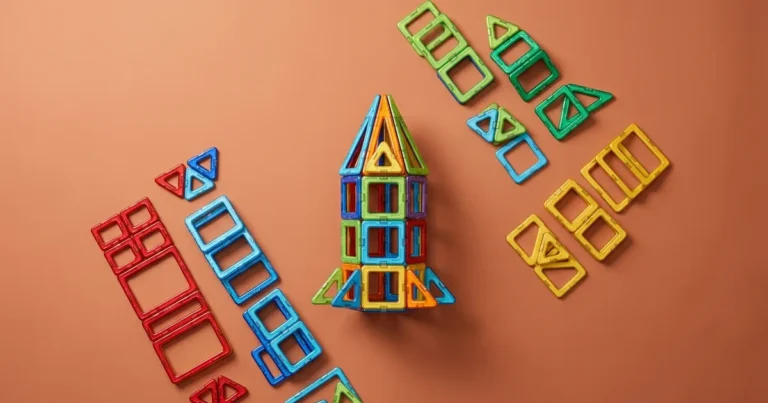
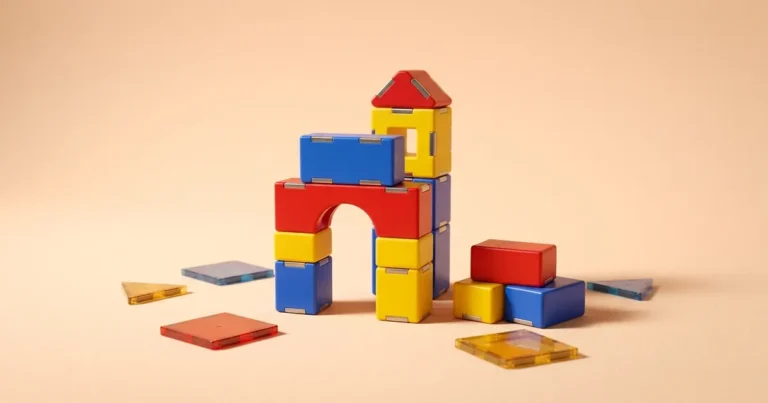
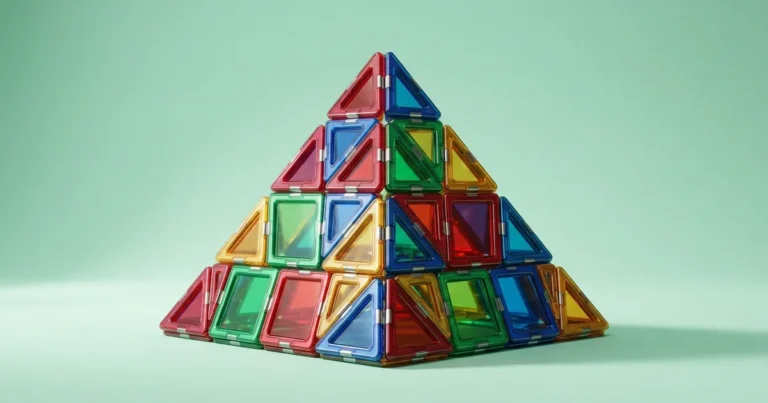
A toy that can only be used one way, press a button, hear a sound, is fun for a week and then forgotten. Open-ended toys, like magnetic building blocks or a simple set of finger paints, can be reinvented endlessly: a magnetic tile set can become a house one day and a rocket ship the next. This kind of flexible play keeps children engaged for months rather than days, and it stretches their imagination rather than limiting it to one script.
Prioritise Toys That Encourage Movement and Building, Not Just Watching
Many toys marketed as “interactive” today are actually screen-based or light-and-sound gadgets that a child mostly watches rather than manipulates. The strongest interactive toys for preschoolers put the action in the child’s hands: snapping pieces together, mixing colours, sorting shapes, or physically building something from nothing. This hands-on, screen-free approach is especially valuable in a preschooler’s day, balancing out the passive screen time that is already common at home.
Check for Easy Cleanup and Storage
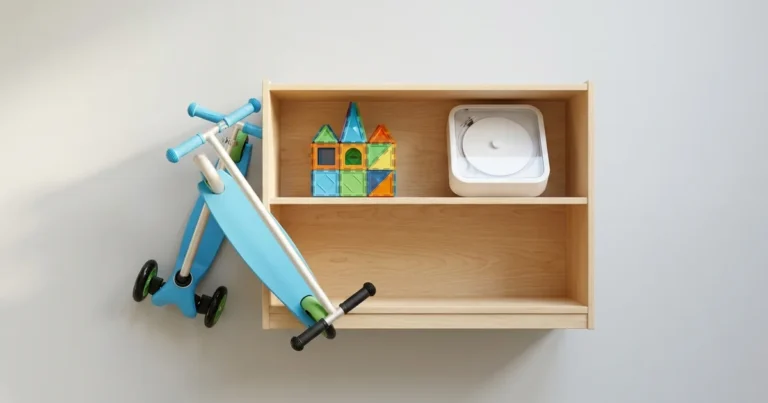
As a practical parent, you already know that a toy which takes twenty minutes to tidy away will quietly get abandoned. Look for toys that come with their own storage box or bag, or that naturally sort into simple categories a preschooler can manage themselves. Teaching a child to pack away their own magnetic set or puzzle box is also a quiet lesson in responsibility.
Best Categories of Interactive Toys for Preschoolers in 2026
Rather than chasing individual product names, it helps to think in categories. Each category below builds a different set of skills, and a well-rounded toy shelf usually includes a mix of two or three of these.
Magnetic Building and Construction Toys
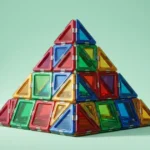
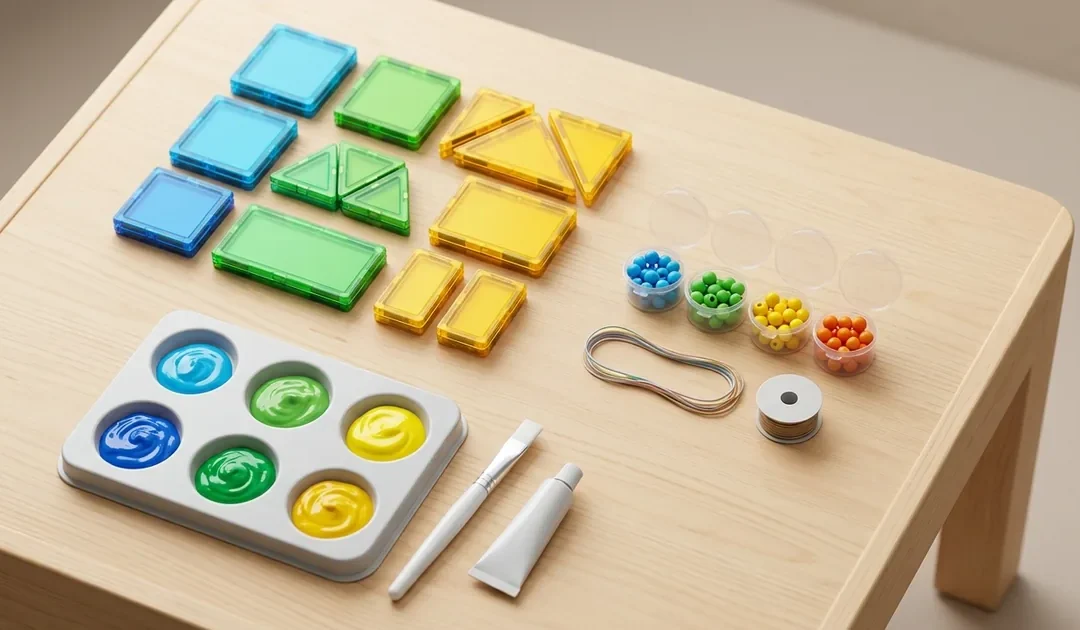
Magnetic construction toys remain one of the strongest categories for preschoolers because they combine cause-and-effect feedback (the satisfying click of magnets connecting) with open-ended creativity. A child can build a simple tower on their first try and, months later, use the same set of pieces to build a whole magnetic city. Sets like the Graflo Magnetic Train Set (65 pieces) are a great entry point for younger preschoolers, offering enough variety to build tracks, bridges, and simple scenes without overwhelming a first-time builder. As children grow in confidence and fine motor control, a larger set such as the Magnetic Train Set (178 pieces) gives them room to plan bigger, multi-part builds, which is ideal for the upper preschool years heading into early primary school.
What makes magnetic building toys especially valuable is that they scale with the child. A three-year-old might simply enjoy connecting two pieces together and watching them snap. By five, that same child is planning routes for a magnetic train, problem-solving how to balance a bridge, and negotiating with a sibling over who gets which piece. Few toy categories offer this much developmental runway from one purchase.
Sensory and Creative Art Toys
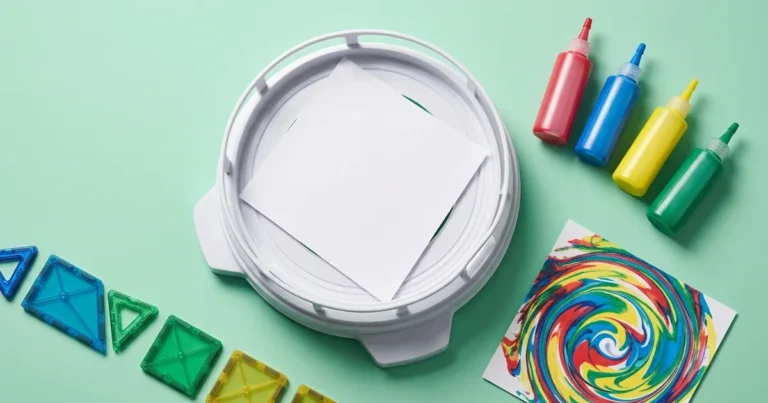
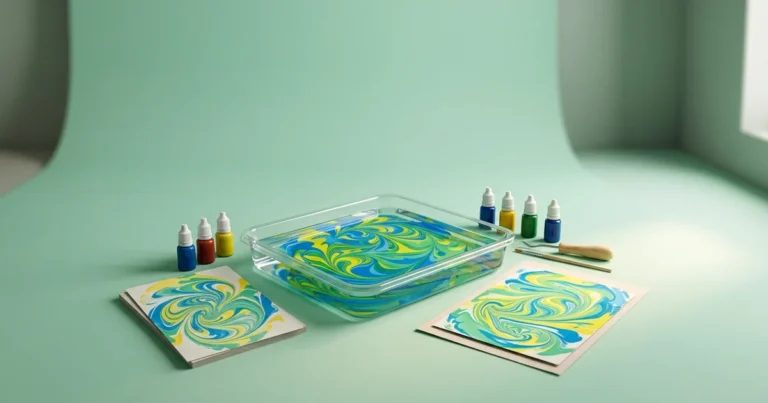
Art-based interactive toys give preschoolers a direct, immediate way to see their actions create something real on paper. Finger painting in particular is one of the most recommended sensory activities by early childhood educators, because it requires no tools between the child’s hand and the page, just their fingers, some colour, and their imagination. A set like Finger Paint for Kids (12 Colours) gives children a wide palette to experiment with colour mixing, texture, and self-expression, all while strengthening the small hand muscles used later for writing. Always choose paints labelled as non-toxic and washable, since preschoolers rarely stay inside the lines, literally or figuratively, and clothes, tables, and walls should wipe clean without a fight.
Beyond finger paints, other sensory toys worth considering include kinetic sand, textured sorting toys, and simple stamping kits. The common thread is that the child’s own movement directly produces a visible, satisfying result, which keeps them engaged far longer than a toy that does the work for them.
Pretend Play and Role Play Toys
Preschoolers are natural storytellers, and pretend play toys, play kitchens, doctor kits, dress-up costumes, give them a stage to act out the world they see around them. This category builds language skills rapidly, since children narrate their own play out loud, and it also builds empathy as they take on different roles, whether that is being “the doctor,” “the mummy,” or “the shopkeeper.” Look for role play sets with soft, rounded pieces and fabric that can be machine washed, since these toys get heavy daily use once a child falls in love with a particular game.
Puzzles and Problem-Solving Toys
Puzzles are a quietly powerful interactive toy because they give a clear goal (finish the picture) with a clear feedback loop (a piece either fits or it doesn’t). For three-year-olds, chunky wooden puzzles with four to eight large pieces are ideal. By five, children can typically handle 24 to 48 piece puzzles with more detailed images. Puzzles also teach patience and persistence in a low-pressure way, since a child can walk away and come back to an unfinished puzzle without losing progress, which is a valuable emotional lesson in itself.
Early STEM and Learning Toys
Simple STEM toys, gear sets, basic counting toys, shape sorters, and cause-and-effect building kits, introduce early science and maths concepts through play rather than instruction. A preschooler stacking blocks by size is quietly learning about sequencing and comparison. A child turning gears to make a wheel spin is learning about mechanics. These toys work best when they are hands-on and forgiving, allowing a child to experiment freely without a “right” or “wrong” way to play.
Top Interactive Toy Picks by Age Group
Because a three-year-old and a five-year-old are at very different developmental stages, it helps to break recommendations down by age band rather than treating “preschooler” as one single stage.
For Ages 3 to 5 Years
At this stage, prioritise toys with larger pieces, simple mechanisms, and generous room for error. A good starting shelf for this age group, many of which you can browse directly in our 3 to 5 years collection, typically includes:
- A beginner magnetic building set, such as the 65-piece Graflo Magnetic Train Set, for early construction play.
- A set of washable finger paints for sensory, screen-free creative time.
- A chunky wooden or foam puzzle with large, easy-to-grip pieces.
- A simple pretend play prop, such as a toy kitchen set or a doctor’s kit.
- A basic shape sorter or stacking toy for early problem-solving.
At this age, sessions of focused play are often short, ten to fifteen minutes is completely normal, so rotating a small number of toys regularly keeps interest high without overwhelming a young child with too many choices at once.
Growing Up: Ages 6 to 8 Years
Once children move past the preschool years and into early primary school, they are ready for more complex building, longer attention spans, and multi-step challenges. This is a natural point to introduce a bigger magnetic set, such as the 178-piece Magnetic Train Set, which allows for more ambitious builds and encourages planning ahead rather than simple trial and error. You will also find a wider range of age-appropriate options in our 6 to 8 years collection, including more advanced puzzles, construction kits, and creative sets designed for growing hands and growing imaginations.
Transitioning gradually rather than all at once tends to work best. Many parents find that keeping one or two familiar favourite toys, like a magnetic set the child already loves, while introducing new, slightly more complex toys alongside them, helps a child build confidence rather than feeling suddenly out of their depth.
How to Introduce Interactive Toys at Home
Bringing home the right toy is only half the job. How you introduce and support that toy at home has a big impact on how much your child actually benefits from it.
Set Up a Safe, Dedicated Play Space
Choose a spot in your home with a flat, clean surface and enough room for your child to spread pieces out without tripping hazards nearby. A soft rug or play mat is especially useful for magnetic building toys and puzzles, since it cushions any dropped pieces and gives clear boundaries for where play happens. For messier activities like finger painting, lay down a washable mat or old newspaper first, and keep a damp cloth nearby so cleanup feels like a natural, calm part of the activity rather than a scramble.
Rotate Toys Instead of Offering Everything at Once
It is tempting to keep every toy accessible all the time, but preschoolers actually engage more deeply when they have fewer choices in front of them. Try storing two thirds of your child’s toys out of sight and rotating them every couple of weeks. A magnetic building set that has been “away” for a month often gets rediscovered with fresh enthusiasm, almost like a new toy, simply because the novelty has had time to reset.
Play Alongside Your Child, Not Just Near Them
The biggest developmental boost from any interactive toy often comes from a parent’s involvement, not the toy itself. Sitting down to build a magnetic train track together, asking open-ended questions (“What do you think will happen if we add another wheel?”), or simply narrating your own play alongside your child, models language, patience, and problem-solving in a way no toy can replicate alone. Even ten minutes of focused, screen-free play together each day builds connection and reinforces everything the toy is designed to teach.
Let Your Child Lead the Play
It is natural to want to “show” a child the right way to build something or the correct way to hold a paintbrush, but preschoolers learn best through their own experimentation. Resist the urge to correct every attempt. If a magnetic tower keeps falling, let your child feel the small frustration and try again rather than immediately stepping in to fix it. This builds resilience and a genuine sense of achievement when they finally get it right on their own.
Common Mistakes Parents Make When Choosing Interactive Toys
Even well-meaning parents can fall into a few common traps when shopping for preschool toys. Watching out for these can save both money and frustration.
- Buying based on packaging alone: Bright, exciting packaging does not always mean an engaging toy. Read a few reviews or check the actual play mechanism before buying.
- Ignoring the age range: A toy marketed for older children may contain small parts unsafe for a younger sibling in the same household, so always consider everyone who will have access to the toy.
- Overbuying at once: A shelf overflowing with toys often leads to less engagement, not more, as children struggle to choose and end up flitting between options without focus.
- Choosing only screen-based “interactive” toys: Not every interactive toy needs a battery. Hands-on toys like magnetic building sets and finger paints often provide richer developmental value than electronic alternatives.
- Skipping the safety check: It is easy to assume a popular toy is automatically safe. Always verify material safety and check for loose or breakable parts yourself, especially with toys bought secondhand or from unfamiliar sellers.
Budgeting for Quality Interactive Toys in the UAE
Quality interactive toys do not need to cost a fortune, but it is worth understanding roughly what to expect so you can budget sensibly. Simple sensory toys, such as a set of finger paints, are typically an affordable entry point, often available for under AED 100, making them an easy way to introduce creative, screen-free play without a big investment. Mid-sized magnetic building sets, like a 65-piece starter set, generally sit in a moderate price range, while larger, more elaborate sets designed for extended, multi-session building tend to cost more, reflecting the greater number of pieces and the additional years of play they typically provide.
A useful rule of thumb is to think in terms of cost per hour of engagement rather than the sticker price alone. A higher-priced magnetic building set that gets used almost daily for two years often works out far better value in AED terms than a cheaper toy that loses its appeal within a week. When budgeting, it can help to invest a little more in one or two open-ended, high-engagement toys (such as a quality magnetic set) and balance that with smaller, lower-cost additions like art supplies or puzzles that refresh play variety without a large outlay.
Building a Well-Rounded Toy Collection
Rather than searching for one single “best” toy, the strongest approach is to build a small, balanced collection that covers different developmental areas: one construction or building toy, one creative or sensory toy, one pretend play item, and one puzzle or problem-solving toy. This kind of variety ensures your child is exercising fine motor skills, language, creativity, and logical thinking across the week, rather than repeating the same type of play every day. It also naturally extends the life of your existing toys, since a child who has other outlets for creativity is less likely to get bored of any single item too quickly.
As your child moves from the 3 to 5 years stage into the 6 to 8 years stage, revisit this collection every few months. Toys that were once challenging will become easy, and it is worth swapping in slightly more advanced versions, larger magnetic sets, more detailed puzzles, or more complex pretend play scenarios, to keep pace with your child’s growing abilities.
Conclusion
The best interactive toys for preschoolers are the ones that are safe enough to hand over without worry, simple enough for a three-year-old to enjoy on day one, and flexible enough to keep challenging a five-year-old months later. Magnetic building sets, washable finger paints, sturdy puzzles, and open-ended pretend play toys consistently deliver the strongest mix of safety, engagement, and developmental value for this age group. Start with a small, thoughtful collection, rotate it regularly, get down on the floor to play alongside your child whenever you can, and let their curiosity lead the way. The right toys, chosen with care, do more than fill an afternoon, they quietly build the confidence, language, and problem-solving skills your child will carry with them well beyond the preschool years.
Frequently Asked Questions
What age should a child start using interactive toys like magnetic building sets?
Most magnetic building toys are designed for children aged 3 and above, once they are past the stage of putting every small object in their mouth. Always check the packaging for the specific recommended age range and supervise younger children closely during early play sessions.
Are magnetic toys safe for preschoolers?
Quality magnetic building sets designed for preschoolers use securely encased magnets and sturdy pieces that resist breaking apart. Always choose sets from a trusted source, check pieces regularly for wear, and supervise very young children, since loose or damaged magnets can pose a swallowing risk.
How many interactive toys does a preschooler actually need at home?
Quality matters far more than quantity. A small, rotating collection of four to six well-chosen toys, covering building, creativity, pretend play, and puzzles, keeps engagement higher than a large pile of toys a child rarely uses in depth.
Is finger painting messy and hard to clean up for a preschooler?
It can be, but choosing washable, non-toxic finger paints and laying down a protective mat or newspaper beforehand makes cleanup simple. Most washable finger paints wipe easily off skin, tables, and most fabrics with soap and water.
What is the difference between toys for ages 3 to 5 and ages 6 to 8?
Toys for ages 3 to 5 typically feature larger pieces, simpler mechanisms, and shorter play sessions, while toys for ages 6 to 8 introduce smaller components, multi-step building, and more complex problem-solving to match a child’s growing attention span and fine motor skills.