

Last updated: August 12, 2026
Every parent in the UAE has watched a child turn a cardboard box into a spaceship, a castle, or a race car. That spark, the moment a plain object becomes something magical in a child’s mind, is exactly what the best toys for promoting creativity are designed to protect and grow. This guide is built for parents who want more than flashy packaging. It focuses on toys that are genuinely safe, age-appropriate, and proven to nurture imagination, problem-solving, and confident self-expression, whether your child is eighteen months old or heading into primary school.
We will walk through why creativity matters so much in early development, what actually makes a toy ‘creative’ rather than just entertaining, the safest and most effective toy categories by age group, and practical tips to bring more open-ended play into your home in Dubai, Abu Dhabi, Sharjah, or anywhere across the Emirates. By the end, you will have a clear, safety-first shopping list you can trust.
Why Creativity Matters So Much in Early Childhood
Creativity is not a talent reserved for artists and musicians. In early childhood, creativity is a foundational cognitive skill that supports language development, emotional regulation, problem-solving, and even mathematical reasoning later in school. When a child pretends a wooden block is a phone, or builds a wobbly tower and figures out how to fix it, they are practicing flexible thinking, something researchers call divergent thinking. This is the ability to generate multiple solutions to a single problem, and it is one of the most valuable skills a child can carry into adulthood.
Pediatric development experts consistently point out that open-ended, imaginative play strengthens the prefrontal cortex, the part of the brain responsible for planning, decision-making, and self-control. Unlike passive entertainment, creative play requires a child to be an active participant, making choices, testing ideas, and learning from mistakes in a low-stakes, joyful environment. This is precisely why choosing the right toys matters so much for parents who want to give their children a genuine developmental advantage, not just a way to pass the time.
The Link Between Creative Play and Emotional Wellbeing
Beyond cognitive growth, creative play gives children a safe outlet to process big feelings. A child who is nervous about starting a new nursery might act out that scenario with pretend play figures. A child who felt frustrated at the park might paint with bold, fast strokes to release that energy. Toys that allow this kind of open expression, rather than toys with only one ‘correct’ way to play, give children an emotional release valve that is both healthy and age-appropriate.
Creativity as a Long-Term Life Skill
In a rapidly changing world, the ability to think creatively is increasingly recognized as essential for future careers, not just artistic ones. Engineers, doctors, entrepreneurs, and educators all rely on creative problem-solving daily. By investing in the best toys for promoting creativity now, parents are quietly building a foundation of adaptable, innovative thinking that will serve their children for decades, long after the toy itself has been outgrown.
What Actually Makes a Toy ‘Creative’? A Parent’s Checklist
Not every toy labeled ‘educational’ or ‘creative’ truly delivers on that promise. As a parent, it helps to know exactly what to look for on the shelf or in an online listing. Here are the core qualities that separate genuinely creativity-boosting toys from toys that simply keep hands busy.
1. Open-Ended Play Value
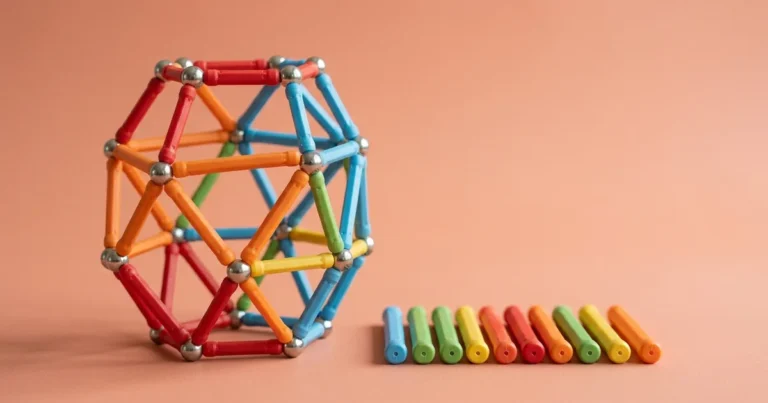
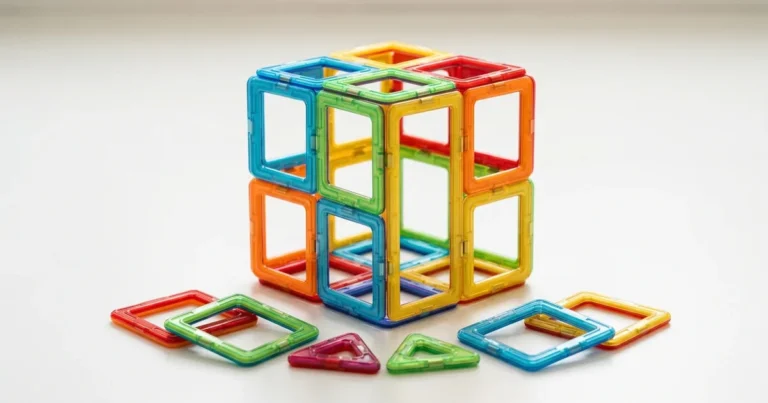
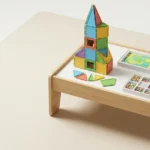
The single most important feature of a creativity-building toy is open-endedness. This means the toy does not have one fixed outcome. A toy car that only drives in circles has limited creative potential. Magnetic building tiles, on the other hand, can become a house, a robot, a bridge, or a spaceship, all from the same set. Open-ended toys grow with your child, offering new possibilities as their imagination and motor skills develop.
2. Encourages Process Over Product
The best creative toys focus on the journey, not a perfect finished result. Art supplies like finger paint are a wonderful example, there is no wrong way to finger paint, and the joy comes from the sensory experience and the exploration of color and texture, not from producing a gallery-worthy masterpiece.
3. Multi-Sensory Engagement
Toys that engage sight, touch, and sometimes sound and smell tend to spark richer imaginative play than toys that only look impressive. Textured art materials, snap-together magnetic pieces with satisfying clicks, and toys with varied shapes and weights all give children more sensory information to build stories and ideas around.
4. Age-Appropriate Challenge Level
A toy that is too simple gets abandoned quickly, while a toy that is too advanced causes frustration instead of creative flow. The best creativity toys sit in what child development specialists call the ‘zone of proximal development,’ challenging enough to require effort and problem-solving, but achievable enough that a child feels capable and motivated to keep exploring.
5. Safety-Certified Materials and Construction
No matter how imaginative a toy is, it must first be safe. Look for toys that are free from small detachable parts for younger children, made from non-toxic, BPA-free materials, and manufactured with rounded edges and secure components that will not break apart during enthusiastic play. This is non-negotiable, and it is the first filter every parent should apply before considering anything else on this list.
Best Toys for Promoting Creativity, Organized by Age Group
Creativity looks different at every stage of childhood. A toddler explores creativity through sensory discovery, while a seven-year-old is ready for complex construction and storytelling. Below is a breakdown of the best toy categories for each key age range, with safety notes and developmental context for every stage.
Ages 1 to 3: Sensory Exploration and Early Imagination
At this stage, creativity begins with the senses. Toddlers learn about the world by touching, stacking, dumping, and repeating actions over and over. The best toys here are simple, sturdy, and forgiving of imperfect coordination.
- Chunky building blocks: Large, easy-to-grip blocks let toddlers experiment with balance and cause-and-effect without frustration.
- Soft sensory balls and textured toys: These support tactile exploration, an early form of creative discovery.
- Simple pretend play sets: Toy kitchens, soft animal figures, and play telephones introduce the earliest forms of imaginative storytelling.
- Large crayons and washable paints: Early mark-making, even scribbles, is a genuine creative milestone and should be celebrated, not corrected.
For families ready to introduce slightly more structured creative play, browsing a curated collection for this age can help. Our toys for ages 3 to 5 years collection includes several gentle stepping-stone options suitable for advanced toddlers nearing their third birthday.
Ages 3 to 5: Storytelling, Building, and Early Art
Preschoolers are entering what child psychologists call the golden age of pretend play. Their imaginations are vivid, their vocabulary is expanding rapidly, and they are eager to build elaborate scenarios with toys as props. This is the perfect age to introduce more sophisticated open-ended toys.
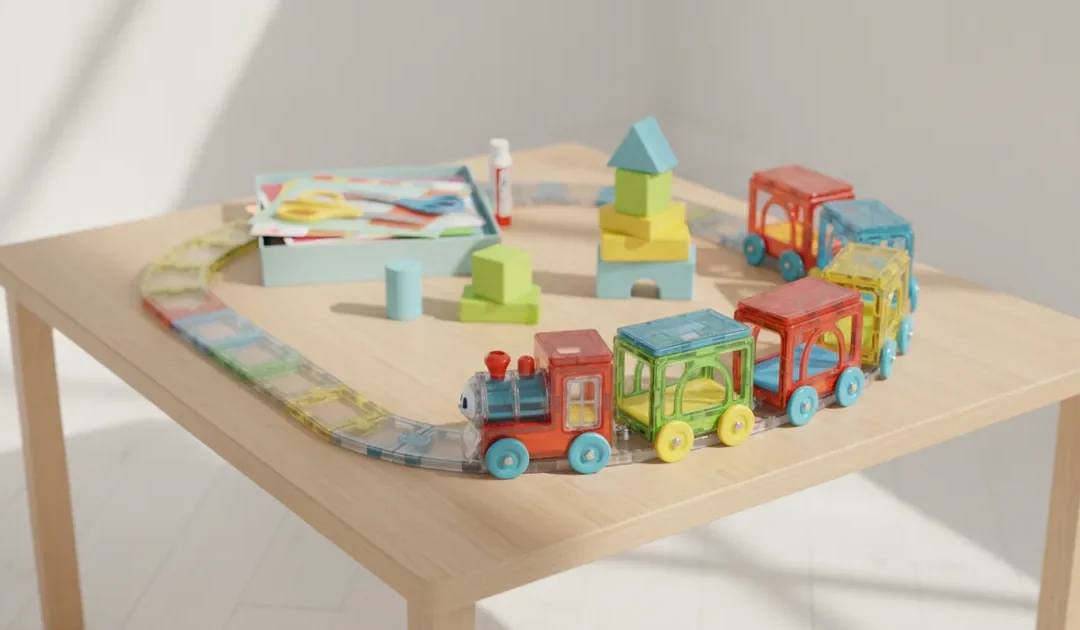
- Magnetic building tiles and sets: These are widely considered among the best toys for promoting creativity at this age because they combine spatial reasoning, color recognition, and unlimited building possibilities. A set like the Graflo Magnetic Train 65pcs STEM Tiles Set lets children build tracks, structures, and imaginative worlds, blending construction play with storytelling as their trains travel through cities they invent themselves.
- Finger paint and washable art supplies: Hands-on art remains one of the purest forms of creative expression at this age. Our 12-colour finger paint set is formulated to be washable and non-toxic, giving preschoolers full freedom to experiment with color mixing and texture without parents worrying about stains or safety.
- Dress-up costumes and role-play props: A simple cape, a stethoscope, or a chef’s hat can transform an afternoon into a rich imaginative adventure.
- Open-ended figurine sets: Animals, community helpers, or fantasy creatures without a scripted storyline let children write their own narratives.
For a full range of age-matched creative options, our dedicated ages 3 to 5 years collection makes it easy to shop by developmental stage rather than guessing.
Ages 6 to 8: Complex Construction and Collaborative Play
By primary school age, children are ready for more advanced building challenges, longer attention spans for projects, and cooperative play with siblings or friends. This is the stage where toys can introduce light engineering concepts while still keeping creativity front and center.
- Large-scale magnetic construction sets: A more advanced option like the 178-piece Magnetic Train Set gives older children enough pieces to design elaborate, multi-level layouts, encouraging planning, spatial reasoning, and collaborative building with friends or siblings.
- Craft kits with multiple components: Sewing kits, jewelry-making sets, or model-building kits allow children to follow a process while still making personal creative decisions along the way.
- Storytelling and world-building games: Simple tabletop games that involve inventing characters or scenarios build narrative creativity alongside social skills.
- Advanced art supplies: Watercolor sets, sketchbooks, and clay all support more refined fine motor control and artistic expression at this age.
Explore our full ages 6 to 8 years collection for more options that balance challenge with genuine creative freedom.
Ages 9 and Up: Independent Projects and Design Thinking
Older children benefit from toys that treat them as capable young designers. At this stage, creativity often merges with early STEM thinking, engineering challenges, and independent long-term projects.
- Advanced building and engineering sets: Complex magnetic and modular construction kits allow for architectural-style projects that can take days to complete.
- DIY electronics and coding kits: Age-appropriate coding toys introduce logical creativity, where children design solutions within a structured system.
- Journaling and mixed-media art kits: These support more personal, reflective creative expression as children begin developing their own artistic voice.
Top Categories of Creativity-Boosting Toys, Explained in Depth
Rather than shopping by brand name alone, it helps to understand the broad categories of toys that consistently rank among the best toys for promoting creativity. Each category serves a slightly different developmental purpose.
Open-Ended Building and Construction Toys
Building toys, particularly magnetic tile sets, are frequently recommended by educators because they combine so many developmental benefits in one product. Children practice spatial awareness, basic geometry, fine motor coordination, and patience, all while inventing their own structures rather than following a single instruction sheet. Magnetic train and tile sets add an extra layer of storytelling, since children can build a track, then narrate an entire journey for their train, blending construction with imaginative narrative in a way that few other toy categories achieve.
When choosing a building set, look for pieces that are large enough to avoid choking hazards for the intended age group, magnets that are securely encased so they cannot be removed or swallowed, and edges that are smooth and rounded. Sets designed specifically with STEM tiles, like magnetic train and construction kits, are particularly effective because they gently introduce engineering concepts such as balance, connection points, and structural stability, all while feeling like pure play rather than a lesson.
Art and Sensory Play Materials
Art supplies remain one of the most direct paths to creative expression. Finger paint, in particular, is uniquely valuable because it removes the barrier of holding a tool correctly, allowing even very young children to create freely with just their hands. The sensory feedback of paint on skin, combined with the visual delight of color mixing, makes this one of the most joyful and low-pressure creative activities available.
Parents in the UAE often worry about mess and staining, especially with rugs and furniture common in family living rooms. This is why choosing a washable, non-toxic formula is essential. A quality finger paint set will wash off skin, clothing, and most household surfaces with just water and mild soap, letting you say yes to messy creative play without dreading cleanup.
Pretend Play and Role Play Toys
Dress-up costumes, play kitchens, doctor kits, and toy tool sets all fall into this category. Pretend play helps children rehearse real-world scenarios, build empathy by imagining life from another perspective, and practice language skills as they narrate their play scenes aloud, often talking to themselves or imaginary characters. This category is especially powerful for social-emotional development, since children frequently use pretend play to process new experiences, from starting school to welcoming a new sibling.
STEM and Engineering-Focused Creative Toys
The line between STEM toys and creative toys has blurred significantly in recent years, and for good reason. The best STEM toys are inherently creative, because they present a system of building blocks, whether magnetic tiles, gears, or simple circuits, and leave the actual design entirely up to the child. This combination of structure and freedom is exactly what makes magnetic construction sets so popular among UAE parents looking for toys that feel both educational and genuinely fun.
Musical and Performance Toys
Simple instruments, karaoke microphones, and rhythm toys give children another outlet for creative expression that does not rely on visual art or building. Music play supports auditory development, rhythm and pattern recognition, and often becomes a gateway to confident self-expression, especially for children who are naturally more expressive through sound and movement than through drawing or building.
Safety First: How to Choose Creative Toys You Can Trust
No matter how developmentally impressive a toy claims to be, safety must always come first. Here is a practical safety checklist for UAE parents shopping for creativity-boosting toys, whether in stores or online.
Check for Age Grading and Small Parts Warnings
Always match the toy to your child’s actual age and developmental stage, not just their chronological age. If a toy is labeled for ages three and up, it typically means small parts testing has confirmed the pieces are too large to pose a choking hazard for that age group. Never assume a toy is safe simply because an older sibling has similar items in the house.
Verify Non-Toxic, Certified Materials
Look for clear labeling indicating non-toxic materials, especially for art supplies like paints and crayons that may come into contact with skin or, in the case of younger toddlers, occasionally end up near the mouth. Reputable toy brands will clearly state compliance with recognized safety standards on the packaging or product page.
Inspect Construction Quality
For building toys, check that magnets are fully sealed inside the plastic housing and cannot be pried loose, even after repeated use. Loose magnets pose a serious ingestion risk if swallowed, particularly if a child swallows more than one, so this detail deserves extra attention when shopping for magnetic construction sets.
Consider Durability for Repeated, Enthusiastic Play
Creative toys are often used far more intensively than other toys, since children return to open-ended toys again and again, building new creations each time. Sturdy, well-manufactured pieces that snap together securely will hold up to this kind of repeated play far better than flimsy alternatives, protecting both your investment and your child’s ongoing enthusiasm for creative building.
Supervise Appropriately, Especially for Messy Play
Art activities like finger painting are best done with light supervision, not because the materials are unsafe when used correctly, but because young children benefit from gentle guidance on where paint belongs, along with the reassurance of a parent nearby during joyful, messy exploration.
Practical Tips to Encourage Creative Play at Home
Buying the right toys is only half the equation. How you set up the play environment and respond to your child’s creative efforts matters just as much. Here are practical, easy-to-implement strategies for UAE families.
Create a Dedicated Creative Corner
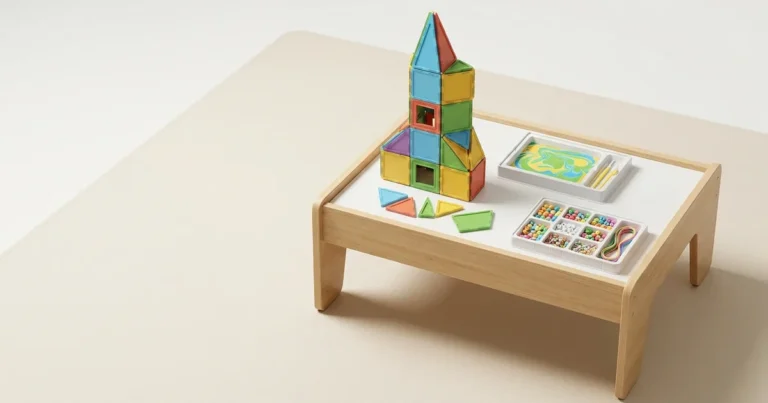
You do not need a large playroom to encourage creativity. A small table with art supplies within reach, or a floor mat where building toys can stay set up overnight without being tidied away immediately, signals to your child that creative play is valued and welcome, not something to be rushed through and cleaned up instantly.
Rotate Toys Rather Than Offering Everything at Once
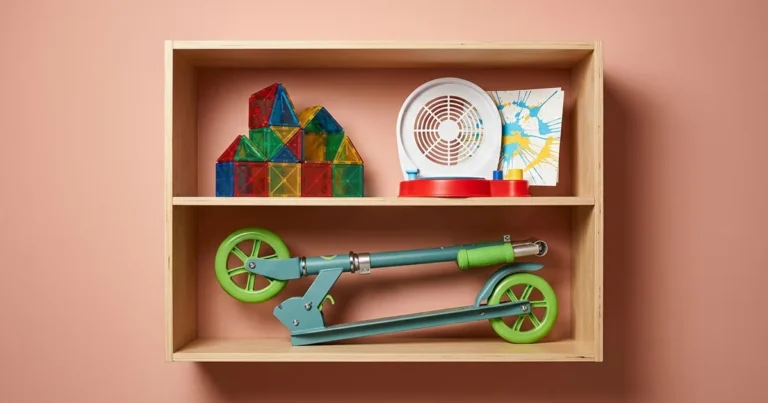
Too many toy options at once can actually overwhelm children and reduce focused, imaginative engagement. Try rotating a smaller selection of open-ended toys every few weeks. This keeps materials feeling fresh and gives each toy, whether it is a magnetic building set or a finger paint kit, dedicated attention rather than getting lost in a large toy box.
Ask Open-Ended Questions During Play
Instead of asking ‘what is that supposed to be,’ try ‘tell me about what you built’ or ‘what happens next in your story.’ This subtle shift respects the child’s creative process and encourages them to elaborate and expand their imaginative thinking rather than justifying or explaining their work to an adult standard.
Resist the Urge to Correct or Perfect Their Work
It can be tempting to help a wobbly tower stand straighter or to suggest a more realistic color for a painted sun. However, allowing children to make their own creative choices, even ones that seem unconventional to adults, is exactly what builds creative confidence over time. Save gentle guidance for safety issues only, not artistic choices.
Join In Without Taking Over
Playing alongside your child, following their lead rather than directing the activity, models enthusiasm for creative play and gives you valuable insight into how they think. If your child invites you to build the ‘other half’ of a magnetic train track, follow their vision rather than redesigning it to your own preference.
Limit Screen-Based Alternatives During Creative Play Time
Digital tablets and passive screen time, while sometimes useful in moderation, cannot replicate the tactile, three-dimensional problem-solving that physical creative toys provide. Setting aside dedicated screen-free blocks of time, even just thirty minutes daily, gives children the space to engage more deeply with hands-on creative toys without the pull of a nearby device.
Common Mistakes Parents Make When Choosing Creative Toys
Even well-intentioned parents sometimes choose toys that look impressive but fall short on genuine creative value. Here are the most frequent pitfalls to avoid.
Choosing Toys With Only One Correct Outcome
Puzzle sets that only fit together one way, or electronic toys that play a fixed script regardless of how a child interacts with them, offer very limited creative value compared to open-ended alternatives. If a toy can only be ‘used correctly’ in one specific way, its creative potential is inherently limited.
Overloading the Toy Shelf
More toys does not mean more creativity. In fact, research on children’s play consistently shows that fewer, higher-quality open-ended toys lead to deeper, more sustained imaginative engagement than large collections of single-purpose toys.
Prioritizing Trends Over Developmental Fit
A toy that is popular online is not automatically the right choice for your specific child’s age, interests, or developmental stage. Always cross-check age recommendations and safety information rather than purchasing based on trend alone.
Overlooking Durability
A toy that breaks after a few uses cannot support long-term creative exploration. Investing slightly more in a well-constructed magnetic building set or a quality art supply kit typically pays off in months, sometimes years, of continued creative play, compared to cheaper alternatives that need frequent replacing.
Screen-Free Creativity: Why It Matters More Than Ever in 2026
As digital devices become an increasingly unavoidable part of daily life, even for young children, intentional screen-free creative play has become more valuable, not less. Physical creative toys engage multiple senses simultaneously, from the tactile feel of magnetic tiles clicking together to the visual satisfaction of watching paint colors blend on paper. This multi-sensory engagement simply cannot be replicated by a screen, no matter how interactive the app.
Additionally, physical creative toys naturally encourage longer attention spans and deeper focus compared to fast-paced digital content, which often trains children to expect constant stimulation and quick rewards. By prioritizing hands-on, screen-free creative toys as a core part of daily play, UAE parents are helping their children build patience, sustained attention, and genuine problem-solving skills that will serve them well both in school and beyond.
Building a Balanced Creative Toy Collection
Rather than searching for one single ‘best’ toy, the most effective approach is building a small, balanced collection that covers different types of creative expression. A thoughtful starter collection might include one open-ended building set, such as a magnetic tile or train kit, one art-based option like washable finger paint, and one pretend play prop or costume piece. This combination ensures your child has outlets for spatial, artistic, and narrative creativity, without overwhelming your home with excess toys.
As your child grows, you can gradually introduce more advanced versions of each category, moving from a smaller magnetic tile starter set toward larger, more complex construction kits, or from simple finger paint toward watercolors and sketchbooks. This progressive approach respects your child’s evolving abilities while keeping creative play consistently engaging at every age and stage.
Conclusion
Choosing the best toys for promoting creativity does not require an overflowing toy room or the latest trending gadget. It requires understanding what genuinely open-ended, safe, and age-appropriate play looks like, and being willing to step back and let your child lead the way. From magnetic building sets that turn into imaginative train worlds, to washable finger paint that transforms little hands into artists, the right toys quietly build confidence, problem-solving skills, and joyful self-expression that will stay with your child far beyond the playroom. Start small, choose thoughtfully, prioritize safety at every step, and watch your child’s imagination flourish.
Frequently Asked Questions
What age is best to start introducing creative toys?
Creative play can begin as early as twelve months with simple sensory toys, chunky blocks, and washable crayons. As children grow, especially from ages three to five, more structured open-ended toys like magnetic building sets and finger paint become highly effective for developing imagination and problem-solving skills.
Are magnetic building toys safe for young children?
Quality magnetic building sets designed for specific age groups are safe when the magnets are fully sealed inside sturdy plastic pieces and the piece size is appropriate for the child’s age. Always check age recommendations, supervise younger children, and inspect pieces regularly for wear or damage.
How can I encourage creativity without buying too many toys?
Focus on a small collection of high-quality, open-ended toys rather than a large volume of single-purpose items. Rotating a few toys, such as a building set and an art kit, every few weeks keeps play fresh and encourages deeper, more sustained imaginative engagement.
Is finger paint messy and hard to clean for UAE homes?
A good quality, washable, non-toxic finger paint is formulated to clean easily from skin, clothing, and most household surfaces with just water and mild soap. Laying down a washable mat or old towel underneath can make cleanup even faster while still allowing free, joyful creative expression.
Do creative toys really make a difference in a child’s development?
Yes, open-ended creative play supports critical thinking, emotional regulation, language development, and problem-solving skills. Toys that encourage imagination rather than passive entertainment give children active, hands-on opportunities to practice these skills every single day.