

Last updated: August 9, 2026
Choosing the best educational toys for kids is one of the most important – and most overwhelming – decisions a parent makes. With shelves full of flashy packaging and endless online options, it is easy to feel lost. This guide cuts through the noise. It focuses on what actually matters for a growing child in the UAE: safety certifications, age-appropriate design, and toys that genuinely support learning through play, not just entertainment for an afternoon.
Whether you are shopping for a first birthday, furnishing a nursery in Dubai, or looking for something that will keep a curious six-year-old engaged after school, this guide walks you through everything – from safety standards to age-specific recommendations to smart budgeting – so you can buy with confidence.
Why Educational Toys Matter for Child Development
Play is not a break from learning. For young children, play is learning. Every time a toddler stacks a block, sorts shapes, or presses a magnetic tile into place, their brain is building connections that support later skills in reading, maths, and problem-solving. Educational toys are simply toys designed with this developmental purpose in mind, rather than being built purely around noise, lights, or a licensed character.
Cognitive Growth Through Play
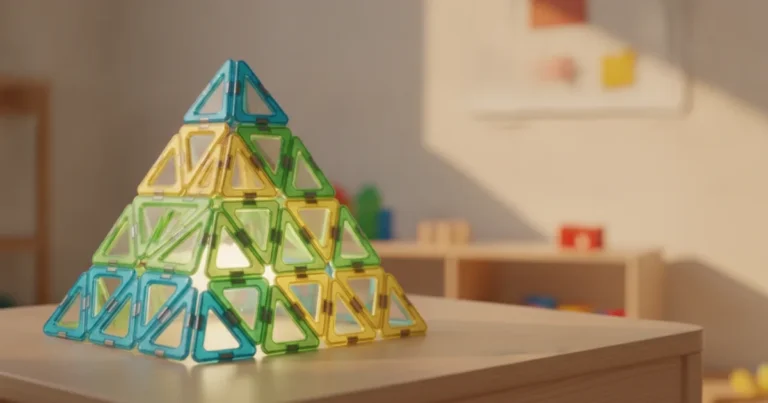
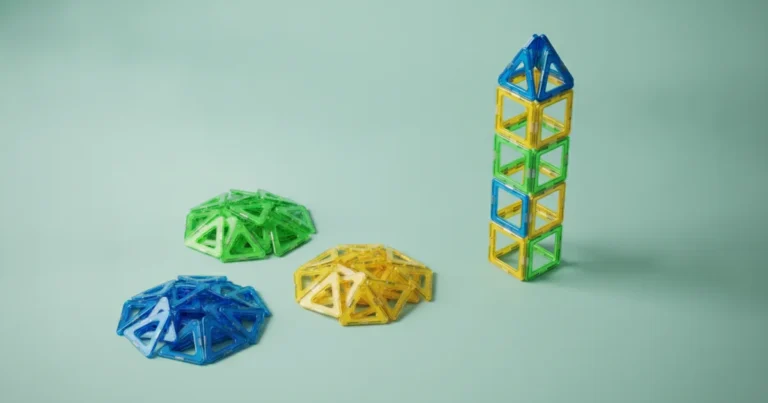
Open-ended toys like building sets, puzzles, and magnetic tiles encourage children to experiment, fail safely, and try again. This trial-and-error process builds resilience and critical thinking far more effectively than toys that only require pressing a button. A child who spends twenty minutes figuring out how to balance a tower of magnetic tiles is quietly practising spatial reasoning, patience, and cause-and-effect logic.
Fine and Gross Motor Skill Development
Threading beads, gripping crayons, snapping magnetic pieces together, or pouring water during bath play all strengthen the small hand muscles children will later need for writing. Larger toys, like ride-on cars or activity gyms, build gross motor strength and coordination. A well-rounded toy collection should include options for both.
Language and Social Skills
Toys that invite pretend play, such as play kitchens, dollhouses, or simple figurines, give children a safe space to practise conversation, negotiation, and turn-taking. Group play with siblings or classmates over a shared building set also teaches sharing and collaborative problem-solving, skills that matter as much as academics.
Emotional Regulation and Confidence
Completing a puzzle or finishing a painting builds a genuine sense of achievement. Toys that are appropriately challenging (not too easy, not too frustrating) teach children that effort leads to results, which is a foundation for confidence at school later on.
How to Choose Safe Toys for Kids in the UAE
Safety always comes first, before design, before price, before educational value. A beautiful toy that is not safe is not worth bringing home.
Look for Recognised Safety Standards
When shopping in the UAE, check for compliance with international safety standards such as EN71 (European toy safety standard) or ASTM F963. Reputable retailers and brands will display this information clearly on packaging or on the product page. If a toy has no safety information at all, it is best to skip it, no matter how appealing it looks.
Age Grading Is Not a Suggestion
The age range printed on a toy box is based on genuine safety testing, not marketing. A toy marked for ages 3 and up may contain small parts that pose a choking hazard for a younger sibling. Always respect these age labels, especially in homes with children of different ages, and store smaller-parts toys out of reach of toddlers.
Check Materials and Finishes
Look for non-toxic paints and finishes, especially for toys that babies and toddlers are likely to mouth. Water-based, non-toxic art supplies are particularly important for toddlers exploring sensory play. For example, a finger paint set for kids made with washable, non-toxic pigments allows toddlers to explore colour and texture safely, without any worry if a little paint ends up in their mouth or on their hands.
Inspect Build Quality
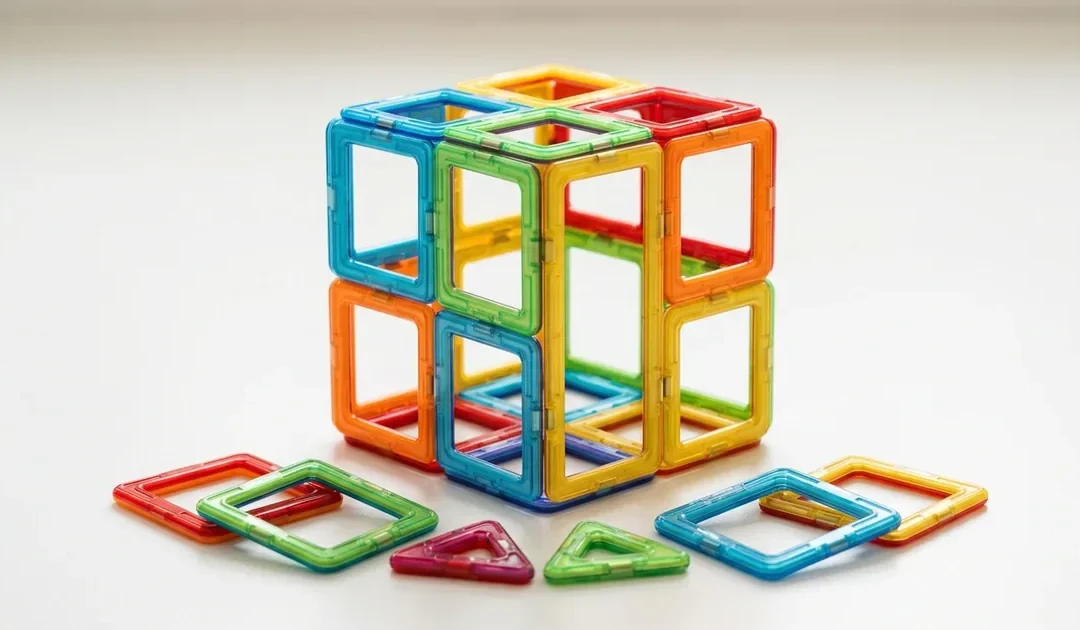
Strong magnets, secure battery compartments, and smooth edges are all signs of a well-made toy. Magnetic building sets, for instance, should have magnets fully sealed inside sturdy plastic tiles so they cannot be pried loose by curious fingers. This is especially important because loose, swallowed magnets are a genuine medical emergency.
Consider the UAE Climate
Toys intended for outdoor play should be checked for heat-resistant materials, since surfaces left in direct UAE sun can become very hot very quickly. Favour shaded outdoor play, and bring plastic ride-on toys or sandpit sets indoors or into shade during the hottest parts of the day.
Best Educational Toys for Kids by Age Group
Different ages call for very different toys. Here is a practical breakdown to help you shop with purpose rather than guesswork.
Babies (0-12 Months)
At this stage, toys should stimulate the senses without overwhelming them. Look for high-contrast soft books, textured rattles, and simple stacking cups. Everything should be too large to swallow, free of small detachable parts, and easy to clean, since almost everything ends up in a baby’s mouth at this age.
Toddlers (1-3 Years)
Toddlers are building independence and love toys that respond to their actions, such as shape sorters, simple push-and-pull toys, chunky puzzles, and large building blocks. Sensory play becomes very important here too. Introducing a safe finger paint set for kids at this age lets toddlers explore colour mixing and texture with their hands, which is wonderful for sensory development and early creative confidence, as long as an adult is supervising and materials are non-toxic.
Preschoolers (3-5 Years)
This is a golden window for building early STEM skills. Magnetic building tiles are an excellent choice here because they combine open-ended creativity with early geometry and engineering concepts. A set like the Graflo magnetic train for kids, 65pcs STEM tiles set, lets children build train tracks, simple structures, and moving vehicles, encouraging planning, balance, and spatial awareness while they play. Preschoolers also benefit hugely from role-play toys, simple board games with clear rules, and beginner art supplies. For a wider selection suited to this age, browsing a dedicated ages 3-5 years collection can save a lot of guesswork, since every item has already been age-filtered for safety and developmental fit.
Early Primary Years (6-8 Years)
Children in this age group are ready for more complex building challenges, logic games, and toys that reward longer attention spans. A larger, more advanced set such as the magnetic train set for kids, 178pcs gives children far more pieces to plan bigger structures, build multi-level tracks, and problem-solve with friends or siblings, which supports both cognitive growth and cooperative play. Construction kits, coding-basics toys, and strategy board games also shine at this age. A well-curated ages 6-8 years collection is a great starting point if you want options that are neither too babyish nor too advanced for this stage.
Older Kids (9+ Years)
By nine and up, children can handle more intricate building sets, science experiment kits, robotics starter kits, and strategy-heavy board games. Independence matters more now, so toys that allow children to follow multi-step instructions on their own, and take pride in a finished project, tend to be the most rewarding.
Types of Educational Toys and What They Teach
Magnetic Building and STEM Toys
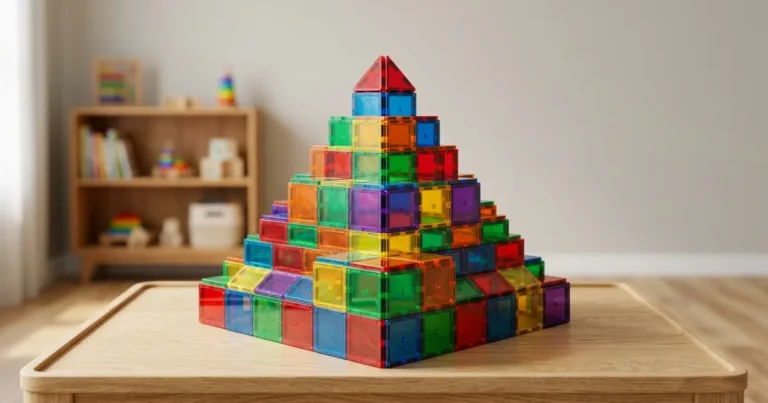
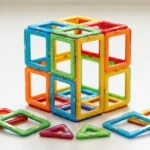
Magnetic tile sets are consistently among the best educational toys for kids because they grow with the child. A toddler might simply enjoy the satisfying click of tiles snapping together, while a seven-year-old uses the same type of toy to engineer a working ramp or a multi-room house. These toys build spatial reasoning, an intuitive understanding of geometry, patience, and engineering thinking, all while being genuinely fun. Look for sets with a good mix of shapes and enough pieces to keep building interesting as skills grow, such as the STEM-focused tile sets mentioned above.
Art and Sensory Toys
Creative play is just as important as logical play. Painting, drawing, and sculpting with dough all help children express emotions they may not yet have the words for, while also refining fine motor control. A quality, washable finger paint set turns a simple afternoon into a full sensory experience, and cleanup becomes far less stressful for parents when the paints are designed to wash off skin, clothes, and most surfaces easily.
Puzzles and Logic Games
Puzzles teach patience and pattern recognition in a way that feels like play rather than work. Start with large chunky pieces for toddlers and progress to more intricate jigsaw puzzles, tangrams, or simple strategy games as children get older. Logic games with clear rules also introduce the idea of fair play, taking turns, and coping gracefully with both winning and losing.
Pretend Play and Role-Play Toys
Play kitchens, doctor kits, tool benches, and dress-up costumes let children rehearse the adult world in a safe, imaginative way. This kind of play builds empathy, since children often act out caring roles, and strengthens vocabulary as they narrate their own stories during play.
Outdoor and Active Play Toys
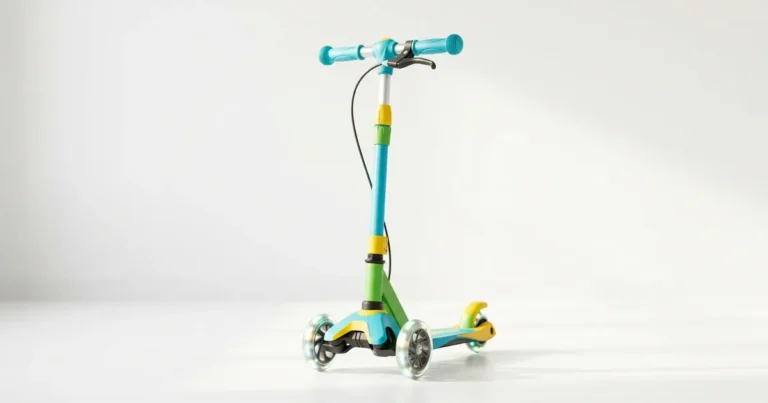
Balance bikes, scooters, and simple sports equipment build gross motor skills and encourage healthy movement habits early on. In the UAE, early mornings or evenings, or shaded and air-conditioned indoor play areas, are usually the safest and most comfortable times for active outdoor play, particularly during the hotter months.
Books and Language-Building Toys
While not always thought of as toys in the traditional sense, board books, flashcards, and simple word-matching games belong in every toy rotation. Reading together from an early age remains one of the single most powerful things a parent can do for a child’s long-term academic success.
Building a Balanced Toy Collection at Home
Quality Over Quantity
It is tempting to buy in bulk, especially during sales, but a smaller collection of well-made, open-ended toys almost always leads to richer play than a mountain of single-purpose gadgets. Children tend to return again and again to toys like building blocks or magnetic tiles because there is always a new way to use them, whereas toys with only one function are often abandoned within days.
Rotate Toys to Keep Interest Alive
Instead of leaving every toy out at once, try storing a portion of the collection away and rotating it every few weeks. Toys that have been out of sight for a while often feel brand new again to a child, which stretches your toy budget much further and keeps play spaces from feeling cluttered and overwhelming.
Mix Structured and Open-Ended Play
A healthy toy collection includes both toys with clear rules, like board games and puzzles, and open-ended toys with no fixed outcome, like magnetic tiles, blocks, and art supplies. Structured toys teach children to follow steps and rules, while open-ended toys nurture creativity and independent thinking. Aim for a mix of both rather than leaning entirely on one type.
Create a Dedicated, Safe Play Space
A defined play area, even a small corner of a living room, helps children focus and makes cleanup far more manageable. Use low, open shelving so toys are visible and easy for little hands to reach and return, which also encourages independence and tidying habits from an early age.
Budgeting for Educational Toys in the UAE
Educational toys come at a wide range of price points, and higher price does not automatically mean higher quality or educational value. As a general guide for parents shopping in AED, simple sensory items like a good finger paint set are usually an affordable entry point into creative play, while mid-range magnetic building sets with dozens of pieces offer strong long-term value because they can be used for years across multiple stages of development. Larger, more advanced building sets naturally cost more, but they often replace the need to buy several smaller toys over time, since one large set can keep a child engaged well into early primary school. When budgeting, it can help to think in terms of cost per year of use rather than the sticker price alone. A well-made magnetic tile set that a child plays with for three or four years is often better value than several cheaper toys that are quickly outgrown or broken.
Common Mistakes Parents Make When Buying Toys
Buying for the Toy, Not the Child
It is easy to be drawn in by attractive packaging or a viral trend, but the best purchase is always the one that matches your specific child’s current stage, interests, and temperament. A quiet, methodical child may love intricate building sets, while a more physical, energetic child may get more value from active outdoor toys.
Ignoring Storage Needs
Large sets with dozens of small pieces are wonderful for development but need proper storage. Before buying a big building set, think about where it will live when not in use, ideally in a labelled bin or bag so pieces do not end up lost or, worse, scattered somewhere a younger sibling could find them.
Overlooking Supervision Needs
Some of the richest learning toys, such as small building pieces or art supplies, do require a degree of supervision, especially for children under three or in homes with younger siblings. This does not mean these toys should be avoided, it simply means setting them up during supervised play sessions rather than leaving them freely accessible at all times.
Skipping the Safety Label
In the excitement of a sale or a recommendation from a friend, it is easy to skip checking the safety certification and age range. Make it a habit to check this on every single toy purchase, both online and in-store, no matter how trusted the brand.
Bringing It All Together: A Sample Toy Plan by Age
For a family with children spanning different ages, here is a simple way to think about building out a collection over time. For a toddler, start with chunky stacking toys, simple shape sorters, and an introduction to sensory play through a safe finger paint set. For a preschooler, add a magnetic STEM tile set to build early engineering thinking alongside simple puzzles and pretend-play props. For an early primary-aged child, step up to a larger magnetic building set with more pieces, paired with logic games and a first proper board game with real rules. As children move into later primary years, layer in science kits, more advanced construction toys, and strategy games that reward longer concentration spans. This progression keeps play challenging without ever feeling frustrating, which is really the heart of what makes a toy genuinely educational.
Conclusion
The best educational toys for kids are not necessarily the most expensive or the most technologically advanced. They are the toys that match your child’s stage of development, meet recognised safety standards, and invite open-ended, hands-on exploration. By focusing on safety first, choosing age-appropriate options, and building a balanced collection of structured and open-ended toys, you give your child the tools to learn joyfully through play, one block, one paint stroke, and one puzzle piece at a time.
Frequently Asked Questions
What are the best educational toys for kids in the UAE climate?
Toys that can be enjoyed indoors are usually the most practical choice for much of the year in the UAE. Magnetic building sets, art supplies like a washable finger paint set, and puzzles are great options because they do not require outdoor space and keep children engaged during hot afternoons.
How do I know if a toy is safe for my child’s age?
Always check the age range printed on the packaging along with safety certifications such as EN71 or ASTM F963. These labels are based on real safety testing, particularly around small parts and choking hazards, so they should always be followed rather than treated as a rough suggestion.
Are magnetic building toys really educational, or just entertaining?
Magnetic building toys are genuinely educational. They help children develop spatial reasoning, early geometry understanding, and problem-solving skills as they experiment with balance and structure. Sets like STEM tile kits are designed to grow with a child, offering simple building for preschoolers and more complex engineering challenges for older kids.
How many toys does my child actually need?
Fewer, higher-quality, open-ended toys are usually more valuable than a large pile of single-purpose ones. Rotating a smaller collection every few weeks often keeps children more engaged than leaving everything out at once, and it also helps prevent overwhelming clutter at home.
What should I look for when buying art supplies for toddlers?
Choose non-toxic, washable materials specifically labelled as safe for young children, since toddlers often explore with their mouths as well as their hands. A good finger paint set designed for kids should wash easily from skin, clothing, and most household surfaces to keep cleanup stress-free.