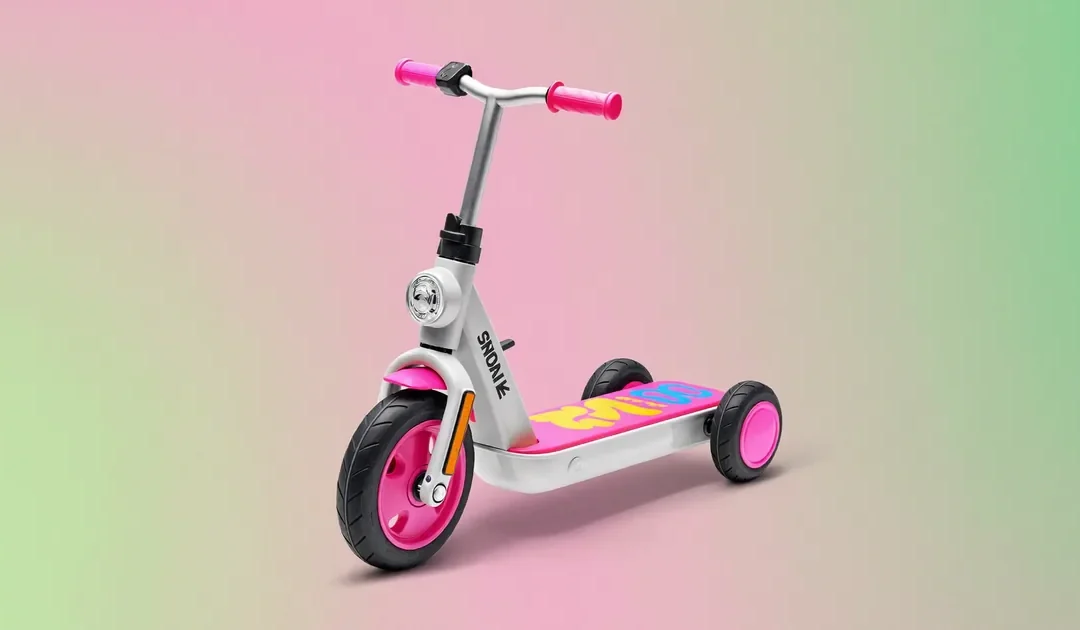
Before you add a kids scooter electric 3 wheel to your cart, the single most important question is not how fast it goes or how it looks. It is whether the scooter matches your child’s balance, age, and weight, and whether it has the braking and stability features that keep little riders safe on Dubai pavements, Abu Dhabi community paths, and mall corridors. A well-chosen three-wheel electric scooter can build coordination, confidence, and outdoor habits in children as young as three. A poorly chosen one, bought only because it looked fun in a video, can end up gathering dust in the garage or, worse, causing a fall. This guide walks UAE parents through everything worth knowing, from safety checks to battery care, so you can shop with confidence and let your child ride with joy.
Why a Three-Wheel Electric Scooter Makes Sense for Young Children
Two-wheel scooters and bikes ask a child to master balance before they can even enjoy the ride. A three-wheel design removes that barrier. With two wheels at the front (or back, depending on the model) and one in the centre, the scooter naturally stays upright, letting your child focus on steering, leaning gently into turns, and getting comfortable with the throttle or push mechanism. This is why most three-wheel electric scooters are marketed for children roughly between 3 and 8 years old, the exact window where gross motor skills, spatial awareness, and independence are developing quickly.
Balance and Stability Benefits
The wider stance of three wheels lowers the centre of gravity and spreads weight more evenly. For a preschooler who is still building core strength, this stability means fewer tumbles and more successful, confidence-building rides. Many parents notice that children who struggle on a standard two-wheel scooter glide happily on a three-wheel version within their very first session.
Developmental Benefits Beyond Fun
Riding a scooter is not just entertainment, it is a workout for the brain and body. Steering develops hand-eye coordination. Leaning into turns strengthens core and leg muscles. Judging speed and distance around obstacles builds spatial reasoning. And because the electric motor removes the physical strain of constant pushing, younger or smaller children who might tire quickly on a manual scooter can enjoy longer, more consistent outdoor play, which supports healthy activity habits from an early age.
Building Independence and Confidence
There is a particular kind of pride on a child’s face the first time they control their own speed and direction outdoors. A three-wheel electric scooter, with its forgiving stability, gives children that taste of independence earlier and more safely than many other ride-on toys. This early confidence often carries over into willingness to try new physical activities later, from cycling to skating.
Safety First: What Every UAE Parent Should Check Before Buying
Safety should never be an afterthought when shopping for any ride-on toy, and electric scooters deserve extra scrutiny because they involve a motor, a battery, and moving parts. Here is what to verify before you purchase.
Age and Weight Recommendations
Every reputable electric scooter lists a recommended age range and a maximum weight capacity. Buying a scooter rated for a heavier child than yours is generally fine and even sensible, since it allows room to grow, but never buy one rated below your child’s current weight. An overloaded frame can crack, the motor may strain, and braking distance can increase. Always check the manufacturer’s stated limits rather than guessing.
Speed Limits and Motor Power
For children aged 3 to 5, look for scooters with a top speed of around 3 to 5 km per hour, which mirrors a brisk toddler walk or light jog. For children aged 6 to 8, a slightly higher range of 6 to 10 km per hour is usually appropriate, provided the child has already shown good control on slower ride-on toys. Some models include a speed-limiting switch or a training mode, which is worth prioritising if your child is a first-time rider.
Braking Systems
A scooter is only as safe as its brakes. Look for a rear foot brake as a minimum, and ideally an additional electronic or automatic brake that engages when the throttle is released. Test the brake response before your child rides unsupervised, and teach them, in simple language, what the brake does and when to use it.
Battery Safety and Certification
Only buy scooters with a sealed, child-safe battery compartment and a charger that automatically stops charging once the battery is full. Overheating batteries are one of the most common safety concerns with electric ride-on toys, so avoid off-brand chargers, never charge overnight unsupervised, and store the scooter away from direct sunlight, especially important given how hot a parked car or balcony can get in the UAE.
Frame Stability and Build Quality
Give the scooter a gentle shake before purchase, or check reviews and product photos closely if buying online. The deck should feel solid underfoot, the steering column should not wobble, and the wheels should spin smoothly without grinding noises. A scooter that feels flimsy in the shop will only feel worse after a few weeks of daily play.
Protective Gear Is Non-Negotiable
No matter how stable the scooter, a helmet is essential every single ride, along with knee and elbow pads for younger children who are still learning to fall safely. Make wearing gear a fixed rule from day one rather than a negotiation, so it becomes as automatic as buckling a seatbelt.
How to Choose the Right Electric 3-Wheel Scooter for Your Child’s Age
Not every three-wheel electric scooter suits every age. Matching the scooter to your child’s developmental stage makes the difference between a toy that gets used every day and one that ends up forgotten after a fortnight.
Ages 3 to 5: Slow, Stable, and Simple
At this age, children benefit most from scooters with the lowest speed settings, the widest wheelbase, and the simplest controls, often a single button or lever rather than a twist throttle. A low deck height also matters, since shorter legs need an easy step-on and step-off. If you are shopping for this age group, our collection for ages 3 to 5 years is a good place to browse ride-on toys and other developmentally matched options alongside scooters.
Ages 6 to 8: A Bit More Speed and Control
Children in this age range typically have stronger balance and longer attention spans, so a scooter with a slightly higher top speed, a more responsive throttle, and adjustable handlebar height keeps up with their growing skill and height. Look for models that let you raise the handlebars as your child grows, extending the scooter’s useful life by a year or two. You can explore more options suited to this stage in our ages 6 to 8 years category.
Weight Capacity and Frame Material
Steel frames tend to be heavier but very durable, while aluminium frames are lighter, easier for a child to manoeuvre, and often more resistant to rust, which is a real consideration near the coast in cities like Dubai, Abu Dhabi, and Sharjah where humidity can be high. Whichever material you choose, confirm the weight capacity comfortably exceeds your child’s current weight by at least a few kilograms.
Battery Life and Charging Time
Most kids’ electric scooters offer between 30 minutes and 90 minutes of continuous ride time on a full charge, with charging times ranging from 2 to 6 hours. If your child tends to ride in short, frequent bursts, ride time matters less. If you plan longer weekend outings to the park, prioritise a model with a larger battery and confirm the charging time fits around your routine, for example charging overnight or during nap time.
Tyres: Foam, Rubber, or PU
Foam tyres are lightweight and puncture-proof but can feel harder on rough pavement. Rubber or PU (polyurethane) tyres absorb shocks better, which matters on the slightly uneven paths found in many UAE community parks and villa compounds. If your child will mostly ride on smooth indoor or mall flooring, foam tyres are perfectly adequate. For outdoor pavements, rubber or PU tyres are the more comfortable choice.
Adjustable Handlebars for Growth
Children grow quickly, and a scooter with adjustable handlebar height can comfortably serve your child for two to three years instead of just one season. This is one of the best ways to get long-term value from your purchase, since it stretches the cost of the scooter across multiple years of play.
Top Features to Look For in the UAE Climate
Shopping for outdoor toys in the UAE comes with a few extra considerations that parents in cooler climates may not need to think about as carefully.
Heat Resistance of Materials
Plastic components and seat padding, if applicable, should be checked for heat tolerance, since a scooter left outdoors or in a car during summer afternoons can reach very high surface temperatures. Always feel the deck, handlebars, and seat before your child touches them if the scooter has been in the sun, and store it in shade or indoors whenever possible.
Choosing Between Indoor and Outdoor Use
Many UAE families use scooters in air-conditioned indoor spaces, community centre corridors, and covered parking areas during the peak summer months, then move to outdoor parks and compounds during the cooler season from November to March. If you plan to use the scooter indoors often, prioritise a quieter motor and softer, non-marking wheels that will not scuff floors or disturb neighbours.
Storage and Portability
Apartment living is common across the UAE, so a scooter that folds flat or stands upright compactly is genuinely useful. Check the folded dimensions and weight before buying if storage space is limited, and consider whether you will need to carry it up stairs or into a lift regularly.
Teaching Your Child to Ride Safely
Even the safest scooter needs a thoughtful introduction. Rushing the first few rides is one of the most common reasons children lose confidence or develop bad habits early.
Step-by-Step First Rides
Start indoors or on a flat, empty stretch of pavement or driveway. Let your child stand on the scooter without the motor engaged first, simply getting a feel for balance with one foot on the deck. Once comfortable, introduce the lowest speed setting and stay within arm’s reach for the first several sessions. Only increase speed once your child can start, steer gently, and stop confidently and repeatedly.
Setting Clear Rules and Boundaries
Decide together, before the first ride, where the scooter is allowed to go, for example only on the villa compound path or only in the park’s designated play zone, never near the swimming pool, car park, or main road. Children respond well to clear, consistent boundaries explained calmly rather than rules introduced only after a near-miss.
Where to Ride Safely in the UAE
The UAE has an increasing number of family-friendly parks with dedicated cycling and scooter paths, such as community parks in Dubai Hills, Yas Island, and various residential compounds across Abu Dhabi and Sharjah. Look for flat, car-free paths with good visibility, and avoid ramps, slopes, or crowded walkways until your child is more experienced. Early mornings or late afternoons are also cooler and generally less crowded, making them ideal riding times outside of the peak summer heat.
Supervision Even After the Learning Stage
Even once your child rides confidently, occasional supervision remains important, particularly around driveways, parking areas, and shared community paths where cars or other children may appear suddenly. A quick check-in every few minutes is usually enough once your child has built solid skills.
Balancing Outdoor Play With Indoor Creative Time
An electric scooter is a wonderful way to get children moving outdoors, but the UAE’s hot months mean many afternoons are best spent indoors. Rotating scooter time with hands-on creative play keeps children engaged year-round and supports a different set of developmental skills, such as fine motor control, patience, and imaginative thinking. On very hot days, or simply as a change of pace, activities like our magnetic building tiles for kids or 150-piece magnetic building blocks give children a screen-free way to build, design, and problem-solve at home. For a slightly different sensory experience, a guided craft activity such as our soap making kit for kids introduces measuring, following steps, and creative expression, all useful skills that complement the physical confidence your child builds while scooting outdoors.
Maintenance Tips to Extend Your Scooter’s Life
A little regular care goes a long way toward keeping an electric scooter safe and functional for years rather than months.
- Wipe down the deck and wheels after outdoor rides to remove sand and dust, which are common in the UAE and can wear down wheel bearings over time.
- Check tyre condition and wheel alignment every few weeks, especially if your child rides frequently on rougher pavement.
- Store the scooter indoors or in shade, since prolonged heat exposure can degrade both the battery and plastic components faster than normal wear would.
- Charge the battery fully before long storage periods, such as before a summer trip away, and check it again before the first ride back.
- Tighten handlebar and deck screws periodically, since regular use can loosen fittings over time, particularly on lighter, more affordable models.
- Avoid letting the scooter get wet, and dry it thoroughly if it is caught in rain or splashed near a pool area.
Common Mistakes Parents Make When Buying Electric Scooters
Learning from other parents’ experiences can save you both money and disappointment.
Buying for the Child’s Future Age Instead of Current Age
It is tempting to buy a scooter with a higher age rating so it lasts longer, but a scooter that is too fast or too tall for your child’s current skill level can be genuinely unsafe and may simply sit unused until they grow into it. Choose based on your child’s current ability, and consider adjustable features for gradual growth instead.
Ignoring the Return and Warranty Policy
Batteries and motors can occasionally have manufacturing issues even in reputable products. Always confirm the warranty period and return policy before purchasing, and keep the original packaging and receipt for at least the first few months of use.
Overlooking Noise Levels for Indoor or Apartment Use
If you live in an apartment or plan to let your child ride indoors during hot months, a scooter with a loud motor or hard wheels can quickly become a source of noise complaints. Reading reviews or checking product descriptions for noise level is worth the extra few minutes.
Skipping Protective Gear at the Time of Purchase
Some parents plan to buy a helmet later, once the child shows interest in riding regularly. It is far safer, and often easier, to buy protective gear at the same time as the scooter, so the first ride is also the first properly protected ride.
Getting the Most Value From Your Purchase in AED
Kids’ electric three-wheel scooters in the UAE market span a wide price range, generally from around 250 AED for simpler, entry-level models up to 900 AED or more for scooters with larger batteries, adjustable seats, and premium build quality. Rather than choosing based on price alone, weigh the following against your budget: battery life and charging time, frame material and weight capacity, adjustable features for growth, and the availability of spare parts or customer support if something needs repair. A slightly higher upfront cost often pays off in a scooter that lasts two or three riding seasons instead of one.
Conclusion
A kids scooter electric 3 wheel can be one of the best investments in your child’s active, outdoor development, offering stability, independence, and genuine joy in equal measure. The key is choosing thoughtfully: match the scooter to your child’s age and weight, insist on solid braking and battery safety, introduce riding gradually with clear boundaries, and pair active outdoor time with enriching indoor play during the UAE’s warmer months. With the right scooter and a little guidance, you are giving your child not just a fun ride, but a genuine step toward confidence, coordination, and healthy movement habits that will last well beyond childhood.
Frequently Asked Questions
What is the right age to start a child on an electric 3-wheel scooter?
Most three-wheel electric scooters are designed for children from around 3 years old, with slower speed settings for ages 3 to 5 and slightly faster options for ages 6 to 8. Always match the scooter’s recommended age and weight range to your child rather than choosing based on age alone.
Are three-wheel electric scooters safer than two-wheel scooters for young children?
Yes, in general. The extra wheel provides a wider, more stable base, which helps children who are still developing balance and core strength ride confidently with fewer falls. This makes three-wheel designs a popular first scooter choice for preschool and early primary school ages.
How long does the battery last on a typical kids electric scooter?
Most kids electric scooters offer between 30 and 90 minutes of ride time per full charge, with charging times of roughly 2 to 6 hours. Battery life depends on the model, the child’s weight, and the terrain, so shorter, frequent rides are usually easier on the battery than long continuous outings.
What safety gear should my child wear while riding an electric scooter?
A properly fitted helmet is essential for every ride, and knee and elbow pads are strongly recommended for younger or newer riders. Making protective gear a non-negotiable habit from the very first ride helps it become automatic rather than something children resist later.
How should I store and care for an electric scooter in the UAE heat?
Keep the scooter out of direct sunlight and avoid leaving it in a hot car, since high temperatures can damage the battery and plastic components. Wipe off sand and dust after outdoor rides, charge fully before long storage periods, and check tyres and screws regularly to keep it safe and functional.