Choosing the right educational toys for kids in UAE means balancing two things every parent cares about most: safety and real developmental value. With so many bright, flashy options on shelves and online stores, it can be hard to tell which toys genuinely support your child’s growth and which ones are just noise. This guide walks you through exactly what to look for, how to match toys to your child’s age and stage, and which categories of play deliver the most learning per dirham spent.
Why Educational Toys Matter for Child Development
Children learn best through play. Long before they sit at a desk, kids are building neural pathways every time they stack a block, sort colors, or figure out how two magnetic tiles snap together. Educational toys are simply tools that make this natural learning process richer and more directed. The right toy does not feel like homework, it feels like fun, but it quietly builds skills your child will use for years.
Building Critical Thinking Early
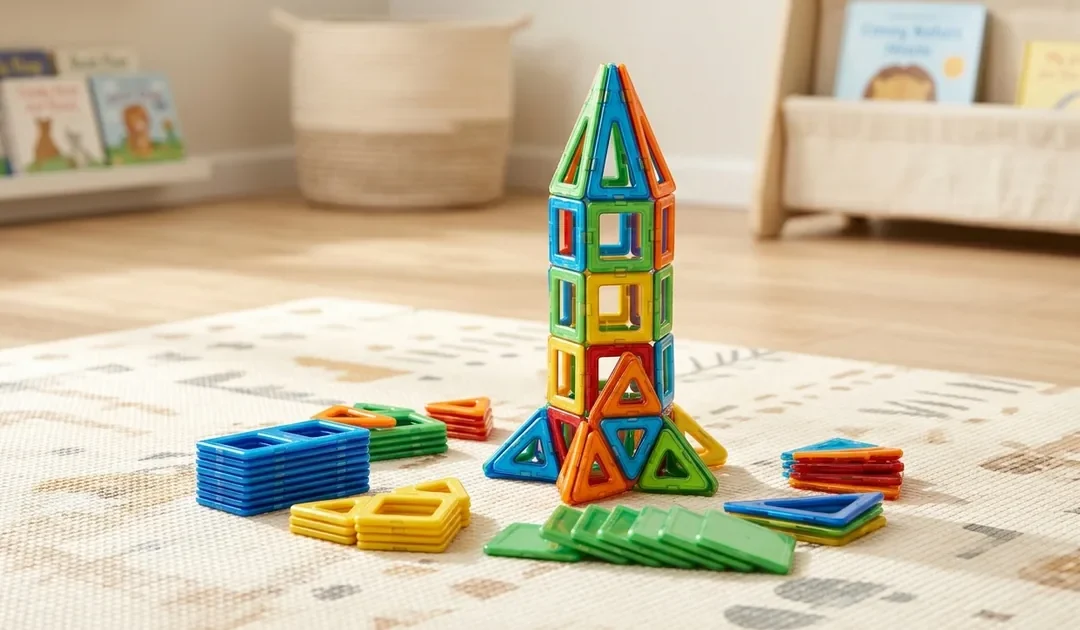
Open-ended toys, ones without a single “correct” way to play, are especially powerful for critical thinking. A child given a set of magnetic tiles might build a house one day and a spaceship the next. Each attempt involves planning, trial and error, and spatial reasoning. This is very different from toys that only do one thing, like a button that always plays the same song. Look for toys that grow with your child’s imagination rather than toys with a fixed outcome.
Safety First: What Every UAE Parent Should Check
Before development benefits, safety always comes first. When shopping for educational toys for kids in UAE, check for the following every single time:
- No small, detachable parts for children under 3 years old (choking hazard)
- Non-toxic, child-safe paints and materials, especially for craft or sensory kits
- Rounded edges and sturdy construction with no sharp points
- Clear age recommendations printed on the box
- Magnets that are securely embedded and cannot be pried loose by curious hands
- Compliance with recognized safety standards such as EN71 or ASTM
If a toy fails even one of these checks for your child’s age group, it is best to choose something else, no matter how educational it claims to be.
Choosing Educational Toys by Age Group
Not every educational toy suits every child. Matching the toy to the developmental stage is what turns a good toy into a great one.
Toddlers and Preschoolers (Ages 3-5)
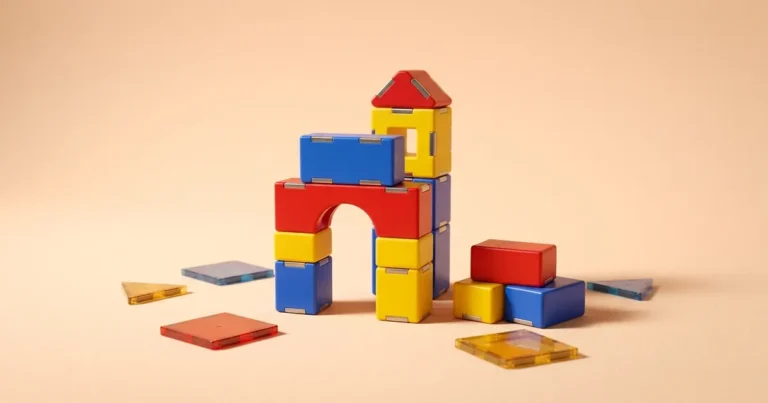
At this stage, children are developing language, fine motor control, and early social skills. Toys that involve sorting, stacking, matching shapes, and simple pretend play work wonderfully here. Chunky building blocks, shape sorters, and simple puzzles with large pieces are ideal because they are safe for smaller hands and forgiving of imperfect grips. You can browse a curated selection of age-appropriate options in our toys for ages 3-5 years collection, all chosen with safety and early learning in mind.
School-Age Kids (Ages 6-8)
By age 6, most children are ready for more complex building challenges, early science concepts, and longer attention spans during play. This is the sweet spot for introductory STEM kits, more advanced magnetic building sets, and simple craft projects that involve following multi-step instructions. Our toys for ages 6-8 years range is built specifically around this stage, offering more pieces and more complex builds without sacrificing safety.
Tweens (Ages 9-12)
Older children benefit from toys that challenge logic, encourage independent research, and allow real creative expression. This is a great age for hands-on STEM projects that involve measuring, mixing, and following a real process from start to finish, similar to a small science experiment. Kits that let kids create something they can actually use or gift, like a bar of soap they made themselves, tend to hold their attention far longer than toys that offer instant, one-time gratification.
Types of Educational Toys and Their Benefits
Educational toys generally fall into a few core categories. Understanding what each type teaches helps you build a well-rounded toy collection at home rather than duplicating the same skill over and over.
STEM and STEAM Kits
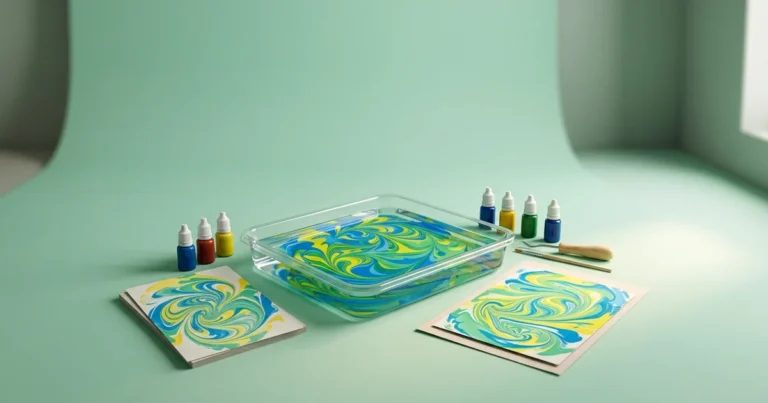
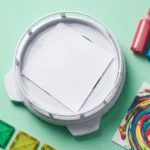
STEM (Science, Technology, Engineering, Math) and STEAM (adding Art) kits are designed to introduce real-world concepts through hands-on activities. A great example is a craft and science kit where kids measure ingredients, follow a process, and see a finished product they made themselves. Our kids soap making kit is a good example of this category. It teaches measuring, following sequential steps, basic chemistry concepts like mixing and setting, and gives children a genuine sense of accomplishment when the finished soap is ready to use or gift. This kind of project-based learning tends to stick with children far longer than passive toys.
Magnetic Building Toys
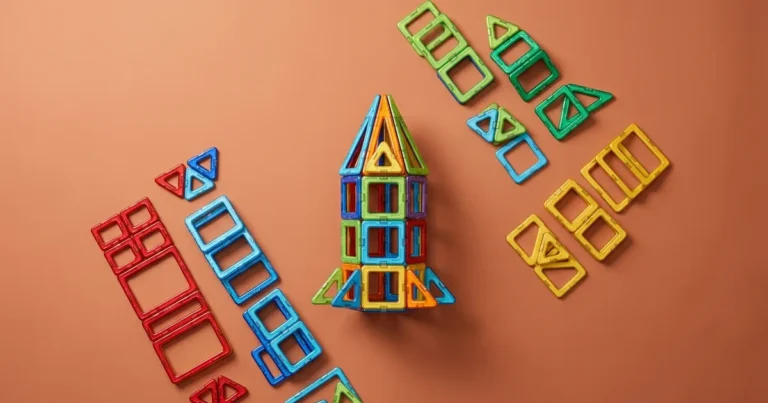
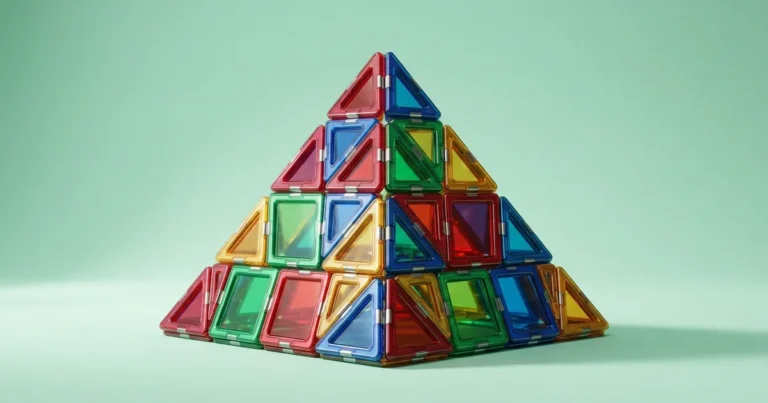
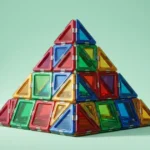
Magnetic building toys are some of the most versatile educational toys available today. They combine spatial reasoning, engineering basics, and creative freedom in one open-ended toy. Because there is no single “correct” build, children can spend hours creating different structures, which keeps engagement high without adult intervention. For younger builders or families just starting out, our magnetic building tiles set with 140 pieces offers plenty of variety for imaginative building sessions. For children who want to build bigger, more complex structures, the 150-piece magnetic building blocks set provides even more pieces for ambitious projects, from towers to entire miniature cities.
What makes magnetic tiles particularly valuable is that they are equally engaging for a 4-year-old stacking a simple wall and a 9-year-old designing a complex geometric structure, which makes them a smart long-term investment for families with children at different ages.
Craft and Sensory Kits
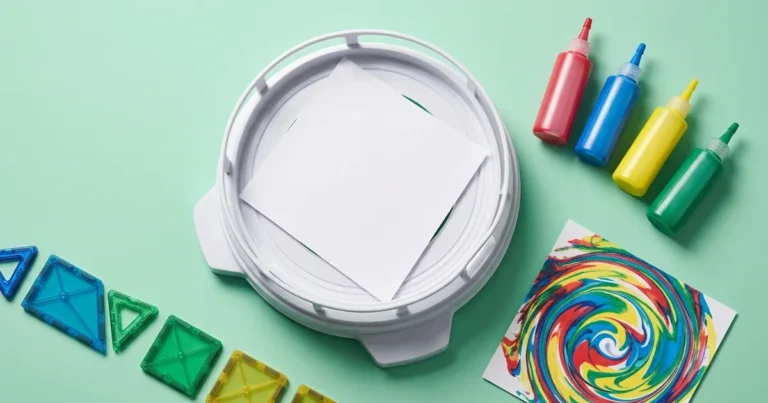
Craft kits that involve textures, colors, and hands-on mixing support sensory development and fine motor skills. These kits are especially valuable for children who learn best by touching and doing rather than watching or listening. Look for kits with non-toxic materials, clear age guidance, and instructions simple enough for a child to follow with light adult supervision.
Puzzles and Logic Games
Puzzles remain one of the most underrated educational toys. They quietly teach patience, pattern recognition, and problem-solving. Start with large-piece floor puzzles for younger children and move toward jigsaw puzzles with more pieces, or logic-based games with rules, as children grow older and their attention spans lengthen.
Educational Toys for Specific Skills
If you are shopping with a particular developmental goal in mind, it helps to know which toy categories target which skills most directly.
Fine Motor Skills
Small building pieces, lacing toys, and craft kits that involve pouring, mixing, or shaping all strengthen the small hand muscles children need for writing and everyday tasks. Magnetic tiles are particularly good here because connecting and disconnecting pieces requires a controlled pinching motion that mirrors the grip used in handwriting.
Language and Communication
Toys that encourage storytelling, such as building sets that inspire imaginative scenarios, or simple board games with turn-taking rules, naturally build vocabulary and conversational skills. Encourage your child to describe what they are building or creating out loud, this turns any building session into a language exercise.
Emotional Intelligence and Social Skills
Group play with siblings or friends using shared building sets teaches turn-taking, negotiation, and cooperative problem-solving. A large magnetic tile set works especially well for this because multiple children can contribute pieces to one shared structure, which naturally encourages teamwork over competition.
How to Introduce Educational Toys at Home
Even the best toy will not reach its full potential if it is buried in a toy box. A little intention in how you introduce and store educational toys makes a real difference in how often they get used.
Creating a Learning Corner
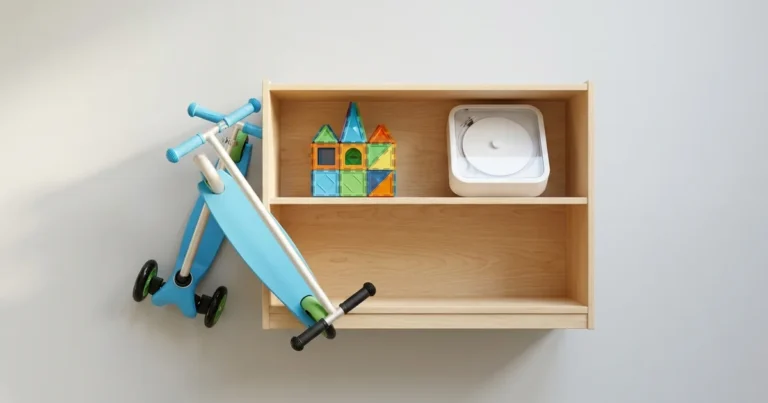
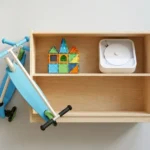
Set aside a small, dedicated space, even a corner of a bedroom or living room, where building toys and craft kits are easy to reach and easy to put away. Children are far more likely to engage in independent, focused play when materials are visible and accessible rather than stacked at the bottom of a toy chest under other items.
Balancing Screen Time with Hands-On Play
Educational toys work best as part of a daily rhythm that includes dedicated hands-on time, separate from screens. Try setting a consistent window each day, perhaps after homework or before dinner, where screens are off and hands-on toys are the only option. Over time, children often begin to prefer the tactile satisfaction of building or crafting something real over passive screen entertainment.
Safety Standards and Certifications to Look For in UAE
When shopping in the UAE, always check that toys carry recognized safety certifications such as EN71 (European toy safety standard) or ASTM F963 (US standard), as these indicate rigorous testing for chemical safety, small parts, and structural integrity. Reputable retailers will clearly list these certifications on the product page or packaging. If this information is missing entirely, it is worth asking the seller directly before purchasing, especially for toys intended for children under 5.
Budget-Friendly Tips for UAE Parents
Educational toys do not need to be expensive to be effective. A few practical tips can help you build a rich learning environment at home without overspending:
- Prioritize open-ended toys like magnetic building sets over single-purpose toys, since they offer more hours of play per AED spent
- Rotate toys in and out of storage every few weeks to renew interest instead of buying new items constantly
- Choose sets that can grow with your child, such as a smaller magnetic tile set now, with the option to add a larger set later
- Involve children in simple household tasks, like measuring ingredients while cooking, to reinforce STEM concepts without any extra purchase
- Watch for seasonal sales on quality brands rather than buying cheaper, uncertified alternatives
Common Mistakes to Avoid When Buying Educational Toys
Even well-meaning parents can fall into a few common traps when choosing educational toys. Watch out for these:
- Buying above age level too early: A toy marketed as advanced may frustrate a younger child rather than challenge them productively.
- Ignoring safety labels: Attractive packaging does not guarantee the toy meets safety standards, always check certifications.
- Choosing toys with only one way to play: These tend to lose appeal within days, while open-ended toys stay relevant for months or years.
- Overloading on toys at once: Too many options at once can overwhelm a child and reduce focused, meaningful play.
- Skipping adult involvement early on: Especially with STEM or craft kits, a little guidance in the first session helps children understand how to get the most out of the toy afterward.
Building a Well-Rounded Toy Collection
A thoughtfully curated toy collection at home usually includes a mix of building toys for spatial reasoning, a craft or STEM kit for hands-on project skills, and at least one puzzle or logic game for quiet, focused problem-solving. Rather than buying many toys in one category, spreading your budget across a few well-chosen categories tends to support more rounded development. For example, pairing a magnetic building set from our 150-piece magnetic building blocks collection with a hands-on kit like the soap making STEM kit gives your child both structural, engineering-style play and a sequential, process-based learning experience in the same week.
Conclusion
Educational toys for kids in UAE do not need to be complicated or expensive to make a real difference. What matters most is choosing toys that are certified safe, matched to your child’s current age and stage, and open-ended enough to keep them engaged for the long run. Whether you start with a simple magnetic tile set, a hands-on STEM kit, or a classic puzzle, the goal is the same: turning everyday play into meaningful learning, one build, one mix, and one discovery at a time.
Frequently Asked Questions
What age should my child start using educational toys?
Children can begin engaging with simple educational toys, like soft shape sorters and stacking blocks, from around 12 months old. More structured educational toys, such as building sets and early STEM kits, are generally best introduced from age 3 onward, when fine motor skills and attention spans are more developed.
Are magnetic building toys safe for young children?
Quality magnetic building toys designed for kids have magnets securely embedded within sturdy plastic pieces so they cannot be removed by little hands. Always check the recommended age on the packaging and choose sets designed for your child’s age group, since smaller or looser magnetic pieces are not suitable for children under 3.
How do I know if a toy is genuinely educational or just marketed that way?
Genuinely educational toys are usually open-ended, meaning they can be used in more than one way, and they encourage active problem-solving rather than passive watching or button-pressing. If a toy only does one thing repeatedly with no room for creativity or challenge, it likely offers limited developmental value despite educational marketing.
What safety certifications should I look for on toys in the UAE?
Look for toys that carry recognized certifications such as EN71, the European toy safety standard, or ASTM F963, the US safety standard. These certifications confirm the toy has been tested for chemical safety, choking hazards, and structural durability appropriate for the labeled age group.
How many educational toys does my child actually need at home?
Quality matters far more than quantity. A well-rounded collection typically includes one open-ended building toy, one hands-on STEM or craft kit, and one puzzle or logic game. Rotating a smaller number of thoughtfully chosen toys usually keeps children more engaged than having many toys available all at once.