

Last updated: August 2, 2026
Every parent in Dubai, Abu Dhabi and Sharjah has seen it happen: a toy shows up on a friend’s Instagram Reel, every majlis is talking about it, and by the weekend it is sold out everywhere. Chasing trends is fun, but when it comes to your toddler, safety and real developmental value have to come first, always. This guide walks you through the best educational toys for toddlers 2026 viral potential, how to tell a genuinely brain-building toy from a flashy fad, and how to shop smart in AED without overspending on something your child will abandon in a week.
We will cover what actually makes a toy trend-worthy this year, the categories that combine viral appeal with real STEM, fine motor and sensory benefits, an age-by-age breakdown from 1 to 8 years, a safety checklist every UAE parent should run before adding anything to cart, and practical budgeting advice so you can build a toy rotation that keeps little hands busy and little minds growing.
Why ‘Viral’ Should Never Mean ‘Unsafe’ or ‘Pointless’
Social media has changed how toys get discovered. A single unboxing video can make a product go viral overnight, and toy brands know it. But virality is driven by novelty and shareability, not always by whether a toy helps a two-year-old build hand-eye coordination or a five-year-old understand cause and effect. As a parent, your job is to filter the noise.
Before anything joins your toddler’s toy basket, ask three questions:
- Does it meet recognized safety standards for small parts, magnets, and non-toxic materials?
- Does it target a specific developmental skill, like sorting, stacking, matching, or storytelling?
- Will my child still enjoy it in three months, or is the appeal only in the unboxing moment?
If a toy passes all three, it has genuine staying power, whether or not it is currently trending. The good news is that many of the toys expected to have the best educational toys for toddlers 2026 viral potential actually check every box, because open-ended, hands-on play is exactly the kind of content that performs well on video and benefits a child’s brain at the same time.
What Makes a Toy Go Viral in 2026
Satisfying, Repeatable Motion
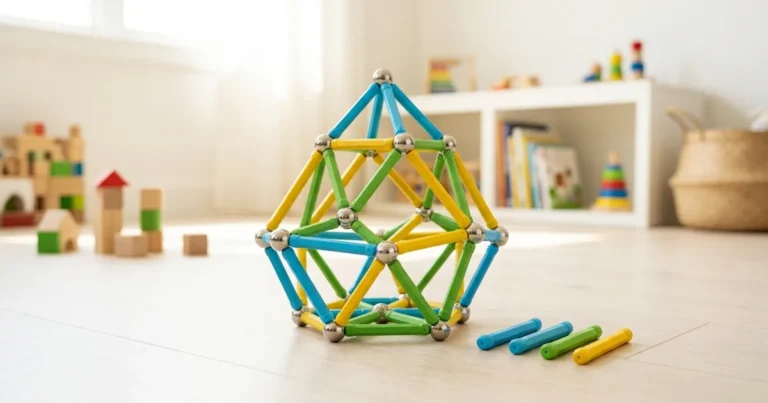
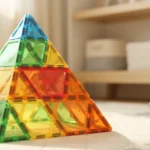
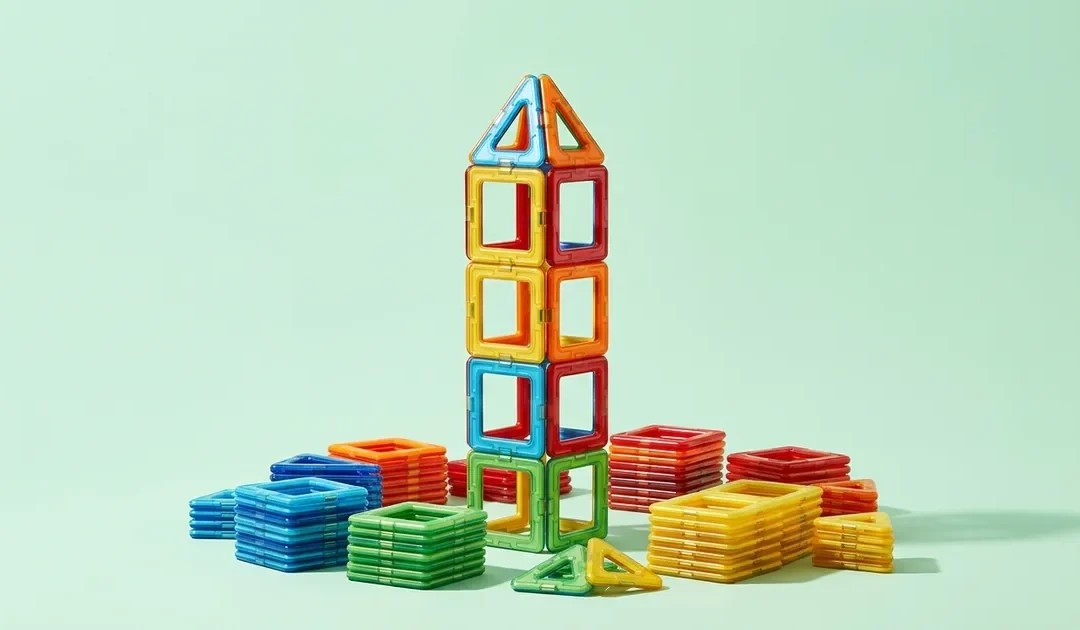
Toys that click, snap, slide or connect with a satisfying sound tend to perform extremely well on short-form video. Magnetic building tiles are a perfect example, the soft click of two tiles connecting is oddly soothing to watch, and it happens to reinforce spatial reasoning and fine motor control in real time.
Transformation and Visible Progress
Parents love filming a project that starts as a pile of pieces and ends as a recognizable structure, a train, a castle, a car. This before-and-after format is highly shareable, and it also teaches toddlers planning, sequencing, and patience, all valuable executive-function skills.
Sensory Richness
Bright colors, different textures, and messy-but-washable play are consistently popular in parenting content because they are visually engaging and because sensory exploration is genuinely important for toddler brain development. A good finger paint set for kids checks this box perfectly, offering rich color mixing and tactile feedback in a format that is easy to clean up at home.
Multi-Age Flexibility
Toys that a two-year-old and an eight-year-old can both enjoy, just at different complexity levels, tend to have longer viral runs because more families can relate to the content. Open-ended STEM building sets are a great example, since younger children can simply stack and connect while older siblings build detailed, engineered models.
Top Categories With Real Viral and Developmental Potential for 2026
1. Magnetic Building and STEM Tile Sets
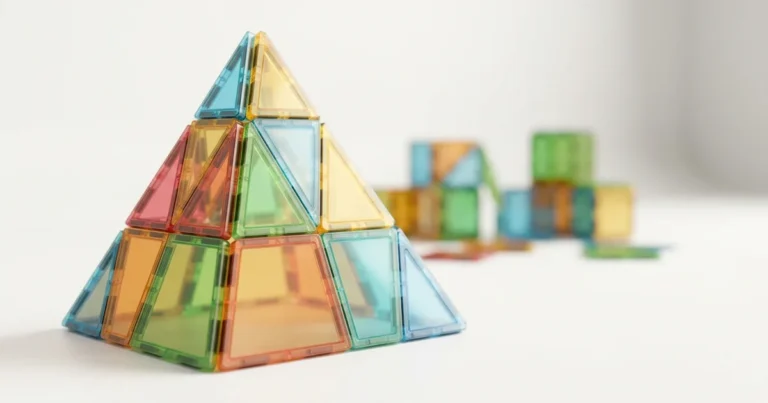
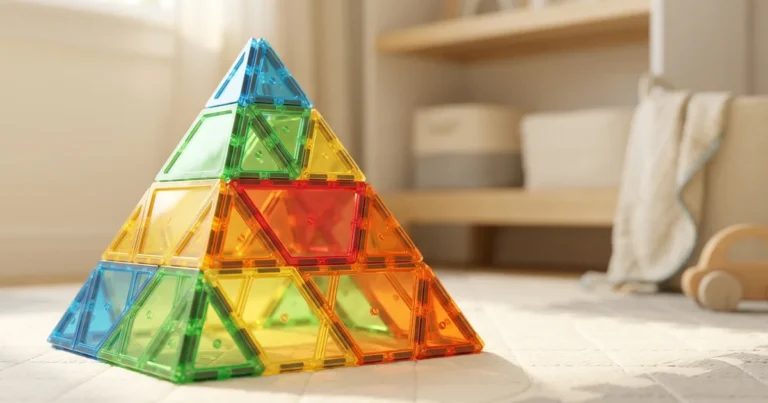
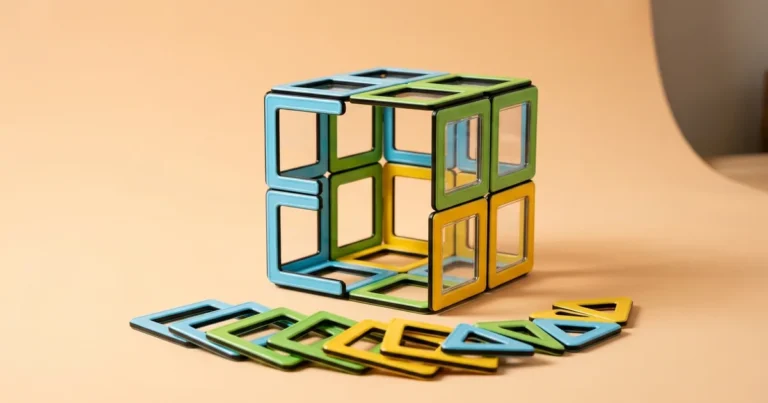
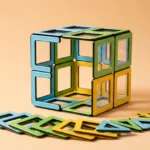
Magnetic construction toys have dominated toy trend lists for several years now, and 2026 looks to continue that momentum. They combine the satisfying click factor that performs well on video with serious educational substance, geometry, symmetry, engineering logic, and color recognition all happen naturally during play.
For toddlers just starting out, a compact set like the Graflo Magnetic Train for Kids 65pcs STEM Tiles Set is an excellent entry point. It is sized for smaller hands, introduces basic track-building and cause-and-effect concepts, and doubles as pretend play once the train is assembled.
As children grow in confidence and want bigger, more elaborate builds, families often step up to a larger collection such as the Magnetic Train Set for Kids 178pcs, which allows for multi-track layouts, tunnels, bridges and cooperative building with siblings or friends, a format that naturally lends itself to those satisfying ‘watch this whole city come together’ videos parents love to share.
2. Sensory Art and Messy Play Kits
Art-based sensory play has strong viral potential because it is visually rich and endlessly variable, no two paintings ever look the same. A well-designed Finger Paint Set for Kids with 12 Colors gives toddlers a safe, washable way to explore color mixing, texture, and creative expression, while building fine motor control in the fingers and wrists that will later support handwriting.
Look for paint sets that are labeled non-toxic, water-based, and easy to wash from skin, clothing and most home surfaces, since UAE summers mean a lot of indoor creative play, and easy cleanup keeps the experience stress-free for parents.
3. Open-Ended Building and Construction Blocks
Beyond magnetic tiles, classic wooden and plastic building blocks remain a steady favorite because they never go out of style and they support imagination without limiting a child to one specific outcome. A pile of blocks can become a tower, a zoo, a garage, or a spaceship, all in the same afternoon.
4. Pretend Play and Role-Play Sets
Kitchen sets, doctor kits, and grocery store playsets consistently trend because they are relatable and often involve family participation on camera. Developmentally, pretend play builds language skills, empathy, and social understanding as toddlers rehearse real-world scenarios in a safe, low-stakes way.
5. Puzzles and Matching Games
Chunky wooden puzzles for younger toddlers and more detailed jigsaw or matching games for older children remain quietly popular, offering strong problem-solving practice. While puzzles may not always trend as dramatically as building sets, video content showing a toddler completing a puzzle for the first time is consistently heartwarming and widely shared.
6. STEM Starter Kits and Simple Robotics
For children closer to school age, beginner STEM kits involving gears, simple circuits, or basic coding concepts have been gaining traction. These toys introduce logical thinking early and often have strong shareability because the end result, a moving gadget or a lit-up model, is genuinely impressive to watch.
Age-by-Age Guide to Choosing Toys That Are Both Fun and Developmental
Ages 1 to 2: Sensory Exploration and Basic Cause and Effect
At this stage, toddlers are learning through touch, sound, and repetition. Look for toys with large, soft-edged pieces, simple stacking rings, shape sorters, and textured sensory balls. Avoid anything with small detachable parts or strong magnets not designed for this age group.
Ages 2 to 3: Early Building and Pretend Play
Children in this range start to enjoy simple construction, matching games, and imaginative role play. This is a great time to introduce a starter magnetic tile set or a chunky puzzle, and to encourage messy sensory play with washable paints under supervision.
Ages 3 to 5: Confident Builders and Storytellers
By age three, most children can handle more intricate pieces, follow simple building instructions, and enjoy cooperative play with siblings or friends. This is the sweet spot for expanding a magnetic train collection, introducing multi-piece puzzles, and encouraging longer pretend play sessions with themed sets. Browse a curated selection in our Ages 3-5 Years collection to find toys matched to this stage of development.
Ages 6 to 8: Engineering, Strategy, and Creative Depth
Older children are ready for more complex builds, basic STEM kits, strategy-based games, and detailed art projects. They enjoy toys that let them plan ahead, problem-solve independently, and create something they are proud to show family and friends. Explore our Ages 6-8 Years collection for options that grow with your child’s expanding skills.
Safety Checklist Before You Buy Any Trending Toy
Check for Choking Hazards
Any toy with pieces smaller than a standard AA battery is a choking risk for children under three. Always check the manufacturer’s recommended age range, and remember that recommendation exists for safety reasons, not just marketing.
Verify Magnet Safety
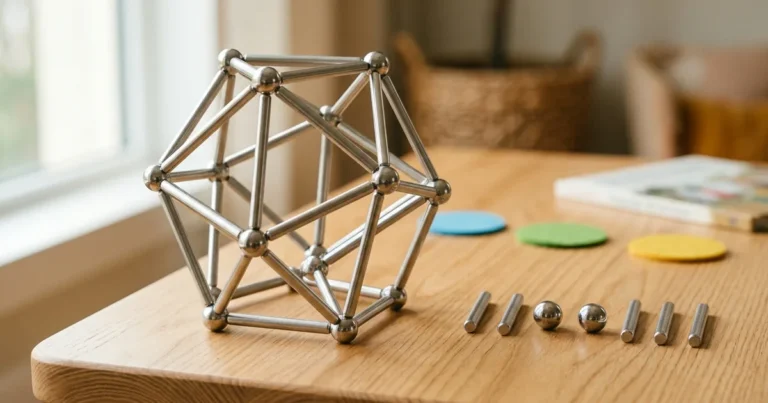
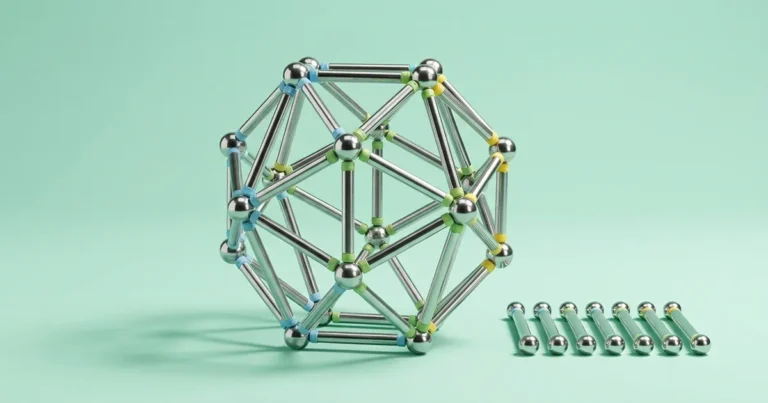
Magnetic toys are wonderful for building skills, but loose, small, high-powered magnets can be dangerous if swallowed. Choose sets designed specifically for children, with magnets securely embedded inside larger, non-removable tiles or pieces, rather than loose magnetic balls or beads.
Look for Non-Toxic Certifications
Paints, crayons, and any toy your toddler might put in their mouth should be clearly labeled non-toxic and, ideally, tested against recognized international safety standards. This matters even more in the UAE’s warm climate, where children may sweat and touch their faces more often during indoor play.
Inspect Build Quality
Trending toys bought in bulk from unfamiliar sellers sometimes cut corners on quality. Sharp edges, easily detachable small parts, or flimsy plastic that cracks under normal play are red flags. When in doubt, buy from a source that stands behind its products with clear safety information.
Watch for Battery Safety
If a toy uses button batteries, make sure the compartment is screw-secured and cannot be opened by small fingers. Button batteries pose a serious swallowing risk and should always be stored and secured properly.
Budgeting for Educational Toys in AED
Trend-chasing can get expensive fast, especially if you are replacing toys every few weeks. A smarter approach is to invest a bit more in a handful of high-quality, expandable toys rather than buying many cheap, short-lived items.
Entry-Level Sets (Roughly 50 to 150 AED)
Great for testing whether your toddler enjoys a category, such as a small magnetic tile starter pack, a basic puzzle set, or a compact finger paint kit.
Mid-Range Investment Sets (Roughly 150 to 350 AED)
This range often includes larger building sets that can grow with your child, like an expanded magnetic train collection with enough pieces for elaborate layouts, or a bundle of art and sensory supplies that lasts several months of regular use.
Premium, Long-Life Sets (350 AED and Above)
These are typically large-scale building systems, detailed STEM kits, or multi-piece sets designed to be added to over time, offering the best cost-per-play-hour if your child sticks with the category.
Tip: Calculate Cost Per Month of Play
Instead of only looking at the sticker price, estimate how many months your child is likely to enjoy the toy. A 300 AED magnetic set used weekly for a year works out to roughly 25 AED a month, often cheaper than several smaller impulse buys that get abandoned within days.
How to Build a Smart Toy Rotation at Home
Step 1: Categorize What You Already Own
Group existing toys into categories, building, sensory, pretend play, puzzles, and outdoor. This helps you spot gaps rather than duplicating what you already have.
Step 2: Rotate, Don’t Overwhelm
Keep only a handful of toys accessible at a time and store the rest away. Rotating toys every couple of weeks keeps interest high and often makes an ‘old’ toy feel new again, reducing pressure to constantly buy the latest trending item.
Step 3: Prioritize Open-Ended Toys
Toys with a single, fixed use tend to lose appeal quickly. Open-ended toys like building tiles, blocks, and art supplies can be reintroduced in new ways, a new challenge, a bigger structure, a themed painting session, keeping them relevant far longer than single-purpose gadgets.
Step 4: Involve Your Child in Choices
Letting toddlers choose which toys to keep out for the week builds decision-making confidence and gives you insight into what they are genuinely drawn to, which is far more useful than chasing whatever is trending online that week.
Spotting a Fad Versus a Toy With Lasting Value
A helpful rule of thumb: if a toy’s entire appeal depends on the unboxing moment or a single gimmick, it is likely a short-lived fad. If the toy supports many different types of play over time, building today, sorting tomorrow, storytelling next week, it has genuine staying power. Magnetic tile sets, quality building blocks, and versatile art supplies consistently pass this test, which is exactly why they keep reappearing on best-toy lists year after year, trend cycles included.
Balancing Screen-Inspired Trends With Real-World Play
Many viral toy trends start online, but the real benefit only happens when the toy leaves the screen and enters your toddler’s hands. Set a simple household rule, watch the trend video together if you like, then put the phone or tablet away and let your child actually build, paint, or role-play without a screen nearby. This keeps the focus on hands-on developmental benefit rather than passive viewing, and it also models healthy screen habits early on.
Seasonal Considerations for UAE Families
With long, hot months where outdoor play is limited, indoor educational toys carry extra weight in a UAE household’s daily routine. Building sets, art supplies, and puzzles that can be enjoyed comfortably indoors for extended periods offer excellent value throughout the year, while still being easy to pack away for the cooler months when outdoor play becomes more practical.
Conclusion
Trend cycles will keep moving fast, but the fundamentals of great toddler play do not change, safety first, real developmental value second, and lasting enjoyment third. When you filter every trending toy through those priorities, you naturally land on the best educational toys for toddlers 2026 viral potential, because the toys that genuinely help children build, imagine, and problem-solve are also the ones that make the most engaging, most-shared content. Choose thoughtfully, buy quality over quantity, and let your toddler’s genuine curiosity, not the algorithm, guide most of your decisions.
Frequently Asked Questions
What makes a toddler toy likely to go viral in 2026?
Toys with satisfying, repeatable actions like magnetic clicking, visible before-and-after transformations, rich sensory elements like color and texture, and flexibility across different age groups tend to perform best on video and social media, while also offering genuine developmental value.
Are viral toys always safe for toddlers?
Not automatically. Popularity does not guarantee safety, so always check for age-appropriate small parts, secure magnet construction, non-toxic material certifications, and safely secured battery compartments before buying any trending toy for a toddler.
How much should I budget in AED for educational toys?
Entry-level sets typically range from 50 to 150 AED, mid-range expandable sets from 150 to 350 AED, and premium long-life building or STEM systems from 350 AED and above. Calculating cost per month of expected play often shows that a slightly pricier, higher-quality toy offers better value than several short-lived impulse buys.
What age is best to introduce magnetic building tiles?
Many toddlers can start with a simple, chunky magnetic tile set around age 2 to 3, with pieces designed specifically for small hands and securely embedded magnets. Larger, more complex sets are better suited to children aged 3 and above who can handle more intricate builds.
How can I tell if a trending toy will still be used in a few months?
Look for open-ended play value. If a toy supports multiple types of play over time, such as building, sorting, and storytelling, rather than relying on a single gimmick or the initial unboxing excitement, it is far more likely to remain a favorite long after the trend fades.